Broken capillaries can be small, but they can feel surprisingly hard to ignore. The fine red, purple or blue lines commonly seen around the nose, across the cheeks and on the chin may become more noticeable after sun exposure, exercise, hot showers or a glass of wine. For people researching the best treatments for broken capillaries, the reassuring news is that professional light-based treatments can significantly reduce their appearance when the right method is selected for your skin.
They are not usually something a skincare product can erase. Effective treatment starts with understanding what the visible vessels are, what may be contributing to them and which approach is appropriate for your complexion, concern and lifestyle.
What are broken capillaries?
The term “broken capillaries” is commonly used to describe tiny visible blood vessels close to the skin’s surface. The clinical term is often telangiectasia. They do not necessarily mean a blood vessel has literally burst. Instead, the vessel has become enlarged or more visible through the skin.
They can develop for several reasons. Genetics, sun exposure, fair or sensitive skin, temperature changes, ageing, rosacea and repeated irritation can all play a part. Some people notice them after pregnancy, while others find they become more obvious over time around the nose and cheeks.
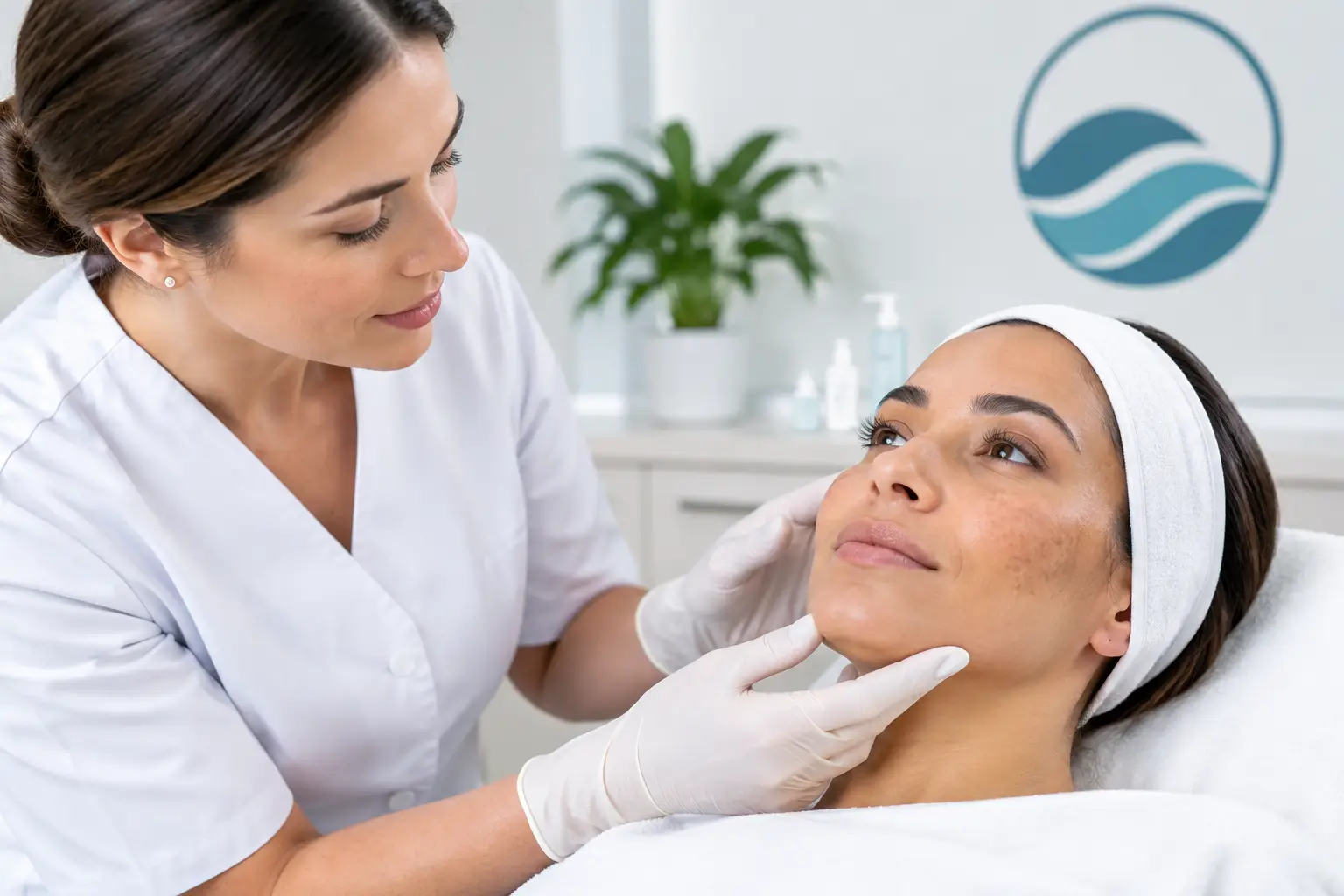
Because the causes vary, a personalised assessment matters. A practitioner should look at the colour, size and location of the vessels, as well as your skin tone, current skincare routine, medical history and any tendency towards sensitivity or pigmentation.
The best treatments for broken capillaries
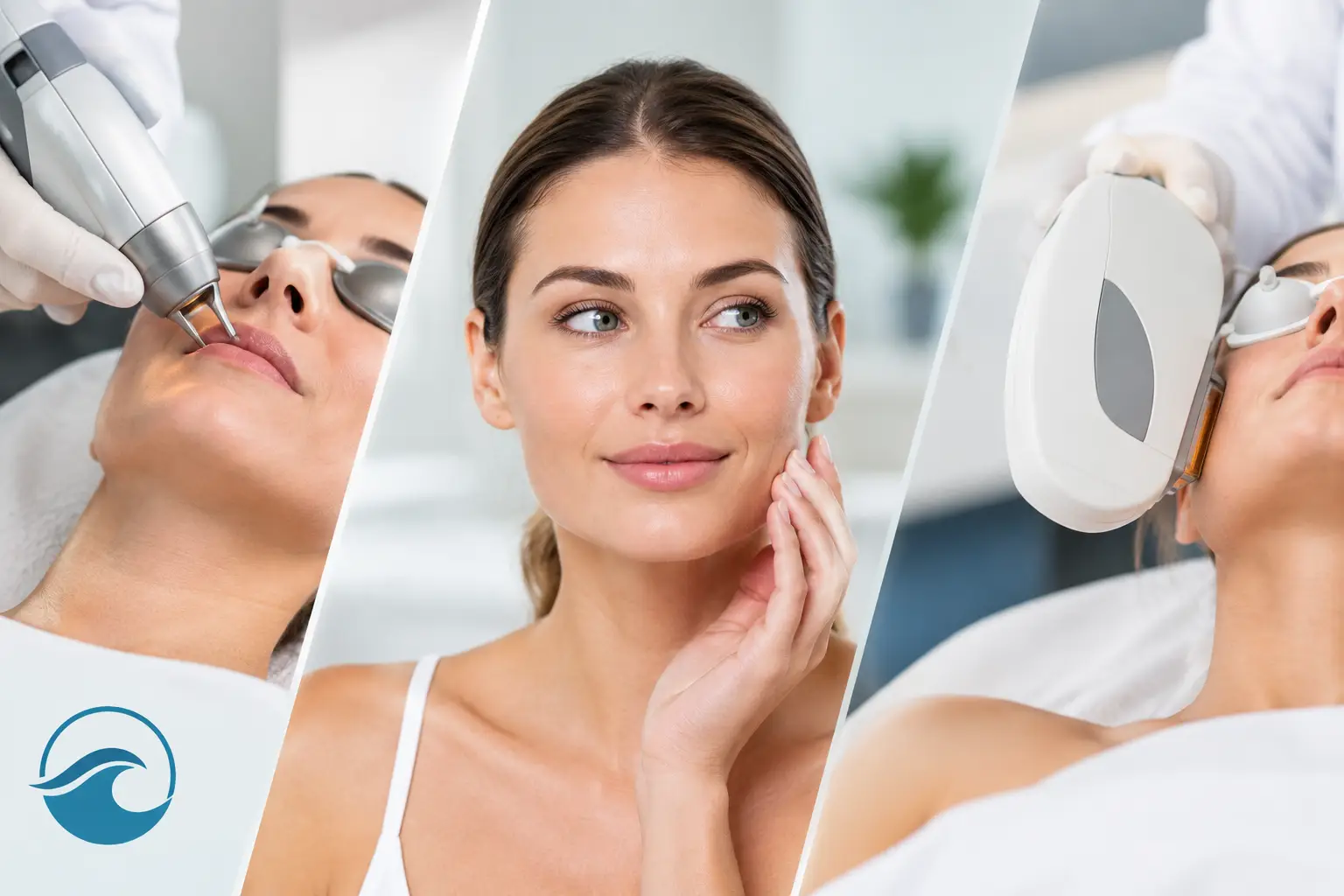
For facial capillaries, professional laser and IPL treatments are generally the leading options. Both use controlled light energy, but they work in slightly different ways and suit different presentations.
Vascular laser treatment
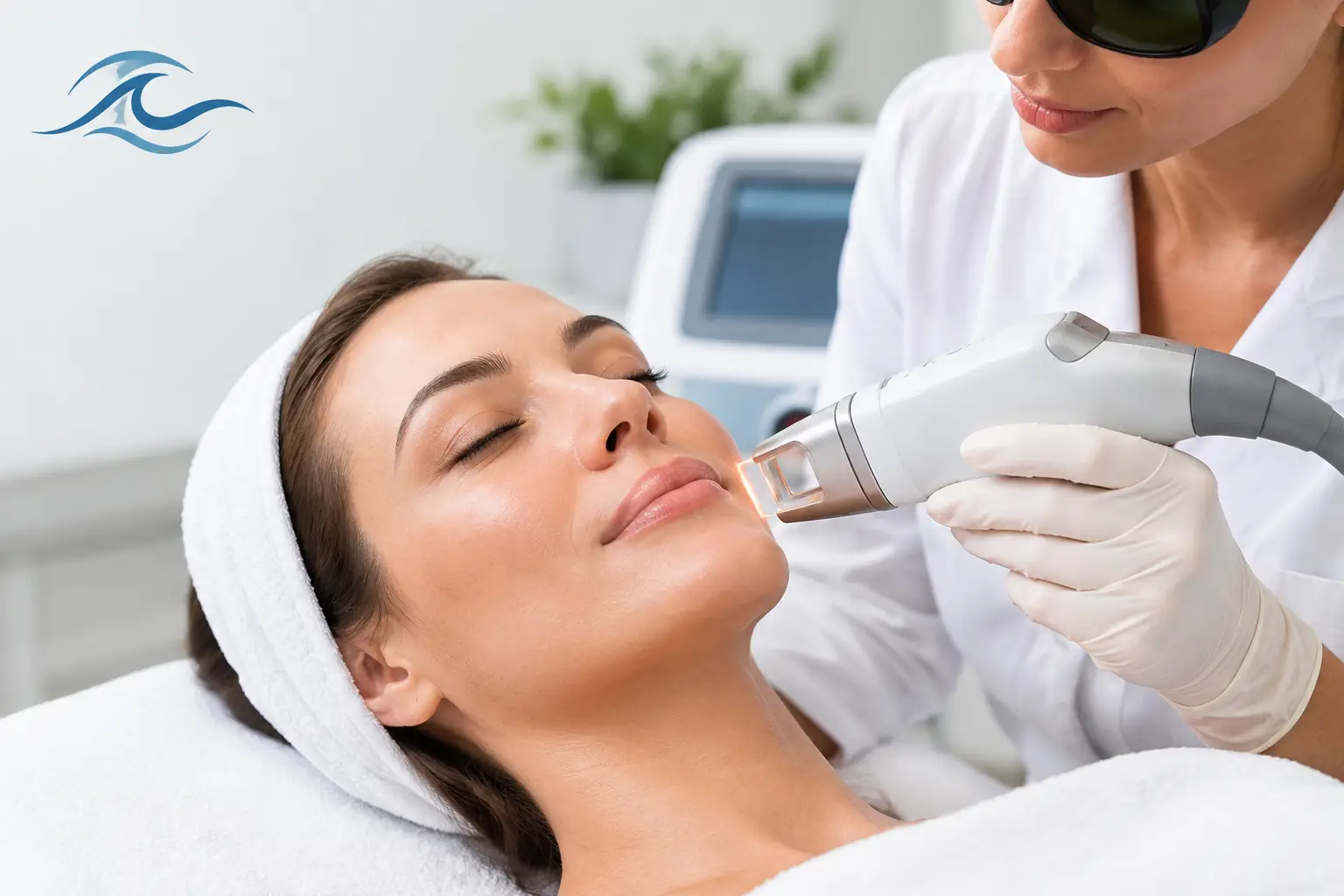
Vascular laser treatment uses a wavelength designed to target the colour within blood vessels. The light is absorbed by the vessel, creating controlled heat that allows the body to gradually clear it away. This makes laser a precise option for distinct red facial vessels, especially those around the nose, cheeks and chin.
A vascular laser can be particularly useful where individual vessels are clearly defined rather than part of broader facial redness. Depending on the vessel and treatment area, you may see an immediate change or a gradual fading over the following weeks. Some vessels require more than one session, particularly if they are deeper, larger or part of an ongoing tendency to develop new visible capillaries.
Treatment should feel manageable, often described as a quick warm flick or elastic-band sensation. Cooling and careful technique help support comfort throughout the appointment.
IPL for diffuse redness and visible vessels
IPL, or intense pulsed light, is not a laser, but it also uses light energy to target pigment and visible vascular concerns. It delivers a broad range of light wavelengths and can be an excellent choice when broken capillaries appear alongside general redness, uneven tone or sun-related skin changes.
Rather than focusing only on one visible vessel, IPL can treat a wider area such as the cheeks or full face. This can make it a helpful option for clients whose concern is not just a few capillaries but a persistent flushed or blotchy appearance.
IPL is not automatically the best choice for every skin type or every vessel. Treatment settings need to be selected with care, particularly for deeper skin tones, recently tanned skin and skin that is reactive. A consultation helps determine whether IPL, laser or another approach offers the safest and most worthwhile path forward.
A combined skin-rejuvenation plan
Sometimes the most satisfying result comes from treating the capillaries while also improving the quality of the surrounding skin. Sun damage, textural changes, enlarged pores and uneven pigmentation can all make redness look more prominent.
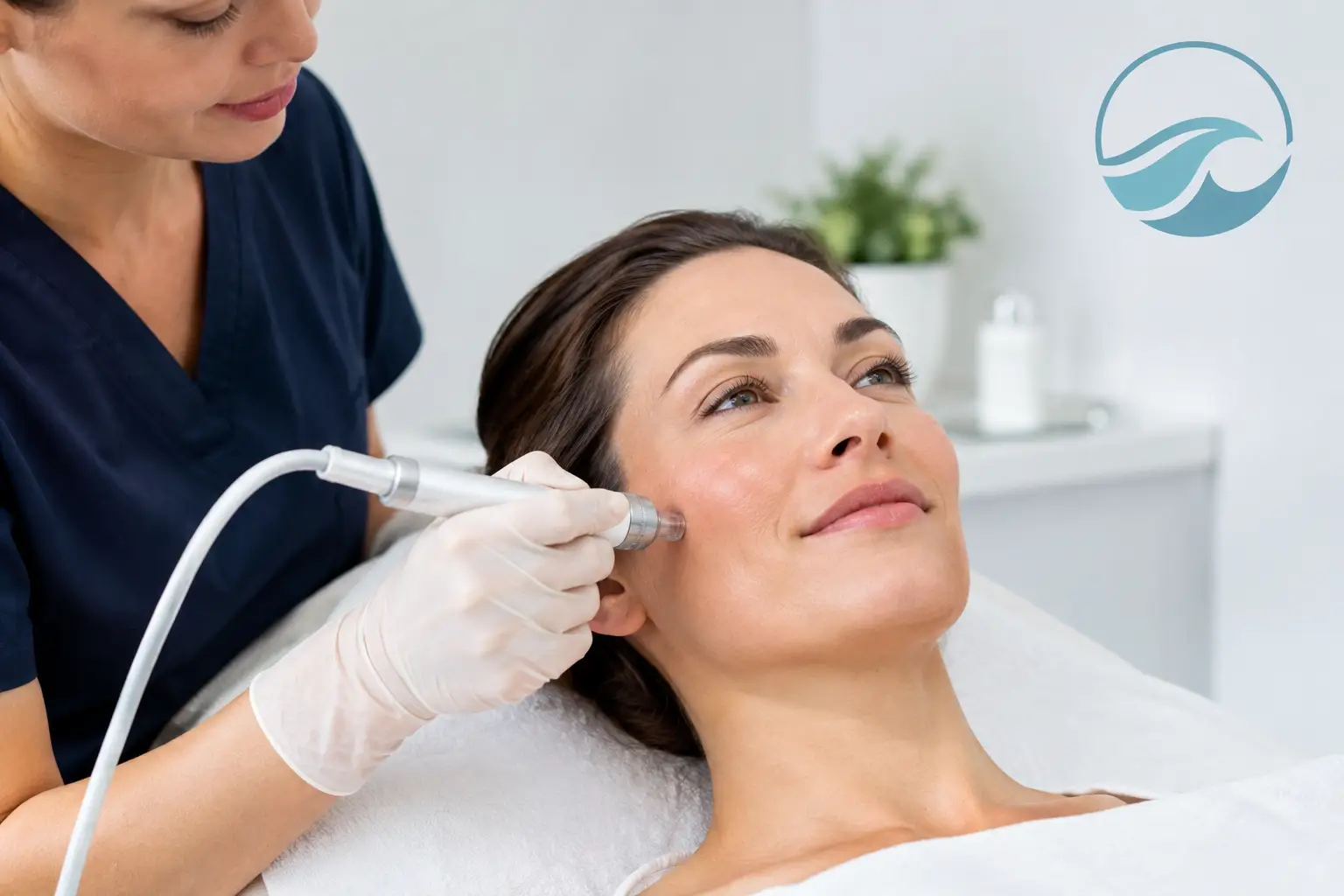
Depending on your skin, a clinician may recommend a staged plan that combines vascular treatment with appropriate skin rejuvenation or medical-grade skincare. This is not about treating everything at once. It is about allowing the skin time to respond and selecting complementary treatments that support a clearer, more even-looking complexion.
Why creams alone cannot remove visible vessels
Skincare still has an important role, but it is best viewed as support rather than a replacement for professional treatment. Once a capillary is visible at the surface, topical products cannot reliably close or remove that vessel.
A gentle routine can help reduce triggers and protect the skin barrier. Daily broad-spectrum sunscreen is especially valuable, as UV exposure can contribute to further visible vessels and facial redness. Fragrance-free, calming products may be useful for sensitive skin, while overly harsh exfoliants, scrubs and heat-based at-home devices can aggravate redness in some people.
If you experience ongoing flushing, burning, acne-like bumps or eye irritation as well as visible capillaries, it is worth discussing this with your GP or dermatologist. These symptoms can be associated with rosacea or another skin condition that may need medical management alongside cosmetic treatment.
What results and recovery can you expect?
Results depend on the number and depth of vessels, the type of treatment used and how your skin responds. Fine surface capillaries may fade noticeably after one session, while diffuse redness and more established vessels can need a course of treatments. No reputable practitioner should promise that every vessel will disappear permanently after one appointment.
The treated area may look pink or feel warm for a short time afterwards. Mild swelling can occur, particularly around the cheeks or nose, and usually settles quickly. With some vascular laser treatments, vessels can temporarily appear darker or more visible before they fade. Your practitioner will explain what is normal for your selected treatment and provide clear aftercare guidance.
For the first few days, it is generally wise to avoid excessive heat such as saunas, hot yoga and very hot showers. Keep skincare gentle, avoid picking or scrubbing the area, and be diligent with sunscreen. Sun protection is not simply an afterthought – it helps protect your result and may reduce the chance of further visible capillaries developing.
Choosing a safe provider matters
Light-based treatments are technique-sensitive. The right equipment is only one part of the equation. Your provider needs to understand skin response, contraindications, treatment settings and when not to treat.
At Coastal Skin Clinic, consultations are designed to be practical and reassuring. Your skin is assessed before a treatment plan is recommended, so you can understand the likely benefits, expected downtime and whether treatment is suitable for you. This considered approach is particularly valuable if you are new to laser or IPL, have sensitive skin, or feel unsure about what you are seeing in the mirror.
Be cautious of a one-size-fits-all offer or treatments performed without a proper discussion of your health history and sun exposure. If you have used self-tanner, have recently been in the sun, are pregnant, take medications that affect light sensitivity, or have a history of pigmentation changes, say so before treatment. These details can affect timing and suitability.
Can broken capillaries come back?
A successfully treated vessel does not usually reopen. However, your skin can form new visible capillaries over time, especially if you are genetically predisposed, have ongoing rosacea or receive regular UV exposure. Maintenance treatment may suit some people, but it should be based on what you notice in your skin rather than an arbitrary schedule.
The most helpful next step is a professional consultation that looks beyond the visible red lines. With the right treatment choice, sensible aftercare and ongoing sun protection, you can make a meaningful change to the clarity and confidence of your skin.