A hot shower, a glass of wine, a rushed morning or a new serum can be enough to leave rosacea-prone skin looking flushed, stinging and uncomfortable. The best rosacea skin treatments are rarely about one miracle product. They combine gentle daily care, trigger awareness and, where appropriate, professional or medical treatment matched to your skin’s particular pattern.
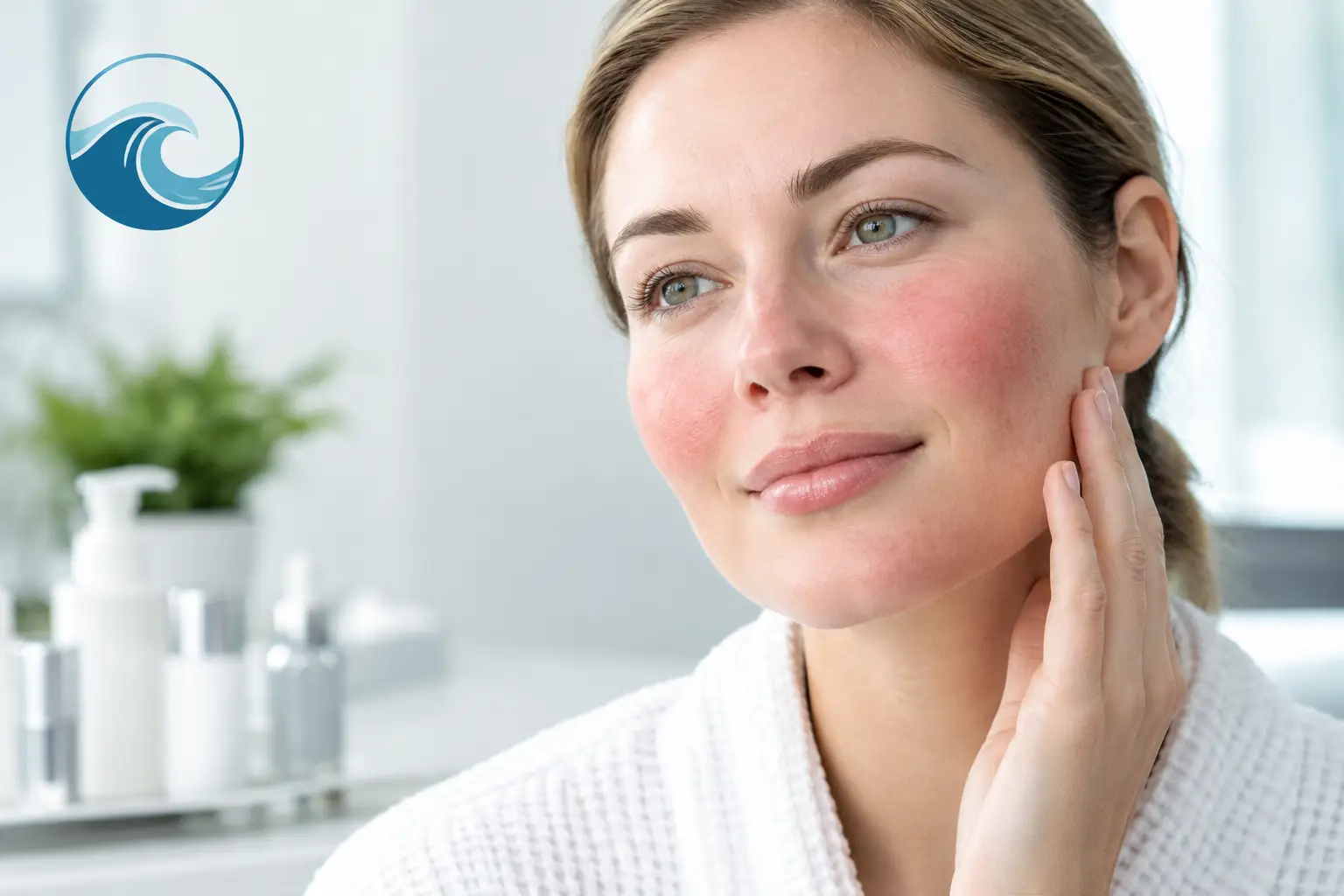
Rosacea can look different from person to person. Some people experience persistent redness across the cheeks and nose, while others notice visible capillaries, bumps that resemble acne, dryness, sensitivity or flushing that comes and goes. This is why copying someone else’s routine can be frustrating – and sometimes makes symptoms worse.
The best rosacea skin treatments start with the right diagnosis
Rosacea is a chronic inflammatory skin condition, so treatment is generally about reducing symptoms, supporting the skin barrier and managing flare-ups over time. It can overlap with acne, eczema, contact dermatitis and sun damage. If redness, irritation or breakouts are new, persistent or worsening, a GP or dermatologist can help confirm what is happening before you spend heavily on treatments.
A professional assessment should look beyond surface redness. Your practitioner may consider where redness appears, whether you flush, the products you use, your history of sun exposure, medications, lifestyle triggers and whether your skin is currently flaring. This gives you a clearer starting point and helps avoid treatments that are too active for sensitised skin.
For some people, the priority is comfort and barrier repair. For others, treating visible vessels or long-standing diffuse redness may be the goal. Both are valid, but they need different approaches.
Build a calm, consistent home routine
When skin is reactive, more steps do not usually mean better results. A simple routine followed consistently is often the most useful foundation for rosacea management.
Choose a mild, fragrance-free cleanser that does not leave the skin tight or squeaky clean. Use lukewarm water rather than hot water, and pat the face dry with a soft towel instead of rubbing. Follow with a moisturiser designed to support the skin barrier. Ingredients such as ceramides, glycerine and hyaluronic acid can be helpful when tolerated, but even gentle formulas should be introduced one at a time.
Daily broad-spectrum sunscreen is essential. UV exposure is a common flushing trigger and can make redness more noticeable over time. Many people with rosacea prefer a gentle mineral sunscreen, although the best option is one you can wear comfortably every day without stinging, pilling or leaving you tempted to skip it.
Be cautious with exfoliating acids, physical scrubs, strong retinoids, fragranced essential oils and high-strength vitamin C during a flare. These are not automatically off limits forever, but rosacea-prone skin usually benefits from slower introductions and lower frequency. If your face feels hot, itchy or tender after using a product, that is useful feedback rather than something to push through.
Patch testing and introducing products slowly
Try only one new product at a time and use it on a small area first. If it feels comfortable, introduce it every second or third night before moving to regular use. This makes it far easier to identify the cause if your skin reacts.
A treatment plan should feel manageable. The goal is not a bathroom cabinet full of products. It is skin that feels calmer and more predictable.
Medical options for bumps, inflammation and persistent flushing
Home care can make a meaningful difference, but it may not be enough for inflammatory rosacea or persistent redness. A GP or dermatologist may recommend prescription topical treatments to reduce inflammation and rosacea-related bumps. In some cases, oral medication may be considered for a defined period.
There are also prescription options that temporarily reduce facial redness caused by dilated blood vessels. These can suit some people, though results and tolerability vary. Any medical treatment should be chosen with a qualified prescriber who understands your health history, current skincare and the type of rosacea you have.
It is worth setting realistic expectations. Rosacea often improves with the right management, but it may still ebb and flow. A flare does not necessarily mean your treatment has failed. It can be a sign to simplify your routine, revisit triggers and seek review if symptoms are persistent.
Professional treatments for rosacea-related redness
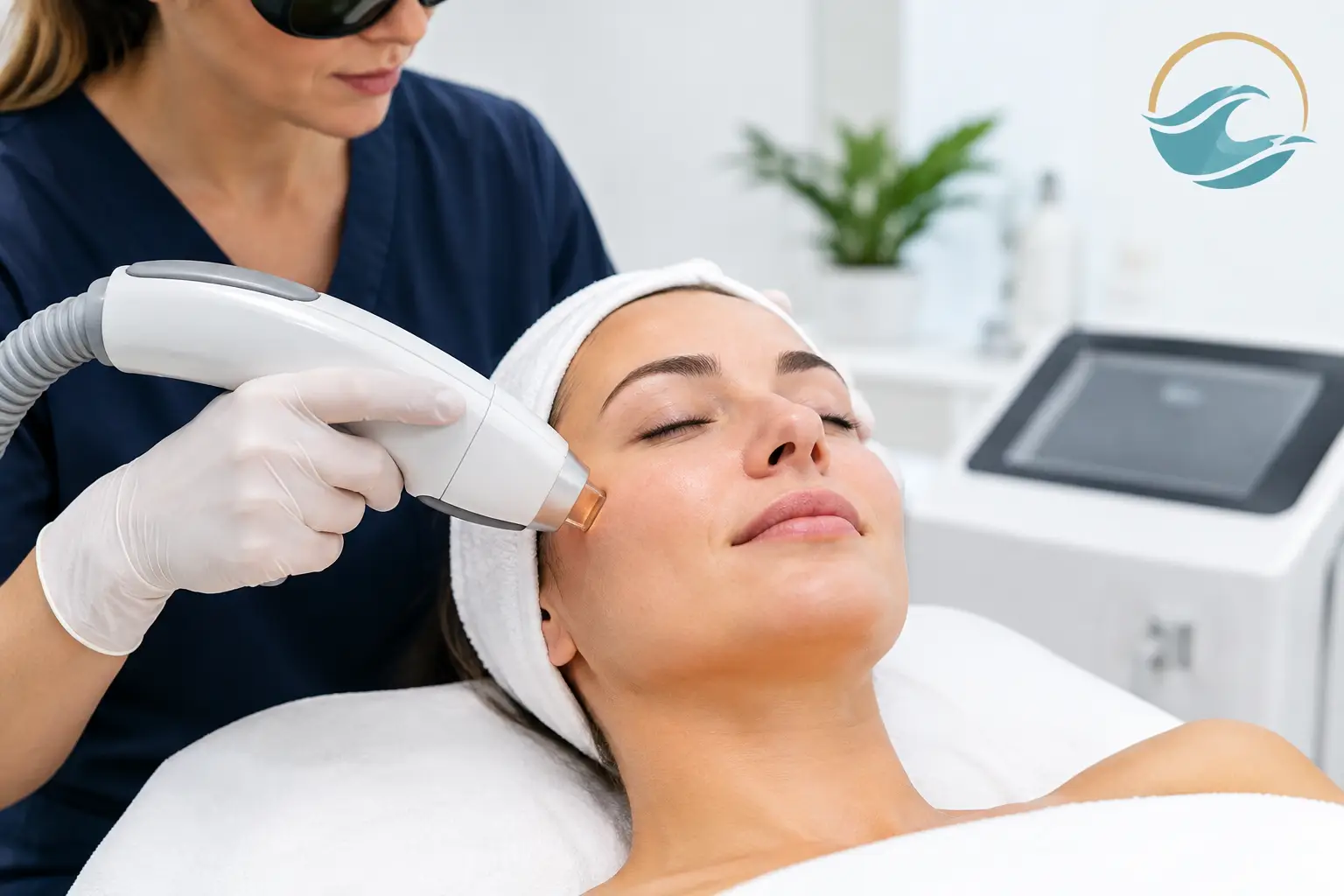
For visible capillaries and diffuse facial redness, light-based treatments can be a valuable part of a personalised plan. IPL and vascular laser treatments work by targeting pigment within visible blood vessels, helping to reduce their appearance over a course of sessions. They do not cure rosacea, and they are not suitable for every skin type, presentation or stage of flare, but they can be effective for the right client.
A careful consultation matters here. Your practitioner should assess your skin tone, sensitivity, redness pattern, medication use, sun exposure and treatment history. They should also discuss preparation, possible short-term redness or swelling, aftercare and the likelihood of maintenance treatments. Safe. Effective. Treatment is never about rushing to the strongest setting.
At Coastal Skin Clinic, a tailored consultation helps determine whether a light-based approach is appropriate for visible redness, or whether your skin would benefit from a gentler, barrier-focused plan first. For Sunshine Coast clients, this personalised approach is especially helpful when heat, humidity and regular sun exposure contribute to flushing.
Not every in-clinic treatment suits active rosacea. Aggressive resurfacing, strong peels and mechanical exfoliation can aggravate compromised skin if performed at the wrong time. Medical-grade peels may be appropriate in selected cases, but only when the skin is stable and the treatment is specifically chosen for its sensitivity level. CO2 resurfacing is generally not the first option for actively inflamed rosacea. Honest guidance protects your skin and supports better long-term outcomes.
Identify your personal flare triggers
Rosacea triggers are individual, but patterns often appear once you start paying attention. Keeping a brief note on your mobile for several weeks can reveal links between flare-ups and daily habits.
Common triggers include:
- Sun exposure and high temperatures
- Hot showers, saunas and strenuous exercise
- Alcohol, particularly red wine for some people
- Spicy foods and very hot drinks
- Stress, poor sleep and rapid changes in temperature
- Harsh skincare, fragranced products and over-exfoliation
You do not need to remove every possible trigger at once. That can feel restrictive and make daily life unnecessarily difficult. Instead, identify the factors that consistently affect you, then make practical adjustments. For example, exercising in a cooler part of the day, choosing lukewarm drinks or applying sunscreen before a beach walk may reduce flushing without asking you to avoid the things you enjoy.
When to seek prompt medical advice
Rosacea can affect the eyes as well as the skin. Gritty, dry, burning or bloodshot eyes, recurrent styes, sensitivity to light or changes to vision need medical assessment. Do not rely on cosmetic treatments alone if you have eye symptoms.
You should also arrange a medical review if you have painful breakouts, thickening skin, sudden severe redness, swelling, a rash that spreads quickly, or symptoms that do not improve despite a gentle routine. A clear diagnosis is the safest path forward.
Choose progress over perfection
The most helpful rosacea plan is one that respects the fact that your skin has good days and difficult days. It may include simple home care, medical support, carefully selected professional treatment and regular maintenance rather than a dramatic one-off fix.
If you are feeling self-conscious about redness or unsure which treatments are safe for your skin, start with a proper consultation. Calm, supported skin is built through considered choices, not harsh corrections.