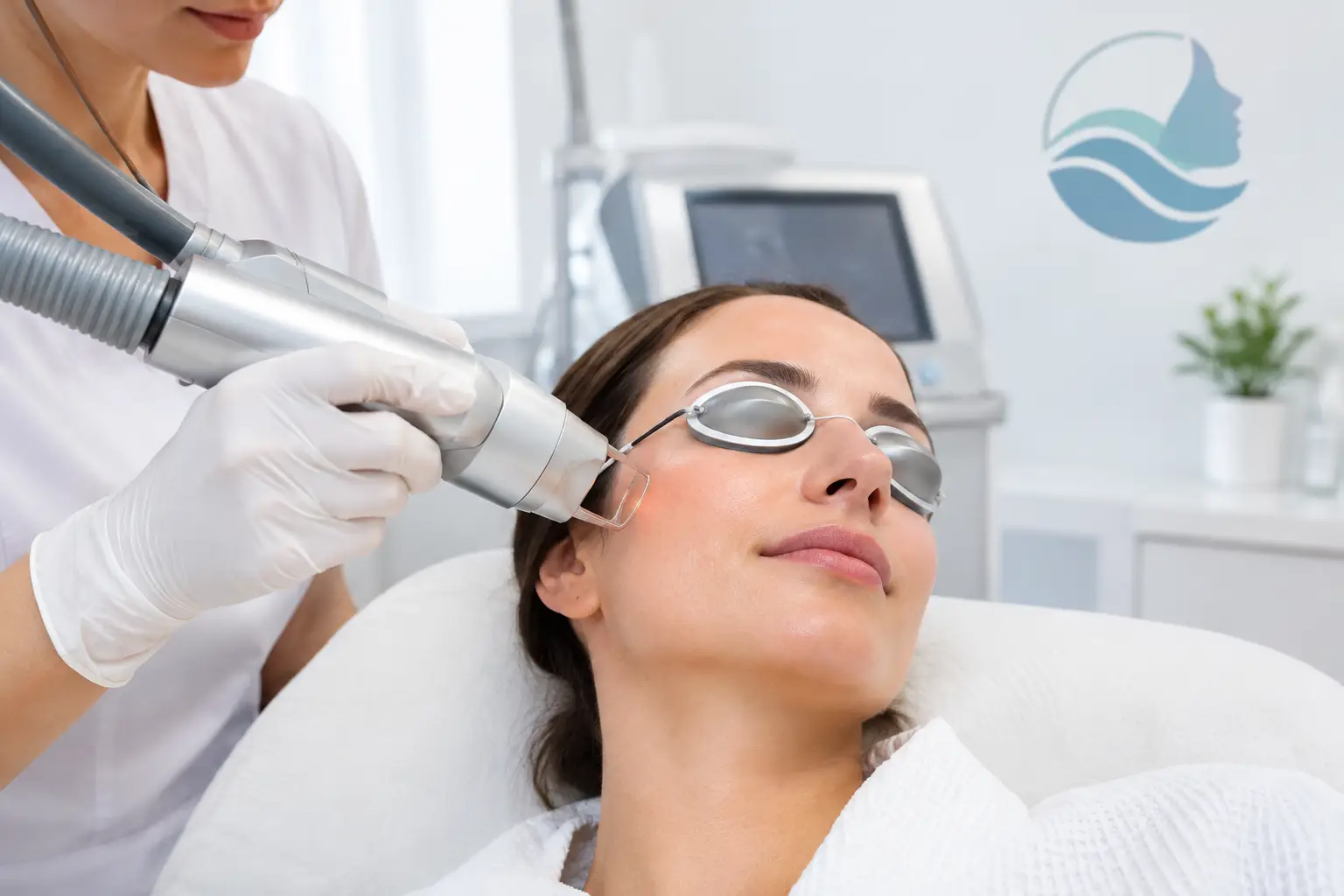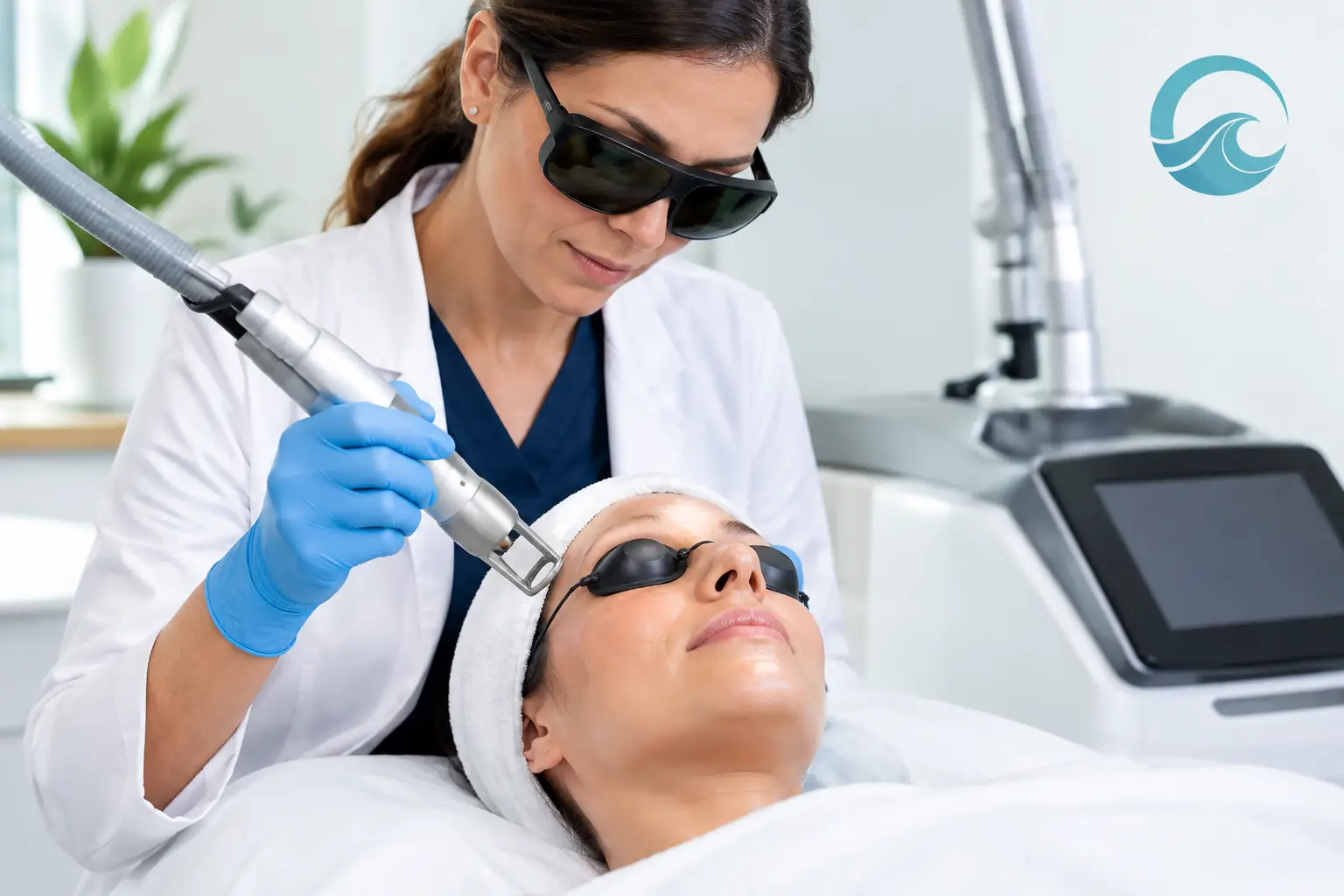
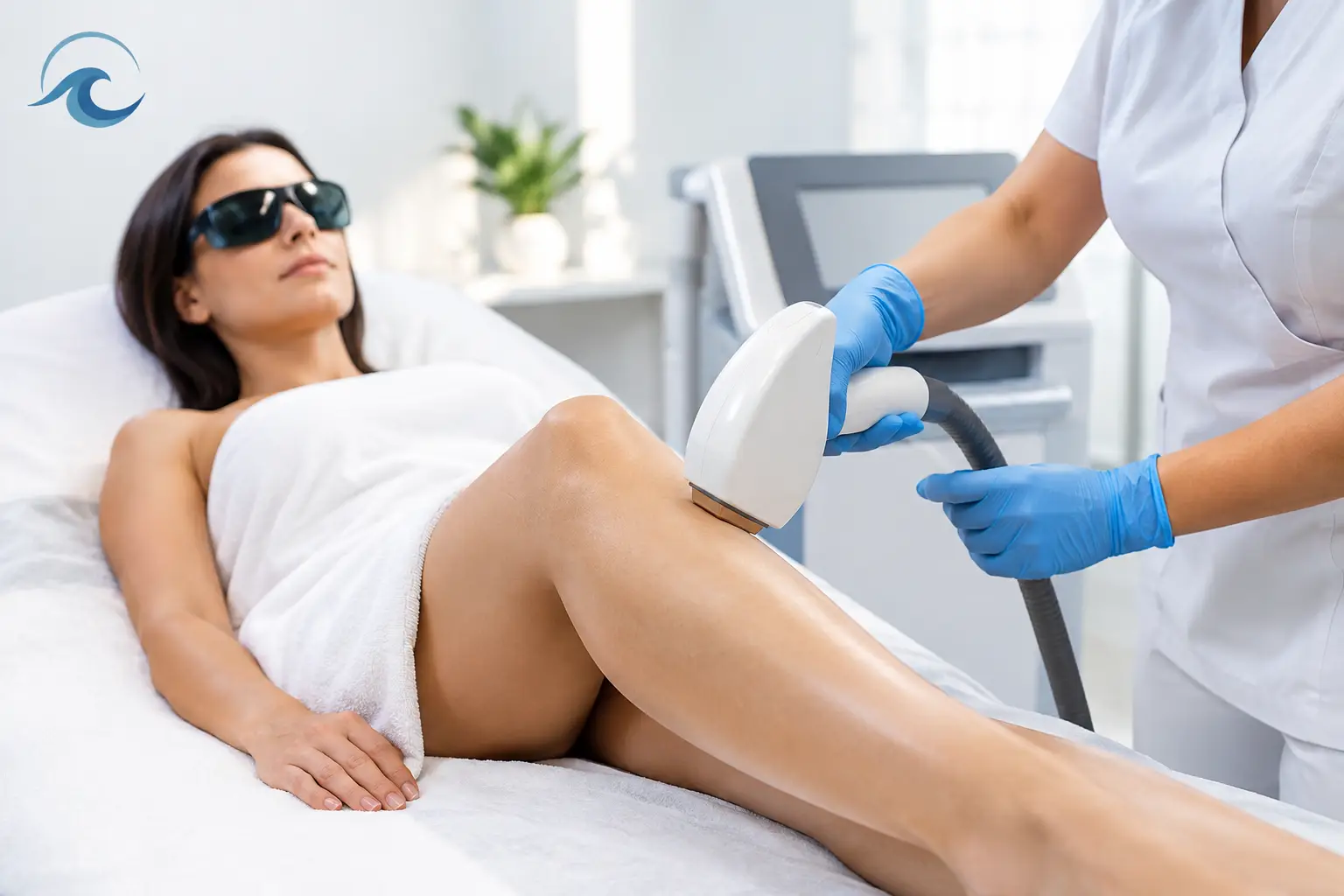
If you are wondering, “does IPL hurt on legs?”, the honest answer is: it can be uncomfortable, but most people find it very manageable. The feeling is usually brief – often compared with a warm flick of a rubber band against the skin – and it stops as soon as each pulse has passed. For many clients, the convenience of smoother skin and less frequent shaving makes that momentary sensation well worthwhile.
IPL hair reduction is not meant to be an endurance test. A professional treatment should feel controlled, explained and tailored to you. Your practitioner can adjust settings, work at a considered pace and check in throughout the appointment, especially if it is your first time.
Does IPL hurt on legs, or just feel warm?
IPL stands for intense pulsed light. During treatment, controlled pulses of light are directed towards the pigment in the hair. That light converts to heat, helping to disrupt the hair growth cycle at the follicle.
On the skin, you may feel a quick heat sensation followed by a light sting or snap. The lower legs are often among the more comfortable areas to treat because the skin is generally less sensitive than areas such as the bikini line or underarms. However, comfort varies from person to person, and even from one part of the leg to another.
The shins, knees and ankles can feel more noticeable because there is less soft tissue over the bone. The backs of the thighs may feel warmer for some clients, particularly where hair is darker or denser. Neither response automatically means something is wrong. What matters is that the sensation remains tolerable and your practitioner responds if it does not.
After a suitable treatment, the skin may look a little pink and feel warm, similar to mild sun exposure. This usually settles quickly. Your practitioner will give you clear aftercare advice based on your skin and the treatment performed.
What makes IPL on legs feel more or less uncomfortable?
There is no single pain scale that applies to everyone. Several factors affect how IPL hair reduction feels.
Hair colour and thickness
Coarse, dark hair contains more pigment, which can create a stronger sensation when treated. This can make the first sessions feel more noticeable in areas where the hair is thick. It also means these hairs often respond well to appropriately selected IPL treatment.
Very light, grey, red or white hair has less pigment for the light to target, so IPL may not be the best option. A consultation is the right place to discuss whether your hair and skin combination is suitable, rather than investing in treatment that may not give you the outcome you want.
Your skin tone and recent sun exposure
IPL settings need to be selected carefully for your skin tone. If your skin has been recently tanned, sun-exposed or affected by self-tanner, it may absorb more light than intended. This can increase discomfort and the risk of unwanted skin reactions.
For this reason, avoid tanning and follow your clinic’s advice around sun exposure before and after each session. Be open about holidays, outdoor work, fake tan and changes in your skincare or medication. It helps your practitioner make the safest decision for your skin, including postponing treatment when needed.
Hormones, your cycle and everyday sensitivity
Some clients notice that their pain tolerance changes around their menstrual cycle, when they are stressed, tired or run-down. If you know you are more sensitive at a certain time of the month, scheduling around it may make the experience more comfortable.
Certain medications and active skincare products can also affect skin sensitivity. Do not stop prescribed medication without medical advice, but do tell your practitioner what you are taking and what you use on your skin. Safe, effective care starts with an accurate consultation.
The area being treated
Legs are a larger treatment area, so the session can take longer than smaller areas. The pulses themselves are fast, but the repeated sensation can become tiring if you are anxious or trying to brace against every flash. Taking steady breaths and letting your practitioner know how you are feeling can make a real difference.
How to make IPL leg treatment more comfortable
Good preparation is one of the simplest ways to improve your experience. Arrive with clean, dry skin free from moisturiser, body oil, deodorant and fake tan. These products can interfere with treatment or make the area harder to assess.
Shave the treatment area as instructed, usually shortly before your appointment. Shaving leaves the hair follicle in place while removing surface hair that could absorb excess heat. Avoid waxing, plucking and epilating between sessions because these methods remove the hair from the follicle IPL needs to target.
Wear loose, comfortable clothing for your appointment. Tight jeans or activewear can rub against warm, freshly treated skin afterwards. If you are feeling nervous, say so. There is no prize for pretending you are completely comfortable. A caring practitioner will talk you through the process, start thoughtfully and check your response as treatment progresses.
Avoid trying to numb the area unless your treating professional has specifically recommended it. Numbing products can change how you perceive heat and may not be appropriate for every person or treatment plan.
What should happen during a professional IPL appointment?
A quality IPL appointment begins before the first pulse. Your practitioner should assess your skin and hair, ask about relevant health information, explain realistic expectations and discuss preparation and aftercare. They may perform a test patch where appropriate, particularly for first-time clients or when treatment settings need careful assessment.
During the session, protective eyewear is essential. A cooling method may be used to help support comfort, depending on the equipment and treatment approach. Your practitioner should not rush through a large area simply to finish quickly. Consistent technique, appropriate settings and communication matter more than speed.
IPL works best as a course of treatments because hair grows in cycles. Only hairs in the active growth stage are most responsive at each appointment. Results vary with hair colour, hormones, treatment area and your ability to keep to the recommended schedule. You may notice hair shedding over the weeks after treatment, followed by finer or reduced regrowth over time.
When discomfort is a sign to pause
Brief warmth, redness and mild tenderness can be expected. Intense burning, persistent severe pain, blistering or marked swelling are not sensations to push through. Tell your practitioner immediately if anything feels too hot or unusual during treatment.
After your session, treat your skin gently. Follow the specific advice you have been given, avoid heat-heavy activities such as hot baths and saunas for the recommended period, and protect exposed legs from the sun. If you have concerns about your skin reaction, contact the clinic promptly rather than relying on guesswork.
Is IPL on legs worth it if you dislike pain?
For many people, yes. IPL is not completely sensation-free, but leg treatments are commonly described as tolerable, quick in each pulse and easier than expected. The trade-off is that results require commitment: preparation, a series of appointments and patience with the hair-growth cycle.
It may be a particularly worthwhile option if shaving leaves you with irritation, ingrown hairs or the feeling that you are constantly starting over. At Coastal Skin Clinic, a personalised consultation allows your practitioner to assess suitability, answer questions honestly and create a plan that puts your comfort and skin health first.
You do not need to be fearless to begin IPL hair reduction. You only need clear information, realistic expectations and a practitioner who listens when you say, “That feels a bit sharp.”