
A fresh face should still look like you. The best cosmetic injectable treatment is not the one that follows a trend, copies a celebrity photo or promises a dramatic change in one appointment. It is the one selected carefully for your features, skin, goals and comfort level. Knowing how to choose cosmetic injectables starts with choosing informed advice over quick decisions.
For some people, injectables are about softening expression lines that make them look tired or cross. For others, it is restoring subtle facial balance or addressing volume changes that have appeared over time. Both are valid reasons to explore treatment. The key is having a clear plan, realistic expectations and a qualified practitioner who puts your safety first.
Start with what you would like to change
Before comparing treatments, take a moment to identify what is bothering you and why. A concern such as lines around the eyes, a less defined facial contour or changes in facial volume can have different causes. What works well for one person may not suit another, even when the concern appears similar.
Try to describe the outcome rather than requesting a specific product or treatment by name. You might say that you would like to look more rested, soften a strong expression, or create a little more balance in a particular area. This gives your practitioner room to assess your face as a whole and recommend an approach that supports your natural features.
Bringing a photo of yourself from a time when you felt confident can also be more useful than bringing a filtered image from social media. Your own facial structure, skin quality and movement are the starting point for a personalised plan.
Understand the difference between treatment types
Cosmetic injectables are not one single treatment. They generally include treatments that relax targeted muscle movement and treatments designed to support or restore volume and shape. They work differently, suit different concerns and have different considerations for timing, results and maintenance.
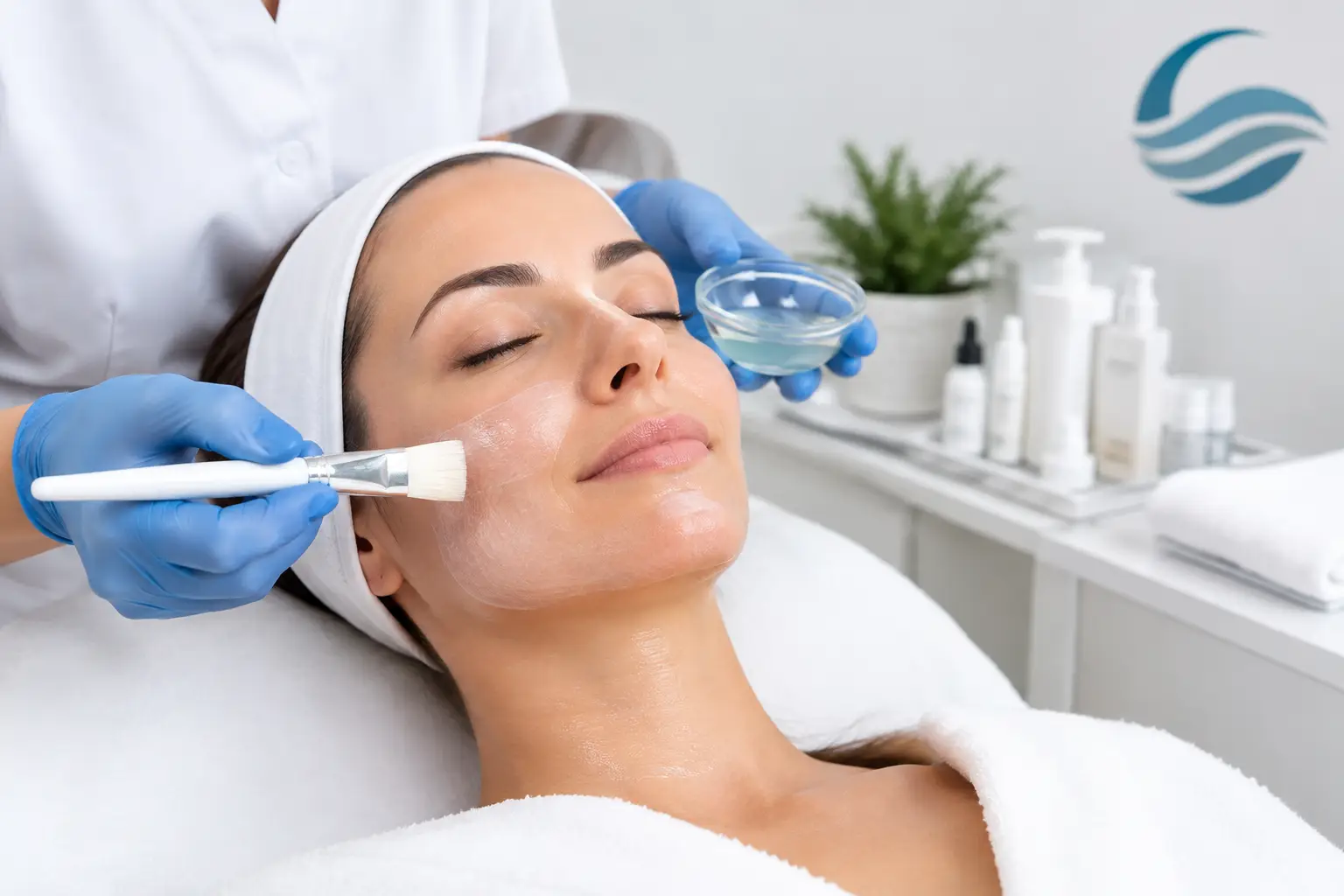
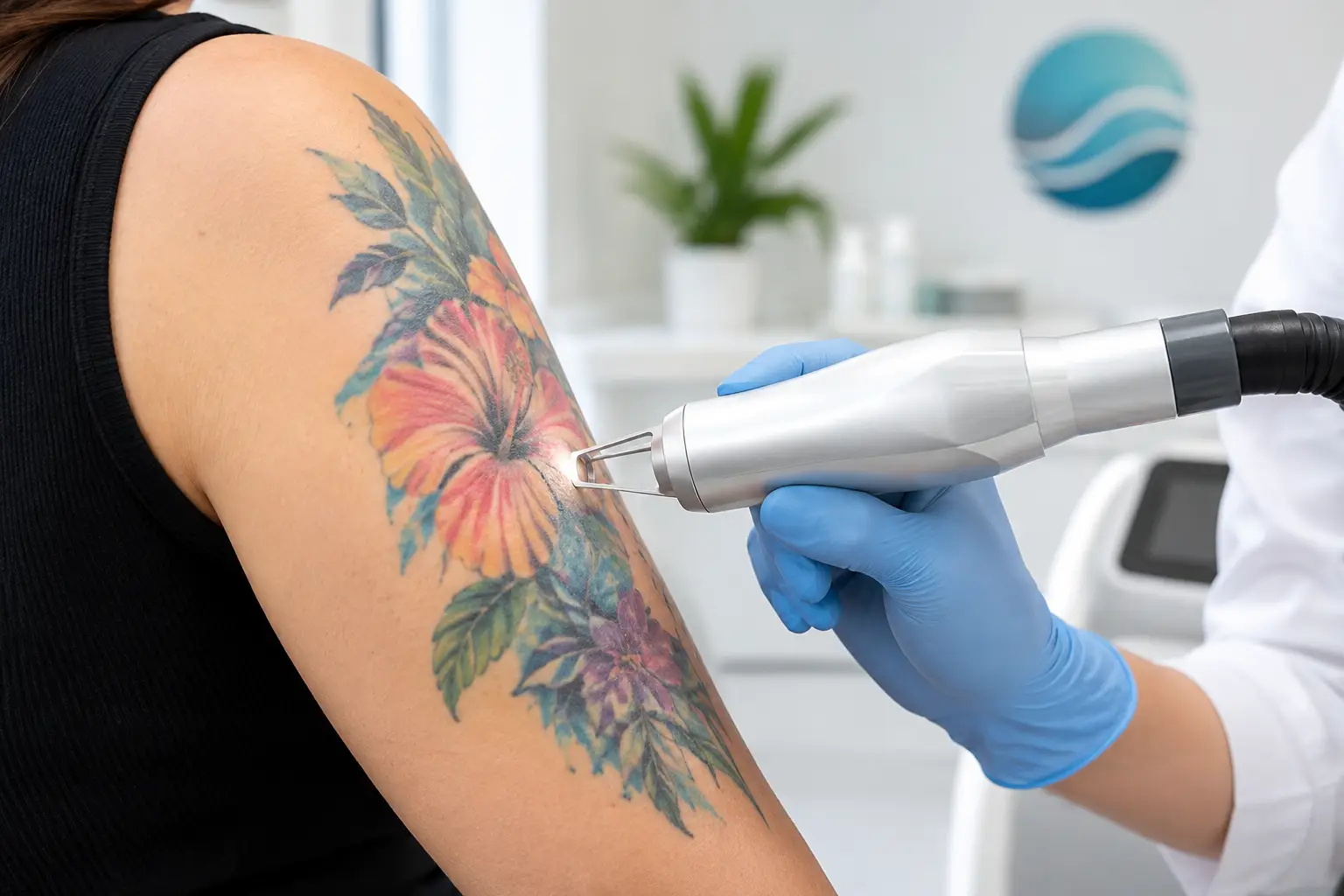
Treatment that targets muscle movement may be considered when lines are created by repeated expressions, such as frowning, squinting or smiling. Volume-supporting treatments may be discussed where there has been a change in contour, facial proportion or fullness. Sometimes the most suitable recommendation is neither of these. Skin concerns may respond better to a professional peel, laser rejuvenation or a treatment plan focused on skin quality first.
This is why a proper assessment matters. A careful practitioner will not treat every line as a line that needs injecting. They will consider facial movement, symmetry, skin condition, medical history and the result you hope to achieve.
Choose qualifications and clinical standards over convenience
A cosmetic injectable appointment should never feel like an add-on to a rushed beauty service. Ask who will perform the treatment, what relevant training and experience they have, and how they assess suitability. You should feel comfortable asking questions and receiving clear, respectful answers.
A professional provider will take a health history, discuss any medications or previous treatments, explain potential side effects and outline what to do if you have concerns afterwards. They should also be willing to tell you when treatment is not appropriate, or when waiting is the better choice.
For clients on the Sunshine Coast, a nurse-led consultation can provide the time and guidance needed to make a decision without pressure. At Coastal Skin Clinic, the focus is on helping clients understand their options and feel supported throughout their treatment journey.
Be cautious of offers that make the decision feel urgent. Limited-time promotions, heavily edited before-and-after photos and pressure to add extra areas can distract from the questions that matter most: Is this appropriate for me? Who is carrying out my treatment? What result is realistically achievable?
What a thoughtful consultation should include
A consultation is more than a quick look in the mirror. It is where a safe, tailored treatment plan begins. Your practitioner should listen to what you want, assess the relevant area in person and explain whether injectables are likely to help.
They should also discuss the practical side of treatment. This includes what you may feel during the appointment, likely downtime, when changes may become noticeable and how long the effect may last. Results vary from person to person, so careful language matters. No ethical practitioner can guarantee that your outcome will match somebody else’s.
It is also reasonable to ask about risks. Temporary redness, swelling, tenderness or bruising can occur, and some treatments carry other potential complications that need to be explained in the context of your individual circumstances. You should leave knowing what is normal, what requires a call to the clinic and how to access appropriate follow-up care.
A good consultation should feel calm, not sales-driven. If you need time to think about it, take it. Feeling confident in the decision is more valuable than booking on the spot.
How to choose cosmetic injectables for natural-looking results
Natural results are often the goal, but “natural” means different things to different people. For one client, it may mean maintaining full expression while softening a particular concern. For another, it may mean a subtle refinement that friends notice only as a rested, healthy appearance.
Be specific about how much change feels right for you. Tell your practitioner if you are new to injectables, nervous about looking overdone or hoping for a gradual approach. Starting conservatively can be a sensible option, particularly for first-time clients. It allows you to see how you feel about the change before considering further treatment.
Your practitioner should consider your face in motion, not just at rest. Expressions are part of who you are. The aim should be proportion, balance and a result that makes sense for your individual features rather than a one-size-fits-all look.
Look beyond the treatment day
The decision does not end when you leave the clinic. Ask about aftercare before your appointment so you can plan around work, social events, exercise and other skin treatments. If you have a major occasion coming up, allow enough time for the treatment to settle and for any temporary swelling or bruising to resolve.
It is also helpful to consider how cosmetic injectables fit into your broader skin goals. Good skin care, sun protection and treatments that support texture, pigmentation or collagen can complement injectable treatments, depending on your concerns. An experienced practitioner can help you sequence treatments sensibly rather than trying to do everything at once.
Maintenance is another factor. Injectable results are not permanent, and the right review timing varies with the treatment, area and individual response. A clinic that takes long-term care seriously will encourage reviews based on your needs, not a fixed schedule that may not suit you.
Questions worth asking before you book
If you are unsure where to begin, write down your questions before the consultation. Ask what treatment is being recommended and why it suits your concerns. Ask who will perform it, what experience they have, the possible risks and side effects, what aftercare involves and what to do if something does not feel right.
You can also ask to see relevant, unedited examples of results where appropriate. Before-and-after images should help you understand a practitioner’s style, but they should not become a promise of your result. Lighting, facial movement, skin quality and starting point all influence what is achievable.
Most importantly, pay attention to how you are treated. You should feel heard, never judged, and never pushed towards more treatment than you want. Cosmetic injectables can be a considered choice for enhancing confidence, but the right provider will make your wellbeing the priority from the first conversation.
The most reassuring decision is usually the one made slowly: choose a qualified practitioner, share your goals honestly and give yourself permission to ask every question you need answered.