A peel should not be a one-size-fits-all treatment or leave you wondering whether your skin is reacting normally. Professional facial peels are selected around what your skin needs now, whether that is brighter tone, smoother texture, fewer congested areas or support for visible signs of ageing. The right approach is measured, personalised and supported with clear aftercare.
At Coastal Skin Clinic, the focus is on helping you make an informed choice. Your skin history, current routine, lifestyle and treatment goals all matter when deciding whether a peel is suitable and which strength will deliver the best outcome.
What facial peels can treat
Facial peels use carefully selected active ingredients to encourage controlled exfoliation. This process helps remove dull surface cells and supports the skin’s natural renewal cycle. Depending on the formulation and depth, a peel may improve the appearance of uneven texture, congestion, post-breakout marks, pigmentation, fine lines and general dullness.
For some clients, the goal is a fresh, refined glow before an event. For others, a series of treatments is part of a longer skin-correction plan. These are different goals, and they often call for different peel choices. A gentle peel can be an excellent option for maintenance, while more intensive professional treatments may be considered when concerns are more established.
It is also worth being realistic about what a peel can do. Facial peels can noticeably improve the look and feel of skin, but they are not designed to change facial structure or erase every concern in one appointment. Consistency, appropriate home care and sun protection all influence the result.
Choosing facial peels for your skin concerns
The best peel is not necessarily the strongest one. Your practitioner will consider your skin type, sensitivity, pigmentation history, active breakouts, previous treatments and the products you use at home. This helps reduce unnecessary irritation while selecting a treatment that is appropriate for your goals.
Dullness and rough texture
When skin looks tired or feels uneven, superficial exfoliating peels can help lift the build-up of dead skin cells that often makes complexion appear less luminous. These treatments are commonly chosen by clients who want smoother makeup application, a clearer-looking complexion and a refreshed feel without significant downtime.
Congestion and breakouts
Certain peel formulations can help manage excess oil, blocked pores and the surface build-up associated with breakouts. However, active and inflamed acne needs a thoughtful approach. Picking at the skin, using harsh scrubs or adding multiple strong products at once can make irritation worse. Your practitioner may recommend a gradual treatment plan alongside a simplified home routine.
Pigmentation and uneven tone
Sun exposure, hormonal changes and previous inflammation can all contribute to uneven pigmentation. Peels may help improve the appearance of discolouration by supporting cell turnover, but pigmentation is rarely a quick fix. It can also be reactive, particularly when skin is over-treated or exposed to UV without protection.
For Sunshine Coast clients, daily sun protection is especially important. A professional peel plan should always account for your time outdoors, whether you are at the beach, on the sports field or simply spending more time in the car during the day.
Fine lines and visible ageing
As skin renewal slows, it can begin to look less even and lose some of its smoothness. A tailored peel may improve surface texture and brightness, helping skin look more refreshed. Depending on your concerns, it may also be combined with other professionally selected rejuvenation treatments as part of a broader plan.
What happens at a professional peel appointment?
A professional appointment starts well before the peel is applied. Your practitioner should ask about your skin concerns, sensitivities, allergies, current skincare, recent procedures and relevant health history. Be open about products containing active ingredients, recent waxing or hair removal, and any tendency towards cold sores or post-inflammatory pigmentation. These details help guide safe treatment decisions.
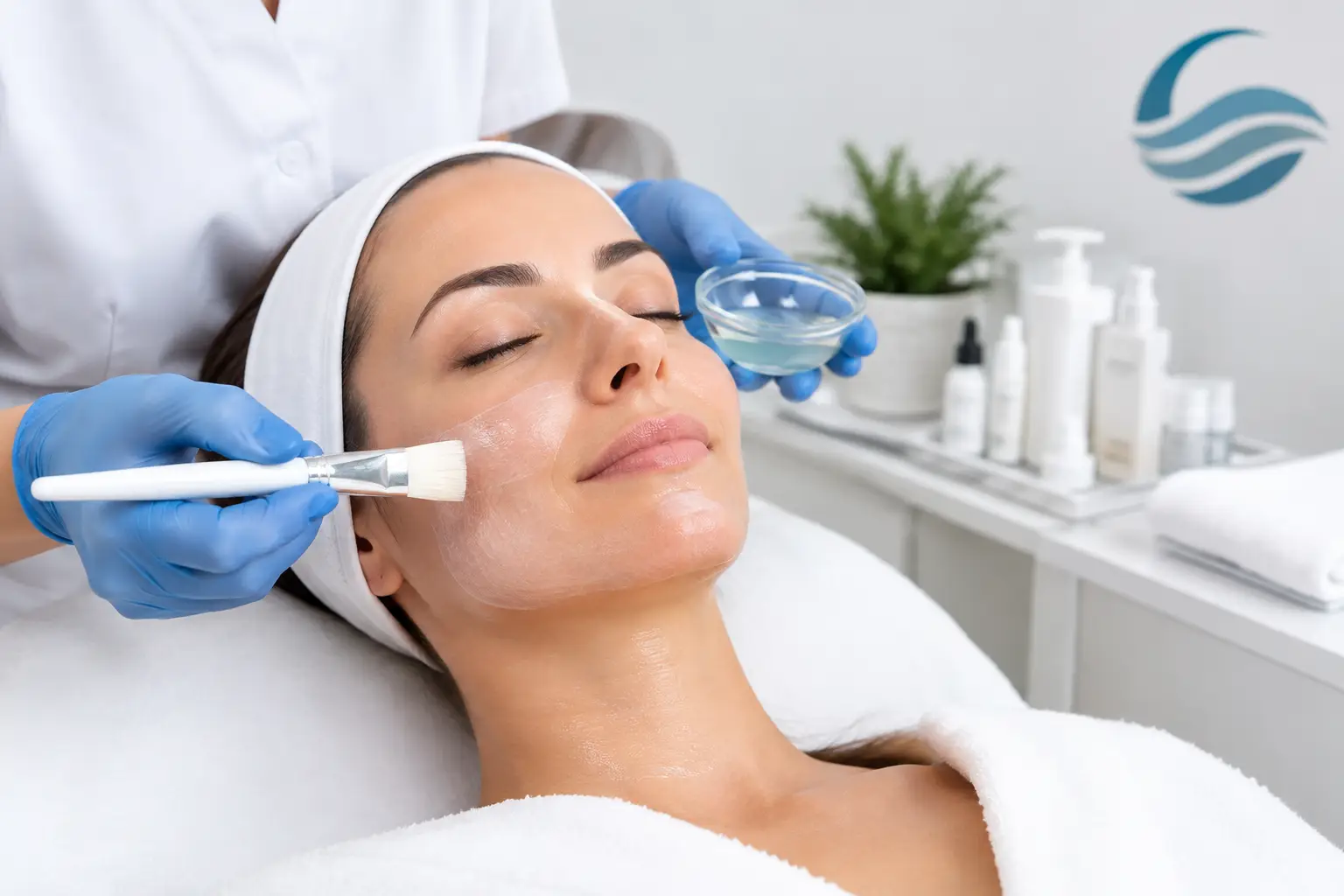
Your skin is cleansed and assessed before the peel is applied for a carefully controlled period. You may feel warmth, tingling or a mild prickling sensation, depending on the treatment. Your practitioner monitors your skin throughout and will advise what is normal for your specific peel.
Afterwards, your skin may look slightly pink or feel tight. Some peels create little to no visible shedding, while others can lead to light flaking over the following days. Visible peeling is not a measure of success. In many cases, a comfortable, low-downtime treatment series is the more sensible path to gradual improvement.
Aftercare is part of the treatment
The days after a peel are when your skin needs calm, consistent care. Avoid the temptation to scrub, pick or peel away any flaking skin. This can lead to irritation and may interfere with healing.
Your practitioner will provide aftercare suited to your treatment, but the basics usually include gentle cleansing, moisturising as advised and diligent daily sun protection. It is often necessary to pause exfoliants and other active skincare ingredients for a period of time. Do not restart strong products simply because your skin feels normal after a day or two – follow the plan provided for you.
It is also sensible to avoid excessive heat, strenuous exercise, saunas and prolonged sun exposure immediately after some peel treatments. If your skin develops unexpected discomfort, significant swelling or a reaction that concerns you, contact the clinic for advice rather than trying to correct it with new products at home.
How often should you have a peel?
There is no universal schedule. Some people benefit from occasional peels to maintain brightness and clarity, while others choose a series spaced over several weeks to work towards a particular concern. The correct interval depends on the type of peel, your skin’s response and whether you are combining it with other treatments.
Good treatment planning leaves room for your skin to respond. Chasing faster results by having treatments too frequently can compromise the skin barrier and create setbacks. A practitioner-led plan allows changes to be made as your skin improves, the seasons change or your priorities shift.
When a consultation matters most
If you are new to professional skin treatments, feeling unsure about your sensitivity or dealing with persistent pigmentation, breakouts or redness, a consultation is the right place to start. It gives you the opportunity to discuss what has and has not worked before, ask practical questions about downtime and understand the level of commitment involved.
Facial peels work best when they are chosen with care, not booked on impulse. A personalised assessment can help you feel confident that your treatment is appropriate for your skin, your routine and the results you hope to see.