If your skin texture has started to feel rougher, fine lines are sitting a little deeper, or old acne scarring is harder to ignore, CO2 laser skin resurfacing is often one of the treatments people ask about when they want a stronger reset. It is not a quick beauty trend or a one-size-fits-all facial. It is an advanced skin treatment designed to improve texture, tone and visible signs of skin damage in a more significant way than many lighter resurfacing options.
For the right person, it can produce excellent results. But it also comes with real downtime, a proper healing period and the need for expert assessment. That is why the conversation should never start with price alone. It should start with whether your skin, goals and lifestyle make you a suitable candidate.
What CO2 laser skin resurfacing actually does
CO2 laser treatment works by creating controlled injury in the skin. That sounds confronting, but in skilled hands, it is exactly the point. The laser removes damaged surface layers while heating deeper tissue to stimulate collagen remodelling. As the skin heals, it can become smoother, firmer and more even in appearance.
This makes it a popular option for concerns such as acne scarring, sun damage, fine lines, crepey texture and uneven skin tone. Some clients also ask about it for enlarged pores or skin that simply looks tired and weathered.
The important detail is that CO2 resurfacing is generally a higher-intensity treatment. Compared with gentler laser or exfoliating options, it usually asks more from the skin during recovery. In return, it can deliver more noticeable improvement.
Who it tends to suit best
The best candidates are usually people who want visible correction rather than a light refresh. If you have textural concerns that are difficult to improve with facials, peels or lower-level rejuvenation treatments, this may be worth discussing.
That said, suitability depends on more than the concern itself. Your skin type, pigment history, medical background, active skincare, sun exposure and healing response all matter. If you are prone to post-inflammatory pigmentation, have certain medical conditions, are using contraindicated products, or cannot commit to careful aftercare, a different approach may be safer.
This is where personalised guidance matters. Two people can both have acne scarring, but one may be a strong candidate for CO2 laser resurfacing while the other is better suited to a staged treatment plan using alternative modalities.
It is not always the first treatment to try
There is a common assumption that the strongest treatment must be the best one. In practice, that is not always true. Some skin concerns respond well to a series of milder treatments with less downtime. Others need skin preparation first, especially if the barrier is impaired or the skin is reactive.
A careful consultation helps decide whether you need aggressive resurfacing, a gradual correction plan, or a combination of treatments over time.
What the treatment process usually involves
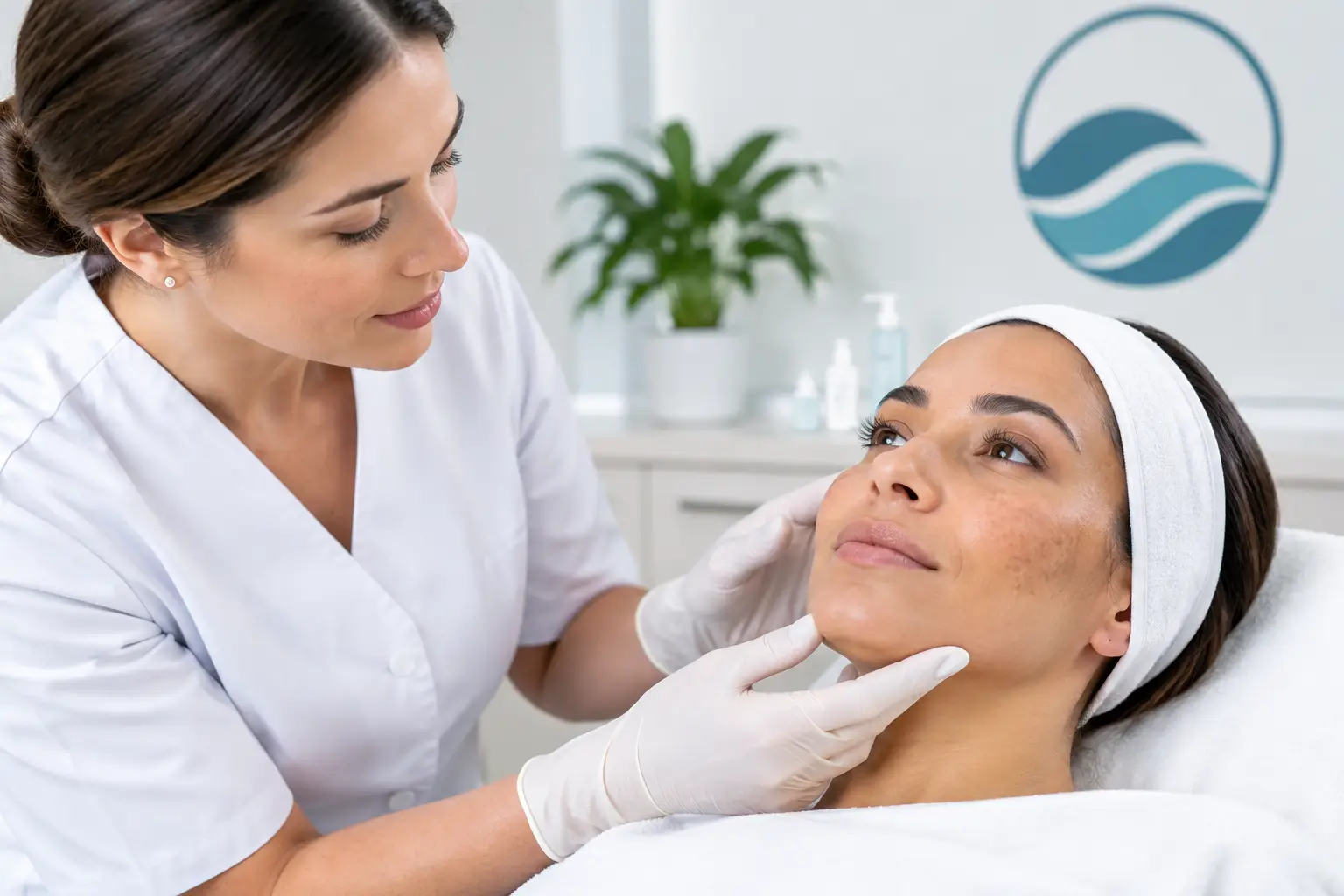
The first step should always be a proper consultation. Your clinician will assess your skin, discuss your goals, review your history and explain likely outcomes. This is also the time to talk honestly about downtime. Many people focus on the result and underestimate the recovery.
Before treatment, you may be given pre-care instructions. These can include avoiding active skincare, excessive sun exposure and anything else that may increase irritation or affect healing. Depending on your skin and treatment plan, preparation may vary.
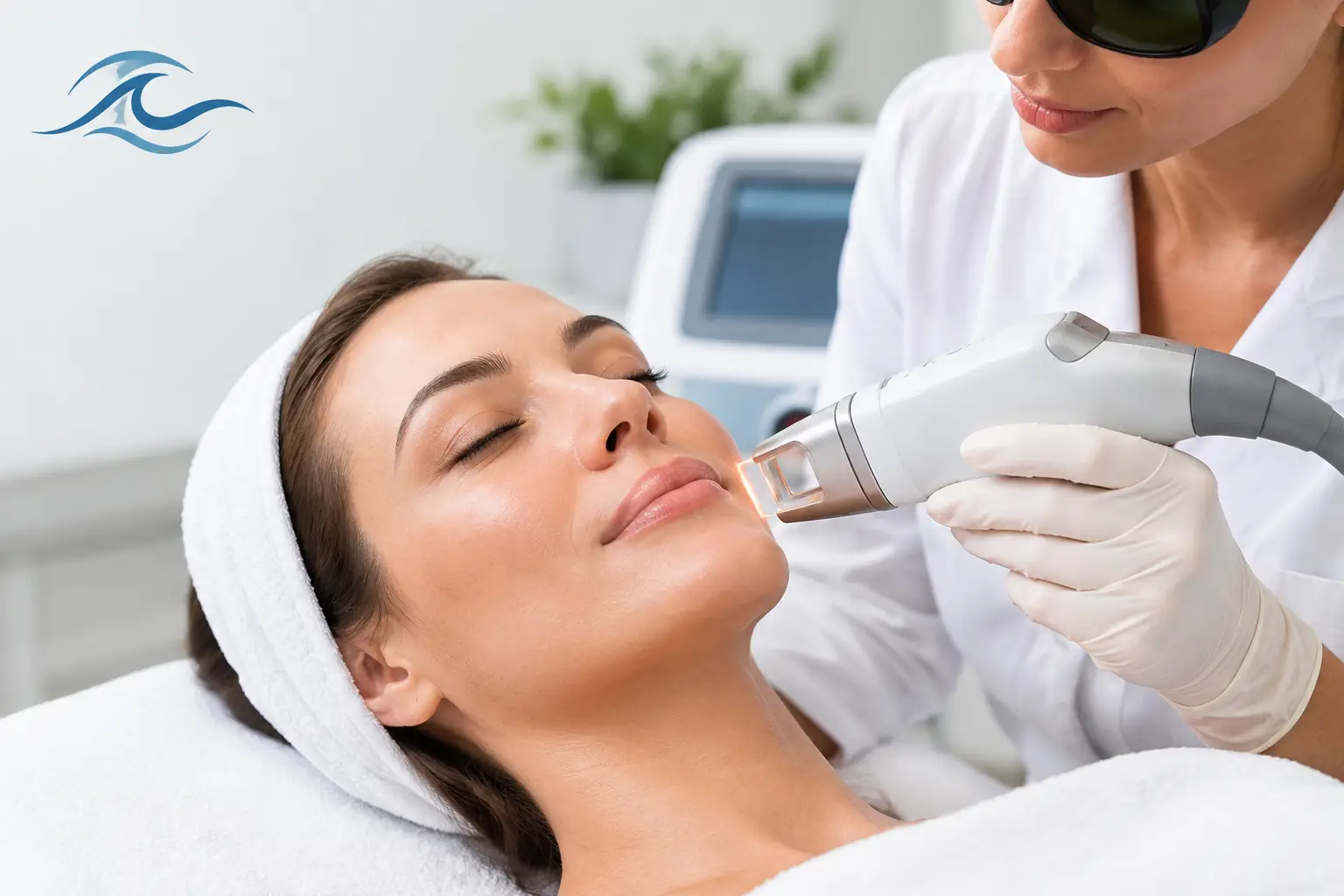
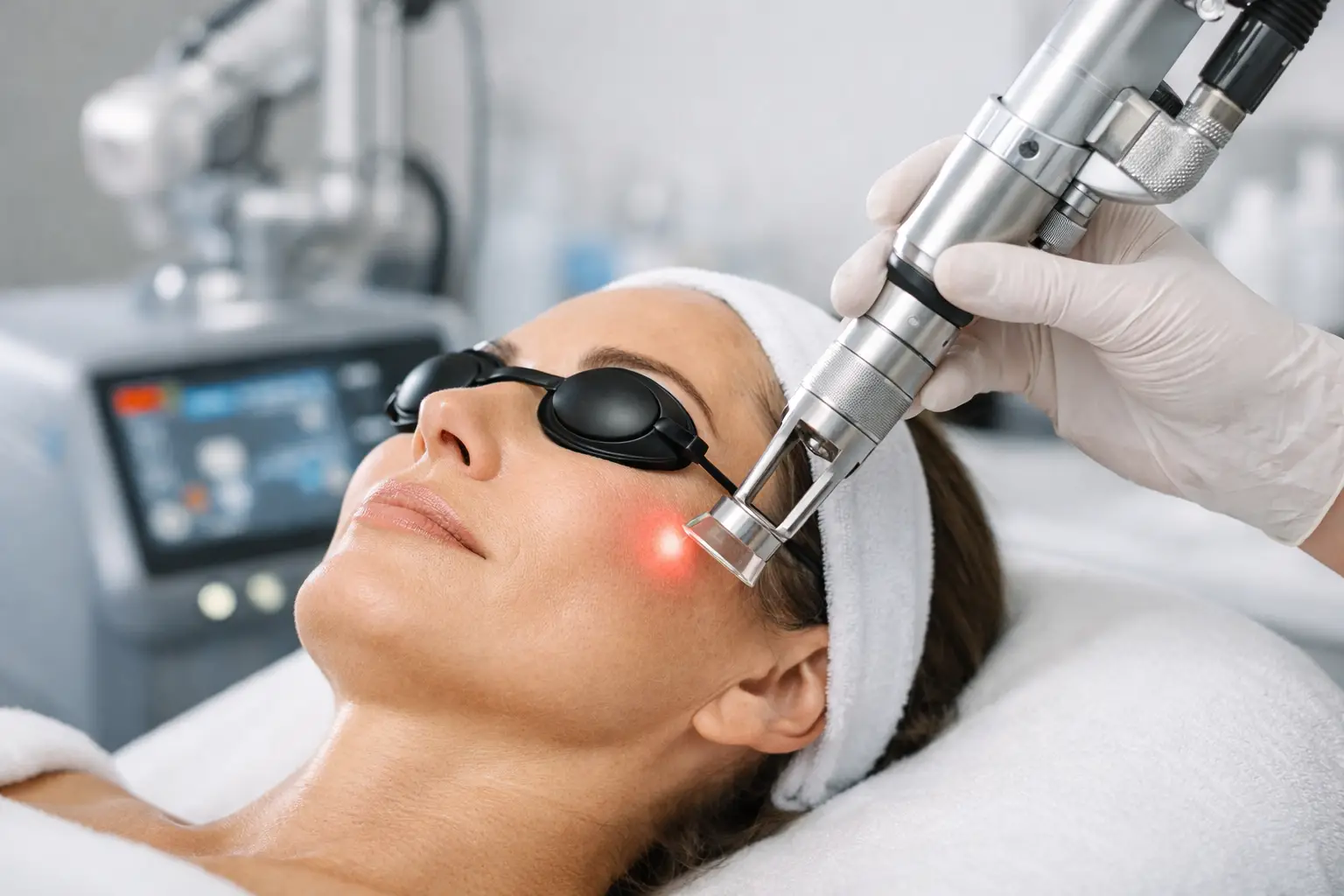
During the procedure, a topical numbing agent is often used to improve comfort. Treatment sensation differs from person to person, but most people describe it as intense heat with a prickling or burning feeling. The level of discomfort depends on the settings used and the area being treated.
Afterwards, the skin usually feels hot, tight and quite sensitive. Redness, swelling and a raw sunburn-like appearance are common in the early stage. Over the following days, the skin begins to dry, darken and shed as healing progresses.
Downtime after CO2 laser skin resurfacing
Downtime is one of the biggest factors in deciding whether this treatment is right for you. If you need to be back at work, at events or in full social mode immediately, this may not be ideal timing.
Recovery varies based on treatment depth, treatment area and individual healing, but most people should expect a period where the skin looks obviously treated. Redness can persist beyond the initial recovery window, and full skin settling takes longer than many first-time clients expect.
You will also need to be disciplined with aftercare. That usually means gentle cleansing, keeping the skin supported as it heals, avoiding picking or friction, and being very careful with sun exposure. This is not the time to experiment with strong actives or return too quickly to your usual products.
Healing well matters as much as the treatment itself
A strong treatment can only do so much if aftercare is poor. Healing skin is vulnerable. Picking at flaking skin, getting too much sun or using the wrong products too soon can affect both comfort and final results.
This is one reason medically guided treatment is so important. Clear aftercare advice, realistic timeframes and professional follow-up can make a meaningful difference to your overall experience.
What results can you realistically expect?
Good CO2 laser treatment can improve skin smoothness, soften lines, reduce visible textural irregularities and give the skin a fresher, more refined appearance. For some clients, the change is significant enough to improve confidence without the need for ongoing camouflage with makeup.
But realistic expectations matter. Deep scars may soften rather than disappear. Advanced skin ageing may improve without making the skin look twenty years younger. Pigment changes can respond differently depending on the underlying cause. Results are often excellent, but they are still shaped by your starting point.
Some clients need one major treatment. Others benefit from a series or from combining resurfacing with other skin treatments over time. Maintenance may also be recommended, especially if ongoing sun damage or natural ageing is part of the picture.
Risks, trade-offs and why consultation matters
Any treatment powerful enough to create visible change comes with potential risks. With CO2 laser resurfacing, these can include prolonged redness, infection, delayed healing, irritation, milia, acne flare, pigment changes and scarring in rare cases. The risk profile depends on treatment settings, skin selection, aftercare and practitioner experience.
That should not be alarming, but it should be taken seriously. The safest path is not choosing the strongest treatment available. It is choosing the right treatment for your skin, delivered by a qualified professional who understands assessment, settings, skin response and recovery.
For clients in the Sunshine Coast area, this is often where an in-clinic consultation adds the most value. Looking at your skin in person, rather than guessing from social media before-and-afters, gives a far more reliable starting point.
Questions worth asking before you book
At Coastal Skin Clinic, we believe every client deserves clear, honest information before starting any treatment.
If you are considering CO2 laser skin resurfacing, it’s important to understand what your personalised treatment journey may look like. During your consultation, we will talk through the likely downtime, the level of improvement you can realistically expect, how many sessions may be required, and what your pre- and post-treatment care will involve.
We also believe in recommending what is genuinely best for your skin. That means discussing alternative treatments if they may better suit your skin type, lifestyle, budget, or comfort with downtime.
Our approach is simple — we don’t oversell treatments. Instead, we take the time to explain where CO2 laser performs beautifully, where it has limitations, and when another option may be the better choice for achieving your goals..
Why the right clinic experience matters
Advanced skin treatments can feel intimidating, especially if it is your first laser procedure. Clinical skill matters, but so does the way you are guided through the process. You want clear answers, honest advice and a treatment plan built around your skin rather than a generic package.
At Coastal Skin Clinic, that approach matters because skin correction is not only about the treatment itself. It is about feeling informed, safe and supported from consultation through to healing. When a clinic balances professional standards with genuine care, clients tend to make better decisions and feel more confident in them.
If CO2 laser skin resurfacing has been on your mind, the best next step is not to self-diagnose from photos online. It is to have your skin assessed properly, ask the questions that matter and choose a plan that fits both your goals and your real life.