A lot of people come in thinking they need one specific treatment, when what they really need is a clearer plan. That is often the real question behind cosmetic injectables vs skin treatments – not which one is better overall, but which one is better for your concern, your skin, and the result you want to see in the mirror.
If you are trying to soften lines, improve skin texture, restore volume, reduce pigmentation or simply look fresher, it helps to know that injectables and skin treatments do very different jobs. They can both be effective, but they are not interchangeable. Choosing well starts with understanding what each category is designed to treat.
Cosmetic injectables vs skin treatments – what is the difference?
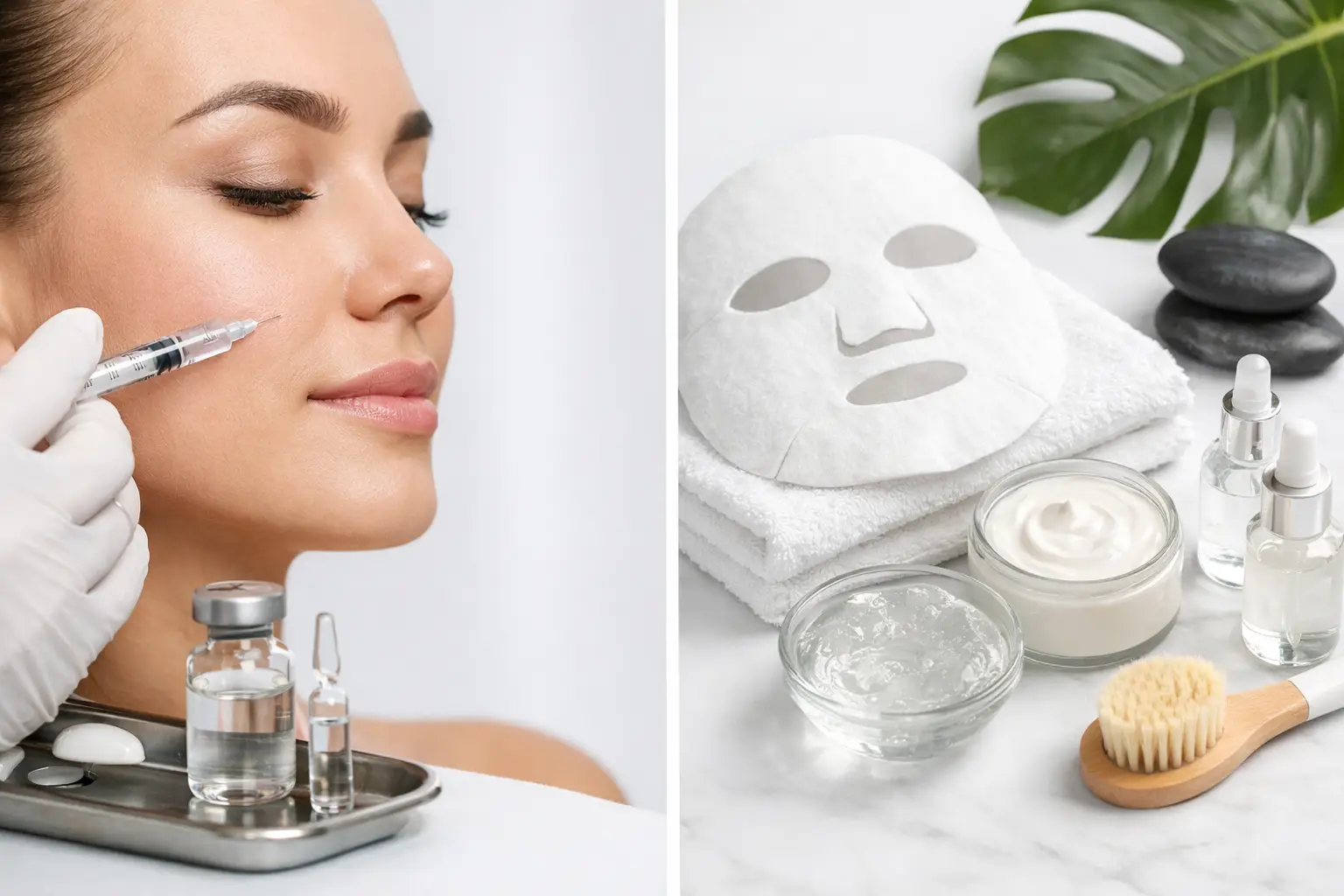
Cosmetic injectables work beneath the skin to address movement, volume or facial structure. Depending on the treatment, they may relax targeted muscles, restore lost volume or refine certain features. They are often chosen when concerns are linked to expression lines, hollowness or age-related volume loss.
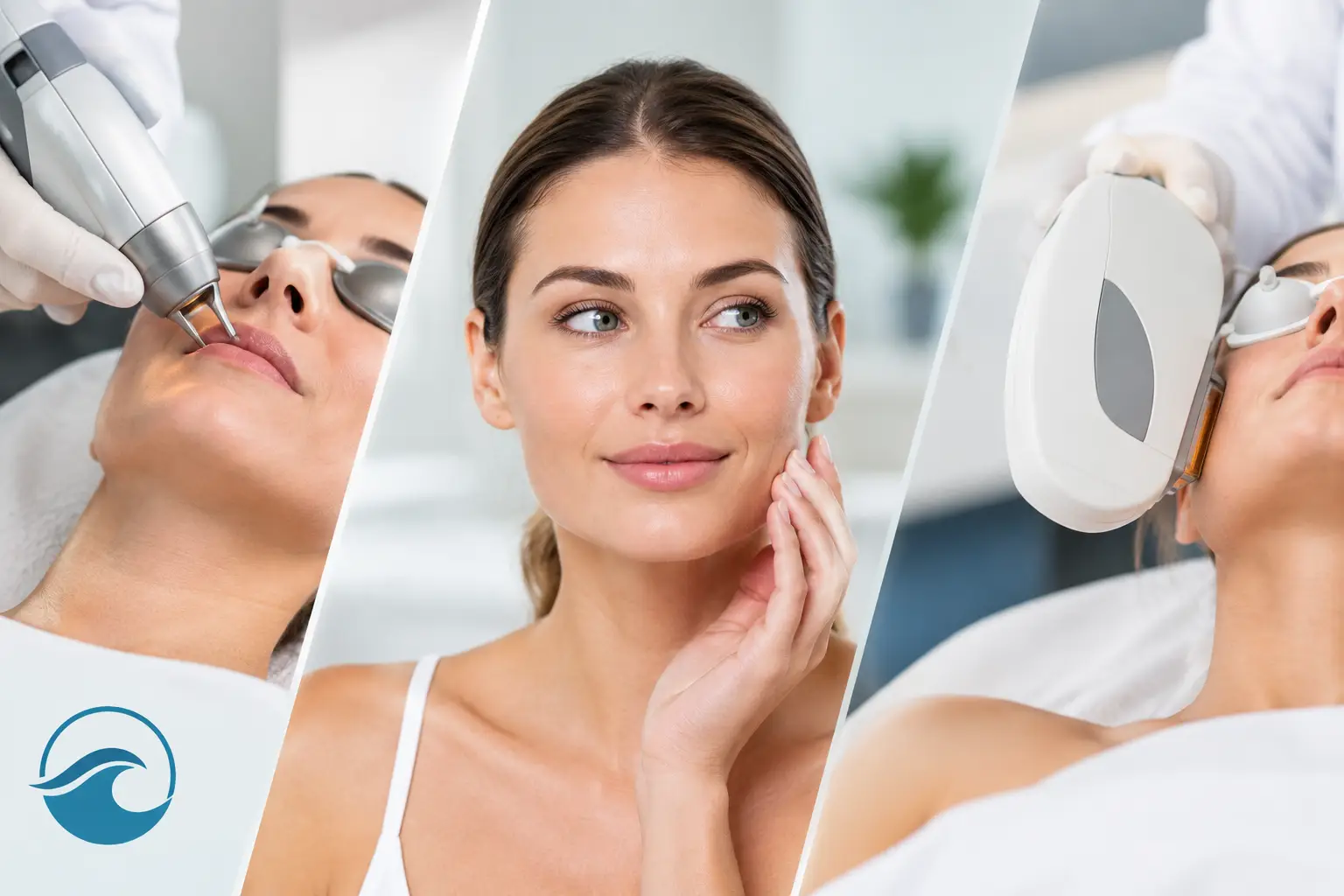
Skin treatments, on the other hand, focus on the skin itself. They aim to improve tone, texture, clarity and overall skin quality. This can include concerns such as sun damage, pigmentation, acne scarring, roughness, enlarged pores, redness or dullness. Treatments may involve lasers, IPL, peels, facials or microdermabrasion, depending on what needs to be corrected.
That distinction matters. If your main concern is forehead lines caused by repeated facial movement, a skin peel will not give you the same result as an injectable treatment. If your concern is uneven texture or pigmentation, injectables will not correct the skin surface. The right treatment depends on what is causing the issue in the first place.
When injectables make sense
Injectables are usually best when the concern is structural or dynamic. Dynamic lines are the lines created by repeated movement – for example frown lines, crow’s feet or forehead lines. Volume-related concerns might include flattening through the cheeks, a less defined profile or an overall tired appearance that comes with facial volume loss over time.
For the right person, injectables can create noticeable improvement relatively quickly. Many clients like that they can target a specific issue without the downtime often associated with more intensive resurfacing treatments. Results can look very natural when treatment is conservative and well planned.
Still, injectables are not a fix for everything. They will not improve acne scarring, reduce sunspots, smooth rough texture or treat capillaries and redness. They also require good judgement. More product is not always better, and not every face benefits from the same approach. A personalised plan matters because facial anatomy, skin quality and ageing patterns vary significantly from one person to the next.
When skin treatments are the better choice
If your skin concern is visible on the surface, skin treatments are often the more appropriate option. This includes pigmentation, sun damage, acne marks, uneven texture, fine surface lines, congestion and dullness. In these cases, the goal is to improve the condition and behaviour of the skin rather than change movement or volume.
This is where treatment selection becomes more nuanced. Laser rejuvenation may be suitable for deeper correction and texture refinement. IPL can be helpful for certain pigment and vascular concerns. Medical-grade peels can improve clarity and support skin renewal. Microdermabrasion and facials may be useful for maintenance or for clients wanting a gentler starting point.
The trade-off is that skin treatments often work as a series rather than a one-off appointment. Results can be excellent, but they usually build over time. Some treatments also involve downtime, temporary redness or peeling. For many clients, that is well worth it because they are improving the actual quality of the skin rather than masking the issue.
The most common mistake – treating the symptom, not the cause
One of the biggest reasons people feel disappointed with aesthetic treatment is that they choose based on what sounds popular rather than what their skin actually needs. A tired-looking face might be caused by volume loss, poor skin quality, dehydration, pigmentation, stress or a combination of several factors. If only one piece is treated, the result may feel underwhelming.
For example, a client may focus on fine lines around the mouth and assume injectables are the answer. But if the skin in that area is also sun damaged and crepey, improving skin quality may be just as important. Another client may be frustrated by looking older and book skin resurfacing, when the real issue is loss of support through the mid-face.
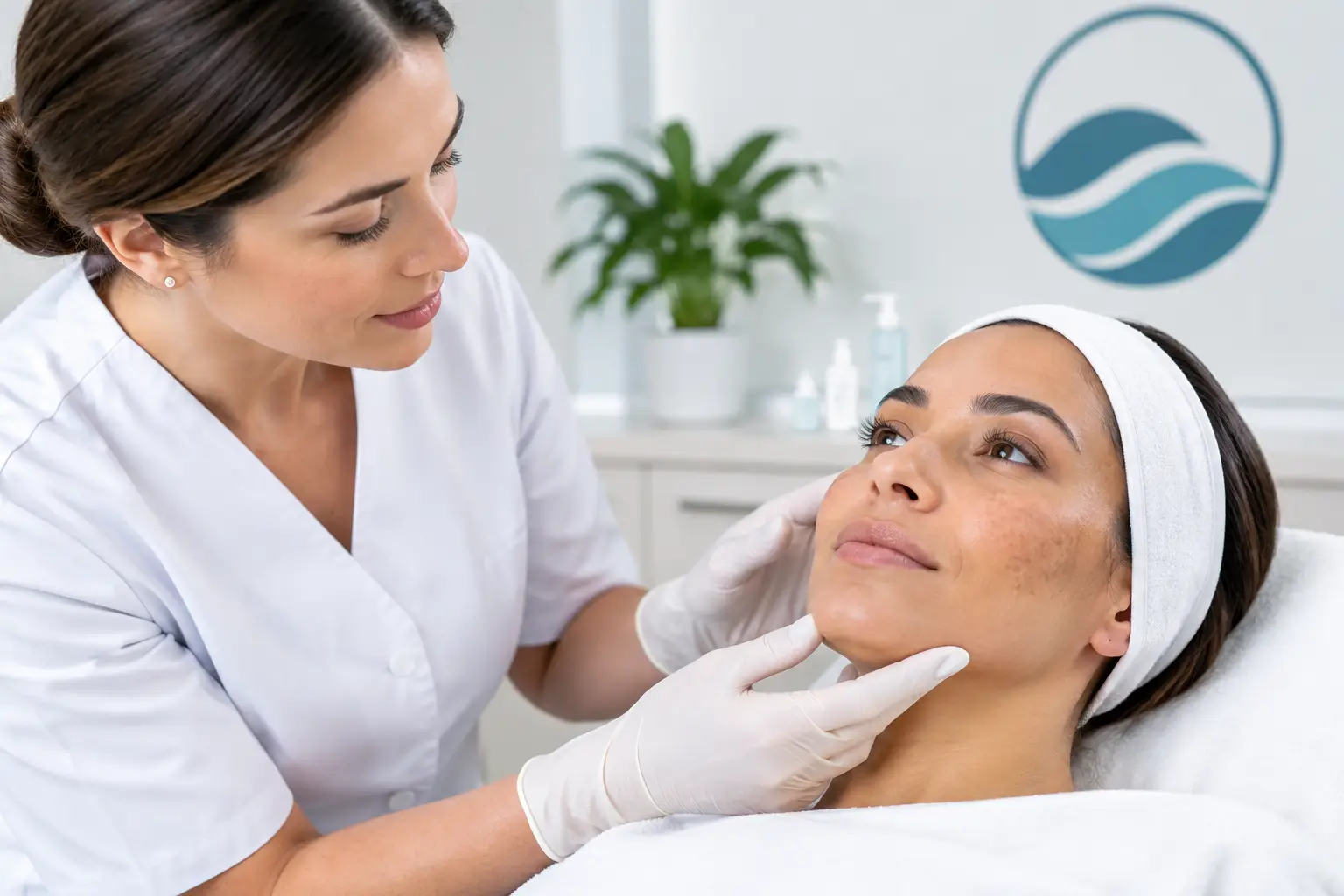
This is why proper assessment matters so much. Good treatment planning is less about selling a category and more about identifying what will genuinely move the needle.
Cosmetic injectables vs skin treatments for ageing concerns
Ageing rarely shows up in just one way. Most people notice a mix of changes – lines from repeated expression, slower cell turnover, changes in pigment, reduced elasticity and gradual volume loss. That is why the answer to cosmetic injectables vs skin treatments is often not either-or.
If you want to soften expression lines, injectables may be the stronger option. If you want brighter, smoother, healthier-looking skin, a skin treatment plan is often more effective. If you want a fresher overall result, combining both may make the most sense.
Combination treatment can be especially useful because it addresses different layers of the concern. Injectables can help reduce the muscular or structural signs of ageing, while skin treatments improve the canvas itself. When used appropriately, that can lead to a result that looks balanced rather than overdone.
That said, not everyone needs a combined plan. Some clients are in the early stages of prevention and only want maintenance. Others want one targeted treatment with minimal downtime. Others are ready for a more corrective program. The best approach depends on your priorities, budget, lifestyle and how quickly you want to see change.
What about downtime, maintenance and cost?
This is where practical decision-making comes in. Injectables often appeal to clients who want a relatively quick appointment and visible change without significant recovery time. Maintenance is still required, but the schedule depends on the treatment and the individual.
Skin treatments vary more. Some are gentle and easy to fit into a busy routine, while others involve several days of redness, flaking or extra aftercare. Corrective skin work also tends to require consistency. One treatment can help, but a series is often what delivers stronger and longer-lasting change.
Cost should be viewed in the same realistic way. The cheapest treatment is not always the most cost-effective if it does not address the actual problem. It is often better to invest in the right treatment plan than spend money cycling through options that are not suited to your concern.
The value of a tailored plan
At a clinic level, the most responsible advice is not to push everyone towards injectables or everyone towards resurfacing. It is to match the treatment to the skin, the face and the person. That means considering your concerns, medical history, skin condition, tolerance for downtime and comfort level with cosmetic treatment.
For first-time clients, that reassurance is important. Many people are interested in aesthetic treatments but feel unsure about where to start, especially when online advice tends to oversimplify everything. For more experienced clients, a tailored plan can help avoid the common trap of repeating treatments out of habit rather than because they are still the best fit.
In a professional consultation, the conversation should feel clear and honest. You should understand what the treatment can do, what it cannot do, how long results may last and whether there is a better alternative. Safe, effective care starts with realistic expectations.
For clients on the Sunshine Coast, that kind of treatment-led guidance matters. At Coastal Skin Clinic, the goal is not just to provide a service, but to help you make a confident, informed choice based on what will genuinely suit your skin and your goals.
If you are weighing up injectables against skin treatments, the best next step is not guessing. It is getting the right assessment, so your plan reflects your face, your skin and the result you actually want.