A brow shape that suited you a few years ago can suddenly feel too dark, too warm, too blocky or simply not like you anymore. If you are weighing up eyebrow tattoo removal options, the right choice depends on more than just the pigment itself. Your skin, the type of tattoo, the colour used and the result you want all matter.
Understanding eyebrow tattoo removal options
Not all brow tattoos are created equal. Some are traditional cosmetic tattoos placed deeper in the skin. Others are microblading or machine-created cosmetic brow tattoos that may sit at a different depth and use different pigment blends. That difference affects how well a treatment works and how many sessions may be needed.
This is why a proper consultation matters. A treatment that works well for one person may not be the safest or most effective option for another. In clinic, we usually assess the pigment colour, how old the tattoo is, whether it has been touched up over time, your skin tone, and whether you want complete removal or lightening for a correction.
For many clients, the goal is not always to erase everything. Sometimes the aim is to fade an old shape enough to allow a fresher, more flattering brow tattoo to be done later. In other cases, complete removal is the better path. The best plan depends on the end result you actually want.
Laser eyebrow tattoo removal options
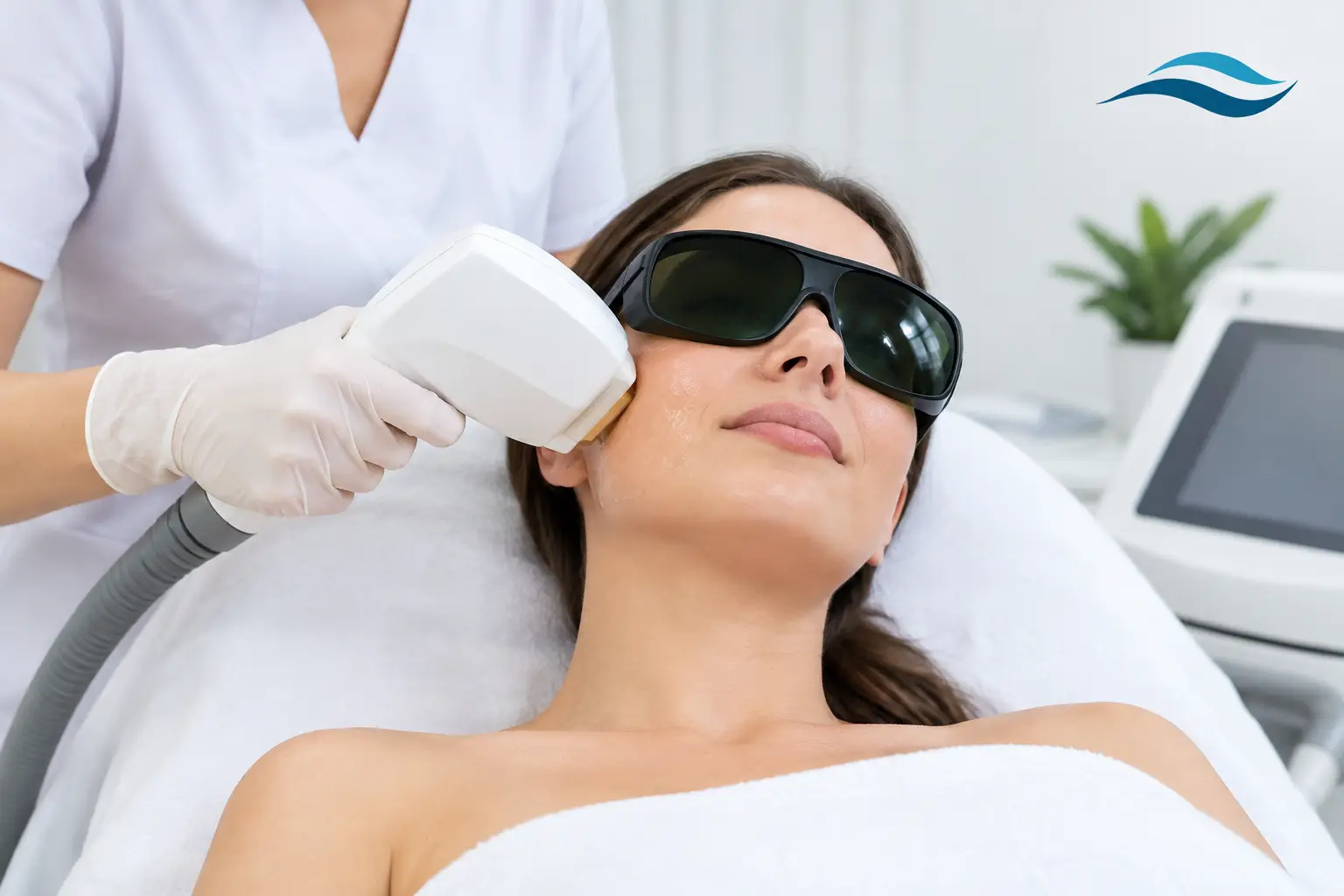
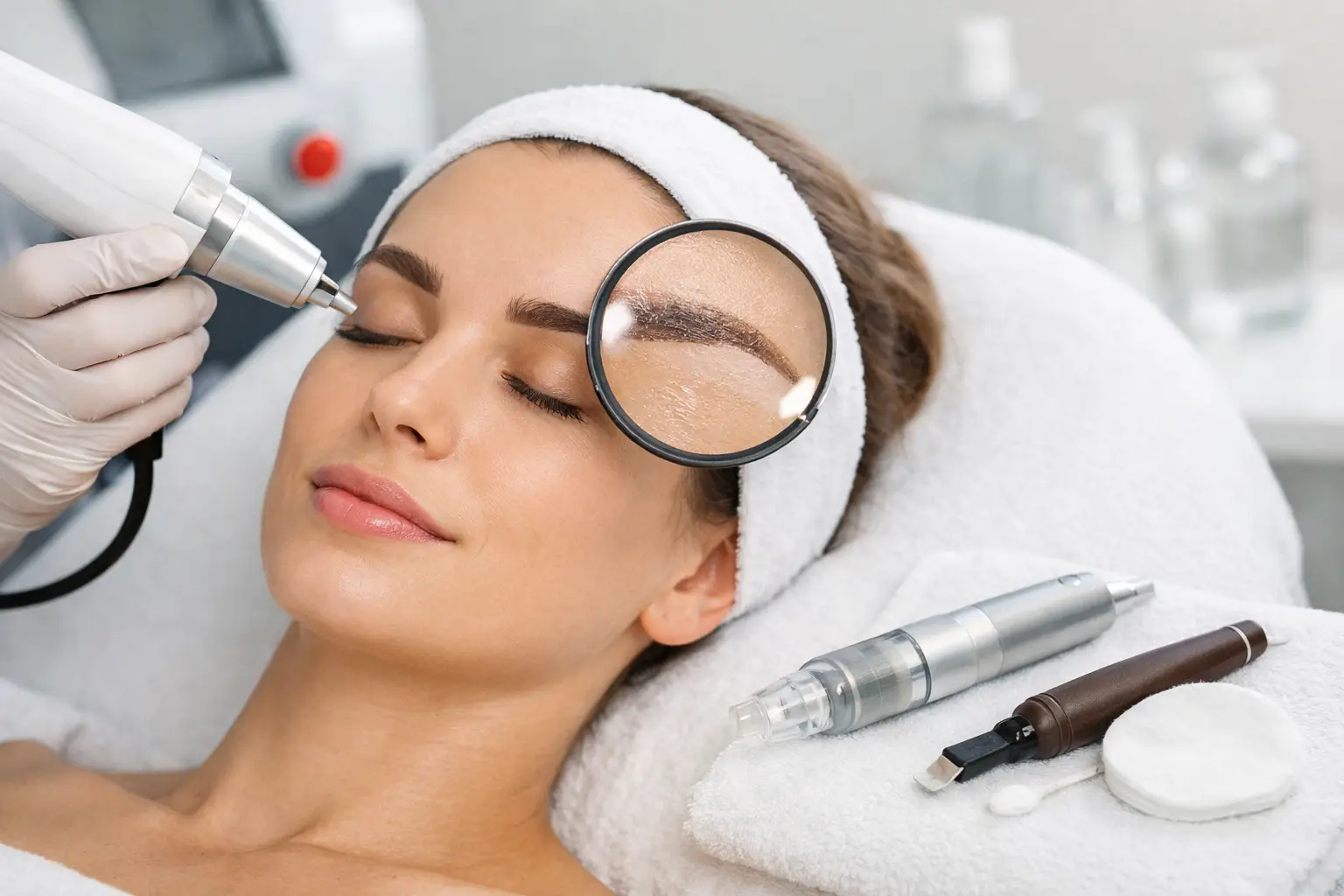
Laser is often the most effective professional option for unwanted eyebrow tattoo pigment, particularly when the goal is significant fading or full removal. It works by delivering energy into the pigment so the body can gradually break it down and clear it over time.
For cosmetic brow tattoos, laser can be very effective, but there are a few important trade-offs. Cosmetic pigments can contain a mix of colours, including white, red, orange or iron-based compounds. Some of these can respond unpredictably and may temporarily darken before they fade. That does not always mean something has gone wrong, but it does mean treatment needs to be approached carefully by an experienced provider.
Hair colour is another consideration. Brow hairs may lighten with laser exposure, especially if they are dark. For some clients this is a minor temporary issue. For others, it is a significant cosmetic concern. A good consultation should talk you through that openly rather than glossing over it.
Laser is usually the best fit when you want stronger fading, you have older pigment that has shifted tone, or previous tattoo work is layered and difficult to correct. It is less about a quick fix and more about a medically guided process. Sessions are spaced out to allow the skin to heal and the body to do its work, so patience is part of the treatment.
What affects laser results?
Several factors influence how well laser brow removal works. Darker pigments often respond differently from lighter or mixed cosmetic colours. Older tattoos may break down more easily than fresh ones, but repeated touch-ups can create dense, layered pigment that takes longer. Skin sensitivity, healing response and sun exposure also play a role.
There is also the question of skin integrity. The brow area is delicate, and if the skin has already been through repeated tattooing, aggressive treatment is not the answer. Safe treatment is usually steady treatment.
Saline removal for cosmetic brows
Saline removal is another option sometimes used for cosmetic eyebrow tattoos, especially in selected cases where laser may not be ideal. This method uses a saline-based solution introduced into the skin to help draw pigment upward as the area heals.
It can be considered for newer cosmetic tattoo work, for small areas, or when a client is dealing with certain pigment tones that make laser planning more complex. It may also be used when someone wants partial correction rather than broad fading across the whole brow.
That said, saline removal is not automatically gentler or better simply because it is not laser. It still creates a controlled wound in the skin and relies heavily on aftercare and healing quality. There can be scabbing, downtime and a risk of textural change if the skin is not treated properly. Results also vary, and multiple sessions are often needed.
For some clients, saline is a useful option. For others, it is slower, less predictable or not the best match for the brow work they have. This is where personalised advice matters most.
Can eyebrow tattoos fade on their own?
Yes, many eyebrow tattoos do fade over time, but natural fading is often uneven. Instead of disappearing cleanly, pigment may shift to ashy grey, blue, pink, orange or reddish tones. That can leave the brows looking softer, but not necessarily better.
If the tattoo is already light and you are not in a rush, waiting may be reasonable. But if the shape is wrong, the colour has changed, or you want new brow work done properly, passive fading is rarely the most practical plan. It can take years, and the final result may still need professional correction.
There are also home methods people are tempted to try, including acids, scrubs and other DIY fading products. These can irritate or damage the skin without giving meaningful pigment removal. On the face, and especially around the brows, that risk is simply not worth it.
Choosing the right eyebrow tattoo removal option
The best eyebrow tattoo removal options depend on what sits beneath the surface and what you want afterwards. If your priority is complete removal, laser may offer the strongest path. If your concern is a small correction or a particular cosmetic pigment issue, saline may be discussed. If the tattoo is already faint and not bothering you much, watchful waiting may be enough.
The key is not choosing based on trend or price alone. Cosmetic tattoo removal is a treatment area where shortcuts can create bigger problems. Over-treating the skin, rushing session timing or choosing a method that does not suit the pigment can all compromise the final result.
A careful provider will explain not just what can be done, but what should be done. That includes being honest about limitations. Some pigments lift beautifully. Others need more time, a staged plan or a realistic discussion about how much improvement is likely.
What to expect at a consultation
A good consultation should feel clear, not salesy. You should come away understanding which removal method is being recommended, why it suits your brow tattoo, how many sessions may be required, what the likely downtime is, and whether there are risks such as temporary brow hair lightening or pigment darkening.
Photos are usually helpful for tracking progress because brow tattoos can change gradually across treatments. The first session may not tell the whole story. Sometimes the biggest improvement appears after the skin has fully settled and the body has had time to process fragmented pigment.
You should also expect a conversation about your medical history, skin sensitivity and previous brow treatments. If you are planning future cosmetic tattooing, mention that early. Fading for a cover-up requires a different strategy from full removal, and that distinction matters.
Safety matters more on the face
Brows sit in one of the most visible and delicate treatment areas. That is why practitioner experience, proper equipment and realistic treatment planning matter so much. The goal is not just to remove pigment. It is to protect the skin while doing it.
This is especially important for clients who already feel self-conscious about their brows. You should not have to choose between living with unwanted pigment and taking unnecessary risks. With the right assessment, most clients can move forward in a way that feels measured, safe and reassuring.
At Coastal Skin Clinic, that usually starts with understanding the full picture rather than jumping straight into treatment. Brow tattoo removal is rarely one-size-fits-all, and clients tend to feel more confident when they know there is a clear plan built around their skin and goals.
If you are unsure which option is right, that uncertainty is normal. Brow tattoos can be emotional because they sit front and centre on your face every day. The most helpful next step is not guessing. It is getting informed advice that looks at your brows as they are now, and where you want them to go next.