
A treatment that worked beautifully for your friend may not be right for your skin. Your concerns, skin history, lifestyle, tolerance for downtime and desired outcome all matter. That is how personalised skin plans work: they replace guesswork with a considered pathway that is built around you, then reviewed as your skin responds.
For some people, the priority is fading the look of sun damage or uneven tone. For others, it is improving texture, supporting acne-prone skin, reducing unwanted hair or preparing for a special event. A good plan starts with the outcome you want, but it also takes the safest and most realistic route to get there.
How personalised skin plans work at the consultation
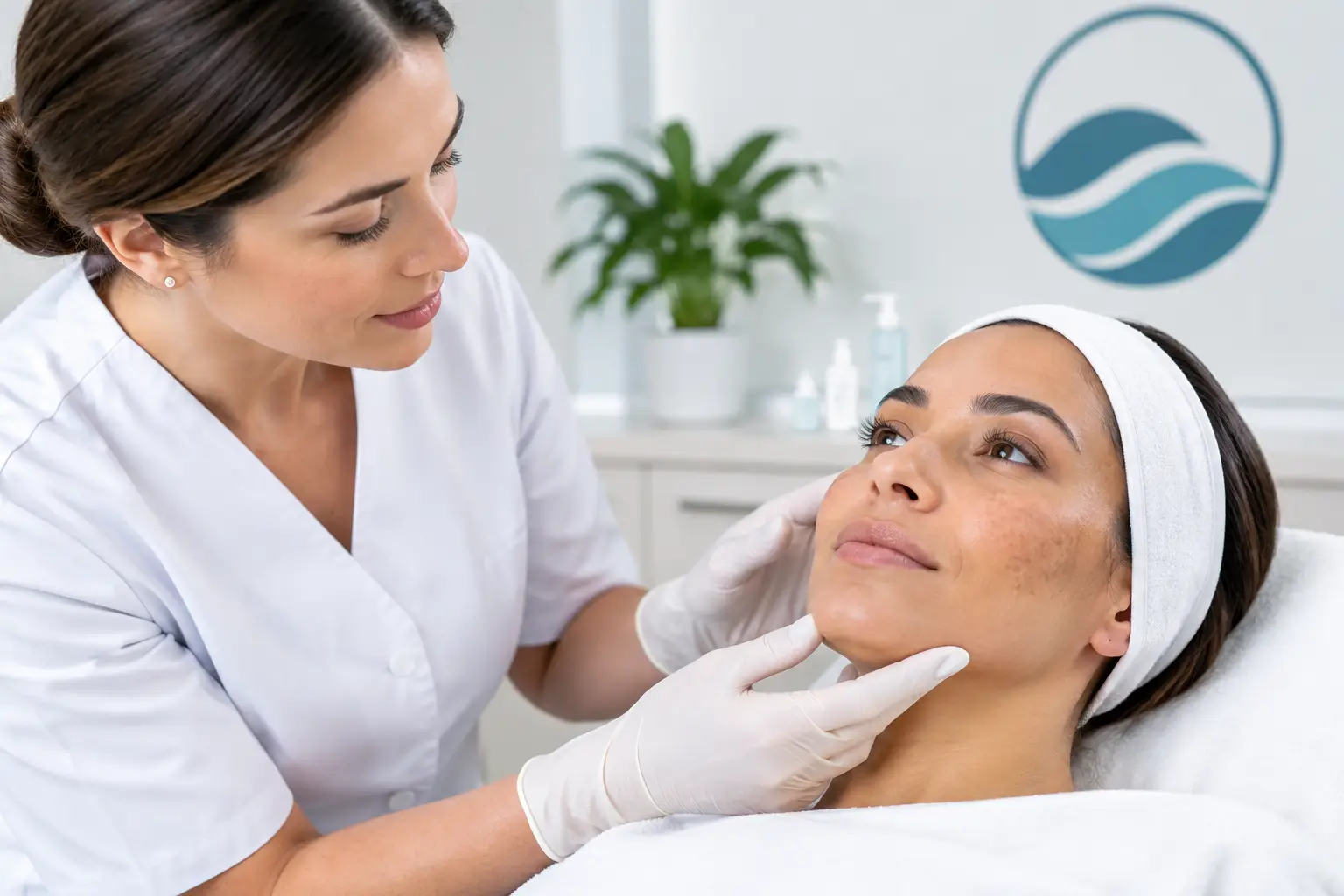
A personalised skin plan begins with a proper conversation, not a one-size-fits-all treatment menu. Your practitioner will ask what is bothering you about your skin, what you have already tried and what kind of change you are hoping to see. This includes the practical details that can influence treatment choices, such as upcoming holidays, work commitments, sun exposure, budget and how much recovery time feels manageable.
Your skin history is equally valuable. Previous treatments, regular skincare, allergies, sensitivities, active breakouts, pigmentation concerns and a history of cold sores can all affect the recommended approach. Some medications and health factors may also mean that a treatment needs to be postponed, modified or cleared with your treating health professional first.
The skin is then assessed in person. A practitioner looks at factors such as skin tone, hydration, texture, congestion, visible pigmentation, redness and the condition of the skin barrier. This assessment helps separate what you can see on the surface from what may be contributing underneath. For example, skin that looks dull may benefit from a different approach to skin that is dry, sensitised or congested.
This is also the time for open questions. You should understand what a treatment is designed to do, what it cannot promise, how it may feel and whether there is any expected redness, peeling or recovery period. Safe. Effective. Clear expectations are part of the plan.
Your goals shape the treatment pathway
A skin plan is not simply a list of treatments. It is a sequence, with each step chosen to support the next.
If your goal is brighter, smoother-looking skin, the plan may begin by strengthening your home skincare routine and addressing surface buildup before considering a professional facial, microdermabrasion, medical-grade peel or laser rejuvenation. Starting too aggressively on compromised or reactive skin can create unnecessary irritation, so preparation often leads to a better treatment experience.
For concerns such as uneven texture, the appearance of fine lines or sun-related changes, a practitioner may discuss resurfacing options such as CO2 or laser rejuvenation. These treatments can be highly effective when they are appropriate, but they are not a quick fix and they do involve planning. Your skin type, the level of correction sought, aftercare capacity and comfort with downtime will influence whether this is the right choice.
IPL hair reduction works differently again. It usually requires a course of sessions because hair grows in cycles, and only hairs in particular growth phases respond at each appointment. A plan factors in treatment spacing, sun exposure and hair and skin characteristics to support safe, consistent progress.
The same principle applies to laser tattoo removal. Ink colour, tattoo age, location, density and your individual response can affect the number and spacing of sessions. A tailored plan provides an honest picture of the process rather than making a rushed promise about the result.
Why the order of treatments matters
Skin responds best when it is treated with respect. Combining treatments without a clear strategy can increase sensitivity or disrupt recovery. A personalised plan considers what should happen first, what needs time between appointments and when to pause.
For instance, a corrective treatment may need to be followed by a period focused on gentle skincare, hydration and sun protection. If a peel, laser treatment or another intensive service is planned, the skin may need a preparation period first. The exact timeframe depends on the treatment and your skin’s response.
This is particularly important for clients who want several things addressed at once. You may be interested in treating pigmentation, texture and unwanted hair, but these concerns do not always need to be tackled in the same appointment. Staging treatments can be safer, more comfortable and easier to manage around everyday life.
Home care is part of the plan, not an afterthought
Professional treatments can create meaningful change, but your daily routine helps protect and maintain that progress. A personalised recommendation should be practical enough for you to follow consistently. There is little value in a complicated routine with products you will not use.
Your practitioner may suggest simplifying your routine first, especially if your skin is dry, tight, flaky or easily irritated. Often, gentle cleansing, appropriate hydration and daily sun protection create a stronger foundation than adding several active products at once. From there, selected skincare can support specific concerns such as congestion, uneven tone or visible signs of ageing.
Sun protection deserves particular attention on the Sunshine Coast. UV exposure can worsen visible pigmentation, slow recovery and undermine the results of many corrective treatments. It is not about striving for perfection. It is about giving your skin the conditions it needs to recover and maintain improvements.
Aftercare advice should be specific to the treatment. You may be asked to avoid direct sun, heat, exfoliation, active skincare or certain activities for a period of time. Following those instructions matters as much as attending the appointment, particularly after laser or resurfacing treatments.
Progress is reviewed, not assumed
A personalised plan should have room to change. Skin can react differently to seasons, stress, hormonal shifts, travel, new skincare and treatments. What was suitable three months ago may need refining now.
Review appointments allow your practitioner to assess progress, compare how your skin is responding and adjust the next step if needed. Sometimes this means moving forward with a stronger treatment. Sometimes it means maintaining results, slowing down or focusing on skin barrier support before doing more. Neither is a setback. It is responsive care.
Photos can be useful for tracking changes that are difficult to notice day to day. They provide a more objective reference point than relying on memory, particularly when improvements happen gradually across a course of treatments.
What a good skin plan should feel like
You should leave with clarity, not pressure. A quality plan explains the recommended treatment pathway, likely timeframes, expected aftercare and realistic results. It also acknowledges trade-offs. More intensive treatments may offer greater correction but involve more downtime, while gentler options can suit busy schedules but may require a longer series of appointments.
You should also feel comfortable saying what you do and do not want. Perhaps you are new to aesthetic treatments and prefer to start conservatively. Perhaps you have an event coming up and need minimal downtime. Perhaps you are ready to commit to a corrective course. These preferences are relevant, and they should shape the plan.
At Coastal Skin Clinic, the aim is to provide professional guidance without making the process feel overwhelming. A warm, thoughtful consultation gives you the space to understand your options and decide what feels right for you.
When another opinion is needed
Aesthetic treatments are not a substitute for medical diagnosis. If you have a new or changing mole, persistent rash, unexplained irritation, painful acne or a concern that does not seem cosmetic, seek advice from a GP or dermatologist. The right plan sometimes begins with identifying when a cosmetic treatment is not the next step.
The most helpful skin plan is one you can follow with confidence. Start with the concern that matters most to you, be honest about your lifestyle and give your skin time to respond. With informed guidance and regular review, small, well-chosen steps can lead to changes that feel genuinely worthwhile.