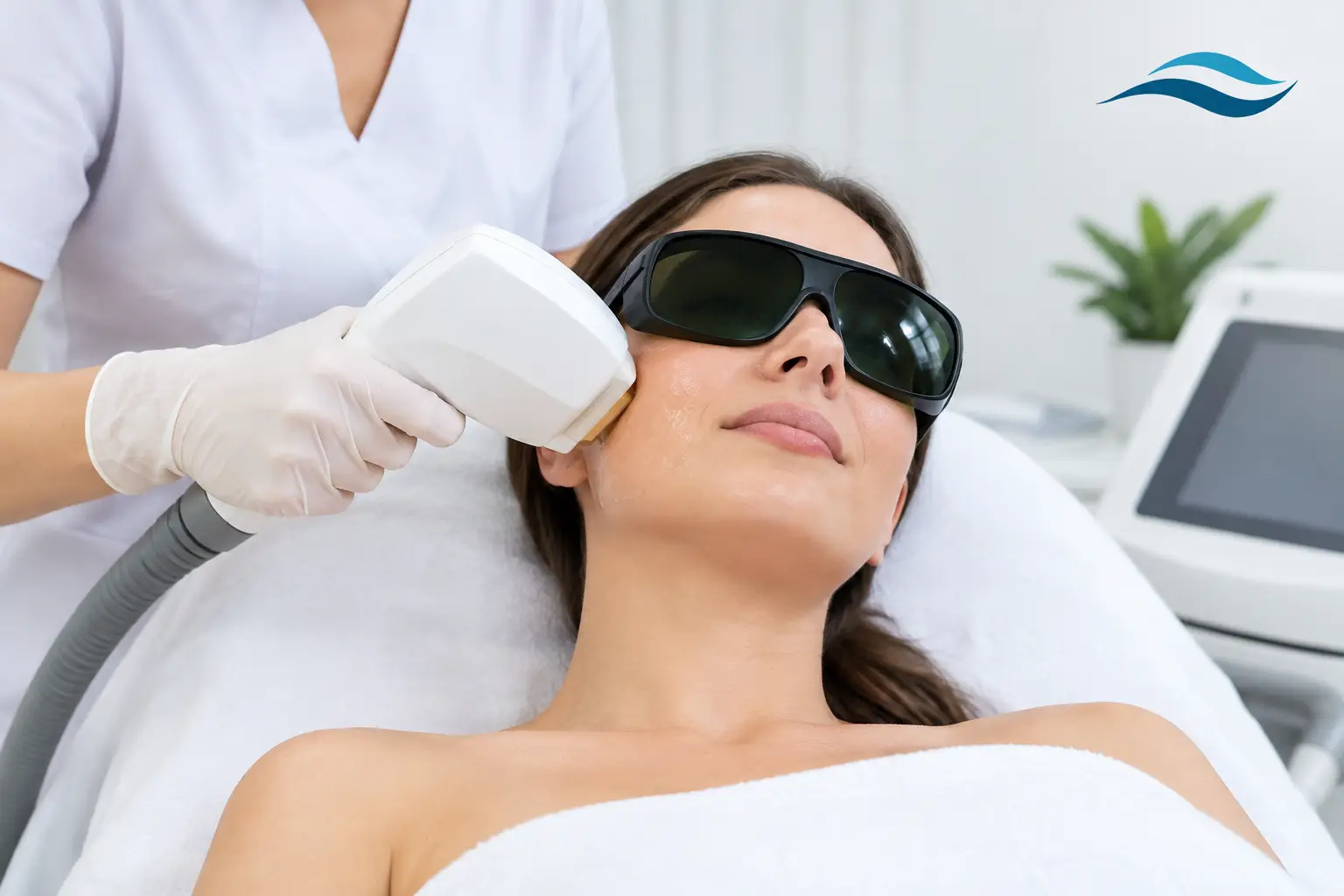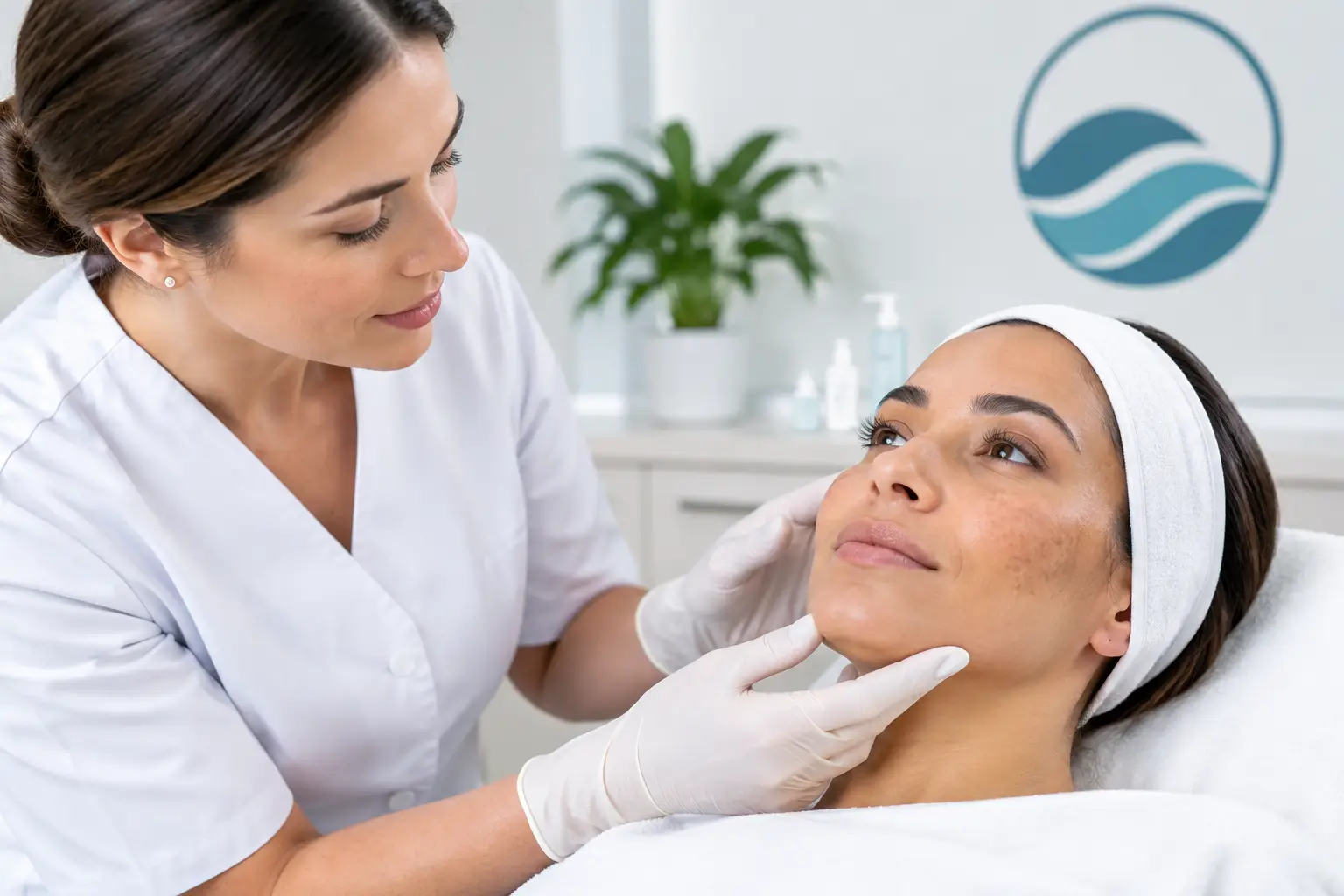
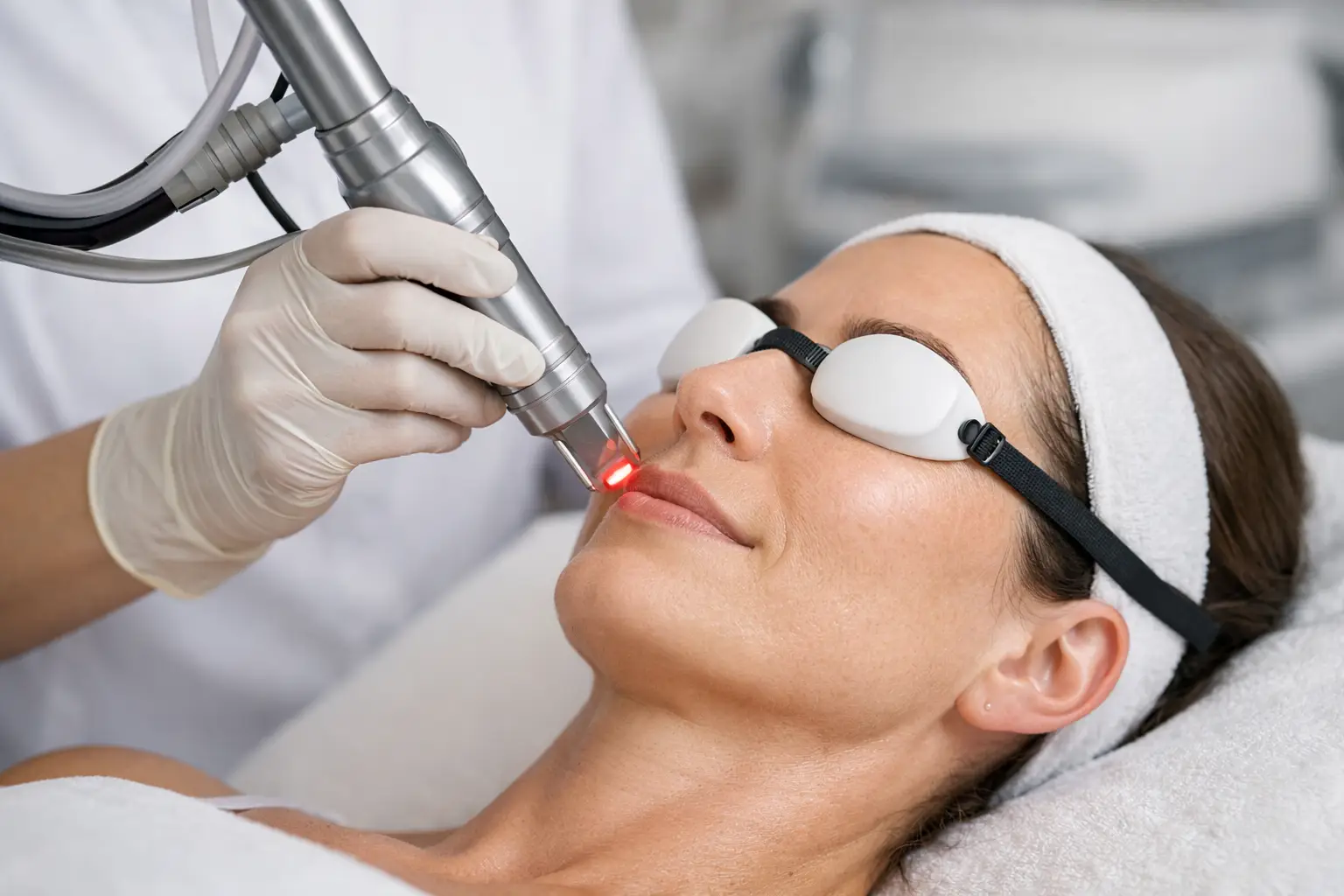
If you are looking in the mirror and noticing crepey texture, acne scarring, sun damage or lines that no longer respond to skincare, you may be asking what does CO2 laser treat and whether it is the right next step. It is a fair question, because CO2 laser is not a one-size-fits-all facial. It is a clinical skin resurfacing treatment designed to target deeper texture and visible signs of skin ageing with more precision than most standard beauty treatments.
At Coastal Skin Clinic, this is usually where the conversation starts – not with a sales pitch, but with your skin concern, your tolerance for downtime, and the result you are hoping to see. CO2 laser can be highly effective, but the best outcomes come from choosing it for the right reason.
What does CO2 laser treat?
CO2 laser treats skin concerns linked to texture, damage and visible ageing. In practical terms, that often means acne scarring, fine lines, wrinkles, enlarged pores, rough skin texture, pigmentation caused by sun damage, and areas where the skin has become lax or uneven over time.
The treatment works by creating controlled micro-injuries in the skin while heating deeper layers. That process removes damaged surface tissue and stimulates collagen remodelling underneath. As the skin heals, it can look smoother, firmer and more even in tone.
This is why CO2 laser is often recommended for people who want more than a brightening treatment or a quick refresh. It is better suited to corrective skin work, especially when the concern is textural rather than just superficial.
Skin concerns CO2 laser can improve
Acne scars and uneven texture
One of the most common reasons people consider CO2 laser is acne scarring. Depressed acne scars can be difficult to improve with skincare alone, because the issue sits within the structure of the skin rather than only on the surface.
CO2 laser can help soften the appearance of these scars by encouraging fresh collagen production and resurfacing irregular tissue. It will not erase every scar completely, and some scar types respond better than others, but many clients see a meaningful improvement in smoothness and skin refinement over a course of treatment.
Fine lines and wrinkles
CO2 laser is also widely used for lines around the mouth, eyes and cheeks, particularly where the skin has started to thin or crease. These are often the areas where injectable treatments and skincare have limits.
Because the laser stimulates collagen and resurfaces damaged skin at the same time, it can improve both the depth of lines and the overall quality of the skin. That said, deeper folds or significant volume loss may need a broader treatment plan rather than laser alone.
Sun damage and pigmentation
Years of Queensland sun can leave their mark in the form of uneven tone, rough patches and visible signs of premature ageing. CO2 laser can improve sun-damaged skin by removing damaged outer layers and encouraging healthier skin renewal.
It may help with some pigmentation irregularities, but not every type of pigment is best treated with CO2. In some cases, IPL, a peel or another laser approach may be more appropriate. This is one of the reasons a proper consultation matters.
Enlarged pores and rough skin
When skin feels coarse, dull or visibly uneven, CO2 laser can create a noticeable shift in texture. Clients often describe their skin as smoother and more refined once healing is complete.
Pore size can also appear reduced, particularly in areas affected by oiliness, ageing and past acne. The change comes less from physically shrinking pores and more from improving the surrounding skin structure.
Mild skin laxity
CO2 laser is not a facelift, but it can help with mild looseness in the skin, especially when laxity is combined with surface ageing. The collagen stimulation can create a firmer look over time, particularly around the lower face and eye area.
For moderate to advanced sagging, expectations need to be realistic. Laser resurfacing can improve skin quality beautifully, but it will not replace surgical lifting where that is what the skin truly needs.
What CO2 laser does not treat well
This is where honest advice is important. CO2 laser is powerful, but it is not the answer for everything.
It is not usually the first choice for active acne, redness linked to vascular concerns, melasma, or significant facial volume loss. It also may not suit every skin type, particularly where there is a higher risk of post-inflammatory pigmentation or healing complications. Some clients need gentler skin preparation first. Others are better suited to a different treatment altogether.
A caring clinic should be willing to tell you when CO2 laser is not the best fit.
How the treatment actually works
If the term sounds intimidating, the process is more controlled than many people expect. A CO2 laser delivers focused energy into the skin in a fractional pattern, meaning it treats columns of tissue while leaving surrounding skin intact to support healing.
That balance allows for significant resurfacing with a more structured recovery process. Depending on the settings used, treatment can be lighter or more intensive. A conservative approach may be suitable for someone wanting gradual improvement with less downtime, while a stronger treatment may be chosen for deeper scarring or more advanced ageing.
The right setting depends on your skin history, your goals and how much recovery time you can realistically manage.
What results can you expect?
Most clients are not looking for perfection. They want skin that looks fresher, smoother and more confident without feeling overdone. That is the right mindset.
Results from CO2 laser tend to build over time as the skin heals and collagen remodels. Early improvements can include brighter tone and smoother texture. Over the following weeks and months, scarring, lines and roughness may continue to soften.
How much improvement you see depends on the concern being treated, the intensity of treatment, and your skin’s natural healing response. Someone treating mild texture changes may need less than someone with established acne scarring. Some people are happy after one treatment. Others benefit from a series.
Downtime and recovery
This is one of the biggest practical considerations. CO2 laser usually involves more downtime than lighter laser or facial treatments, and clients need to plan for that properly.
After treatment, the skin may feel hot, tight and look red. Swelling, flaking and a bronzed or rough appearance can follow as the skin sheds and renews. Recovery time varies, but you should expect a visible healing period rather than assuming you can go straight back to normal social plans.
Sun protection is essential, and aftercare needs to be followed carefully. The better your aftercare, the better your healing experience tends to be.
Is CO2 laser worth it?
For the right person, yes. If your main concerns are acne scarring, textural ageing, roughness or established sun damage, CO2 laser can offer a level of correction that lighter treatments often cannot match.
But worth is always about fit. If you want no downtime, need instant results for an event next week, or have a skin condition that requires a different approach, another treatment may be better value for you. Good aesthetic care is not about choosing the strongest treatment. It is about choosing the most appropriate one.
When a consultation matters most
A search for what does CO2 laser treat can give you a general answer, but it cannot assess your skin barrier, pigment risk, scarring depth or treatment history. Those details shape the recommendation.
This is especially important if you have had previous laser treatments, use active skincare, scar easily, or have concerns about pigmentation. A professional consultation gives you a clearer picture of what CO2 laser can realistically improve, how many sessions you may need, and whether your skin should be prepped first.
If you are based on the Sunshine Coast and want guidance that is tailored rather than generic, a consultation at https://www.coastalskinclinic.com.au can help you understand whether CO2 laser suits your skin and your goals.
The best treatment plan is not the one that sounds most advanced. It is the one that makes sense for your skin, your lifestyle and the result you actually want to see.