If you are weighing up IPL vs laser hair reduction, the real question is not which one sounds more advanced – it is which treatment is better suited to your skin, hair type, goals and comfort level. That is where good advice matters, because the right choice can mean better results, fewer sessions and a safer overall experience.
For many clients, the decision starts with frustration. You may be tired of shaving every second day, dealing with ingrown hairs, or spending money on waxing without ever feeling truly done with it. Both IPL and laser hair reduction can reduce unwanted hair over time, but they do not work in exactly the same way, and those differences affect results.
IPL vs laser hair reduction: what is the difference?
IPL stands for intense pulsed light. It uses broad-spectrum light, which means it releases multiple wavelengths into the skin. That light is absorbed by pigment in the hair, creating heat that damages the follicle and slows future growth.
Laser hair reduction also targets pigment in the hair, but it uses a single, focused wavelength. Because the energy is more concentrated, it can be delivered with greater precision. In a clinical setting, this often allows for more targeted treatment and better control over how the energy interacts with the skin.
In simple terms, IPL spreads light over a broader range, while laser delivers a more specific beam. Both aim to reduce hair growth, but laser is generally considered the more precise option.
How results compare in IPL vs laser hair reduction
When clients ask which treatment works better, the honest answer is that it depends – but laser often has the edge when it comes to consistency, especially for coarser or darker hair.
Because laser energy is more focused, it can target the follicle more efficiently. This may lead to stronger reduction over a treatment course and can be especially helpful in areas where hair is thick or stubborn, such as the underarms, bikini line, chest or back.
IPL can still be very effective, particularly for the right candidate. Many people see a worthwhile reduction in hair growth, softer regrowth and less frequent maintenance. It can be a good option for clients with lighter skin and darker hair who are looking for a non-invasive, clinically guided treatment plan.
Neither treatment removes every hair forever after one visit. Hair grows in cycles, and only hairs in the active growth phase respond well at the time of treatment. That is why a series of sessions is needed, followed by occasional maintenance.
Skin tone, hair colour and suitability
This is one of the most important parts of the conversation.
Both IPL and laser hair reduction work by targeting pigment, so darker hair usually responds best. Black and dark brown hair tend to absorb energy well. Fine blonde, red, grey and white hairs are much harder to treat because there is less pigment for the light to target.
Skin tone also matters. With IPL, there can be less distinction between pigment in the hair and pigment in the surrounding skin, particularly in deeper skin tones or tanned skin. That can limit suitability and increase the need for careful settings and practitioner judgment.
Laser systems vary, and some are better suited to a wider range of skin types than others. This is why an in-person consultation is so valuable. A proper assessment looks at your skin tone, hair colour, treatment area, medical history and recent sun exposure before recommending anything.
If you are regularly in the sun, as many people on the Sunshine Coast are, timing becomes even more important. Fresh tanning can affect safety and treatment outcomes, no matter which technology is being used.
Comfort, speed and what treatment feels like
Most clients want to know one thing upfront – does it hurt?
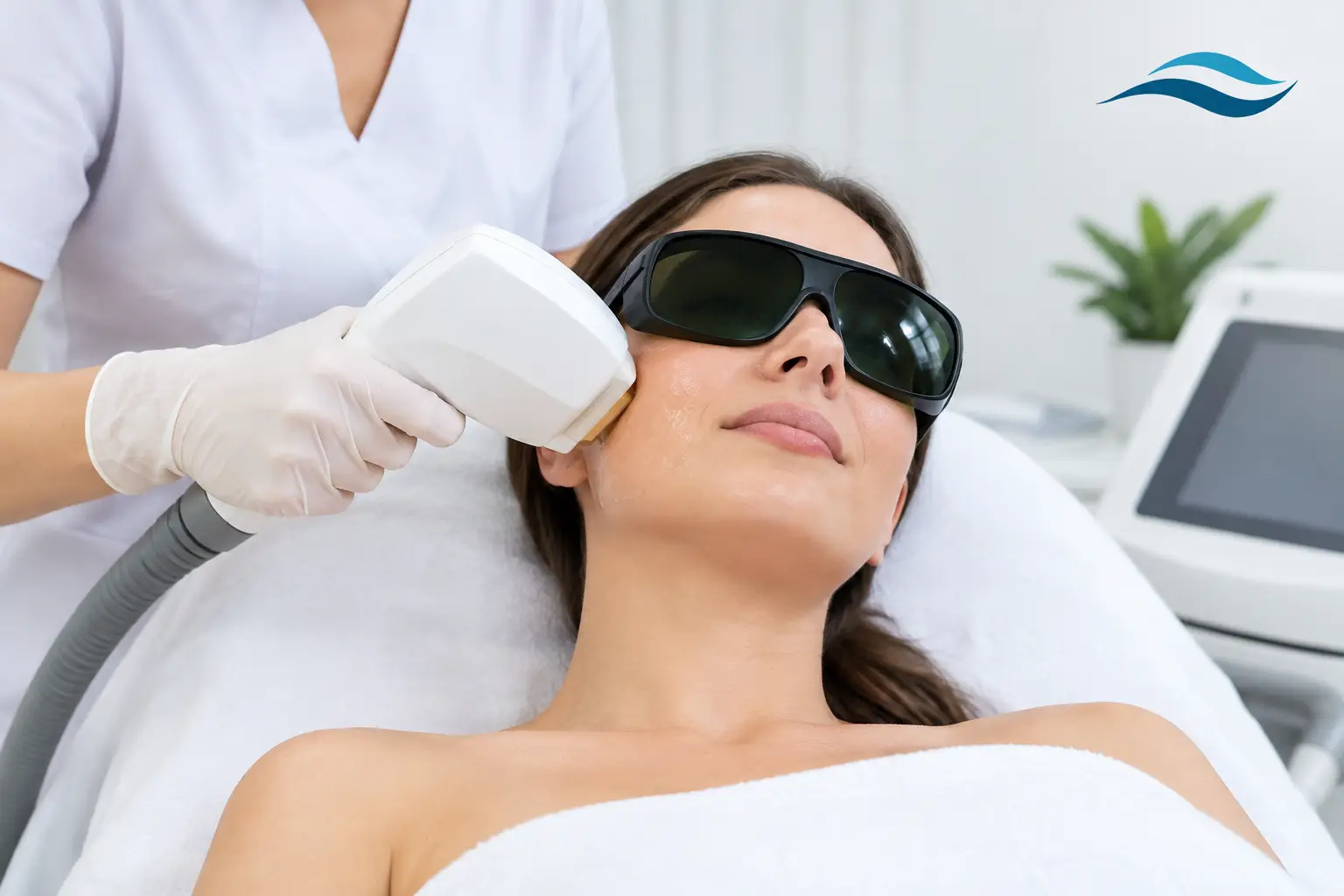
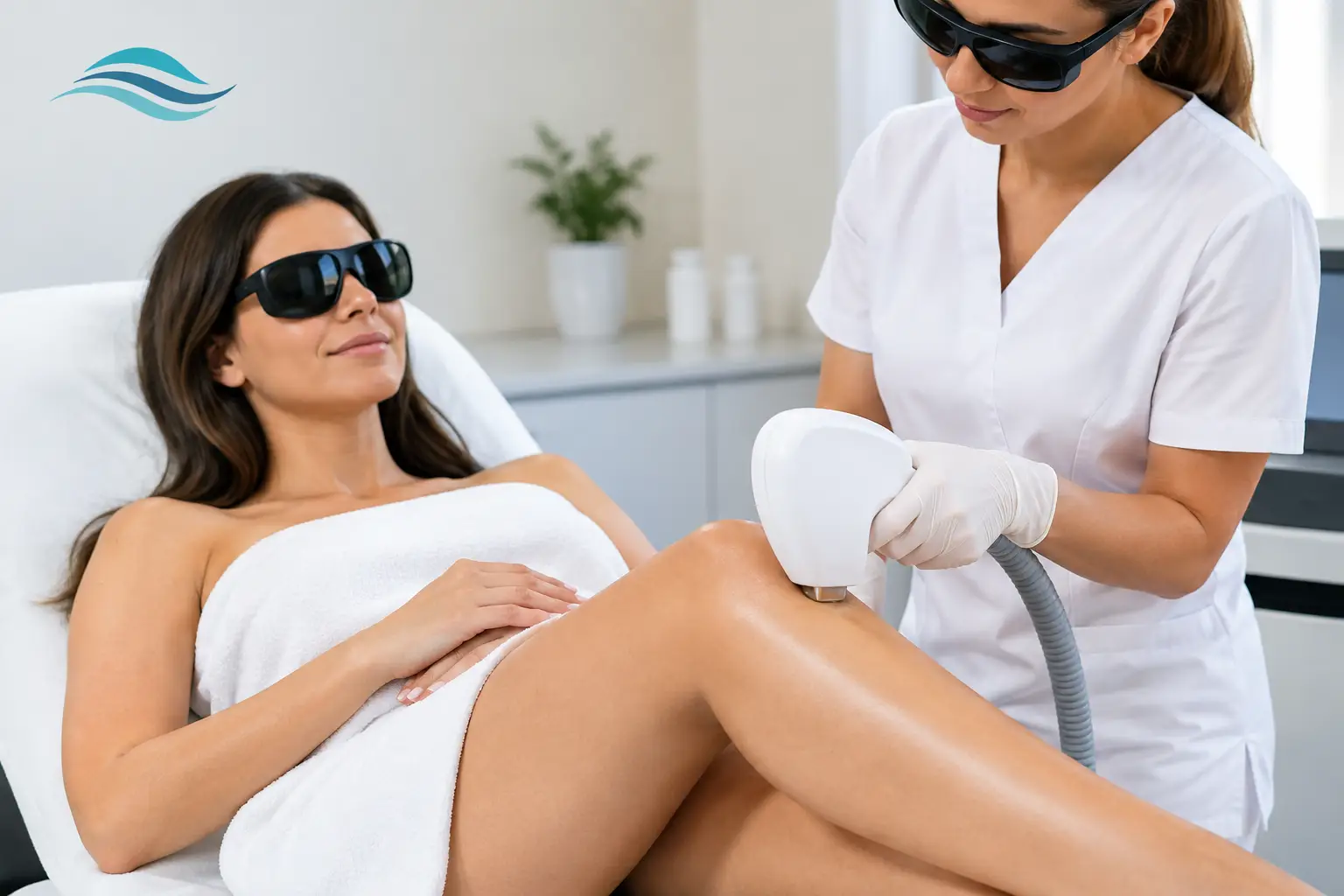
Both IPL and laser hair reduction can feel uncomfortable, but the sensation is usually brief and manageable. People often describe it as a quick flicking or snapping feeling against the skin. Some areas are naturally more sensitive than others, especially the upper lip, bikini line and ankles.
Laser can feel more intense in some cases because the energy is concentrated, but many modern systems include cooling features that improve comfort. IPL may feel milder for some clients, though that does not automatically mean it will be the better option overall.
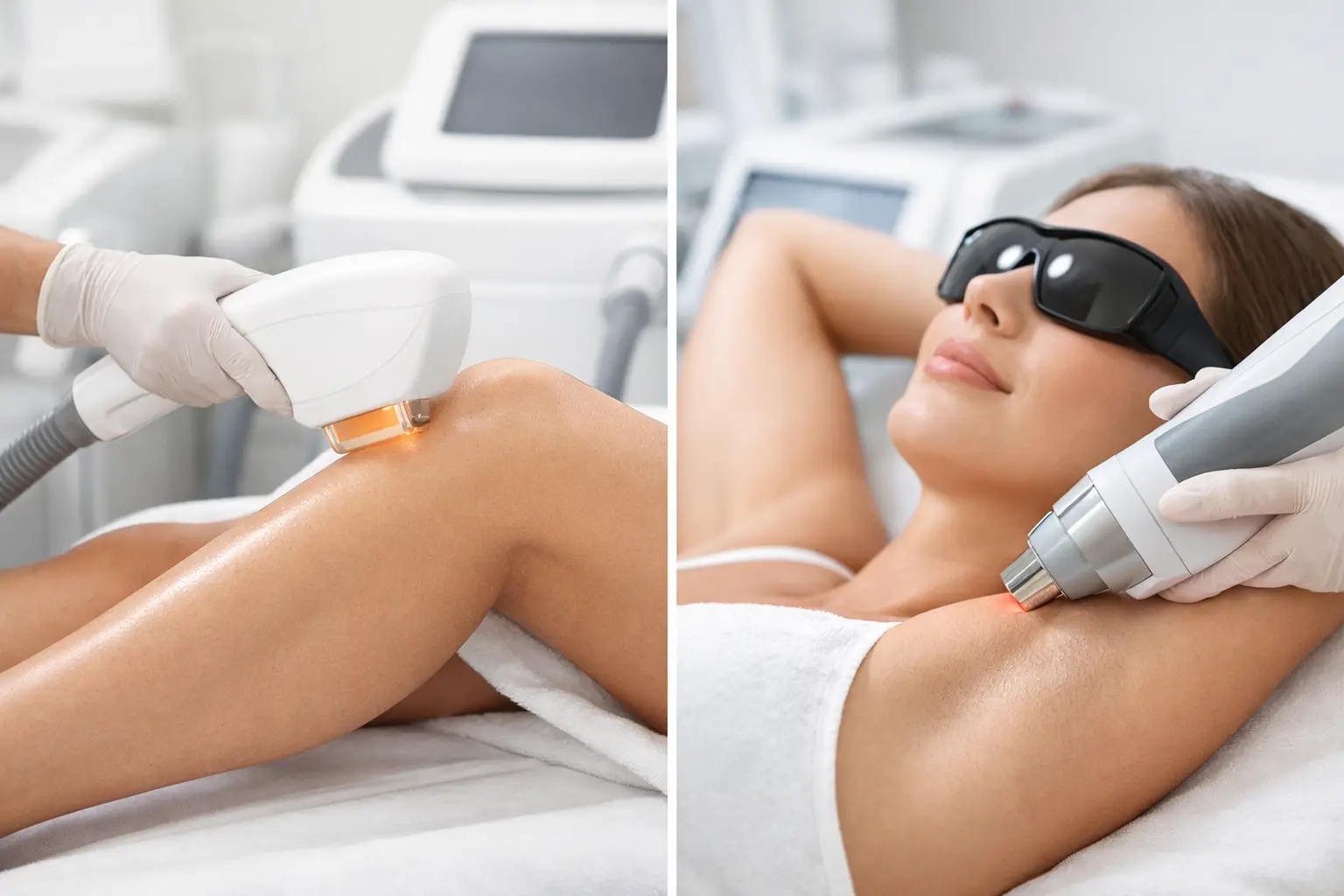
Treatment speed depends on the area being treated and the device being used. Larger areas like legs or backs can be completed relatively efficiently with either method, while smaller areas are usually quite quick. During a consultation, you should be told what to expect in terms of session length, sensation and aftercare.
Safety matters more than marketing
Hair reduction treatments are not just beauty services – they are light-based procedures that need to be matched to the individual properly.
That is why provider experience, training and device quality matter so much. A well-run clinic will assess whether you are a suitable candidate, explain realistic expectations, discuss risks and adapt settings to your skin and hair profile. This is particularly important if you have sensitive skin, pigment concerns, a history of reactions, hormonal hair growth, or recent sun exposure.
With either IPL or laser, side effects can include temporary redness, warmth or mild swelling around the follicles. These reactions are often short-lived and expected. Problems are more likely when treatments are done too aggressively, too casually, or without proper screening.
A professional treatment plan should never feel rushed. Safe. Effective. Those two things belong together.
Cost: cheaper upfront does not always mean better value
IPL is often promoted as the more affordable option per session. That can be appealing at first glance, especially if you are treating larger areas.
But cost should be looked at across the full treatment course, not just one appointment. If a treatment is cheaper per visit but requires more sessions or delivers a less noticeable reduction, it may not end up being better value.
Laser sessions can sometimes cost more, but if the treatment is more efficient for your skin and hair type, the long-term investment may make more sense. The best question to ask is not, which is cheapest? It is, which is most likely to give me the result I want safely?
That answer is different for different people.
Who might choose IPL?
IPL may suit clients who have fairer skin, darker hair and realistic expectations about gradual reduction. It can be a practical option when used appropriately and delivered by trained professionals who understand skin response and treatment planning.
It may also appeal to people who are treating multiple areas and want a professionally supervised option that feels approachable and manageable.
The key is suitability. IPL is not a lesser treatment by default, but it is not the ideal choice for every skin tone, hair type or treatment goal either.
Who might choose laser hair reduction?
Laser hair reduction is often the better fit for clients wanting a more targeted treatment, particularly for thicker hair, recurring ingrowns or areas that have been resistant to other methods. It is also commonly preferred by people who want a more clinical approach with stronger precision.
If you have spent years waxing or shaving and want a treatment plan with a clear focus on long-term reduction, laser is often worth considering seriously.
Again, there is no one-size-fits-all answer. The right treatment is the one that matches your skin safely and gives you the best chance of seeing meaningful change.
The consultation is where the right choice happens
Online comparisons can be helpful, but they cannot assess your skin in person. A proper consultation can.
That is where a clinician can look at the areas you want treated, ask about your history, explain what kind of result is realistic and recommend whether IPL or laser hair reduction is the better path. If you are a good candidate, you should leave with a personalised plan rather than a generic sales pitch.
At Coastal Skin Clinic, that treatment-led approach matters. Clients are guided through what suits them, what does not, and what will give them the safest and most worthwhile result over time.
If you are deciding between IPL and laser, try not to get stuck on labels alone. Focus on suitability, safety and the quality of the advice you are getting. The best treatment is the one that leaves you feeling confident not just in the outcome, but in the care behind it.