A lot of people start with the same question: what actually happens during a laser appointment, and how do you know if it is the right choice for your skin? If you have been searching for laser skin treatments explained in plain English, the short answer is this – lasers use focused light energy to target a specific concern in the skin, while leaving surrounding tissue as protected as possible.
That sounds simple enough, but the details matter. Not every laser does the same job, and not every skin concern should be treated in the same way. The best results come from matching the right technology to the right person, with a treatment plan that takes your skin type, goals and downtime into account.
Laser skin treatments explained: what they actually do
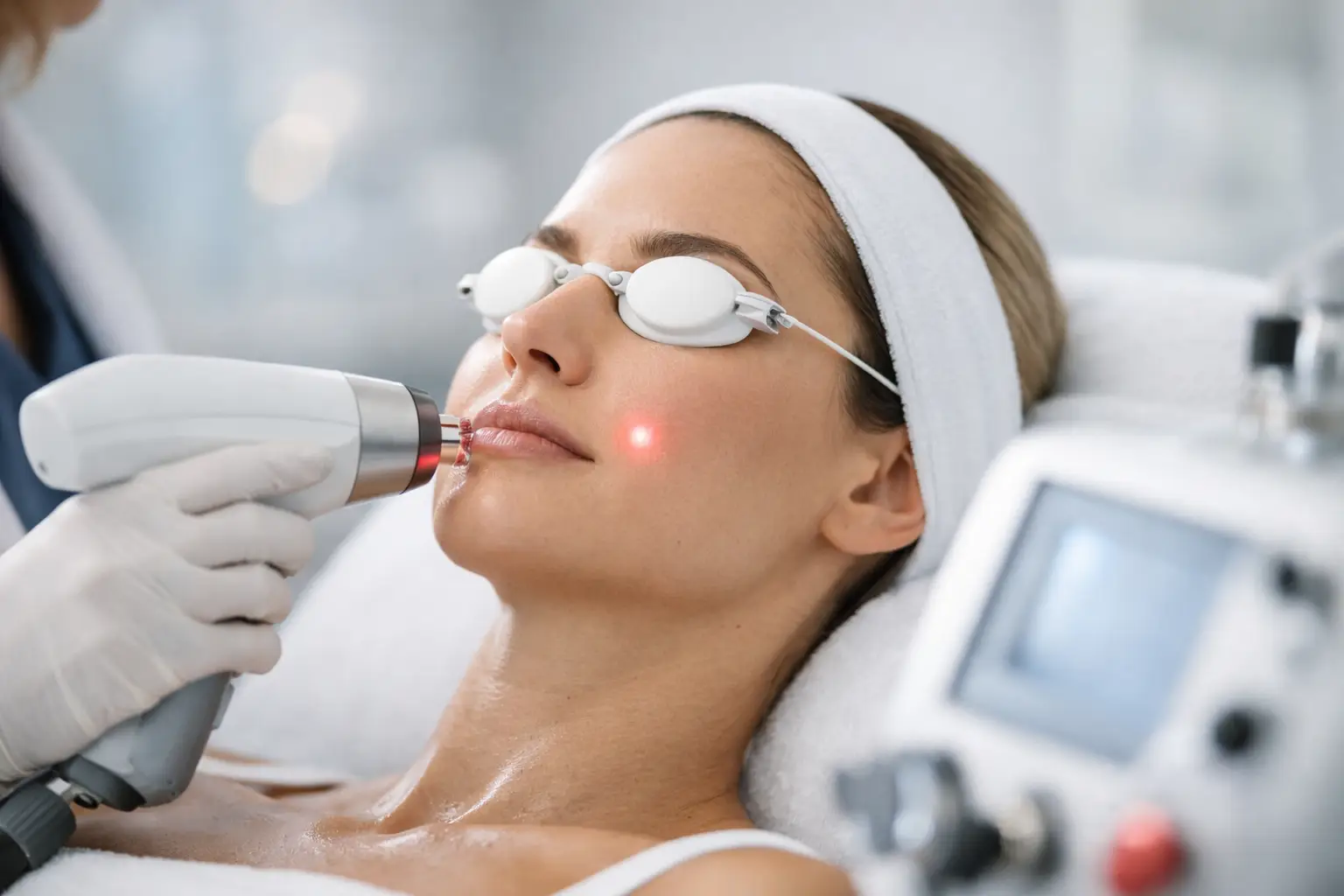
Laser treatments work by delivering controlled energy into the skin. Depending on the device and setting, that energy can target pigment, redness, hair follicles, water in the skin, or deeper layers where collagen support sits. This is why one laser may be used for sun damage and another for texture, scarring or rejuvenation.
In practical terms, laser treatment is not just one thing. It is a category of treatments. Some are designed to refresh the skin with minimal downtime. Others are more intensive and aimed at stronger correction, especially for concerns like acne scarring, fine lines or uneven texture.
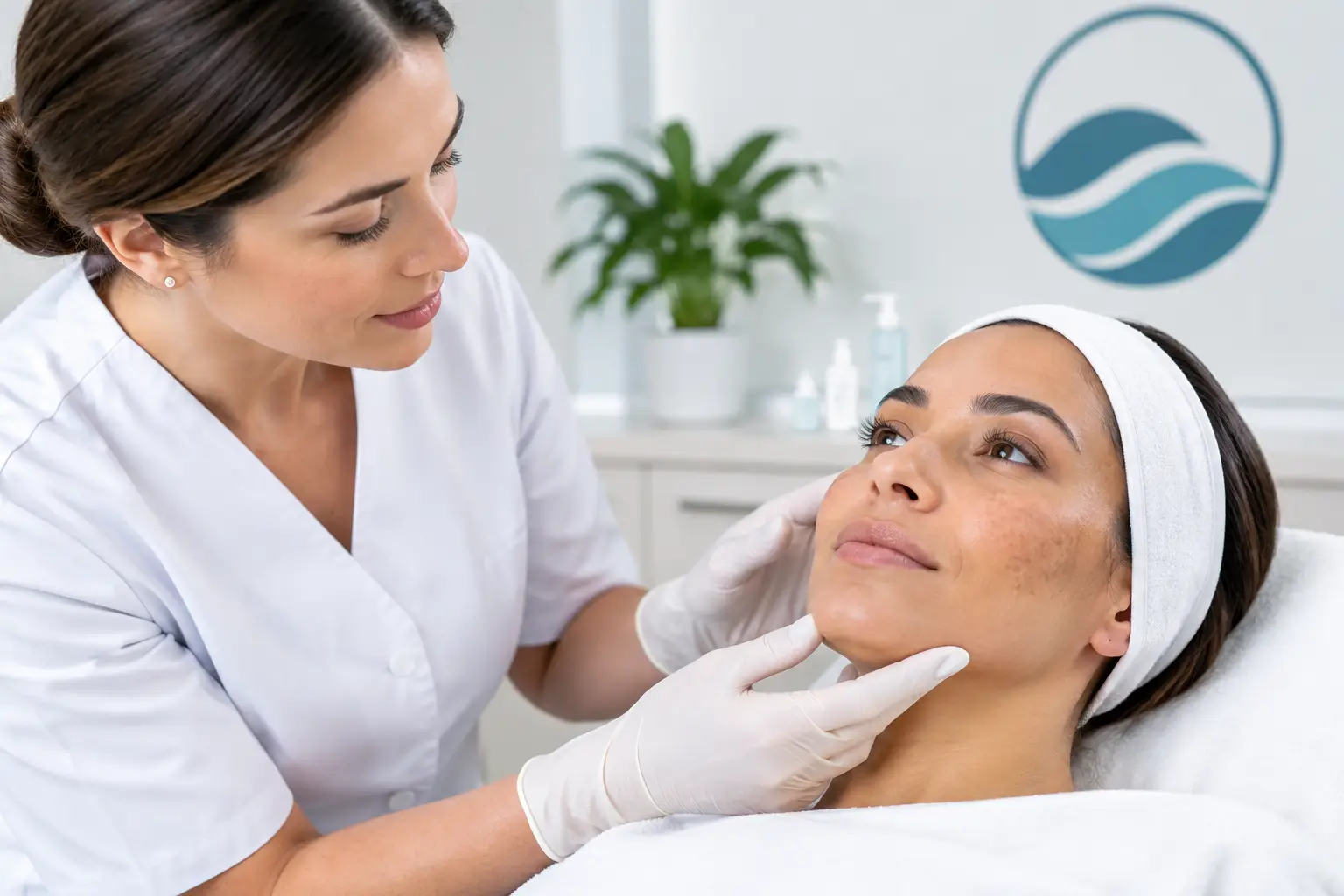
This is also why a proper consultation matters. Two clients might both say they want younger-looking skin, but one may need pigment correction while the other is more concerned about laxity, pores or rough texture. The treatment choice changes accordingly.
What concerns can laser treatments help with?
Laser technology can be used for a wide range of skin concerns. Common treatment goals include pigmentation, age spots, sun damage, uneven tone, redness, visible vessels, fine lines, acne scarring, enlarged pores, unwanted hair and overall skin rejuvenation.
Some treatments are better for surface-level concerns, while others work deeper to stimulate collagen remodelling over time. That means results can be either more immediate or more gradual, depending on the treatment type.
For example, pigment-focused treatments may visibly brighten areas of sun damage as the skin heals. Collagen-stimulating treatments often improve texture and firmness progressively over a series of weeks or months. Neither approach is better across the board. It depends on what you are trying to change.
The main types of laser skin treatments
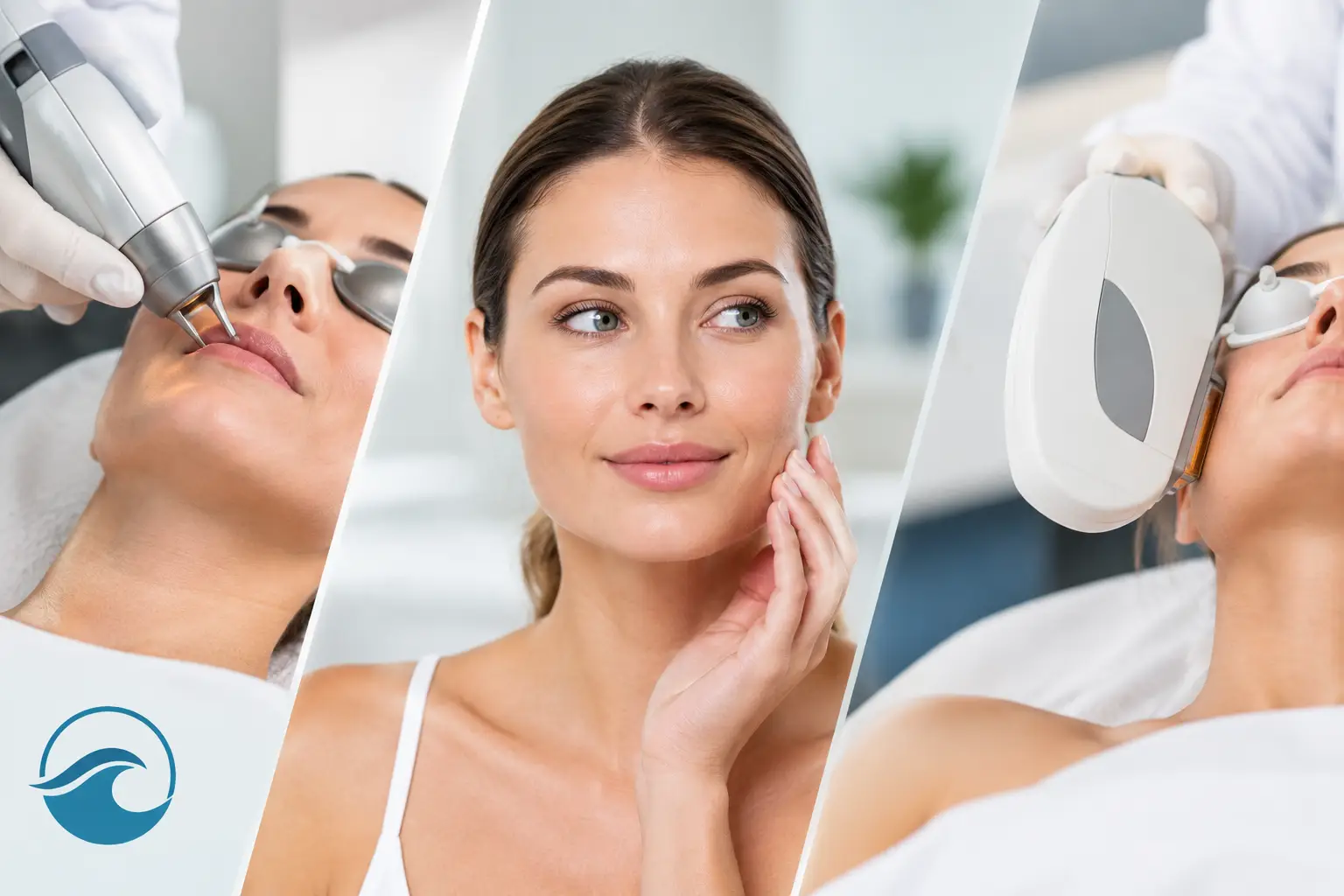
When clients hear the word laser, they often imagine one machine that does everything. In reality, different technologies are designed for different outcomes.
Ablative laser treatments
Ablative lasers, such as CO2 laser treatments, work by removing controlled layers of skin while also heating deeper tissue. This approach can be very effective for texture issues, deeper lines, acne scarring and more advanced rejuvenation.
Because they are stronger, they usually come with more downtime. Redness, heat, swelling and peeling are all common parts of the recovery process. The trade-off is that they can deliver more noticeable correction when used appropriately.
Non-ablative laser treatments
Non-ablative lasers heat the skin without removing the surface in the same way. They are often chosen for clients who want rejuvenation with less interruption to daily life. These treatments can help with early signs of ageing, mild pigment irregularities and collagen stimulation.
Results are often more gradual and may require a course of sessions. For many people, that is a worthwhile trade-off if they prefer lower downtime.
IPL and light-based rejuvenation
IPL is not technically a laser, but it is often grouped into the same conversation because it uses light energy to improve visible skin concerns. It can be useful for redness, sun damage and uneven tone in suitable skin types.
It is important not to assume IPL and laser are interchangeable. They work differently, and suitability varies from person to person.
Laser skin treatments explained by skin goal, not just machine
The easiest way to understand treatment options is to think about your main goal.
If your concern is pigment or sun damage, treatment is usually aimed at breaking up excess pigment so the skin can clear it naturally. If your concern is redness or visible capillaries, the device is selected to target those vascular issues. If you are bothered by rough texture, acne scarring or lines, the focus is more likely to be on resurfacing and collagen renewal.
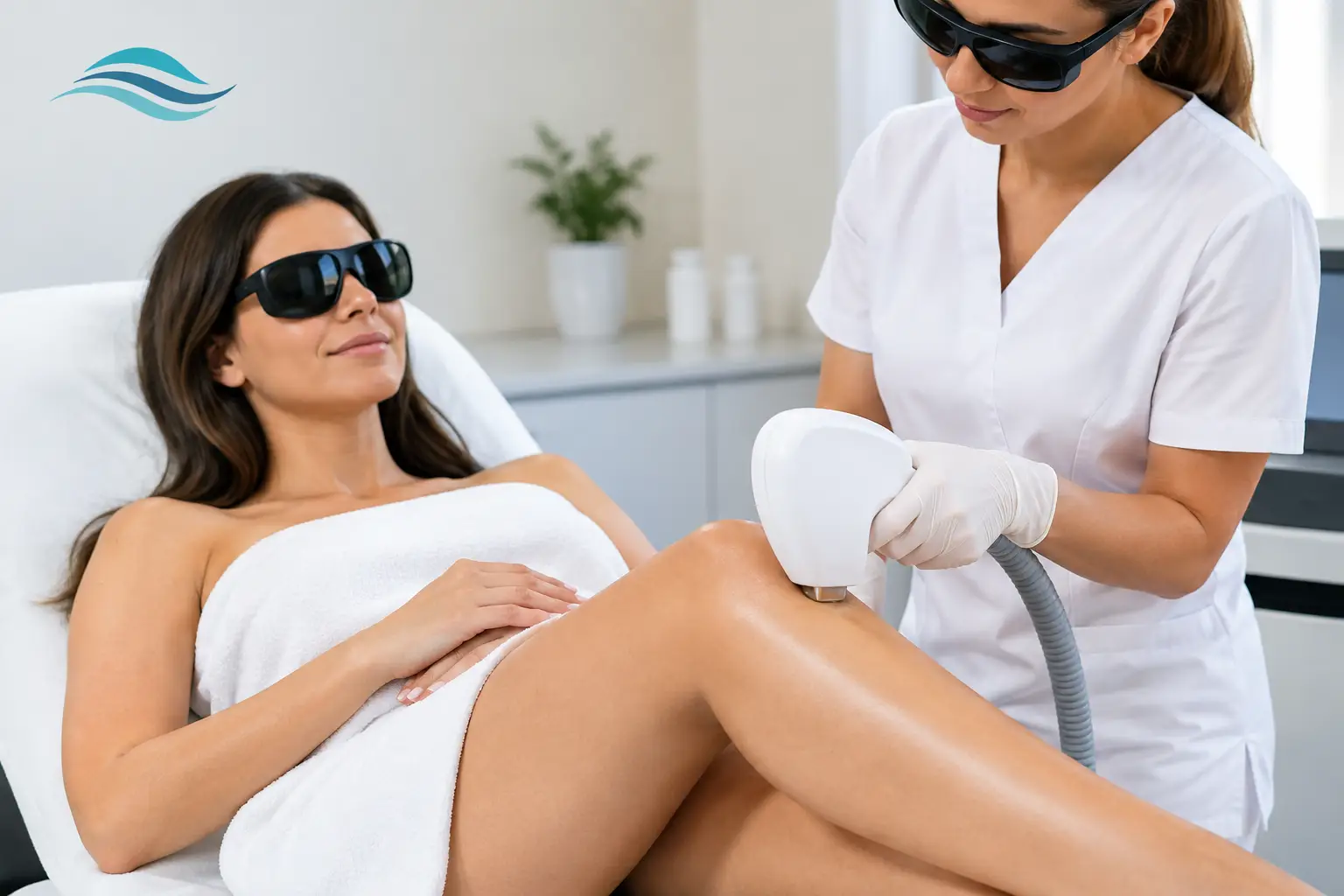
For unwanted hair, the target is the pigment in the follicle. For tattoo removal, the target is the ink itself. That difference is important because safe treatment depends on energy being absorbed by the intended target, not by surrounding skin.
This is why skin assessment should never be rushed. Your recent sun exposure, medications, skin sensitivity, history of pigmentation and even your daily skincare can all influence what is safe and effective.
Does laser treatment hurt?
This is one of the most common concerns, and the honest answer is that sensation varies. Some treatments feel like a quick snapping or flicking sensation. Others create more heat and discomfort, especially stronger resurfacing treatments.
Pain tolerance is personal, and so is the way a treatment feels on different parts of the face or body. A professional clinic will talk you through what to expect, use appropriate skin preparation, and adjust treatment settings within safe limits. Reassurance matters here, but so does honesty. Some laser treatments are very manageable. Others are more intense, because they are designed to create a stronger skin response.
What to expect after treatment
Downtime depends entirely on the treatment type and intensity. A lighter rejuvenation session may leave you pink for a few hours or a day. A more advanced resurfacing treatment can involve several days of redness, swelling, dryness and peeling.
Your aftercare is not a minor detail. It is part of the result. Protecting the skin, following post-treatment instructions and avoiding unnecessary irritation all help reduce the risk of complications and support even healing.
Sun protection is especially important. Freshly treated skin is more vulnerable, and poor sun habits can affect recovery and trigger unwanted pigment changes.
How many sessions will you need?
There is no universal answer, which can be frustrating if you are hoping for a simple number. Some concerns respond well in one or two sessions. Others, especially hair reduction, pigment management, acne scarring or broader rejuvenation goals, usually need a series.
The reason is straightforward. Skin changes in stages, and some concerns sit at different depths or respond gradually as collagen rebuilds. Maintenance may also be recommended after your initial course, particularly if you want to preserve results over time.
A good treatment plan should be realistic. Promising instant perfection is not good medicine or good aesthetics.
Who is a good candidate?
Many adults can benefit from laser treatment, but not every treatment suits every skin type or concern. Factors such as your natural skin tone, tanning habits, active skin conditions, medical history and expectations all matter.
For example, some pigment-targeting treatments require extra caution in darker skin tones because the skin contains more melanin, which can also absorb energy. That does not automatically rule treatment out, but it does change device selection and settings. Likewise, if your skin barrier is compromised or you are dealing with active inflammation, it may be better to prepare the skin first rather than push ahead too quickly.
This is one reason many clients across the Sunshine Coast prefer a consultation-led approach. It gives you clear advice based on your skin, not a one-size-fits-all treatment menu.
Safety matters more than trends
Laser can deliver excellent results, but it is not an area where shortcuts make sense. The machine matters, but the person using it matters just as much. Proper training, careful assessment, suitable treatment parameters and quality aftercare all play a role in safety and outcome.
If you are comparing clinics, ask yourself whether you feel informed, listened to and properly assessed. You should understand what the treatment is for, what recovery looks like, what risks exist and what kind of result is realistically achievable.
At Coastal Skin Clinic, that personalised approach is central to the treatment experience. It helps take the guesswork out of aesthetic decisions and gives clients space to ask questions without feeling rushed.
Is laser worth it?
For the right concern, with the right treatment plan, laser can be one of the most effective ways to improve skin quality and target visible concerns. But it is not magic, and it is not always the first step. Some clients need a gentler approach first. Others are better suited to a more advanced correction plan.
The real value lies in choosing a treatment that fits your skin, your lifestyle and your comfort with downtime. Sometimes the best option is a stronger treatment with fewer sessions. Sometimes it is a gradual plan that works around work, family and social commitments.
If you have been trying to make sense of laser options on your own, the most useful next step is not guessing which machine sounds best. It is getting clear, personalised advice from a qualified professional who can assess your skin properly and explain what is likely to help, what may not, and why. Good skin treatment should feel considered, safe and reassuring from the start.