
A tattoo can carry a story you no longer want to see every day. Whether it feels out of step with who you are now, affects your confidence, or simply needs fading for a cover-up, choosing removal is a personal decision. Knowing how to prepare for tattoo removal can make the process feel far less daunting and helps give your skin the best possible starting point.
Laser tattoo removal is a treatment course rather than a one-visit fix. Your practitioner assesses the tattoo, your skin, your health history and your goals before creating a plan that is safe, realistic and tailored to you. A little preparation before that first appointment can support a smoother treatment experience.
Start with a professional consultation
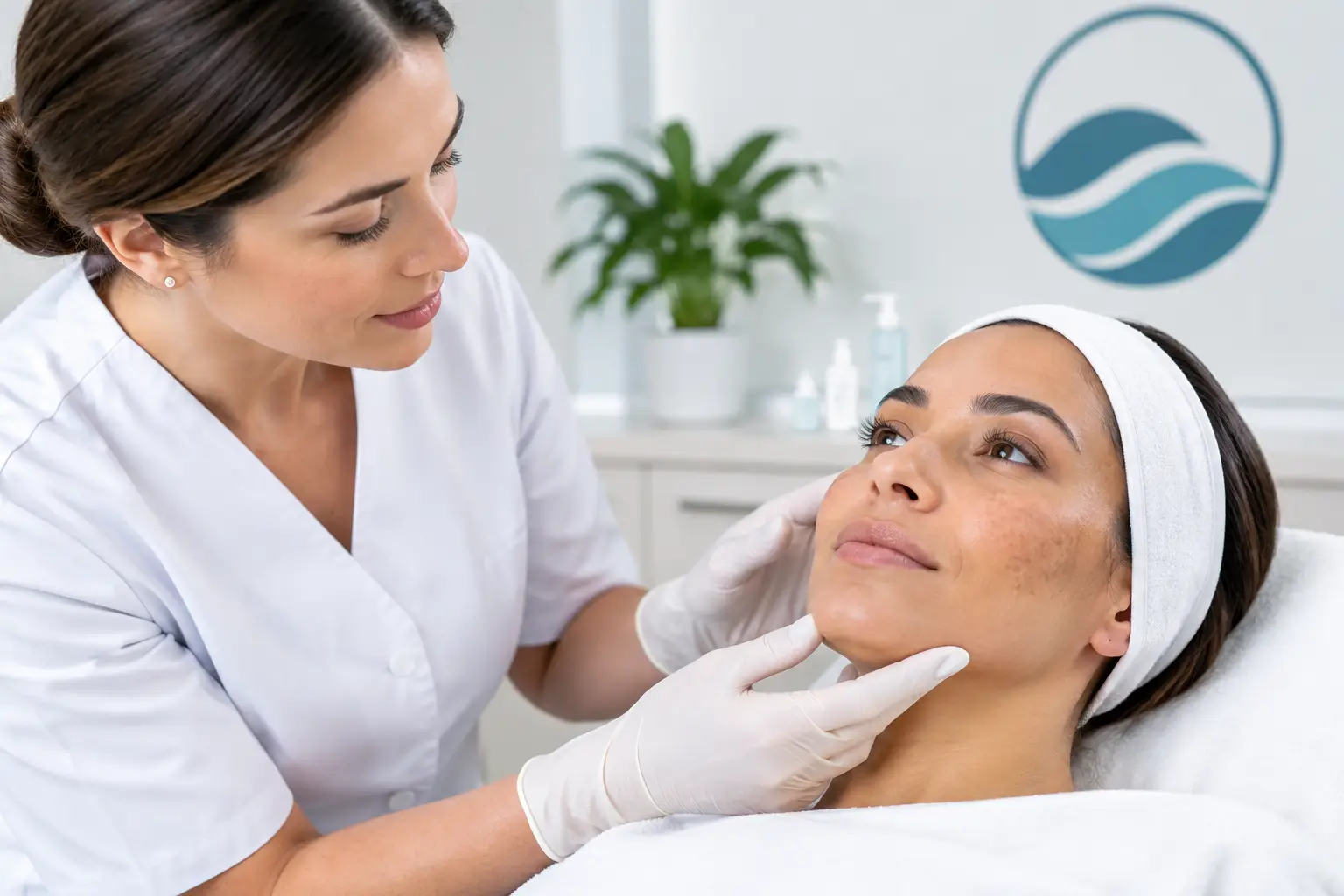
A proper consultation is the most useful first step you can take. Not all tattoos respond at the same rate, and no reputable clinic should promise a fixed number of sessions before assessing you in person. Ink colour, tattoo age, depth, density, placement and whether it was professionally applied all influence the likely treatment plan.
Your practitioner will also look at your skin type and the condition of the skin around the tattoo. This matters because laser settings must be selected carefully to target pigment while protecting the surrounding skin. If you have previously had laser treatment, a history of scarring or pigmentation changes, or a skin condition in the area, raise it during your consultation.
Come prepared to talk openly about your desired outcome. Some clients want full removal; others want significant fading to make room for new artwork. Both goals can be appropriate, but they may shape the treatment approach. Clear expectations from the beginning make it easier to plan with confidence.
How to prepare for tattoo removal in the weeks before
Your skin should be as calm and healthy as possible before laser treatment. The main goal is to avoid anything that leaves the treatment area irritated, sun-exposed or compromised.
Keep the tattoo out of the sun
Avoid tanning, sunbathing and tanning beds before your appointment. Tanned or sunburnt skin can increase the risk of unwanted pigment changes and may mean your treatment needs to be postponed. On the Sunshine Coast, incidental sun exposure adds up quickly, even when you are not deliberately spending a day at the beach.
Cover the tattoo with clothing where practical, and use broad-spectrum SPF 50+ sunscreen on exposed skin as part of your usual daily routine. If you arrive with recent sunburn, tell the clinic. Waiting until the skin has fully recovered is the safer choice.
Avoid irritating the area
Do not wax, peel, exfoliate aggressively or use potentially irritating active skincare directly over the tattoo in the lead-up to treatment unless your practitioner has advised otherwise. Avoid picking at dry skin, shaving over a rash, or booking treatment while the area is broken, infected or inflamed.
If hair grows over the tattoo, your clinic may ask you to shave the area before the appointment. Shaving is generally preferred because it removes surface hair without disturbing the skin in the way waxing can. Follow the specific timing provided by your practitioner, particularly if the tattoo is in a sensitive area.
Share your health information honestly
Your safety depends on your practitioner having a complete picture. Let them know about medications, supplements, allergies, recent illnesses and any changes to your medical history. Some medicines and skin treatments can affect sensitivity to light, healing or the way your skin responds.
You should also mention if you are pregnant or breastfeeding, prone to cold sores when treating around the mouth, have diabetes, have immune-related health concerns, or have ever developed raised scars or keloids. This does not automatically mean you cannot have treatment. It means your practitioner can give appropriate advice and decide whether treatment should proceed, be modified or be delayed.
Do not stop prescribed medication simply to have laser treatment. Speak with the prescribing health professional and your treating clinic first.
Plan for comfort on the day
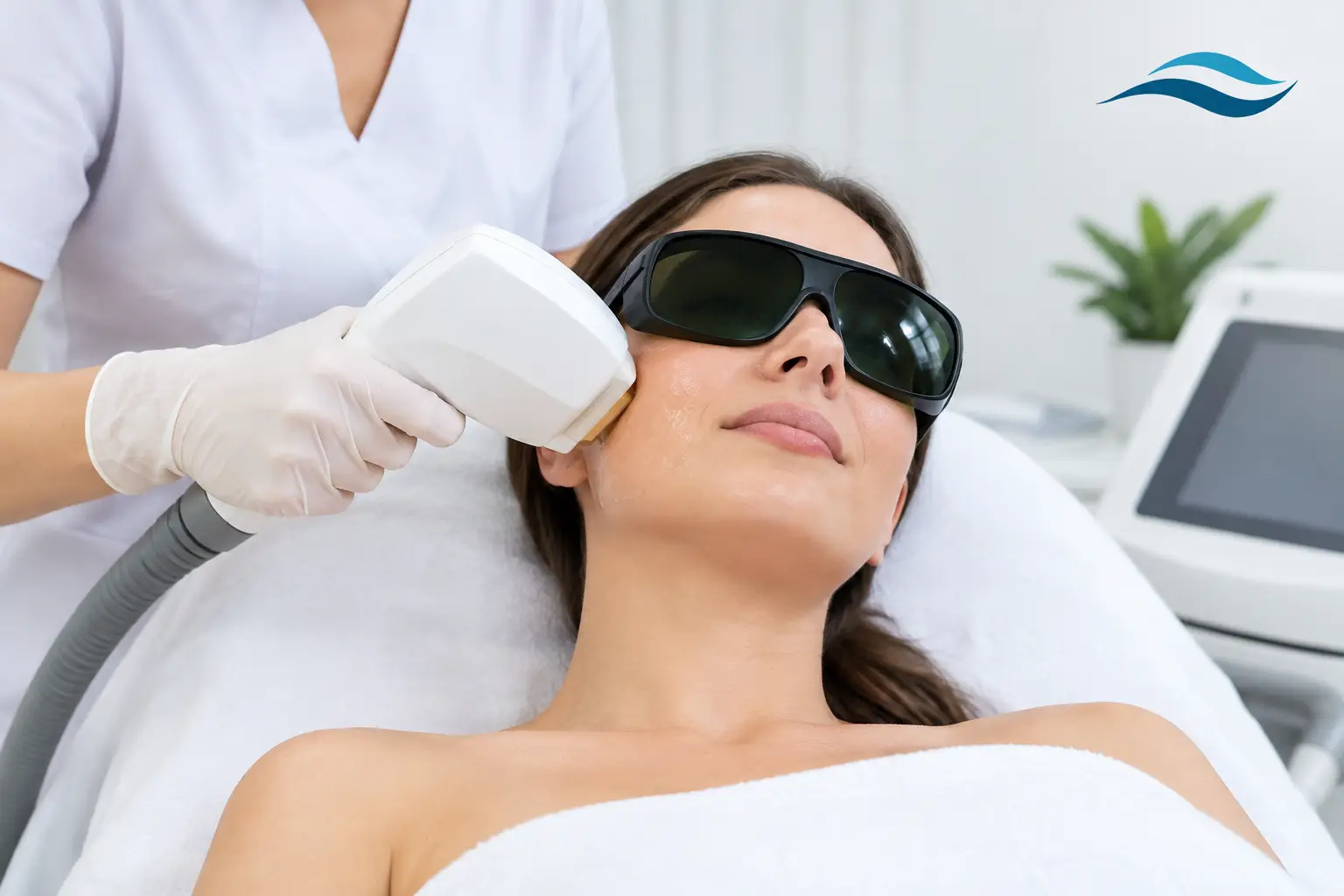
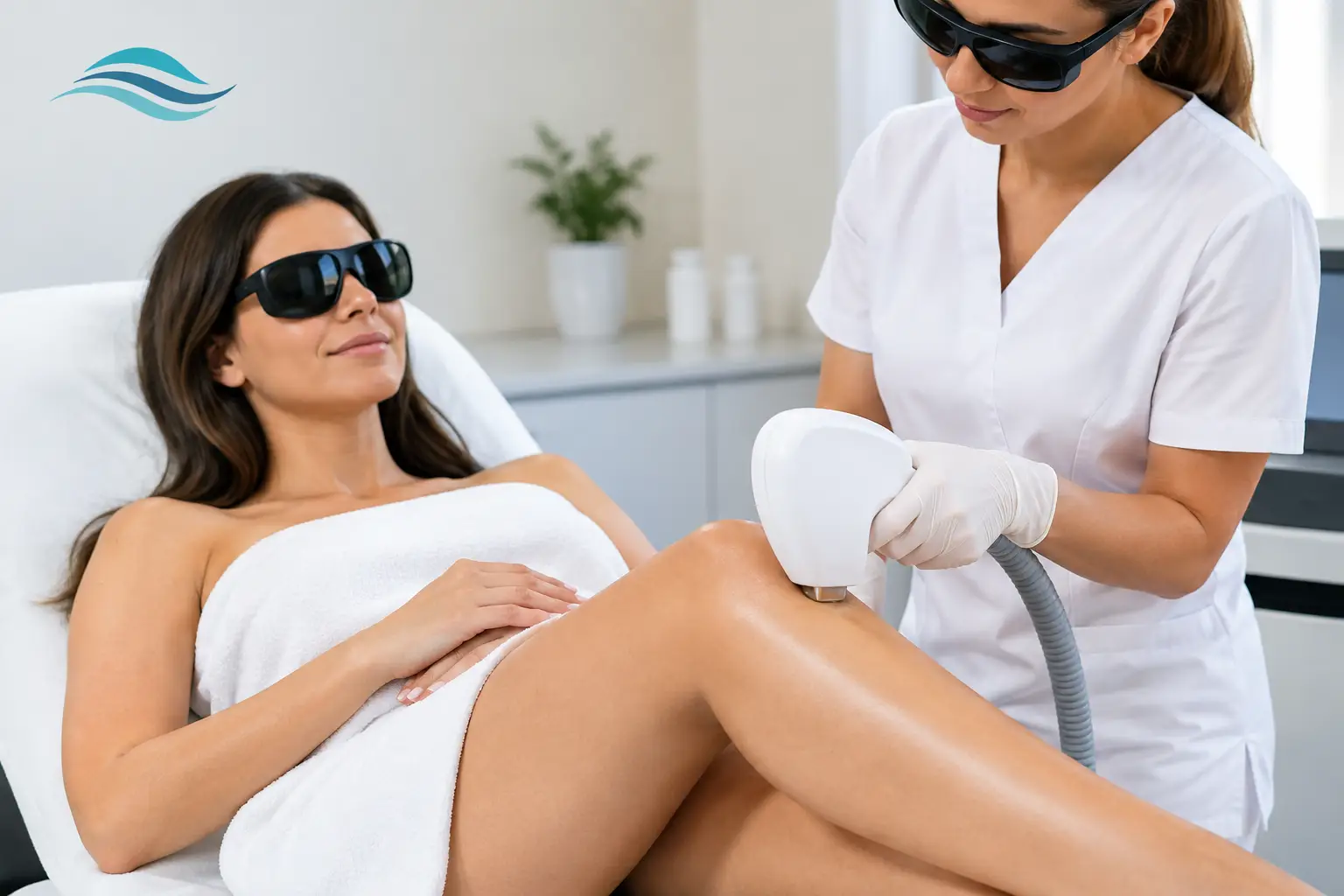
Most people describe laser tattoo removal as quick but intense, often compared with a hot rubber band snapping against the skin. Comfort measures vary according to the tattoo size, location and your clinic’s protocol. Your practitioner can explain what is suitable before your appointment, including whether a topical numbing option is appropriate and how it should be used.
Arrive hydrated, having eaten a normal meal unless you have been given different instructions. Feeling light-headed is more likely when you are hungry, dehydrated or anxious. Wear loose, clean clothing that allows easy access to the tattoo and will not rub tightly over the area afterwards. For a tattoo on the torso, arm or leg, this small detail can make the trip home more comfortable.
If you are nervous, say so. There is no prize for pretending you are fine. A caring practitioner can talk you through the process, check in with you during treatment and help you take breaks if needed. Bringing headphones, arranging a lift for a larger treatment, or allowing extra time before returning to work can also reduce pressure on the day.
Know what to expect immediately afterwards
Preparing properly includes having a plan for aftercare before your session begins. The treated area may feel warm and look red or puffy, and temporary whitening or frosting can occur during treatment. These responses are commonly part of the laser process, but your practitioner will explain what is expected for your skin and when to contact the clinic.
You may be given a protective dressing and clear aftercare instructions. Keep the area clean, avoid heat and friction, and resist the urge to pick, scratch or pop any blisters that may develop. Blisters can be an expected response for some clients, but they need careful management. Contact your clinic if you are unsure how to care for the area or notice increasing pain, spreading redness, discharge or any sign of infection.
For the first days after treatment, avoid swimming pools, spas, saunas and strenuous exercise if they could expose the area to heat, sweat or bacteria. Loose clothing and gentle care usually make recovery easier. Continued sun protection is essential between sessions, not just before the first one.
Give your body time between sessions
Tattoo removal works gradually. The laser breaks ink into smaller particles, and your body clears those particles over time. More frequent appointments do not necessarily mean faster removal. Your skin needs adequate recovery time, and the spacing recommended by your practitioner is part of a safe, effective plan.
This can be frustrating if you are working towards an event or a cover-up deadline. If timing matters, raise it at your consultation rather than trying to rush sessions later. Your practitioner can help you understand what is realistic, although the final response will always vary from person to person.
Healthy habits support your general recovery: stay well hydrated, protect the area from the sun, follow aftercare carefully and attend appointments at the intervals advised. Smoking, significant sun exposure and poor aftercare can work against the outcome you are hoping for.
Choose expertise over guesswork
Laser tattoo removal is not something to approach casually. The right technology matters, but so do practitioner training, treatment protocols and the willingness to assess your skin properly before starting. At Coastal Skin Clinic, treatment planning is personalised because the safest path is rarely identical for every tattoo or every client.
Bring your questions, be honest about your medical history and give yourself enough time to follow the advice you receive. The best way to begin is not by rushing towards the first laser session, but by giving your skin the considered, professional care it deserves.