That faded tattoo on your shoulder or ankle might seem like it should be easy to remove. After all, it already looks lighter than it once did. But the best ways to fade old tattoos are not always the most obvious, and age alone does not mean a tattoo will lift quickly or evenly.
Older tattoos can respond well to treatment, but they often come with a few variables. Ink may have spread under the skin over time, colours may have changed, and the surrounding skin may be more sun-exposed or textured than when the tattoo was first done. That is why the safest and most effective approach starts with understanding what actually works, what slows results, and what should be avoided.
What makes an old tattoo easier or harder to fade?
An old tattoo has one clear advantage – some natural fading may already have happened. Over the years, the body can gradually break down tiny ink particles, especially if the tattoo has had a lot of sun exposure. In some cases, this means fewer treatment sessions than a newer, heavily saturated tattoo.
But age is only one part of the picture. Professional tattoos usually sit deeper in the skin and contain denser pigment, so even if they look worn, there may still be a lot of ink left below the surface. Amateur tattoos can sometimes clear faster, but not always. Colour matters too. Black ink tends to respond best, while green, blue and some bright shades can be more stubborn.
Skin health also plays a role. If the area has scarring, uneven texture, or a lot of cumulative sun damage, treatment needs to be planned carefully. A proper consultation matters because what looks like a simple faded tattoo can still need a tailored approach.
Best ways to fade old tattoos with professional treatment
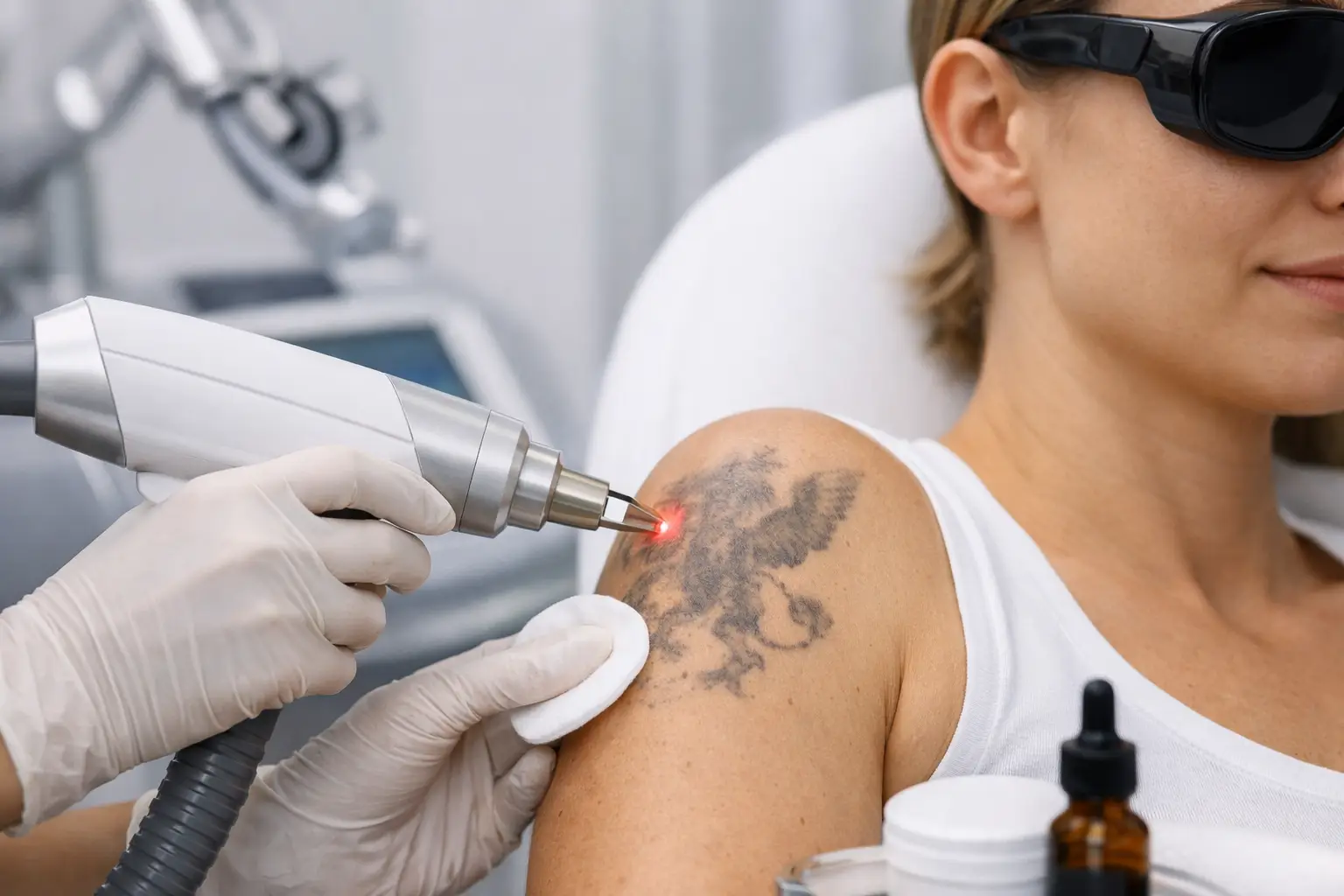
If your goal is visible fading with the lowest risk of skin damage, professional laser tattoo removal is generally the gold standard. It works by delivering targeted energy into the ink, breaking it into smaller particles so the body can gradually clear it away.
For old tattoos, this can be especially effective because some of the breakdown process may already be underway. That said, professional treatment is not just about using a laser. It is about matching the right settings to the ink colour, depth, skin type and location on the body.
Laser tattoo removal
Laser treatment is usually the most reliable option if you want meaningful fading or complete removal over time. It can be used whether you want to fully clear a tattoo or simply lighten it for a cover-up.
What makes laser the preferred option is control. A trained practitioner can assess how your skin is likely to respond, adjust the treatment plan as sessions progress, and monitor healing between appointments. That matters because old tattoos do not always fade in a straight line. Some areas may lift quickly while others hold onto pigment for longer.
Most clients need multiple sessions spaced out over time. This gives the skin a chance to recover and the body time to process shattered ink particles. Faster is not always better. Trying to rush treatment can increase irritation without improving results.
Fading for a cover-up
Not everyone wants a tattoo gone completely. In many cases, clients simply want enough fading to make room for better artwork. This is often a smart middle ground if you still like the idea of having a tattoo, just not the one you currently have.
A few carefully planned laser sessions may lighten the existing design enough for a tattoo artist to work with more flexibility. That can open up better colour choices, cleaner line work and a more balanced final result. If this is your goal, it helps to say so early, as the treatment plan may be different from full removal.
Why DIY methods are not among the best ways to fade old tattoos
When people feel frustrated with an old tattoo, they often search for at-home fixes first. Creams, acids, scrubs and homemade fading methods are commonly marketed as gentle alternatives. The problem is that they rarely reach the ink in any meaningful way.
Tattoo pigment sits below the outer layer of skin. Most topical products only affect the surface, which means they can irritate the skin without substantially fading the tattoo. In some cases, people end up with inflammation, uneven pigment changes or scarring, while the tattoo itself stays largely the same.
Salt abrasion and aggressive exfoliation are especially risky. These methods can damage the skin barrier and create texture changes that are much harder to treat than the tattoo. If your long-term goal is clearer skin, causing trauma to the area is usually a step backwards.
Natural fading over time is real, but trying to force that process with unproven products is rarely worth it.
What affects how quickly an old tattoo fades?
Even with the right treatment, timelines vary. One person’s old black tattoo may respond quickly, while another person’s faded multicoloured design takes much longer. That is normal.
Placement is one of the biggest factors. Tattoos closer to the heart and with better circulation often respond more efficiently than tattoos on hands, feet or lower legs. Your immune response matters too, because your body helps clear fragmented ink after each session. General health, smoking, sun exposure and aftercare all influence the pace of fading.
Ink composition is another variable. Older tattoos may contain pigments that were used differently years ago, and not all inks react the same way to laser energy. This is one reason why a personalised treatment plan is so important. Good treatment is not just about the machine. It is about clinical judgement.
How to support better results between sessions
The best thing you can do between treatments is let your skin heal properly. Picking at the area, overexposing it to the sun, or using harsh active skincare can slow progress and increase the chance of irritation.
Keeping the area protected from UV exposure is especially important. Tanned or sun-damaged skin can complicate treatment and healing, and it may limit when laser sessions can safely go ahead. Simple aftercare, good hydration and following professional advice tend to do more for your result than any fad product.
Patience helps as well. Tattoo fading happens gradually, not overnight. Some of the most noticeable change often appears in the weeks after treatment, as the body continues clearing ink naturally.
When old tattoos need extra caution
Some older tattoos sit over skin that has changed a lot since the tattoo was first done. There may be sun damage, mild laxity, old scarring or previous attempts at removal. In these cases, a cautious plan is not a slower plan for the sake of it. It is the smarter one.
A reputable clinic should be upfront about trade-offs. If the priority is protecting skin quality, treatment may need to be staged more conservatively. If a tattoo contains resistant colours, complete removal may take longer than expected. If the area has textural change already, improving the tattoo without worsening the skin becomes the main focus.
That kind of honesty is worth looking for. Good advice should leave you feeling informed, not pressured.
Choosing the right professional help
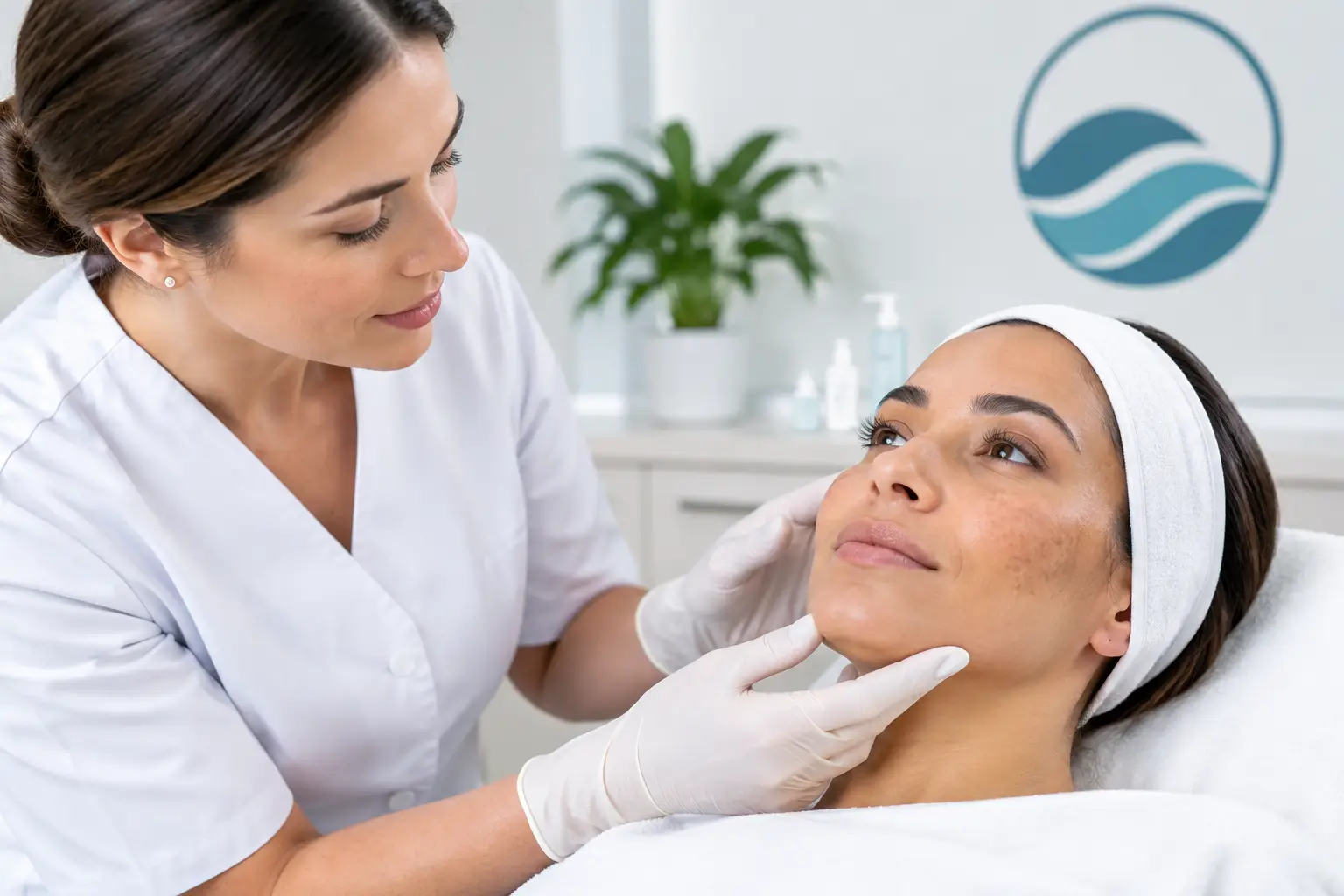
If you are comparing options, look beyond the promise of quick removal. Experience, licensing, consultation quality and treatment planning all matter. You want a provider who can explain what is realistic for your tattoo, your skin and your end goal.
For clients across the Sunshine Coast, especially those considering treatment for an old or already faded tattoo, that reassurance can make the decision much easier. A clinic such as Coastal Skin Clinic focuses on safe, effective treatment with personalised guidance, which is exactly what this process calls for.
The best consultation should feel clear and supportive. You should come away understanding how your tattoo is likely to respond, how many sessions may be needed, what healing will involve, and whether partial fading or full removal makes the most sense.
The best first step if you want to fade an old tattoo
If you are serious about fading an old tattoo, start with a professional assessment rather than a product shelf or social media hack. Old tattoos can respond very well, but the safest path depends on the ink, the skin, and what you want the area to look like when the process is done.
Sometimes the goal is complete removal. Sometimes it is enough to lighten the tattoo so it no longer draws the eye. And sometimes the right answer is a few well-timed sessions and a realistic plan. Clearer skin usually starts there – with advice that is personal, practical and grounded in what will actually work for you.