Booking laser treatment without a proper skin consultation before laser treatment is a bit like buying prescription glasses without an eye test. You might still go ahead, but you are guessing. When your skin, comfort and results are involved, guessing is not good enough.
A consultation is where safe, effective treatment begins. It gives your clinician the chance to assess your skin properly, understand what you want to improve, and decide whether laser is the right option at all. For some clients, that means moving ahead with confidence. For others, it means adjusting timing, changing the treatment plan, or choosing a better alternative.
What happens in a skin consultation before laser treatment
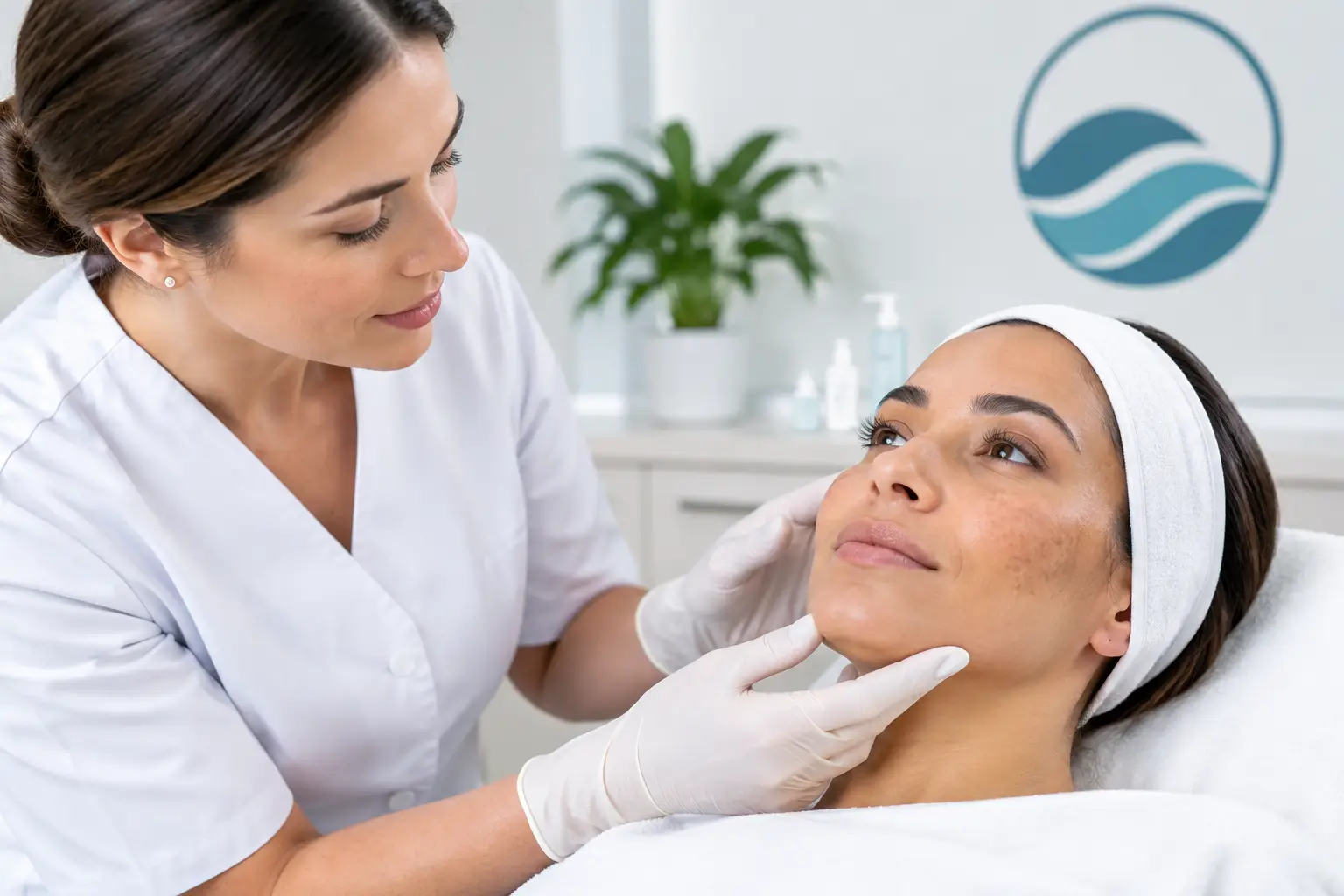
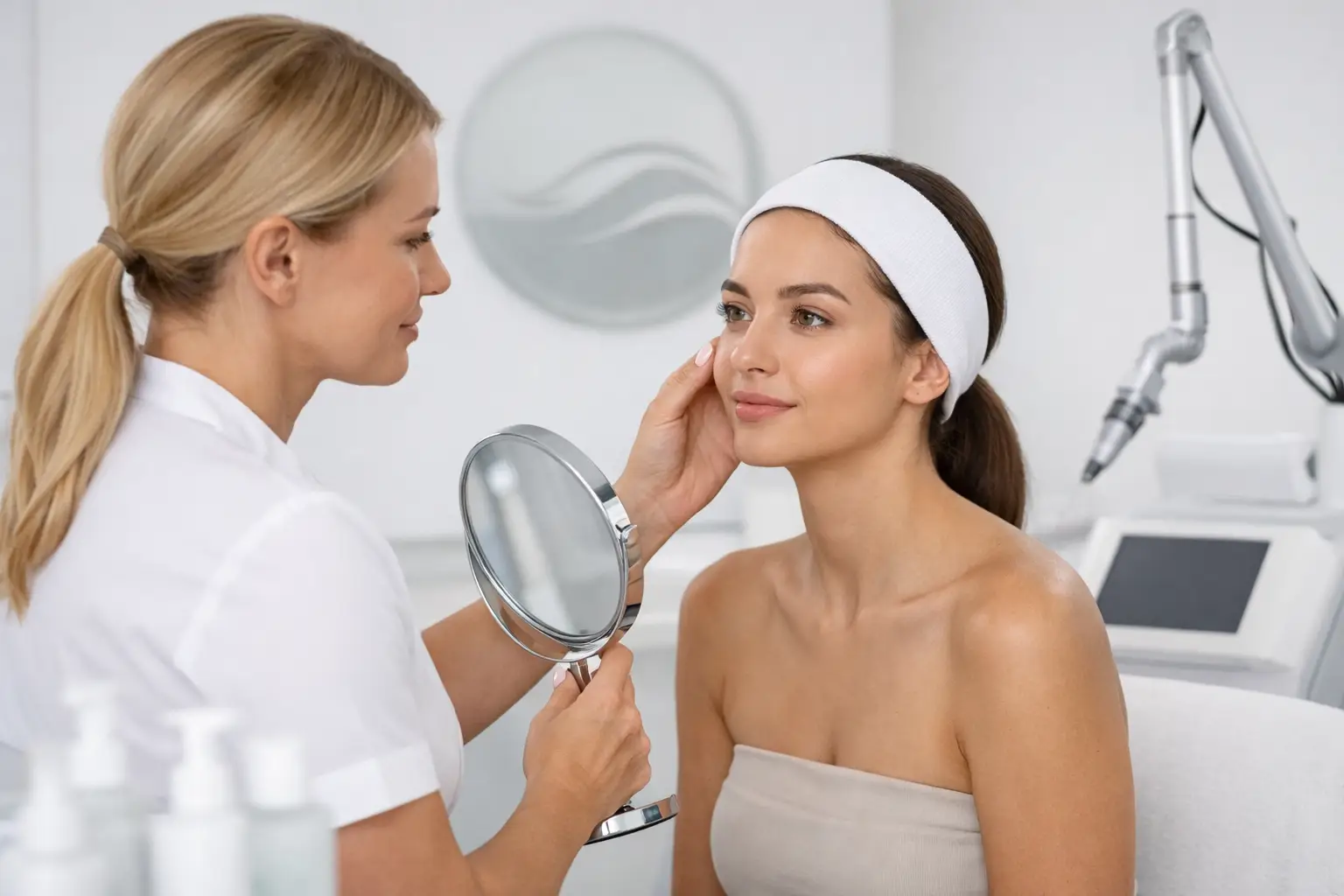
A quality consultation is not just a quick chat at the reception desk. It should feel thorough, personal and clinically guided. Your practitioner will usually look at your skin type, tone, texture, sensitivity, current concerns and relevant medical history. They may also ask about medications, active skincare, recent sun exposure, previous treatments and how your skin tends to heal.
That detail matters because laser is not one-size-fits-all. The settings used for tattoo removal are different from those used for rejuvenation or IPL hair reduction, and even within the same treatment category, your plan needs to be tailored. Skin tone, pigment activity, vascular concerns and barrier health can all affect how your skin responds.
In many cases, your consultation will also cover what you can realistically expect. That part is just as important as the assessment itself. Good treatment planning is honest. If a concern will take multiple sessions, if downtime is likely, or if results depend on how well you follow aftercare, you should know that before you commit.
Why the consultation matters for safety
Laser treatments can deliver excellent results, but they are still advanced skin procedures. A consultation helps reduce avoidable risks by identifying factors that could increase the chance of irritation, pigmentation changes or poor healing.
For example, recent sun exposure can make some treatments unsuitable for the moment. Certain medications may increase photosensitivity. Active acne, broken skin, dermatitis or infection may mean it is safer to delay treatment until your skin is calmer. If you are using retinoids, acids or other active ingredients, your clinician may need to guide you on when to pause them.
This is also where skin type matters. Different skin tones absorb and respond to light-based treatments differently, so the wrong settings can create unnecessary risk. A proper consultation gives your practitioner the information needed to choose an approach that is appropriate for your skin, not just for the machine.
If you have had laser elsewhere and felt that the process was rushed, this is usually the missing piece. Technology matters, but the judgment behind it matters more.
It is not only about safety – it is about better results
Many clients think of consultation as a formality before treatment starts. In reality, it often shapes the quality of the outcome.
When your practitioner understands your goals clearly, they can recommend the treatment that is most likely to get you there. Sometimes clients book in expecting one thing and learn that another option would suit them better. Someone wanting clearer, brighter skin may assume laser rejuvenation is the answer, but depending on the concern, a peel, microdermabrasion or a staged treatment plan may be more effective. A client seeking hair reduction may need to understand the difference between reduction and permanent removal claims. A tattoo removal client may need to know how ink colour, depth and skin response affect the number of sessions.
That level of clarity helps avoid disappointment. It also means your money is being spent on a treatment plan with purpose, not guesswork.
Questions your clinician should be asking
A strong skin consultation before laser treatment should feel detailed for a reason. Your practitioner is building a picture of your skin and your risk factors. Expect questions about your health history, current skincare, allergies, medications, pregnancy status where relevant, and whether you are prone to pigmentation or scarring.
They should also ask about your lifestyle. Do you spend a lot of time outdoors? Have you recently tanned or used fake tan? Are you preparing for an event and hoping to time your treatment around it? These questions are practical, but they can influence both your treatment timing and your results.
Just as importantly, they should ask what is bothering you and what a successful result looks like to you. Two people can have the same skin concern and want very different outcomes. One may want the strongest possible correction, while another wants minimal downtime and a more gradual change.
Questions you should be asking too
Consultations work best when they are a conversation. You do not need to know all the technical terms, but you should feel comfortable asking what treatment is being recommended and why.
It is reasonable to ask how many sessions you may need, what downtime to expect, how your skin may look afterwards, what aftercare is involved, and what risks are relevant to your skin. You can also ask what happens if your skin does not respond as expected, or whether there are alternative options if laser is not suitable.
If the answers feel vague or overly sales-driven, that is worth noticing. A good consultation should leave you feeling informed, not pressured.
When laser may need to wait
Not every consultation ends with same-day treatment, and that is often a good sign. Responsible clinicians know when it is better to prepare the skin first or delay treatment.
You may be asked to wait if your skin is sunburnt, irritated, inflamed or compromised. You may need to stop certain active products for a period beforehand. In some cases, treating the skin barrier first can improve both comfort and results later on. This is particularly relevant for clients with sensitive skin, rosacea-like redness or post-inflammatory pigmentation.
Waiting can feel frustrating when you are ready to get started, but it is often the decision that protects your skin and improves the final outcome. Fast is not always best in skin treatment.
Why patch testing and personalised planning matter
Depending on the treatment and your skin profile, patch testing may be recommended as part of the consultation process. This small step can provide useful insight into how your skin responds before full treatment begins.
Personalised planning goes beyond machine settings. It includes timing your sessions correctly, preparing your skin properly, and making sure aftercare is realistic for your routine. If you work outdoors on the Sunshine Coast, for example, sun management becomes a more important part of the plan than it might for someone who spends most of the day indoors.
This is where an experienced clinic stands apart. The goal is not just to deliver treatment. The goal is to guide you through it in a way that is safe, practical and likely to achieve visible improvement.
What a good consultation should feel like
Professional care should never feel cold or rushed. At the same time, reassurance should not come at the expense of clinical honesty. The best consultations strike both notes. You feel looked after, and you also feel that the advice is grounded in experience.
That usually means clear explanations, realistic recommendations and time for questions. It means being told when laser is a strong option and when another treatment may be better. It means understanding the process, not just signing off on it.
For first-time clients, this often brings immediate relief. Much of the anxiety around aesthetic treatment comes from not knowing what will happen or whether it is right for you. A thoughtful consultation removes that uncertainty. For experienced clients, it confirms that your skin is being assessed properly rather than treated according to a standard script.
Choosing expertise over guesswork
Laser technology can do a great deal, but results still depend on the person assessing your skin, setting your treatment plan and guiding your care. That is why the consultation matters so much. It is where safety decisions are made, expectations are set, and your treatment is tailored to your skin rather than squeezed into a generic package.
At Coastal Skin Clinic, this treatment-led approach is central to how care is delivered. The consultation is not an extra step added for form’s sake. It is the foundation of doing things properly.
If you are considering laser, the right place to start is not with the machine. It is with a clear, personalised assessment of your skin, your goals and what will genuinely serve you best.