A laser treatment can look simple from the outside – a few passes of a device, a short appointment, then home. But what matters most is everything the client does not see: practitioner training, device standards, clinical protocols, skin assessment and how safely the treatment is planned. That is why choosing a QLD Health licensed laser clinic is more than a box to tick. It is one of the clearest signs that your care is being delivered in a properly regulated setting.
For many people, the first concern is results. Will the tattoo fade? Will the skin look clearer? Will hair reduction actually last? Those are fair questions. But the better question is whether the clinic has the right foundations in place to deliver those results safely and appropriately for your skin, goals and treatment history.
What a QLD Health licensed laser clinic tells you
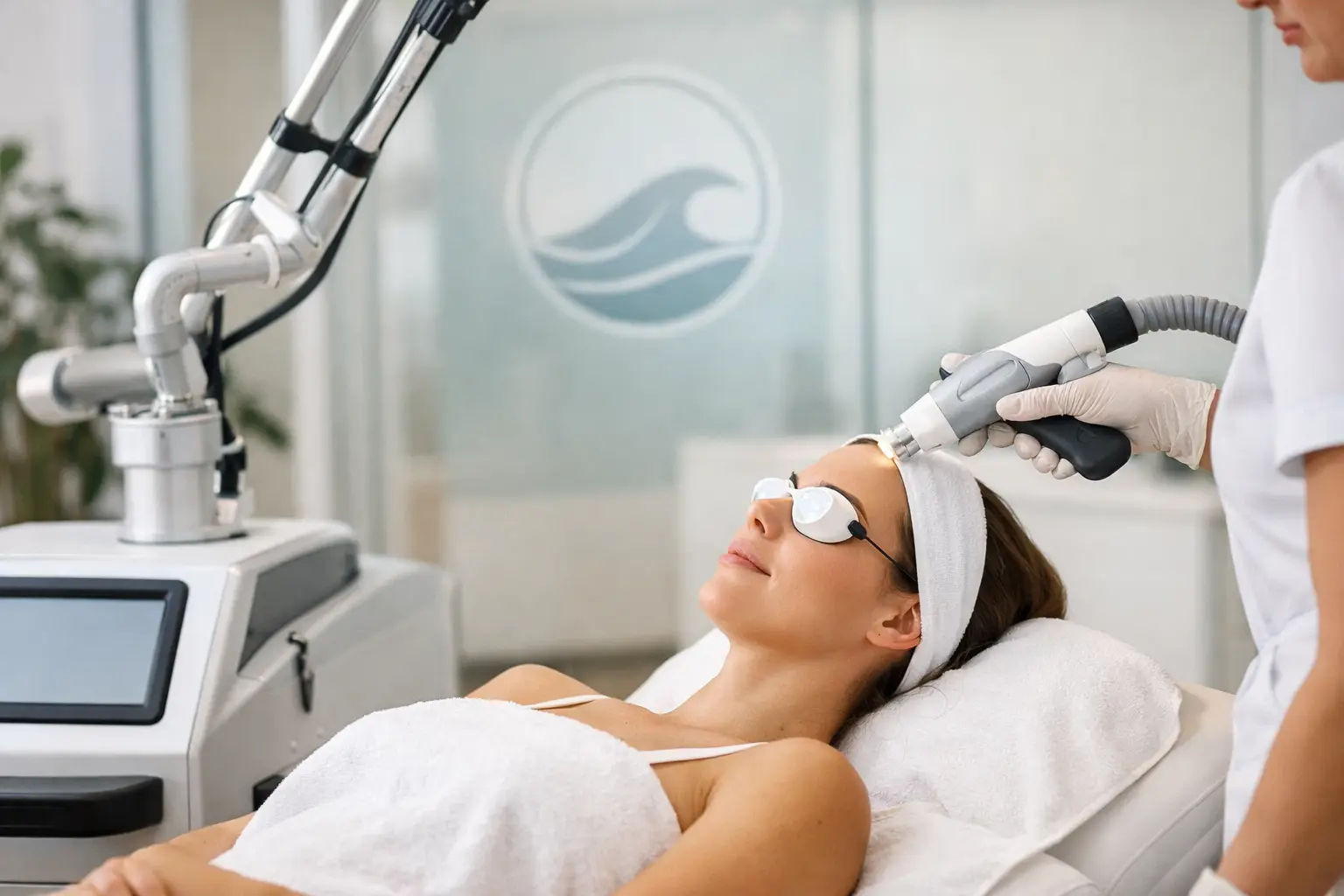
A QLD Health licensed laser clinic operates under regulatory requirements designed to support safe use of laser equipment in a clinical environment. For clients, that matters because laser treatments are not generic beauty services. They involve medical-grade technology, heat-based skin interaction and treatment settings that need to be chosen with care.
Licensing does not mean every treatment will feel the same from one clinic to another, and it does not replace clinical judgement or experience. What it does mean is that the clinic has met specific requirements around laser use and compliance. It is a practical trust signal, especially if you are comparing providers and trying to work out who takes safety seriously.
That becomes even more important when treating concerns such as tattoo ink, pigmentation, textural change, unwanted hair or signs of ageing. These are not one-size-fits-all issues. Skin type, sun exposure, medications, previous treatments and healing history can all affect what is suitable.
Why licensing matters before any laser treatment
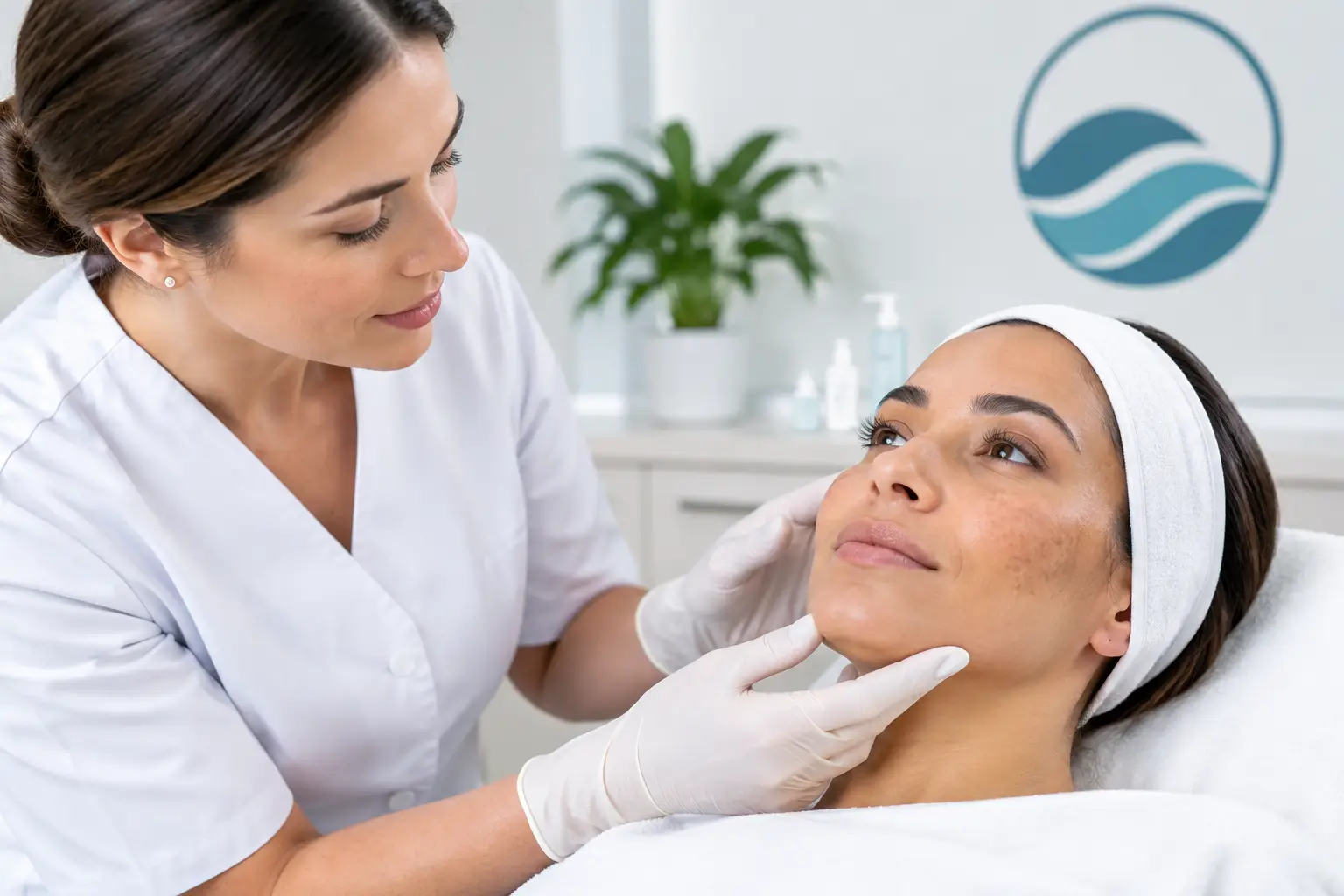
The best laser outcomes usually begin before the first session. A proper consultation should look at your skin, your goals and any factors that may change the treatment plan. In a licensed setting, this process tends to be approached with the level of care it deserves.
For example, laser tattoo removal is not just about aiming for the fastest fade. Different ink colours can respond differently. Older tattoos may behave differently from newer ones. Placement on the body can also influence progress. A rushed or overly aggressive approach can increase the risk of unnecessary skin stress, while a thoughtful plan gives your skin the best chance to recover well between sessions.
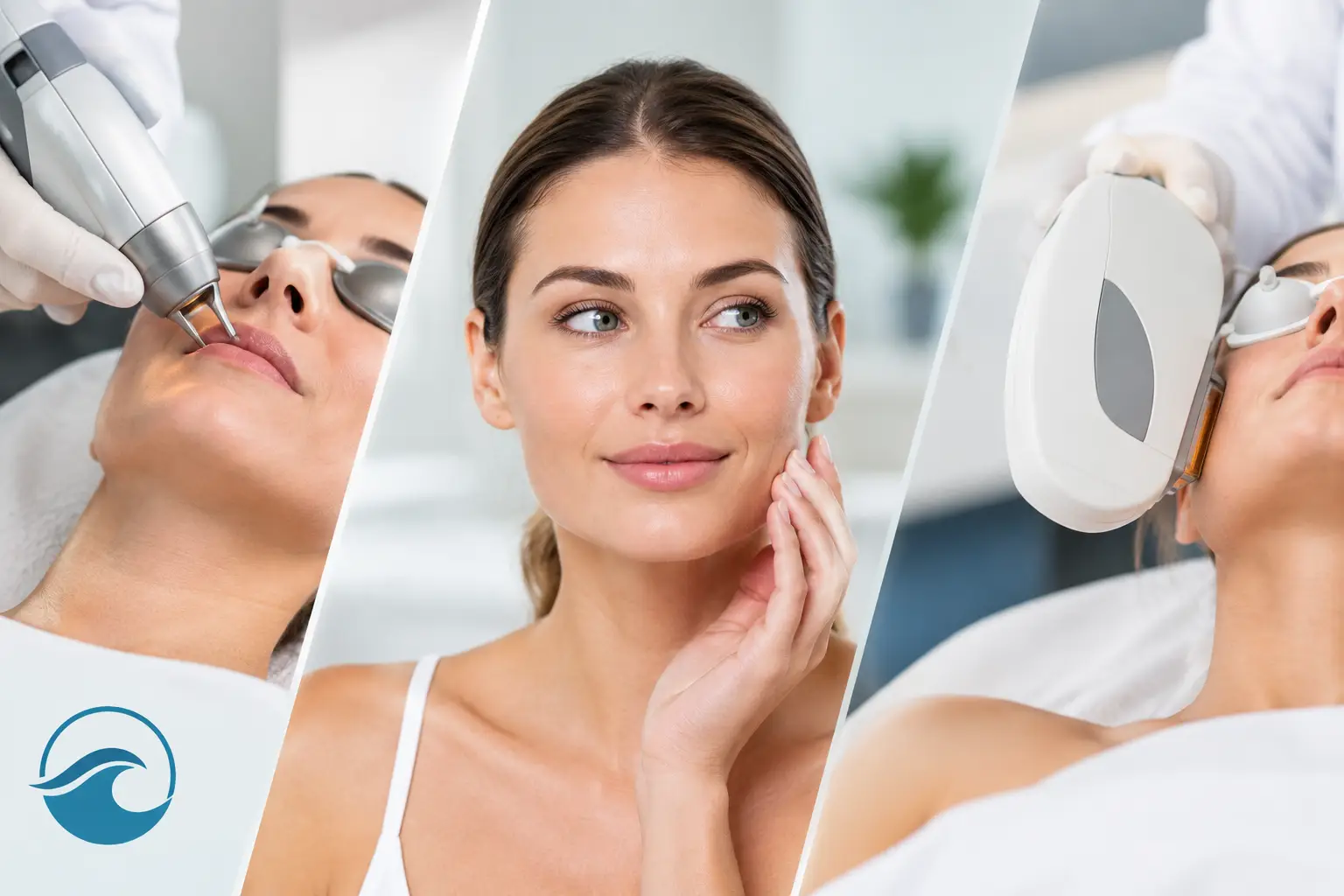
The same applies to skin rejuvenation and IPL-based treatments. Not every redness, mark or uneven patch should be treated in the same way. Sometimes the right answer is to proceed with laser. Sometimes it is to prepare the skin first, space treatments further apart or choose another service entirely. Good care is not about pushing a machine into every situation. It is about knowing when laser is appropriate and when a different pathway will serve the client better.
Safety and results are connected
Some people think of safety and results as separate things. In reality, they are closely linked. Safer treatment planning often leads to more consistent outcomes because the skin is being managed properly at every stage.
That includes setting realistic expectations. A trustworthy clinic will explain that visible improvement can take time and that many laser services work best as a course of treatments rather than a single visit. This is especially true for tattoo removal, collagen-focused rejuvenation and long-term hair reduction. Quick promises can sound appealing, but they are rarely the mark of careful treatment.
It also includes aftercare. The way your skin is supported after treatment can affect comfort, healing and final results. Clear guidance around sun exposure, active skincare, healing time and follow-up matters. A professional clinic should make that part straightforward, not vague.
The difference a personalised plan makes
One of the strongest signs of quality care is personalisation. Even when two clients book the same service, their treatment plans may look quite different.
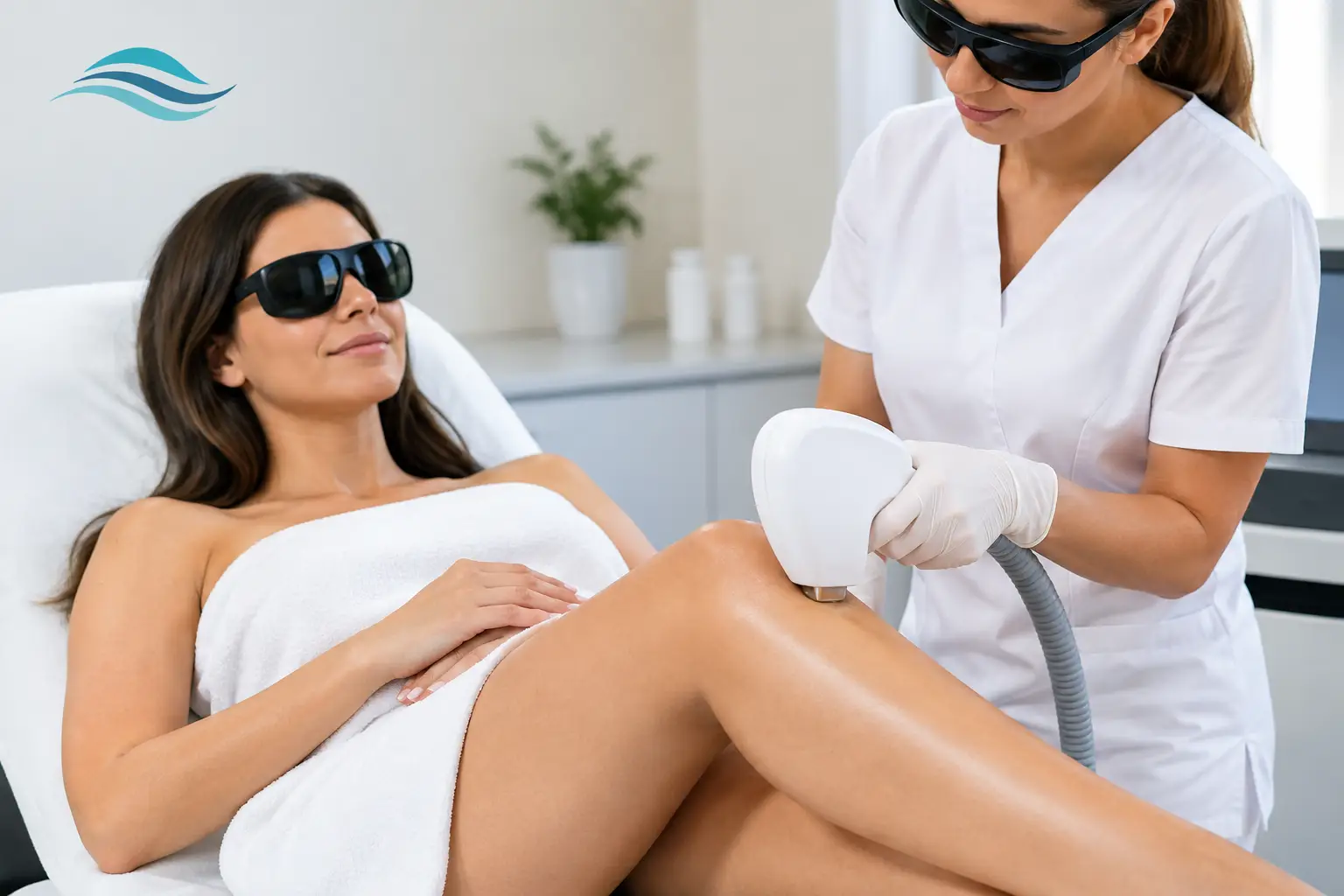
A client wanting laser tattoo removal may need a conservative start if the tattoo is large, colourful or in a slower-clearing area. Someone booking skin rejuvenation may need treatment timed around work, events or seasonal sun exposure. A person exploring IPL hair reduction might need advice on skin preparation, shaving, treatment intervals and whether their hair type is likely to respond well.
This is where experience and communication matter as much as the device itself. Advanced technology is valuable, but technology alone does not create good outcomes. What makes the difference is how that technology is selected, adjusted and applied for the person in front of you.
At a clinic level, that usually shows up in the details. You are listened to. Your questions are answered clearly. Trade-offs are explained. If something is not suitable, you are told. If results are likely to take time, that is discussed upfront rather than softened into a sales pitch.
Questions worth asking a laser clinic
If you are comparing providers, it helps to ask simple, practical questions. Is the clinic licensed? Who performs the treatment? How is suitability assessed? What kind of aftercare support is provided? What results are realistic for your skin and concern?
You do not need a technical lecture. You need clear answers that help you feel informed and comfortable. A good clinic should be able to explain the process in plain language while still showing strong clinical knowledge.
It is also reasonable to ask about treatment intervals, expected downtime and how many sessions may be required. No ethical provider can promise an exact result for every person, because skin response varies. But they should be able to give you a realistic treatment framework and explain what may influence progress.
QLD Health licensed laser clinic care is not just for complex cases
Some clients assume licensing is only relevant for high-intensity or corrective treatments. In fact, it matters across a wide range of services. Whether you are booking tattoo removal, skin rejuvenation or laser-based hair reduction, the same principles apply: proper assessment, safe protocols, appropriate settings and well-managed follow-up.
This is especially reassuring for first-time clients. If you have never had laser before, the process can feel unfamiliar. You may be unsure about discomfort, downtime or whether your skin is suitable. Being treated in a licensed clinic helps remove some of that uncertainty because there is a stronger framework around how care is delivered.
For experienced aesthetic clients, licensing matters for a different reason. You may already know that not all providers operate at the same standard. If you have had treatments elsewhere, you can usually tell when a clinic is taking a more professional, treatment-led approach. The consultation is more thorough. The recommendations are more tailored. The focus is on long-term skin outcomes, not just getting you in and out.
Choosing confidence over guesswork
In the Sunshine Coast area, many people looking for skin and laser treatments are not chasing the cheapest option. They are looking for confidence. Confidence that the clinic knows what it is doing. Confidence that treatment choices are made carefully. Confidence that if they are investing in their skin, they are doing it in a setting built around safe and effective care.
That is where a clinic such as Coastal Skin Clinic stands apart. The value is not only in the treatment menu. It is in the combination of professional guidance, personalised planning, modern technology and a warm, supportive experience that helps clients feel looked after from consultation through to results.
A QLD Health licensed laser clinic should give you more than access to a machine. It should give you peace of mind, honest advice and a treatment plan that respects both your skin and your goals. When that standard is in place, the decision feels simpler – and your next step feels a lot more comfortable.