A cheap session can end up being the most expensive mistake if it leaves you with poor fading, extra treatments or avoidable skin damage. If you are wondering how to choose tattoo removal clinic care with confidence, the best place to start is not the advertised price. It is the standard of care behind the laser.
Tattoo removal is a medical-grade aesthetic treatment. The right clinic will look beyond the ink itself and assess your skin, the tattoo’s age, colour, depth, location and your treatment goals before they touch a laser. That early attention to detail often tells you more than any sales pitch.
How to choose a tattoo removal clinic without guesswork
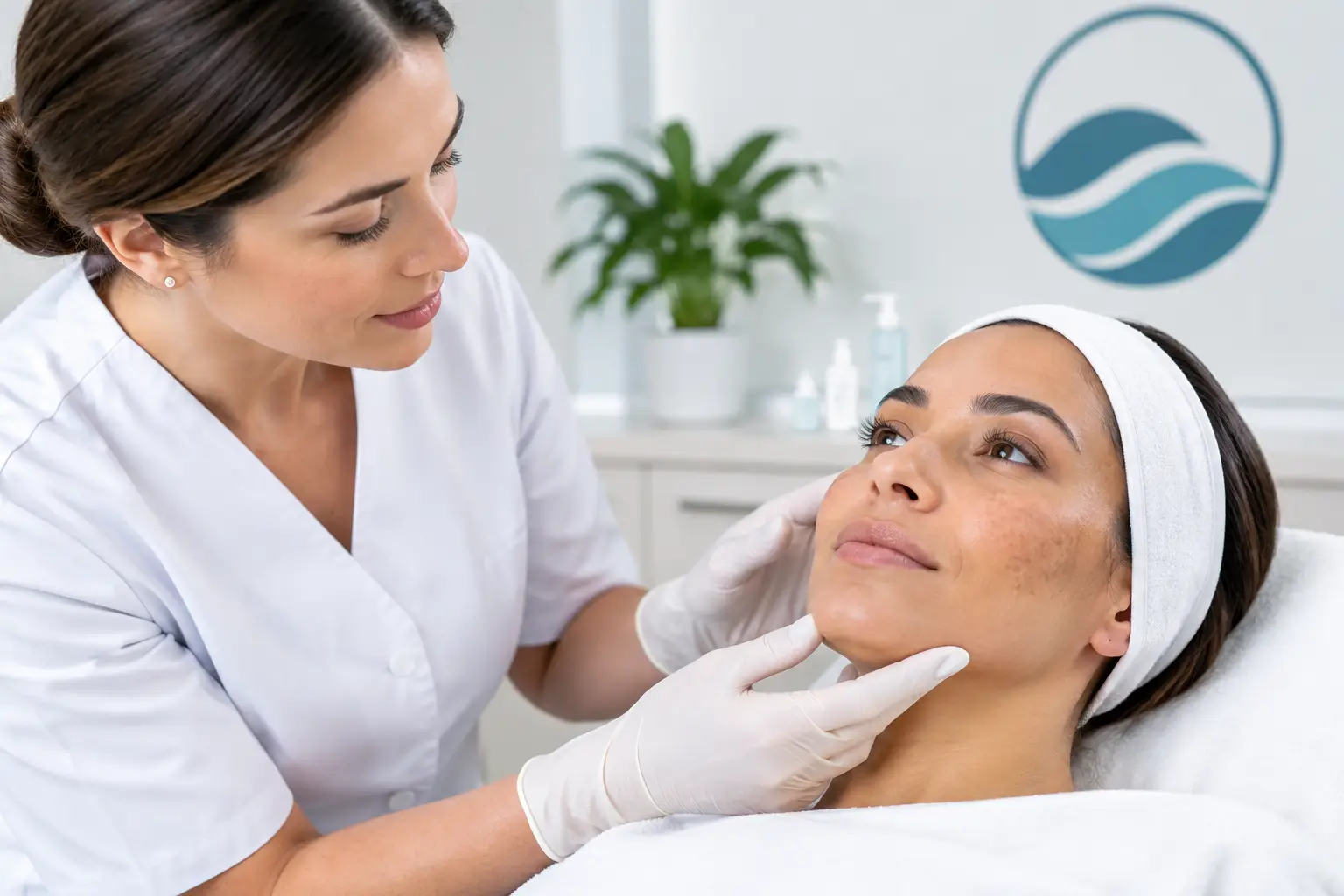
A good clinic should make you feel informed, not pressured. During your consultation, you should come away with a clear understanding of what is realistic for your tattoo, how many sessions may be needed, how your skin is likely to respond and what aftercare will involve.
If the conversation feels rushed, overly vague or focused on locking you into a package, that is worth paying attention to. Tattoo removal is rarely one-size-fits-all. Different inks respond differently, some tattoos fade quickly and others are much more stubborn. A credible clinic will say that plainly.
The best providers also explain the trade-offs. Faster is not always safer. Higher settings are not always better. Complete removal is possible for many tattoos, but not every tattoo will fade at the same rate or to the same extent. Honest guidance is a strong sign you are in capable hands.
Start with safety and licensing
When choosing a clinic, safety should sit right at the top of your list. You want to know who is performing the treatment, what training they have and whether the clinic is properly licensed to operate the equipment they use.
In Queensland, this matters. Laser services are regulated, and that should give you some reassurance as a client. A professional clinic should be transparent about licensing, qualifications and treatment protocols. If that information feels hard to get, or you are brushed off when you ask, move on.
Safety also shows up in the smaller details. Is there a proper consultation before treatment? Are contraindications discussed? Do they ask about your medical history, medications, skin sensitivity and previous laser treatments? These are not formalities. They help reduce risk and shape a safer, more effective treatment plan.
The laser matters, but so does the person using it
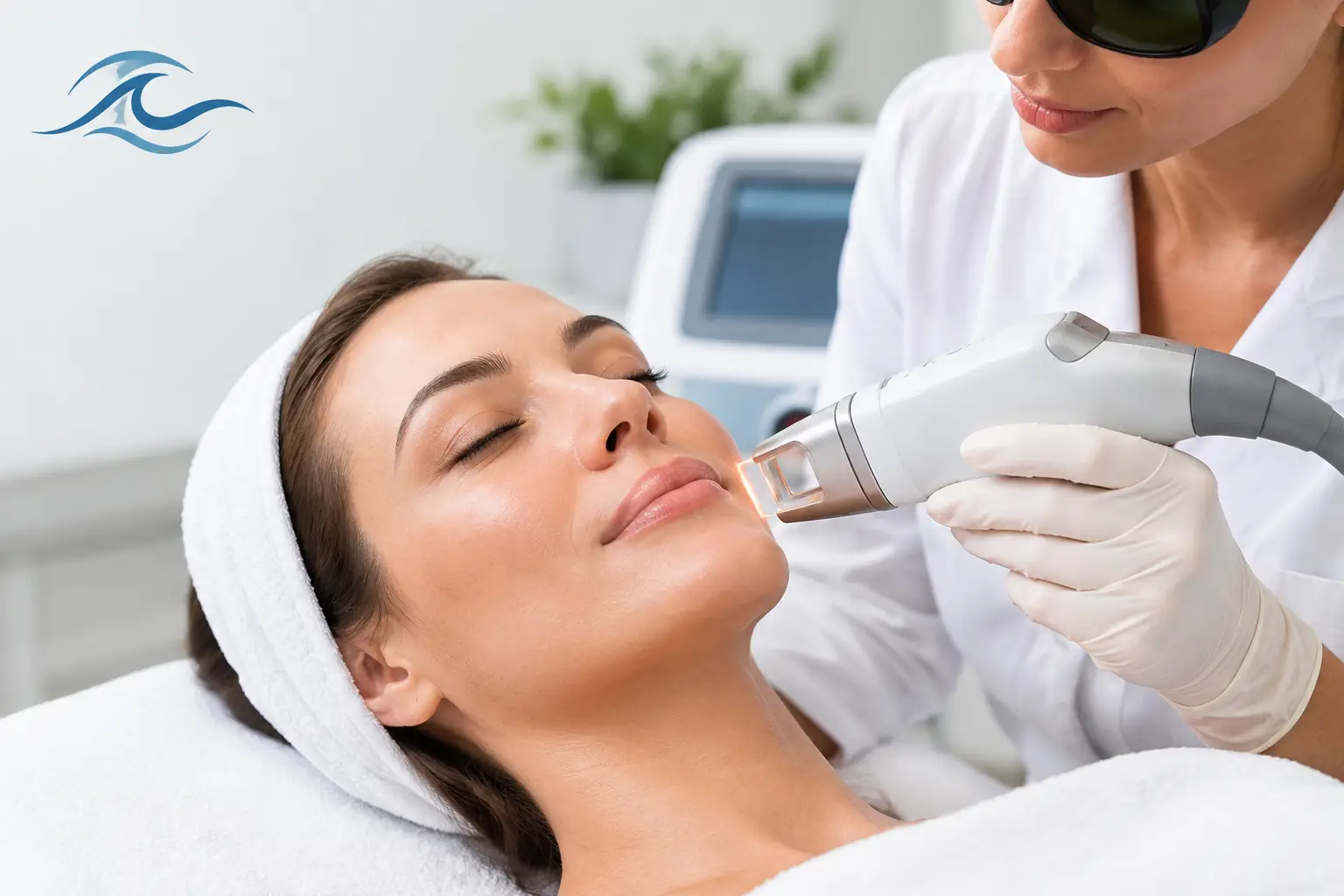
Many people compare clinics based on the type of laser alone, and while technology matters, it is only part of the picture. Even an advanced laser can produce disappointing results in inexperienced hands. A skilled practitioner knows how to assess the tattoo, adjust settings appropriately and respond to how your skin is healing between visits.
Black ink usually responds best, while colours like green, blue and yellow can be more difficult. Amateur tattoos often behave differently from professional ones. Cover-ups, cosmetic tattoos and older tattoos each bring their own challenges. This is where practitioner experience becomes especially important.
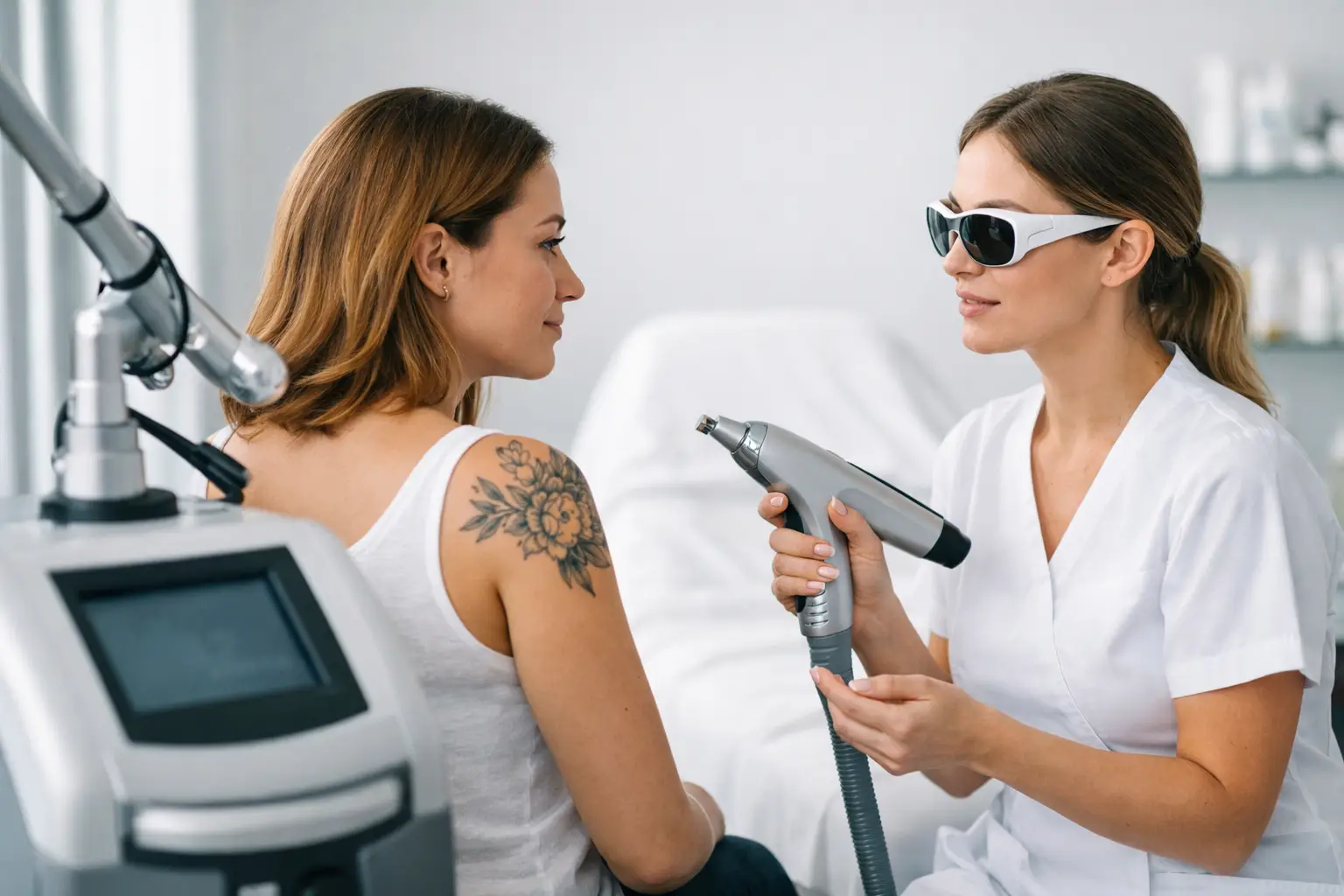
A good clinic will talk you through the kind of laser they use and why it is suitable for your tattoo and skin type. They should be able to explain expected outcomes in plain language, without hiding behind technical jargon. You do not need a lecture. You need clarity.
Look for a personalised treatment plan
If you are trying to work out how to choose tattoo removal clinic care that actually suits you, look closely at how personalised the consultation feels. Tattoo removal works best when treatment is tailored, not templated.
Your practitioner should assess more than the tattoo itself. Your skin tone, healing response, sun exposure, lifestyle and whether you want full removal or fading for a cover-up all influence the plan. Even the timing of sessions matters. Spacing treatments too closely can irritate the skin without improving results.
Personalised care is often what separates a specialist clinic from a high-volume service. It means the recommendation is based on what your skin can tolerate and what your tattoo is likely to need, rather than what is easiest to sell.
Before and after photos should feel realistic
Photos can be helpful, but they need context. A trustworthy clinic will show results that reflect real treatment journeys, not only the most dramatic transformations. They should also be willing to explain how many sessions were involved, what kind of tattoo was treated and whether the client had factors that made removal easier or harder.
Be cautious of clinics that promise very fast clearance or make removal sound simple for every client. Good fading takes time. The body needs time to process fragmented ink, and the skin needs time to recover between sessions.
Visible results matter, but so does the honesty around them. A clinic that sets realistic expectations is usually far more invested in your outcome than one that overpromises early on.
Ask about aftercare and support
The treatment itself is only one part of the process. Proper aftercare supports healing, lowers the risk of complications and helps protect your results. A clinic should give you clear, practical advice on what to do after each session, what to avoid and what normal healing looks like.
This includes guidance around sun exposure, heat, exercise, friction and picking at the area. You should also know when to contact the clinic if something does not seem right. That ongoing support can make a big difference, especially if this is your first laser treatment.
Warm, professional care matters here. Tattoo removal can feel emotional as well as physical. Some clients are removing a reminder they are ready to move on from. Others are preparing for a fresh start with a cover-up. Feeling supported through the process is not a bonus. It is part of good care.
Reviews can tell you what the consultation cannot
Reviews are worth reading, especially when they mention communication, comfort, consistency and follow-up care. Results matter, of course, but so does the overall experience. Was the practitioner reassuring? Did the client feel listened to? Were expectations handled well?
Look for patterns rather than one glowing comment or one negative review. If multiple people mention professionalism, cleanliness, clear advice and visible progress, that is useful. If several reviews mention feeling rushed, confused or disappointed by the consultation, that is useful too.
For clients on the Sunshine Coast, it can also help to choose a clinic that is practical to return to for a series of appointments. Convenience should not be the main deciding factor, but it does matter when tattoo removal is a treatment journey rather than a once-off visit.
Questions worth asking at your consultation
A quality clinic should welcome questions. You do not need to interrogate the practitioner, but a few direct questions can help you understand whether their approach is right for you.
Ask who will perform the treatment and what experience they have with tattoo removal. Ask what type of laser is used for your tattoo colours and skin type. Ask how many sessions may be needed and what factors could affect the result. Ask about risks, aftercare and how the clinic manages skin reactions if they occur.
Pay attention not just to the answers, but to how they are given. You want straightforward, calm and informed responses. If the clinic seems defensive or evasive, trust your instincts.
Cost matters, but value matters more
Most people compare prices, and that is understandable. But the lowest price per session does not always mean better value. If treatment is poorly performed, ineffective or too aggressive, you may end up needing more sessions or dealing with skin issues that could have been avoided.
It is more useful to think in terms of overall value. Are you paying for qualified care, appropriate technology, a proper consultation and a treatment plan built around your skin and tattoo? Are you being guided by someone who is focused on safe progress rather than quick turnover?
That does not mean the most expensive clinic is automatically the best. It means price should sit alongside experience, safety, technology and trust when you make your decision.
Choosing a tattoo removal clinic is really about choosing the standard of care you want around your skin. The right clinic will be clear, skilled and honest from the first conversation, and that confidence tends to show long before the first session begins.