IPL hair reduction is not a treatment where booking every available appointment gets you there faster. The timing between sessions matters because hair grows in cycles, and IPL works best when a hair is in the right stage of that cycle. This guide to IPL treatment intervals explains what that means for your treatment plan, what can affect your schedule, and why a personalised approach usually delivers the best experience.
At Coastal Skin Clinic, we understand that clients want to see a visible change without feeling overwhelmed by clinical jargon or uncertain about what comes next. A clear schedule, expert assessment and realistic expectations can make the process feel much more manageable.
Why IPL treatment intervals matter
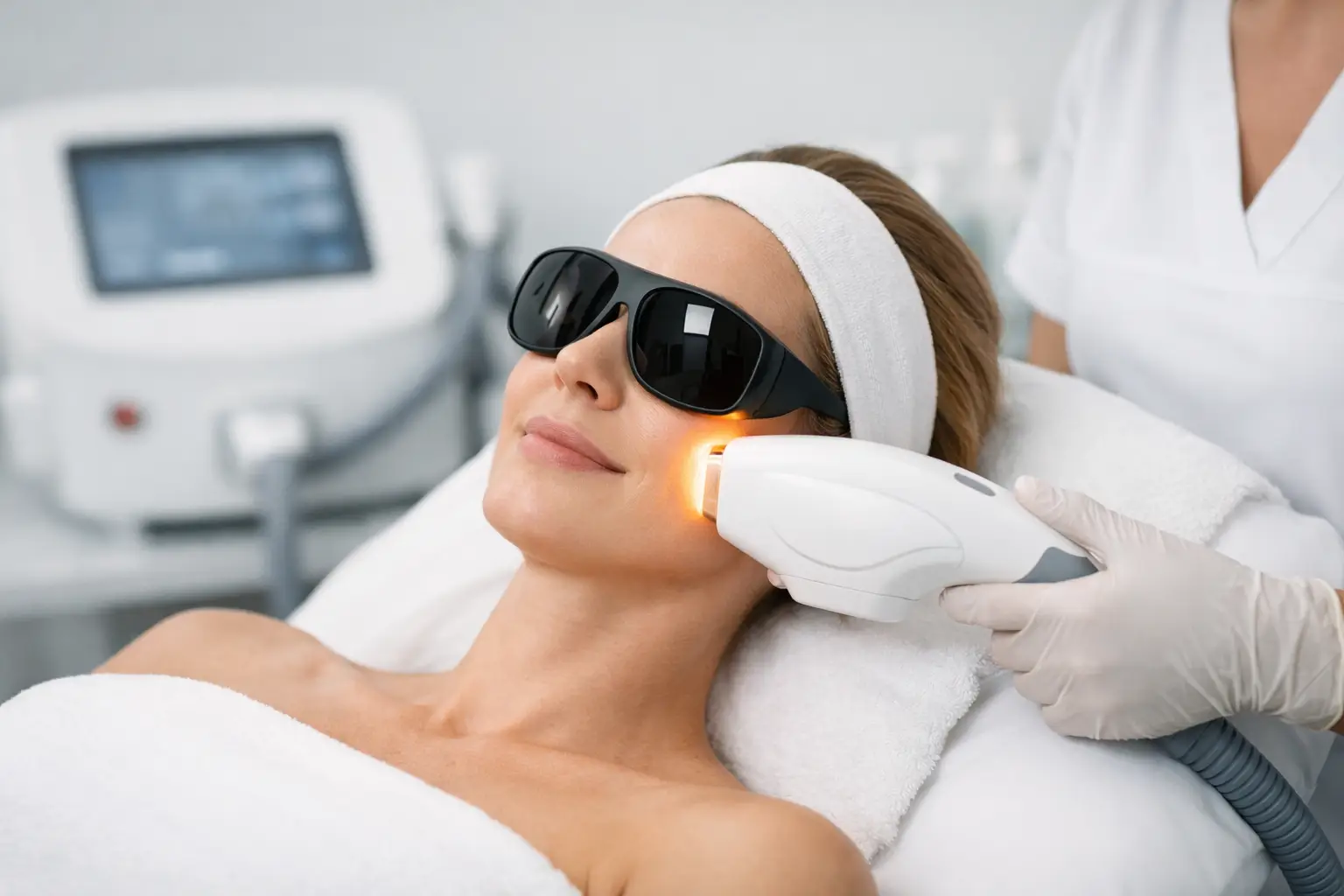
IPL, or Intense Pulsed Light, targets pigment in the hair. The light energy is absorbed by the hair and directed towards the follicle, helping to disrupt future growth. However, not every hair in an area is actively growing at the same time.
Hair moves through several stages: active growth, transition and resting. IPL is most effective when hair is in its active growth phase, often called anagen, because the hair is still connected to the follicle. At any one appointment, only a portion of hairs will be in this phase. The hairs that are dormant or transitioning may not respond in the same way until a later session.
That is why sessions need space between them. Treating too soon may mean there are fewer suitable hairs to target, while waiting far longer than advised can slow the overall process. The aim is not to follow a rigid calendar. It is to book at the point when newly active hairs are likely to be present.
A guide to IPL treatment intervals by area
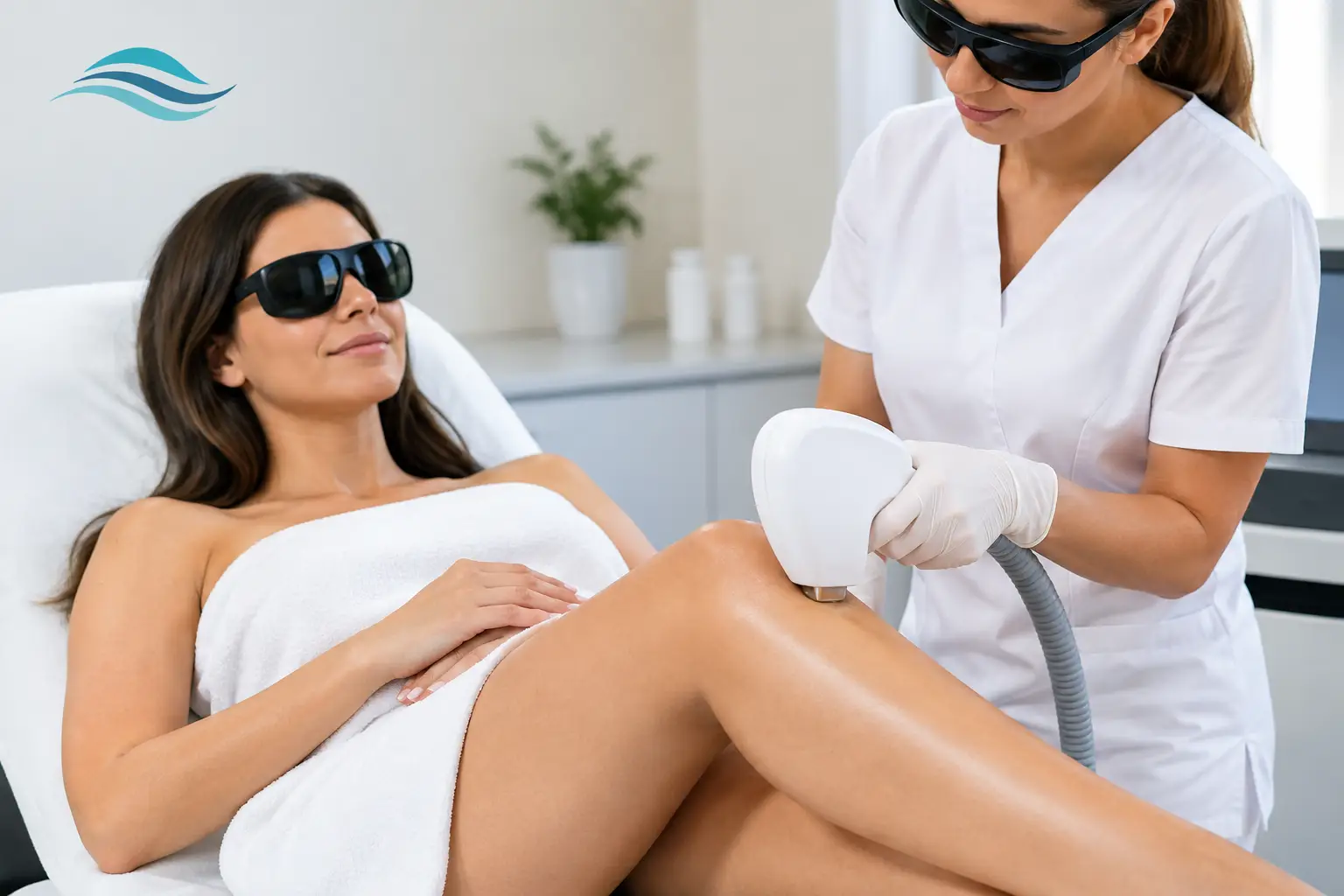
For many people, IPL hair reduction appointments are initially scheduled around four to six weeks apart. This is a useful starting point, not a one-size-fits-all rule. Different body areas grow hair at different speeds, so treatment intervals may change depending on where you are being treated.
Facial areas can sometimes need shorter intervals, often around three to four weeks in the early stages, as facial hair may cycle more quickly. Underarms and bikini areas commonly suit intervals around four to six weeks. Legs, arms, back and chest may require more time between appointments, often six to eight weeks, because the hair-growth cycle can be slower.
Your practitioner will assess the area, your skin response and the pattern of regrowth before recommending the next session. If hair is still shedding after treatment or there is very little regrowth, the best decision may be to wait. More appointments do not automatically mean better results.
Your first course of treatments
Most clients need a series of treatments rather than a single session. The number required varies with hair colour, density, the area being treated, hormone influences, skin type and your individual response. During your initial course, appointments are usually more regular because each session aims to catch a new group of hairs entering active growth.
As the course progresses, you may notice hair growing back more slowly, appearing finer or becoming patchier. This is often when intervals can begin to extend. Your plan should evolve with the result you are seeing rather than continuing at the same pace simply out of habit.
Maintenance is different from an initial course
After an initial series, some clients choose occasional maintenance treatments. These are typically booked when noticeable regrowth appears, not automatically every month. For one person that may be several months later; for another, it may be sooner.
Hormonal changes, certain health conditions and some medications can influence hair growth. Areas affected by hormonal hair growth, such as the chin or upper lip, can be less predictable and may benefit from a longer-term maintenance plan. This does not mean treatment is ineffective. It means the schedule needs to respect what your body is doing.
What can change your IPL schedule?
A professionally planned interval is based on more than the calendar. At your consultation and review appointments, your practitioner should consider your skin, hair and recent lifestyle factors before proceeding.
Skin tone and hair colour affect how IPL settings are selected and whether the treatment is suitable. IPL generally responds best to darker hair with enough pigment to absorb the light. Very fair, grey, red or blonde hair may not respond as strongly, so an honest assessment is essential before beginning.
Sun exposure also matters. Fresh tan, sunburn or significant recent sun exposure can increase sensitivity and change whether it is safe to treat on the day. Here on the Sunshine Coast, this is a particularly practical consideration. A beach weekend, outdoor sport or holiday can affect your timing, so let your practitioner know rather than trying to push through an appointment.
It is also important to tell your clinic about changes to medications, skincare products and your health history. Some treatments or medicines may make the skin more sensitive to light. Your practitioner can advise whether your appointment should go ahead, be adjusted or be moved to a later date.
How to get the most from the time between treatments
The space between IPL sessions is part of the treatment, not dead time. Looking after the skin and avoiding methods that remove the hair root helps keep the next appointment productive.
Shaving is generally preferred between sessions because it removes hair above the skin without pulling it from the follicle. Waxing, plucking, threading and epilating remove the root, leaving less of the target needed for IPL treatment. If you are unsure what to use on a particular area, ask before your appointment.
A few simple habits can also support a safer, more comfortable course of treatment:
- Protect treated areas from direct sun exposure and use broad-spectrum sunscreen as advised.
- Avoid arriving with a fresh tan, irritated skin or active sunburn.
- Shave the treatment area according to your clinic’s pre-treatment instructions.
- Avoid waxing, plucking, threading or epilating during your course.
- Let your practitioner know about medication, health or skincare changes before each visit.
After treatment, mild warmth, redness or sensitivity can occur and usually settles quickly. Keep the area cool and treat it gently. Avoid heat-intensive activities such as hot baths, saunas and strenuous exercise for the period advised by your practitioner, particularly if the skin feels warm. If you experience a reaction that concerns you, contact the clinic for guidance rather than relying on generic advice online.
Signs you may be booking too early or too late
There is no need to inspect the area every day, but the regrowth pattern provides useful information. If little or no hair has returned by your next planned appointment, your practitioner may suggest extending the interval. This is especially common later in a course when the reduction becomes more noticeable.
On the other hand, if you have allowed a long period to pass and regrowth is well established, you have not ruined your results. You may simply need to resume treatment and allow your plan to regain momentum. Consistency helps, but life happens. A tailored clinic can work with your schedule while keeping treatment safety and realistic timing at the centre of the plan.
Be cautious of fixed packages that promise identical intervals for every body area and every client. An effective IPL plan should leave room for clinical judgement. The right appointment timing for a first-time facial treatment may look very different from a maintenance session for lower legs.
Why a consultation is worth it
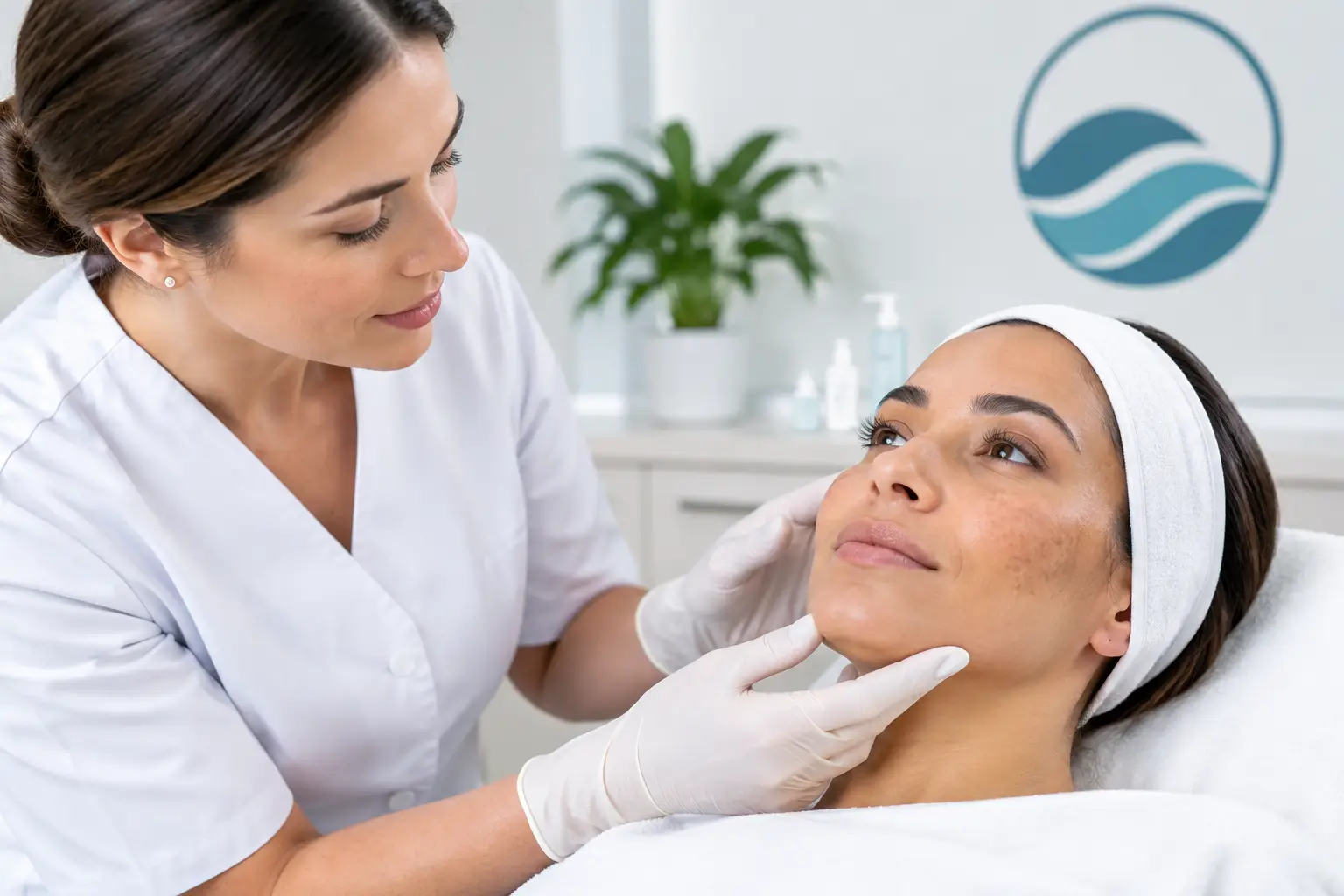
IPL hair reduction can feel straightforward, but good results begin with a careful assessment. A consultation gives you space to discuss the area you would like treated, your hair-removal history, skin concerns, sun exposure and treatment goals. It also allows your practitioner to explain what is realistic for your hair and skin type.
A patch test may be recommended to assess your skin response before treatment. This is a sensible step, particularly for clients who are new to IPL or have had recent changes in their skin or health. Safe. Effective. Those two priorities should guide every setting, interval and recommendation.
The best IPL schedule is the one that responds to your body rather than rushing it. When your sessions are planned around hair growth, skin safety and your changing results, you can move forward with greater confidence and a clearer sense of what each appointment is working towards.