A brow tattoo that once felt like the right choice can start to feel too dark, too warm, uneven or simply unlike you. Understanding how eyebrow tattoo removal works can make the decision feel far less daunting. Laser removal is a controlled process that breaks down tattoo pigment gradually, with your treatment plan shaped around your skin, the ink used and the result you are hoping to achieve.
At Coastal Skin Clinic, the focus is always on safe, effective treatment and honest guidance. Some clients want to fully fade an old brow tattoo, while others want to lighten it enough for a future brow correction. Both goals require patience, careful assessment and the right technology.
How eyebrow tattoo removal works with laser treatment
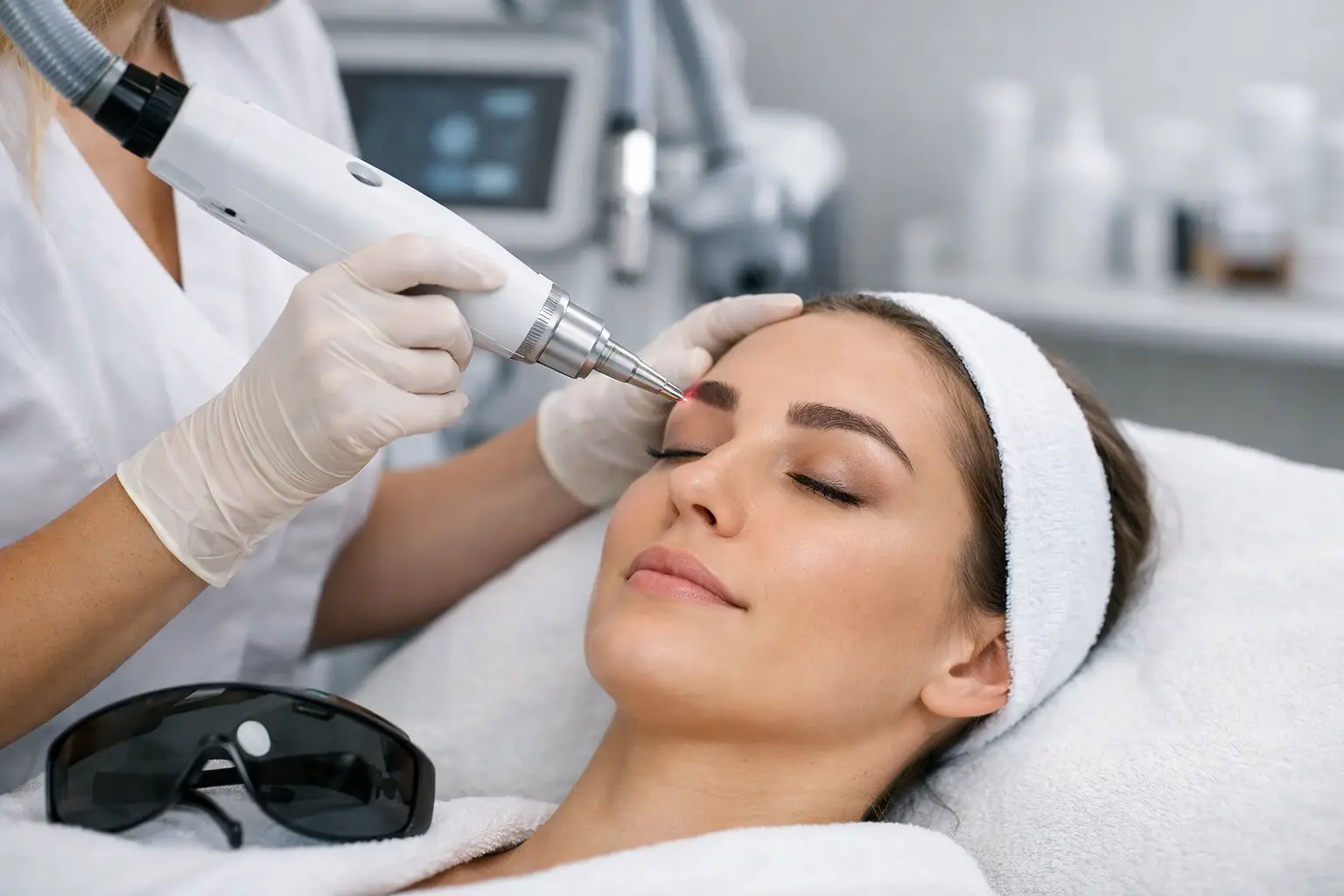
Eyebrow tattoo removal uses targeted laser energy. The laser sends very short pulses of light into the skin, where the tattoo pigment absorbs that energy. This causes the larger pigment particles to fragment into much smaller pieces.
Your body then does the gradual work. Over the following weeks, the immune system clears some of these tiny pigment fragments through its natural processes. This is why fading continues after your appointment and why sessions need to be spaced apart. Your skin and lymphatic system need time to respond before the next treatment.
The laser is designed to target pigment rather than remove the surrounding skin. However, eyebrow tattoos sit on a highly visible area of the face, so treatment must be precise. A qualified practitioner will assess the colour, depth and behaviour of the pigment before recommending a suitable approach.
Laser removal is not an instant eraser. Each session usually fades the tattoo in stages, and the change can be subtle at first. For many people, the most noticeable improvement develops over several weeks rather than overnight.
Why eyebrow tattoos can respond differently
Not all eyebrow tattoos are the same. Traditional cosmetic tattooing, microblading, powder brows and combination brows can contain different pigments, be placed at different depths and fade differently over time. This is one reason a personalised consultation matters.
Older tattoos may have already faded or shifted in colour. A brown tattoo can take on red, orange, grey, blue or ashy tones as individual pigment components break down at different rates. Some modern cosmetic pigments also contain ingredients that may temporarily darken when exposed to laser energy before they begin to fade. This is known as oxidation.
Oxidation can sound alarming, but it is a recognised consideration in cosmetic tattoo removal. It does not automatically mean a tattoo cannot be treated. It does mean the practitioner needs to set realistic expectations, choose the treatment settings carefully and monitor how your pigment responds from one session to the next.
Skin tone, skin sensitivity, sun exposure, medical history and previous tattoo treatments also influence the plan. The number of sessions cannot be confirmed with certainty before treatment starts. A tattoo may lighten readily, while another needs a slower, more considered course of care.
Removal versus lightening for a brow correction
Complete removal is not every client’s goal. If you are considering fresh cosmetic tattooing in the future, lightening the existing pigment may create a cleaner base for a new shape or colour. In some cases, fading only the areas that have migrated, become too saturated or sit outside your preferred brow shape is the most practical option.
This is where an experienced assessment is especially valuable. Treating too aggressively in pursuit of a quick result is not the goal. The aim is to improve the brow area while respecting the health and recovery of your skin.
What happens at an eyebrow tattoo removal appointment?
Your first appointment should begin with a consultation. Your practitioner will look at the brow tattoo closely, discuss when and where it was done, ask about previous removal attempts and talk through the changes you would like to see. Clear photos may also be taken to monitor progress over time.
A test spot may be recommended, particularly when the pigment type is unknown or there is a higher chance of colour change. This allows the skin and ink to be observed before treating the full brow area. It is a sensible step that helps make the treatment plan safer and more predictable.
During treatment, protective eye shields are essential. The laser pulses are quick and commonly described as a sharp flicking or snapping sensation. Comfort options can be discussed before your session, and treatment itself is generally quite brief because the eyebrow area is small.
Immediately afterwards, the treated skin may look pale or frosted for a short time. Redness, warmth, mild swelling and tenderness are also common temporary responses. Your practitioner will explain the aftercare that suits your skin and treatment, including how to keep the area clean, calm and protected while it heals.
Healing between sessions matters
The visible healing period is only part of the process. Although the skin may settle within days or weeks, pigment clearance continues beneath the surface for longer. Booking treatments too close together does not necessarily speed up removal. It can place unnecessary stress on the skin without allowing the body time to clear the fragmented pigment.
During recovery, avoid picking, scratching or trying to lift off any flaking skin. This can increase the risk of irritation, infection and unwanted changes to the skin’s texture. Sun protection is also particularly important. Freshly treated skin is more vulnerable, and tanning can make accurate treatment planning more difficult.
Your aftercare advice may include avoiding heat, swimming, heavy exercise and certain active skincare products for a short period. The exact instructions depend on your treatment and how your skin responds. If you have any concerns while healing, it is always better to ask rather than guess.
How many sessions will you need?
The honest answer is that it depends. Some eyebrow tattoos respond well in a small number of treatments, while others require several sessions and more time between them. Ink colour, pigment formulation, tattoo depth, how saturated the brows are and your individual immune response all play a part.
Black and darker pigments can sometimes respond differently from cosmetic brown, red or warm-toned pigments. Tattoos that have been refreshed multiple times may contain layers of ink, which can also extend the process. A newer tattoo is not always easier to remove, and an older tattoo is not always simpler either.
A good treatment provider will avoid promising a fixed number of sessions or a guaranteed completely clear result before seeing how your brows react. What they can provide is a transparent plan, regular progress reviews and guidance that changes if your skin or pigment calls for a different approach.
Is eyebrow tattoo removal safe?
When performed by properly trained practitioners using appropriate laser technology and strict safety protocols, laser eyebrow tattoo removal can be a safe treatment option. It is still a procedure with real considerations. Temporary redness, swelling, sensitivity and scabbing can occur. There is also a risk of pigment changes, particularly with cosmetic inks, and a small risk of skin changes when aftercare is not followed or treatment is unsuitable for the individual.
This is why low-cost, rushed treatment is not a wise place to compromise. The eyebrow area is central to your face and close to your eyes. A clinic that takes consultation, eye protection, hygiene, skin assessment and aftercare seriously gives you a far better foundation for treatment.
At a QLD Health licensed clinic, professional standards, appropriate equipment and careful treatment protocols are part of protecting your wellbeing as well as pursuing visible results.
When to book a consultation
Consider a consultation if your brow tattoo has changed colour, looks too dense, has blurred outside its original shape or no longer suits your features. It is also worth seeking professional advice before booking a new cosmetic tattoo over an old one. Covering unwanted pigment without assessing it first can sometimes make future correction more complex.
Bring any details you have about the original treatment, including the approximate date, pigment brand if known and photographs of your brows before and after tattooing. Even if you have none of this information, an in-person assessment can still provide useful direction.
Your brows do not have to stay defined by a decision you made years ago. With a carefully paced plan and professional support, eyebrow tattoo removal can be a positive first step towards brows that feel more like you again.