An unwanted tattoo can carry more weight than people expect. Sometimes it no longer reflects who you are. Sometimes it has faded badly, blurred over time, or simply sits in a place you would rather keep clear. Whatever the reason, understanding the laser tattoo removal process can make the decision feel far less daunting and a lot more manageable.
At its core, laser tattoo removal is a gradual treatment. It does not erase a tattoo in one appointment, and any clinic that suggests otherwise is oversimplifying what is actually a careful, staged process. Good results come from the right technology, realistic planning, and treatment tailored to your skin and tattoo rather than a one-size-fits-all approach.
How the laser tattoo removal process works
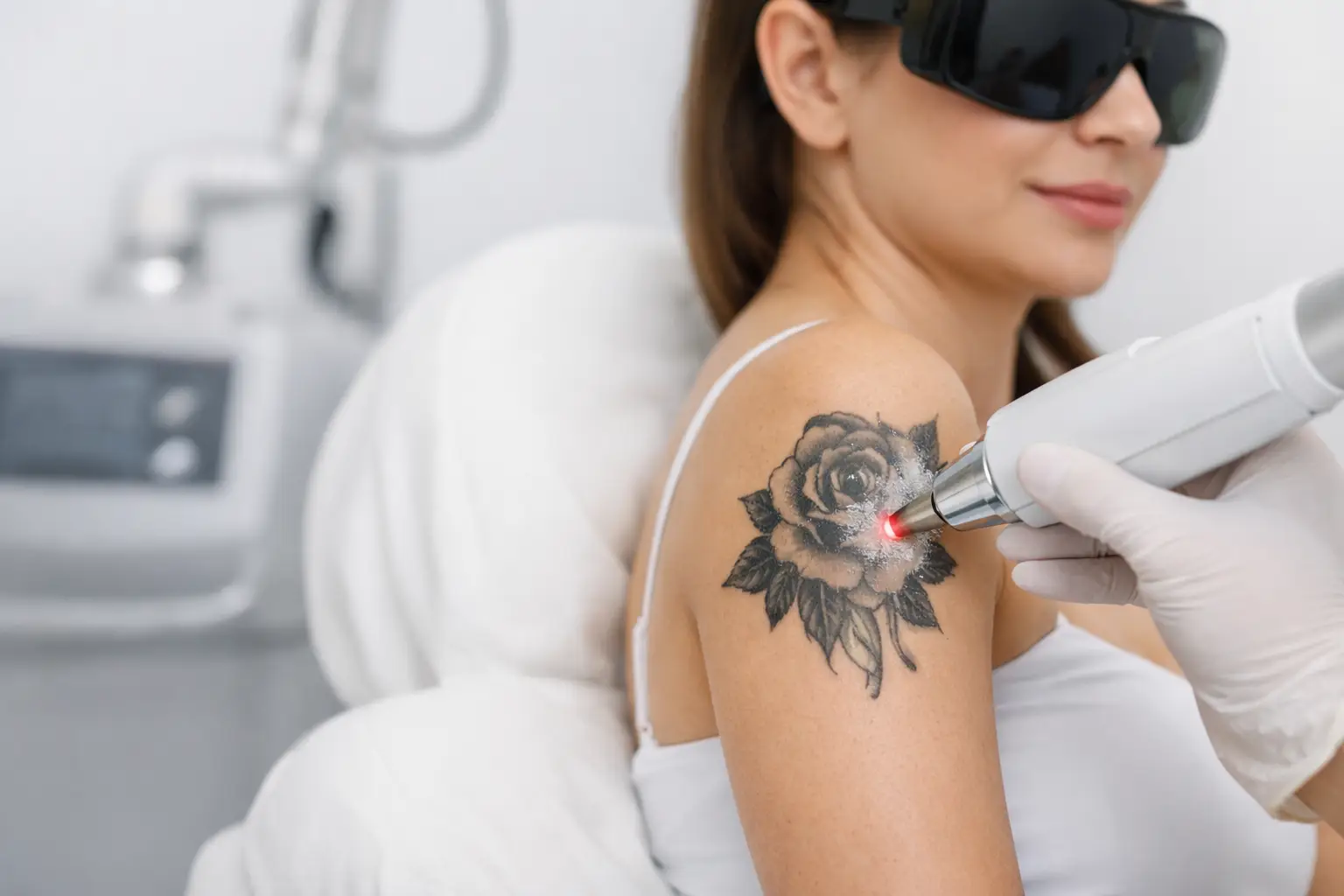
Tattoo ink sits below the surface of the skin, which is why creams and superficial treatments do not remove it effectively. The laser tattoo removal process works by delivering short pulses of light energy into the skin that target the tattoo pigment. That energy breaks the ink into smaller particles, which your body then clears away naturally over time.
Different ink colours respond differently to laser treatment. Black ink is usually the easiest to treat because it absorbs laser energy well. Colours such as green, blue, yellow and red can vary more in how they respond, and some require specific wavelengths or simply more sessions. Older tattoos may fade more readily than newer, heavily saturated work, but that is not a fixed rule. Tattoo depth, ink quality and how densely the design was packed all matter.
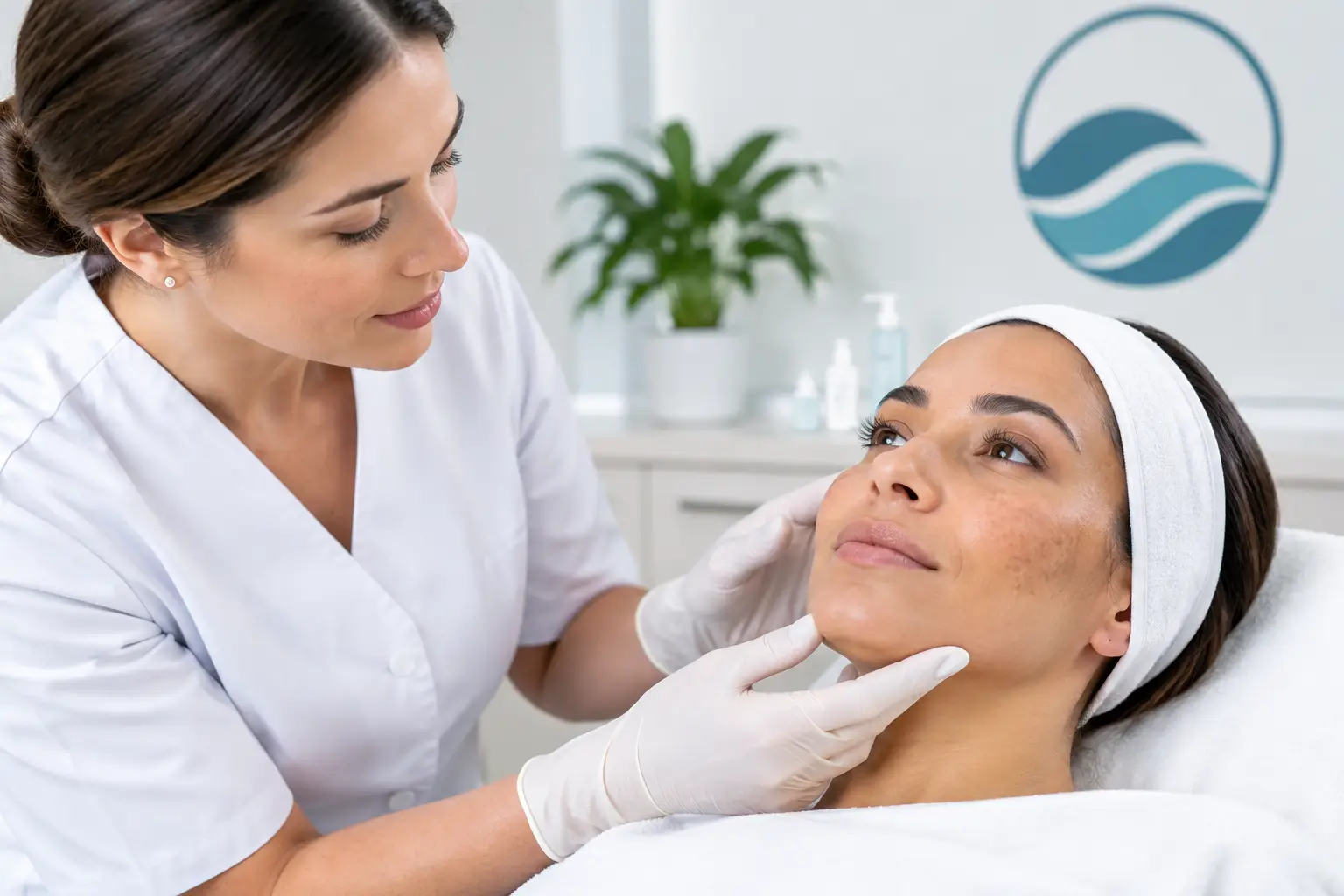
This is why consultation matters. Before treatment starts, a qualified practitioner will assess the tattoo itself, your skin type, the location on the body, and any factors that may influence healing or pigment response. Safe and effective treatment begins with that level of planning.
What happens before your first session
The first step is usually a consultation and assessment rather than immediate treatment. This gives you a clear idea of what to expect and whether laser removal is the right option for your goals. Some clients want complete removal. Others want enough fading for a cover-up tattoo. These are different treatment goals, and the plan should reflect that.
During consultation, your practitioner may discuss the age of the tattoo, whether it was done professionally or amateurly, the colours involved, and your general skin health. They should also ask about your medical history, medications, recent sun exposure, and whether you are prone to pigmentation changes or scarring. These are not small details. They directly affect how your skin may respond.
Photographs are often taken to track progress across sessions. This can be surprisingly helpful because fading tends to happen gradually. Clients sometimes feel nothing has changed until they compare photos taken a few months apart.
What treatment feels like
People often ask whether laser tattoo removal hurts. The honest answer is yes, it can be uncomfortable, but most clients find it tolerable, especially when treatment is performed quickly and professionally with comfort measures in place.
The sensation is often described as similar to hot elastic bands flicking the skin, with some heat through the area. Smaller tattoos are over quickly. Larger or denser pieces take longer and can feel more intense. The good news is that each session is short, and experienced practitioners will guide you through it clearly so you know what is happening at every stage.
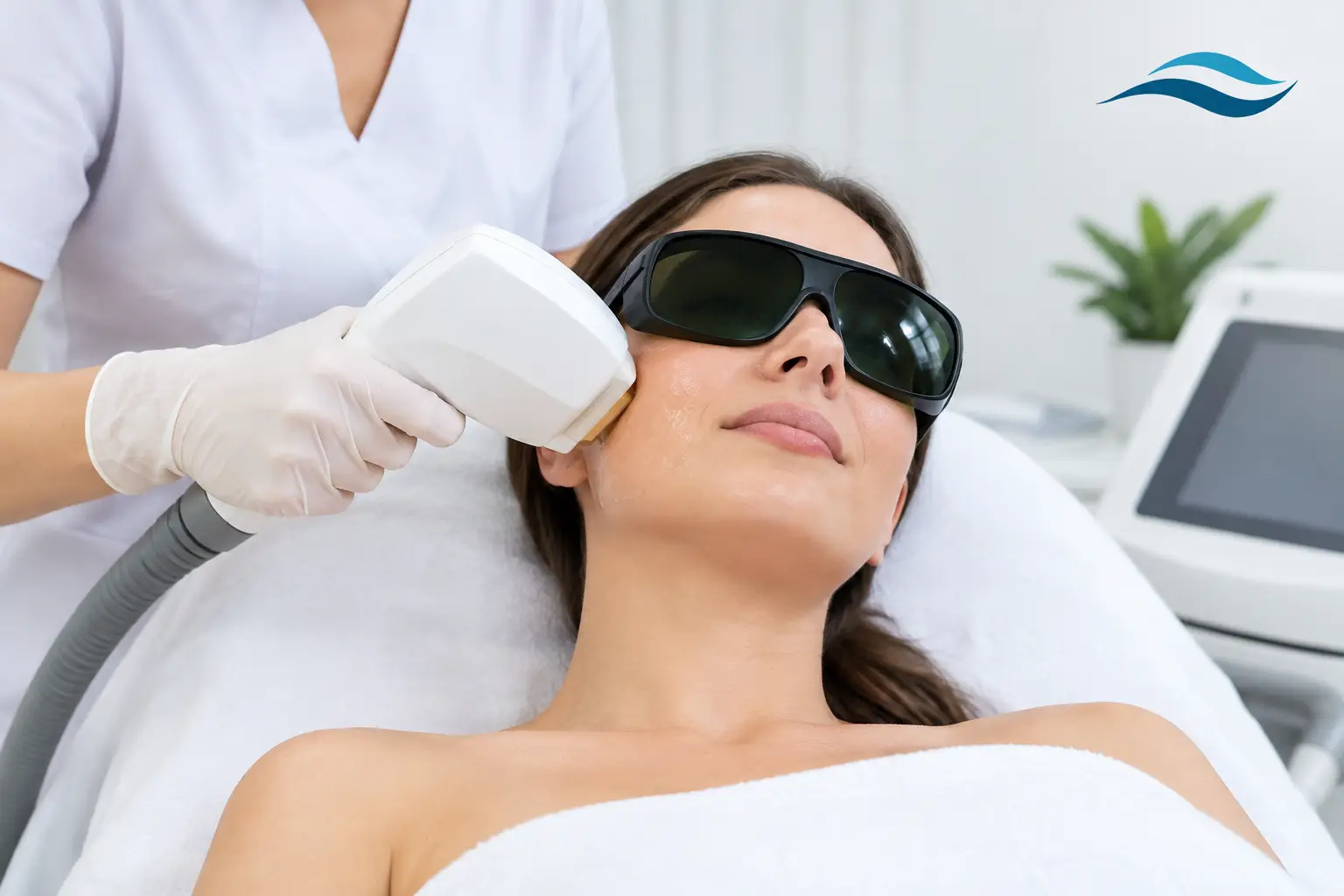
Immediately after treatment, the skin may look white or frosted for a short time. Redness, warmth and mild swelling are also common. This is part of the normal response and usually settles over the following hours or days.
What happens after each session
Aftercare is a key part of the laser tattoo removal process, not an optional extra. Your skin needs time to recover, and how well you care for the area can influence both comfort and outcomes.
The treated skin may feel similar to mild sunburn at first. Some clients experience tenderness, swelling, blistering or light scabbing, depending on the tattoo, the energy used and individual skin response. This can sound alarming, but in many cases it is a normal part of healing when managed properly.
You will usually be advised to keep the area clean, dry and protected, avoid picking at any scabs or blisters, and stay out of the sun. Friction and heat can also irritate freshly treated skin, so it is worth being sensible with exercise, tight clothing and hot environments for the first day or two if the area is tender.
Healing on the surface happens fairly quickly, but fading continues beneath the skin for weeks afterwards. That is why sessions are spaced apart. Treating too often does not speed up the result and can place unnecessary stress on the skin.
How many sessions you might need
This is the question nearly everyone asks, and the only accurate answer is that it depends. Some tattoos respond in fewer sessions, while others take much longer than expected.
A small black amateur tattoo may fade relatively quickly. A large professional tattoo with layered colour, dense shading and multiple touch-ups can take significantly more work. Areas with stronger circulation, such as the upper body, may respond differently from lower legs or ankles, where clearance can be slower.
Your immune system also plays a role because your body is responsible for clearing the fragmented ink. Lifestyle factors, general health and smoking can all influence the pace of fading. Even with excellent laser technology, there is still a biological element that cannot be rushed.
For clients planning a cover-up, fewer sessions may be needed because the goal is not complete clearance. Strategic fading can create better conditions for new tattoo work and give your tattoo artist more flexibility.
Why some tattoos are harder to remove
Not all tattoos are created equal, and neither are removal outcomes. Professional tattoos are often more saturated and placed more deeply, which can mean more sessions. Cosmetic tattoos can also be unpredictable because some pigments contain compounds that react differently to laser treatment.
Skin tone matters too. Practitioners need to balance effective energy settings with skin safety, particularly where there is a higher risk of pigment change. This is one reason professional assessment is so important. Safe treatment is not just about using a laser. It is about using the right settings, at the right intervals, for the right person.
There can also be limits. Some tattoos clear exceptionally well. Others leave a faint ghost image, mild textural change, or traces of stubborn pigment. A trustworthy clinic will be upfront about that from the start rather than promising perfect results.
Choosing a clinic matters
When people compare tattoo removal providers, price is often the first thing they look at. That is understandable, but it should not be the only factor. Laser tattoo removal is a medical-style aesthetic treatment that deserves careful, professional oversight.
Look for a clinic that takes consultation seriously, explains likely outcomes honestly, and tailors treatment rather than rushing clients through. Experience, licensing, technology and aftercare support all matter. So does the way you are treated. A good clinic understands that people often feel self-conscious about unwanted tattoos and need clear advice, not pressure.
For many clients on the Sunshine Coast, that combination of safety, professional care and a supportive treatment experience is what makes the process feel achievable.
Common questions about the laser tattoo removal process
A patch test may be recommended in some cases, particularly where there are concerns about skin response or unusual pigment. It is a sensible step, not a sign that something is wrong.
If you are wondering whether you should wait between getting a tattoo and removing it, the answer is usually yes. Fresh tattoos need time to heal fully before removal can begin safely.
It is also common to ask whether removal causes scarring. When treatment is performed correctly and aftercare is followed, the risk is reduced, but any procedure involving the skin carries some level of risk. Existing scar tissue in the tattoo itself can also become more noticeable as ink fades.
And no, fading is rarely linear. One session may seem to make a big difference, while the next looks more subtle. Progress tends to build over time.
The best way to approach tattoo removal is with a clear goal and realistic expectations. It is a process, not a quick fix, but for many people it is a worthwhile one. With the right assessment, the right technology and the right support, each session moves you closer to skin that feels more like your own again.