That old tattoo might not need to disappear all at once. For many people, fading is the right first step – whether you want a cleaner cover-up, a softer look, or a fresh start without rushing into full removal. This guide to laser tattoo fading explains what the process involves, what results are realistic, and how to approach treatment safely.
What laser tattoo fading is designed to do
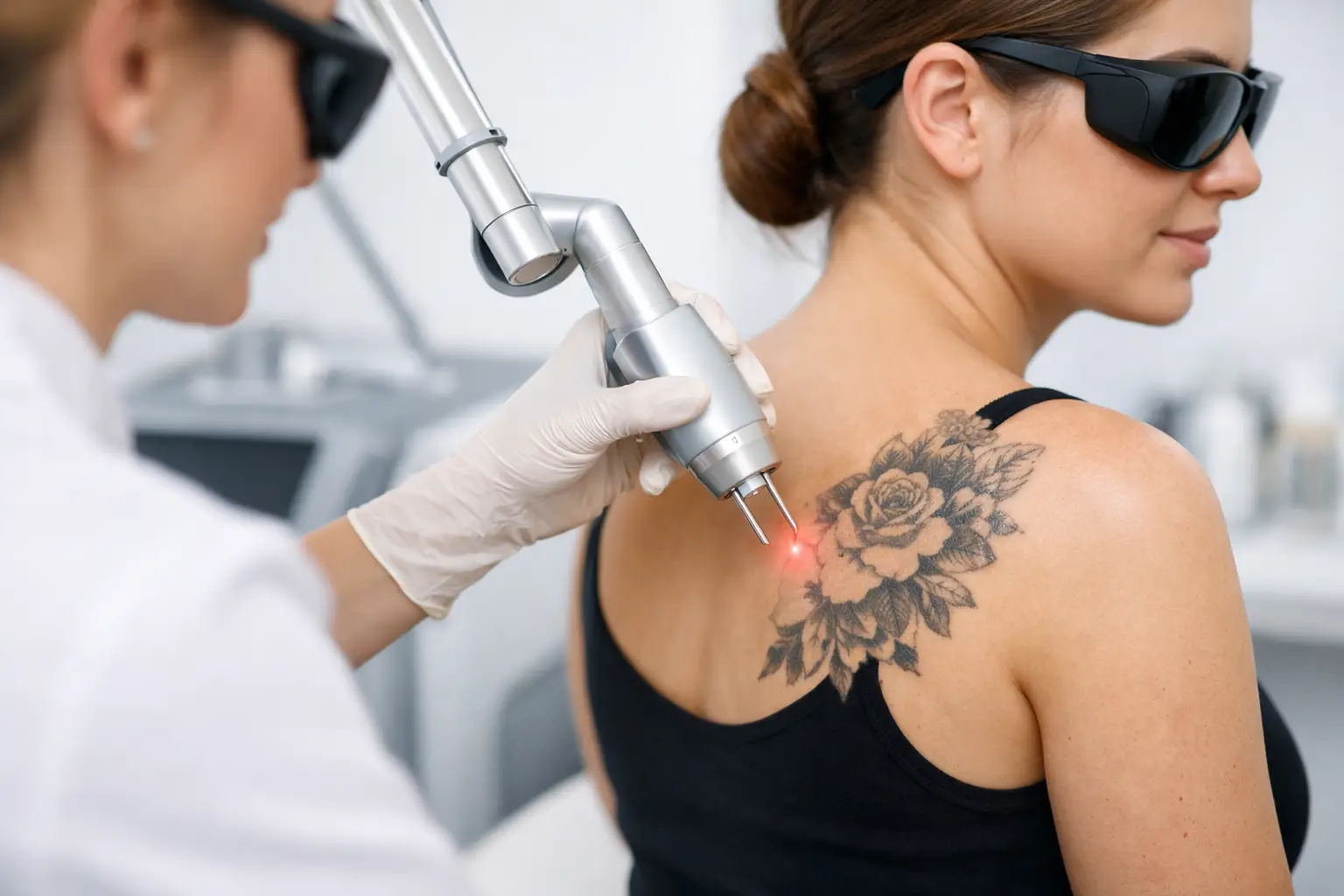
Laser tattoo fading uses targeted light energy to break tattoo ink into smaller particles so your body can gradually clear them away. The aim is not always complete removal. In many cases, the goal is to lighten the tattoo enough that it is less noticeable or easier for a tattoo artist to cover with a new design.
That distinction matters. Fading treatment plans are often shorter than full removal plans, but they still need to be properly assessed. Ink depth, colour, age of the tattoo, skin tone, and the area of the body all affect how the tattoo responds.
For some clients, fading is the practical option. They may like parts of the tattoo but want to soften heavy outlines. Others want to remove a name, an old eyebrow tattoo, or a design that no longer fits who they are. The right approach depends on the result you actually want, not just on the tattoo itself.
A practical guide to laser tattoo fading sessions
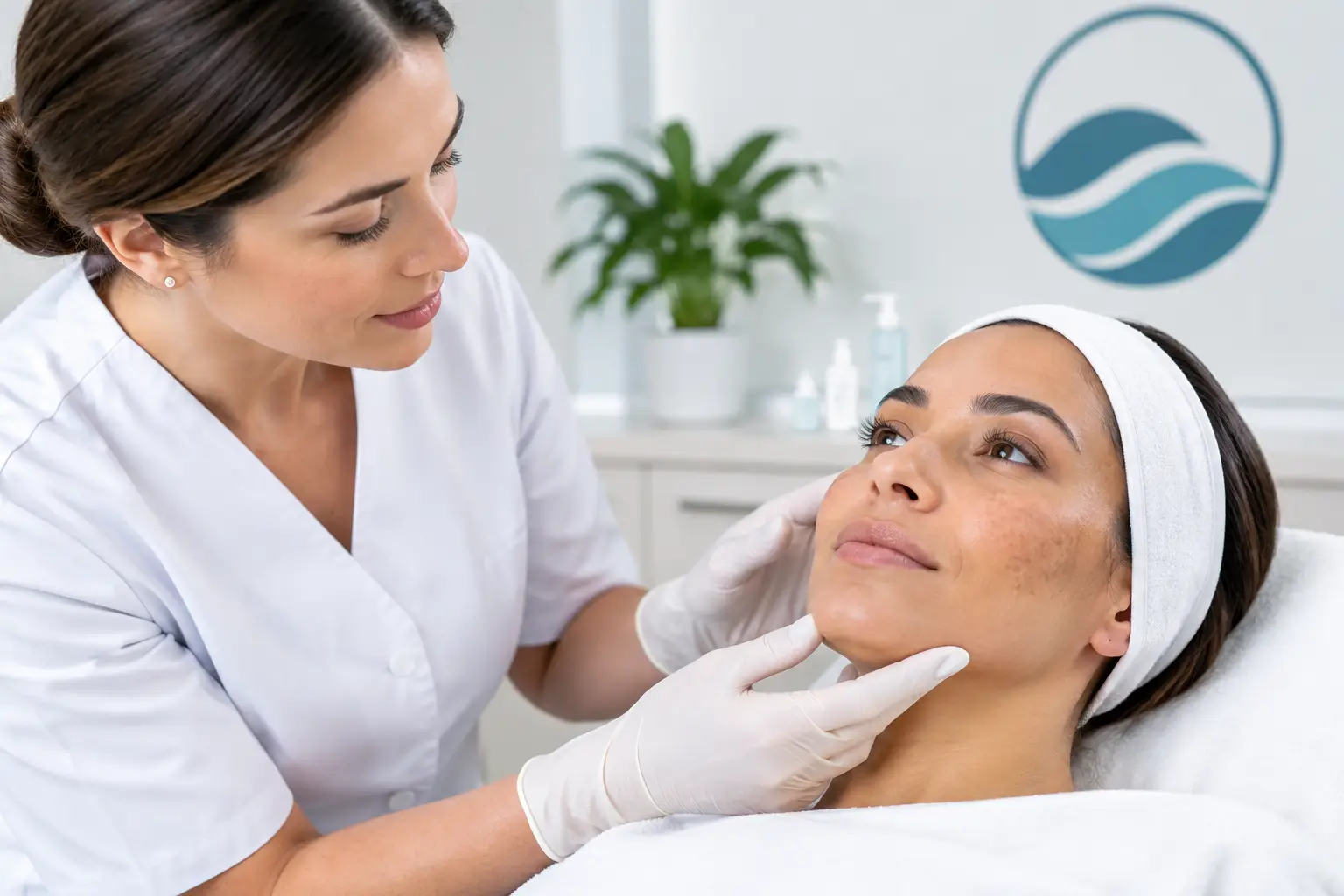
A proper consultation should come before the first session. This is where your clinician assesses the tattoo, asks about your medical history, explains likely outcomes, and gives you a realistic treatment plan. Good advice at this stage can save time, money, and disappointment later.
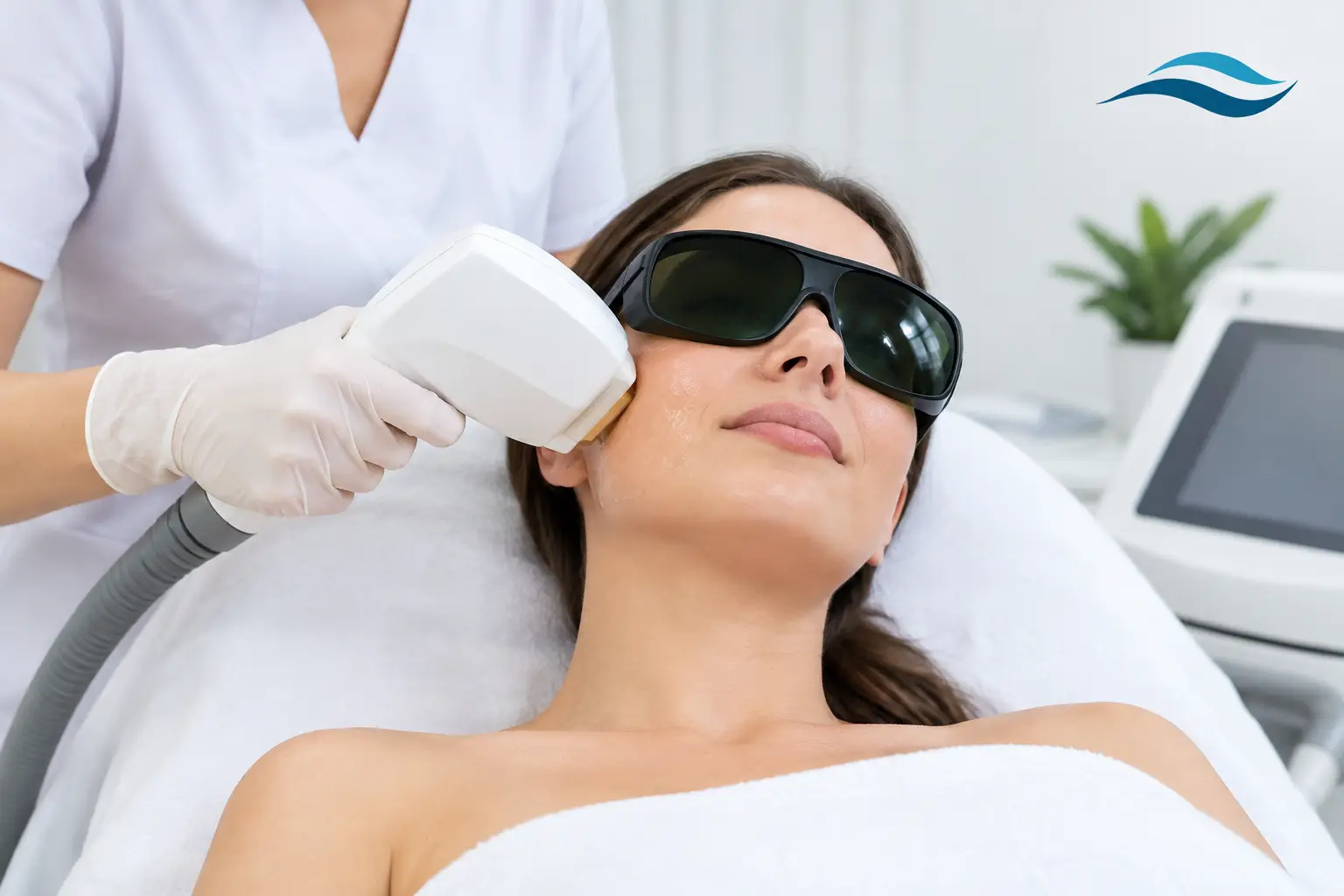
During treatment, the laser delivers pulses of energy into the tattooed skin. Most clients describe the feeling as quick snaps against the skin, with discomfort varying depending on the area being treated. Smaller tattoos are usually quite fast. Larger or denser tattoos take longer and may feel more intense.
Straight after treatment, the area may look white or frosted for a short time. Redness, warmth and mild swelling are also common. These responses are expected and usually settle over the following days with proper aftercare.
Sessions are spaced out for a reason. Your body needs time to clear the fragmented ink, and the skin needs time to recover. Treating too frequently does not mean faster results. In fact, it can increase irritation without giving your body the chance to do its part.
How many sessions does tattoo fading take?
This is one of the most common questions, and the honest answer is that it varies. Some tattoos lighten noticeably after just a few sessions. Others need more time, especially if the ink is heavily saturated or layered over previous work.
Professional tattoos often take longer to fade than amateur tattoos because the ink is placed more deeply and evenly. Black ink usually responds well, while colours such as green, blue, turquoise and some reds can be more stubborn. Cosmetic tattoo pigments can also behave differently, which is why experienced assessment is so important.
If your goal is a cover-up, your tattoo artist may only need the existing design faded by 50 to 70 per cent. If your goal is a much cleaner blank canvas, more sessions may be needed. A tailored plan is always better than a fixed promise.
What affects your laser tattoo fading results?
Several factors shape how well and how quickly a tattoo fades. The age of the tattoo matters because older tattoos are often already partially broken down by the body. The location matters too. Areas with better circulation can sometimes respond more efficiently than hands, feet or lower legs.
Your immune system also plays a role. Laser treatment breaks the ink apart, but your body does the clearing. General health, hydration, smoking, and how well you follow aftercare can all influence progress.
Skin tone needs careful consideration as well. Safe treatment is not about using the highest setting possible. It is about choosing the right laser and parameters for your skin and tattoo so results can improve while minimising the risk of unwanted pigment change or irritation.
This is where professional care makes a real difference. Tattoo fading is not a one-size-fits-all service. It should be adjusted as your skin responds over time.
Does laser tattoo fading work for cover-ups?
Yes, often very well. In fact, this is one of the most common reasons clients choose fading instead of complete removal. A faded tattoo gives your tattoo artist more flexibility with colour, shape and placement, which can lead to a stronger final result.
Without fading, cover-ups usually need to be larger, darker and heavier to hide the original design. That can limit your options. Lightening the old tattoo first can make room for more detail and better balance in the new artwork.
That said, timing matters. If you are planning a cover-up, let your clinician know early. Your fading plan can then be based on what your tattoo artist is likely to need rather than treating beyond the point that is useful.
What to expect after each session
Aftercare is simple, but it is important. The treated area should be kept clean and dry, and you will need to avoid picking, scratching, or exposing the skin to unnecessary friction while it settles. If the area has been dressed, follow your clinician’s instructions about when to remove or replace it.
Sun exposure is one of the main things to avoid. Tanned or sun-damaged skin can complicate treatment and increase the chance of irritation or pigment changes. If the tattoo is in an exposed area, protecting it between sessions is part of protecting your results.
You should also be patient with the fade. Most of the visible change happens gradually over the weeks following treatment, not overnight. It is normal for progress to be uneven at times, especially in larger tattoos or tattoos with mixed colours.
Are there risks with laser tattoo fading?
Any skin treatment should be approached with care, and laser tattoo fading is no exception. When treatment is carried out properly, side effects are usually temporary and manageable, but there are still risks to discuss. These can include blistering, scabbing, temporary lightening or darkening of the skin, and in some cases textural changes.
The risk is not the same for every client. Skin type, tattoo type, sun exposure, medications, and medical history all matter. This is why consultation and patch testing, where appropriate, are not a formality. They are part of safe planning.
Low-cost treatment can be tempting, but this is one area where experience and proper clinical standards matter. Choosing a qualified clinic gives you better guidance on what is suitable, what is not, and how to treat the skin responsibly.
Cost, value and planning ahead
The cost of laser tattoo fading depends on the size of the tattoo, the complexity of the ink, and the number of sessions needed. It is easy to compare session prices, but that does not always tell you the real value of treatment.
A cheaper session is not necessarily better value if the settings are too conservative to be effective, or too aggressive for your skin. What you are really paying for is a treatment plan that is safe, effective, and adjusted to your progress.
If budget is part of your decision, be upfront about that during consultation. A good clinic will talk honestly about what is achievable, how many sessions may be worthwhile, and whether fading or full removal makes more sense for your situation.
When to book a consultation
If your tattoo is bothering you, or you are thinking about a cover-up, it is worth getting professional advice before making assumptions. Some tattoos fade more easily than expected. Others need a more staged approach. Seeing the tattoo in person allows a clinician to assess details that photos often miss.
For clients on the Sunshine Coast, having that conversation with a licensed, treatment-led clinic can make the process feel much more manageable. You do not need to know every answer before you book. You just need clear guidance, realistic expectations, and a plan that suits your skin and your goals.
A good fading journey is not about rushing. It is about making steady, safe progress towards a result that feels right for you.