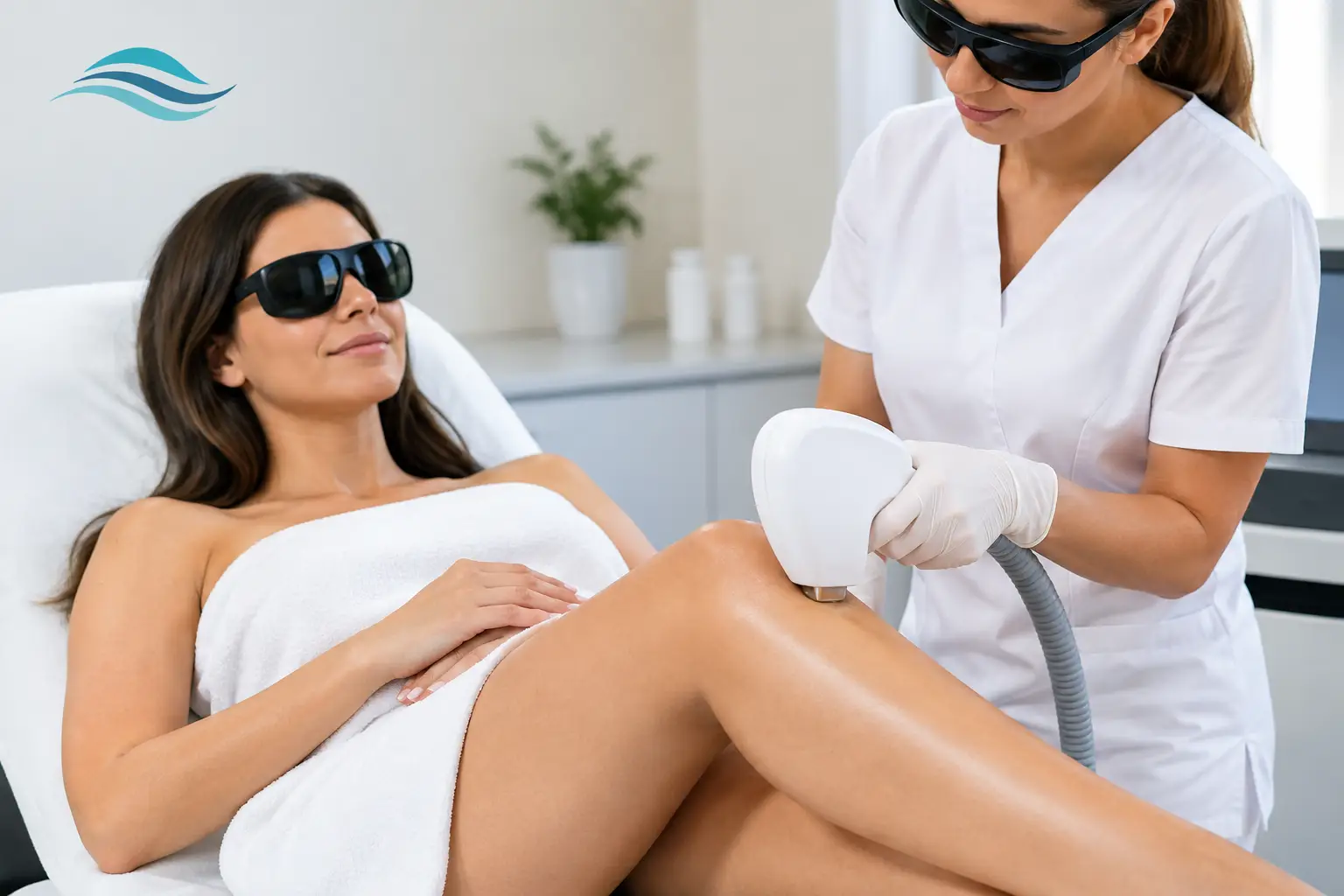
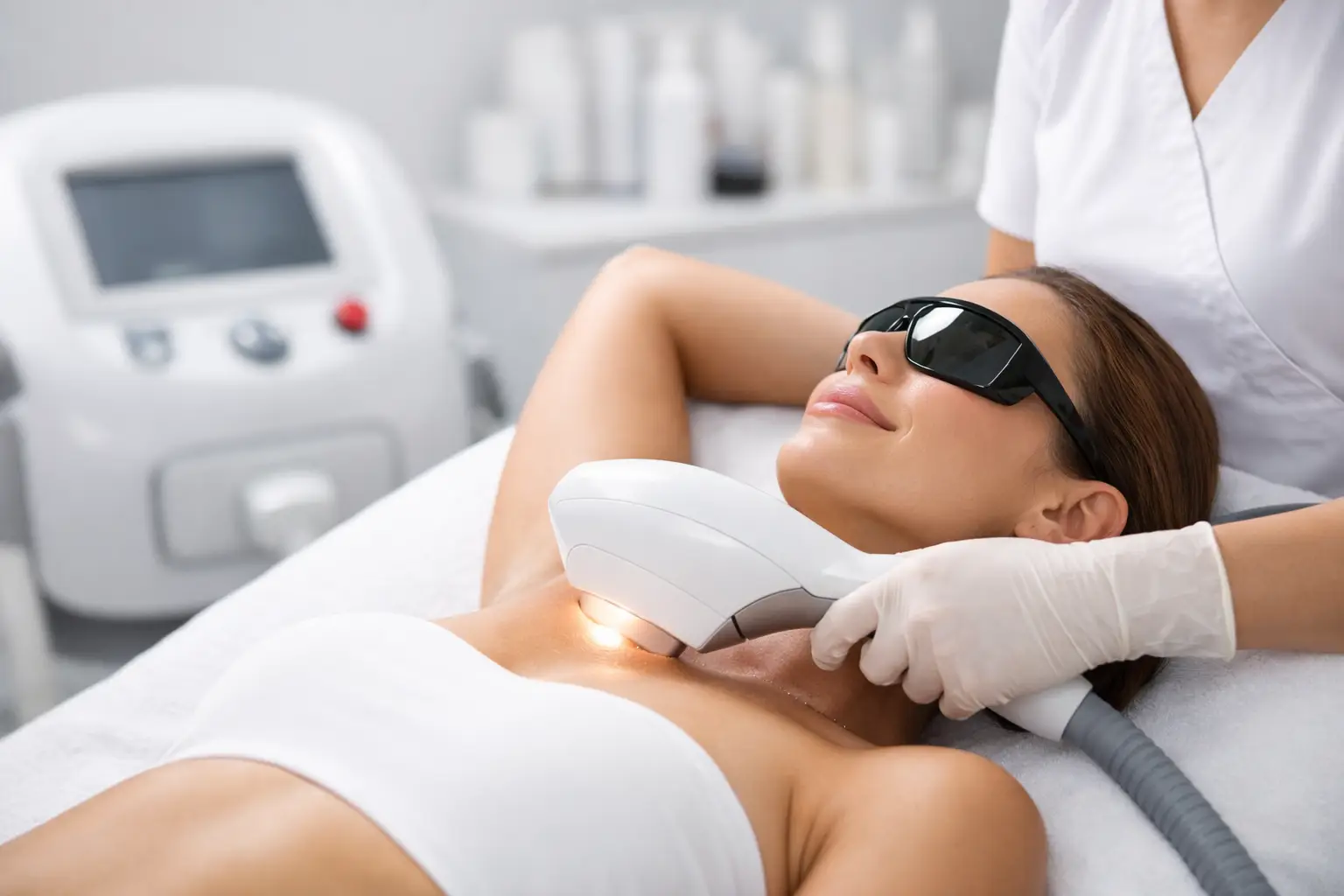
IPL results are rarely about one appointment and an instant finish line. For most people, IPL hair reduction is a gradual process: hair becomes finer, grows back more slowly and, over a tailored course of treatments, many areas need far less day-to-day maintenance. Knowing what is normal along the way can make the experience feel much more reassuring.
At Coastal Skin Clinic, we focus on safe, effective treatment plans built around your skin, hair and goals. That means being honest about what IPL can achieve, what may influence your progress, and when maintenance may be worthwhile.
What do IPL results look like?
IPL, or Intense Pulsed Light, targets pigment in the hair follicle. The light energy is absorbed by the hair, helping to disrupt the follicle’s ability to produce new growth. Because the treatment relies on contrast between the hair and surrounding skin, results vary from person to person.
A successful course of IPL hair reduction usually means less visible hair, softer regrowth and longer periods between shaving, waxing or other hair-removal routines. Some clients notice a change in the speed of regrowth after their first few sessions. For others, the improvement becomes clearer as treatment progresses and more follicles are treated at the right stage of their growth cycle.
It is best to think of IPL as long-term hair reduction rather than a promise of permanent hair removal. Hair growth is influenced by hormones, genetics, age and the area being treated. A maintenance appointment from time to time can help preserve your outcome, particularly in hormonally responsive areas such as the face.
Why IPL hair reduction takes a course of treatments
Not every hair is actively growing at the same time. IPL works most effectively when hair is in its active growth phase, because that is when there is a stronger connection between the visible hair and the follicle beneath the skin.
At any given appointment, only a portion of hairs in an area will be in that ideal phase. This is why treatments are spaced apart and why a series is recommended. Each session gives us the opportunity to target a new group of active hairs as they cycle through growth.
Your practitioner will recommend timing based on the treatment area, your hair growth pattern and how your skin responds. Facial hair often requires a different schedule to areas such as the legs, underarms or bikini line. Rushing appointments too close together does not necessarily improve results. Consistency, appropriate spacing and a plan that suits your body are more valuable.
What you may notice after an appointment
Immediately after IPL, it is common to see mild warmth or redness around the follicles. This generally settles quickly. In the days that follow, treated hairs can appear to be growing before they shed. This is a normal part of the process, not a sign that treatment has failed.
You may notice little dark dots in the follicle or hairs gently working their way out after a shower. Avoid pulling at them. Let the skin shed naturally, and follow your practitioner’s aftercare advice to keep the area calm and protected.
What affects your IPL results?
Your treatment outcome is personal. The technology matters, but so do your hair characteristics, skin type, treatment preparation and consistency with your appointments.
Darker, coarser hair often responds particularly well because it contains more pigment for the light energy to target. Very fine, light blonde, grey, white or red hair may respond less predictably. This does not mean there are no options for you, but it does mean a professional consultation is essential before setting expectations.
Skin tone also needs careful assessment. Safe IPL treatment is not a one-setting-fits-all service. Your practitioner considers the contrast between your skin and hair, recent sun exposure, your medical history and any products or medications that may affect sensitivity. This helps determine whether IPL is suitable and how treatment can be performed safely.
Hormonal changes can also play a role. Conditions that affect hormones, as well as pregnancy, menopause or certain medications, may contribute to ongoing hair growth. In these circumstances, you may still see worthwhile reduction, although maintenance treatments can be more likely.
Getting the best from your IPL treatment plan
The small details before and after each appointment can protect your skin and support more consistent IPL results. Your practitioner will provide individual instructions, but preparation commonly includes shaving the area as advised, arriving with clean skin and avoiding waxing, plucking or epilating between treatments. These methods remove the hair from the follicle, which leaves less of a target for IPL.
Sun care is equally important on the Sunshine Coast, where incidental exposure can be hard to avoid. Tanned or sun-exposed skin may increase sensitivity and can affect whether treatment should go ahead that day. Keep treated areas covered where practical, use suitable sun protection and let your practitioner know about any recent sun exposure, tanning products or changes to your skincare routine.
After treatment, keep things gentle. Avoid heat-heavy activities, harsh exfoliation, fragranced products and anything that leaves the area feeling irritated until your skin has settled. A cool compress can be comforting if the skin feels warm. If you have questions about a reaction or are unsure whether something is normal, contact your clinic rather than guessing.
Realistic expectations make a difference
Before-and-after photos can be helpful, but they never tell the whole story. One person may begin with dense, dark hair and see a dramatic change quickly. Another may have fine or hormonally influenced hair and require a more gradual approach. Both experiences can be valid.
The most meaningful measure is often how the treated area fits into your everyday routine. Are you shaving less often? Is your skin feeling smoother? Are ingrown hairs reducing? Do you feel more comfortable wearing what you want without planning around hair removal? These practical changes are often where clients feel the value of treatment.
A professional treatment plan should not overpromise. It should explain likely outcomes for your starting point, adjust where needed and leave room for your skin to be monitored throughout the process. This is especially important if you are new to professional hair reduction or have had disappointing results elsewhere.
When to book a consultation
A consultation is the right place to discuss the area you would like treated, your previous hair-removal methods and the result you are hoping for. It is also where we can assess whether IPL is appropriate for your skin and hair, explain preparation and aftercare, and create a treatment schedule that is realistic for your lifestyle.
For clients in Maroochydore and across the Sunshine Coast, a personalised approach can take the uncertainty out of IPL. You do not need to know exactly how many treatments you will need before you walk through the door. You simply need clear advice, suitable technology and a practitioner who will treat your skin with care.
Smoother skin is not about chasing a perfect result overnight. It is about making steady, informed progress with a plan that feels safe, manageable and genuinely suited to you.