A dark, visible regrowth shadow can make shaving feel like a never-ending job, particularly on areas such as the underarms, legs, bikini line or face. So, does IPL work on dark hair? In many cases, dark hair is among the most responsive hair types for IPL hair reduction because it contains the pigment the light needs to target.
That said, hair colour is only one part of the picture. Your natural skin tone, the thickness of the hair, the area being treated, hormonal factors and the device settings all influence how safely and effectively IPL can be performed. A professional consultation is the best way to move beyond general advice and understand what is realistic for your skin and hair.
Does IPL Work on Dark Hair?
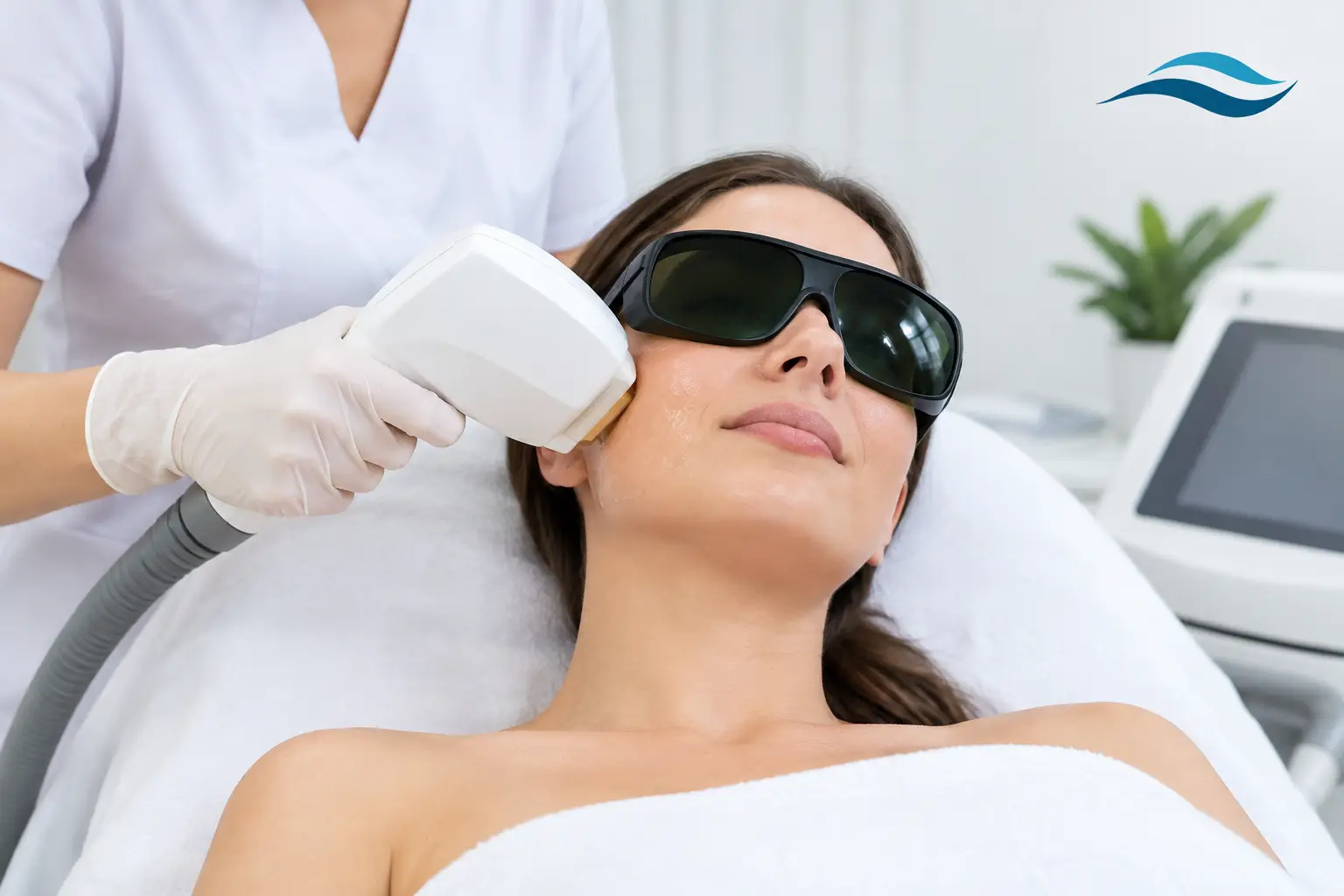
IPL stands for intense pulsed light. During treatment, controlled pulses of broad-spectrum light are directed towards the skin. The pigment, known as melanin, in the hair absorbs this energy. That heat travels down the hair shaft and affects the follicle, helping to disrupt future growth.
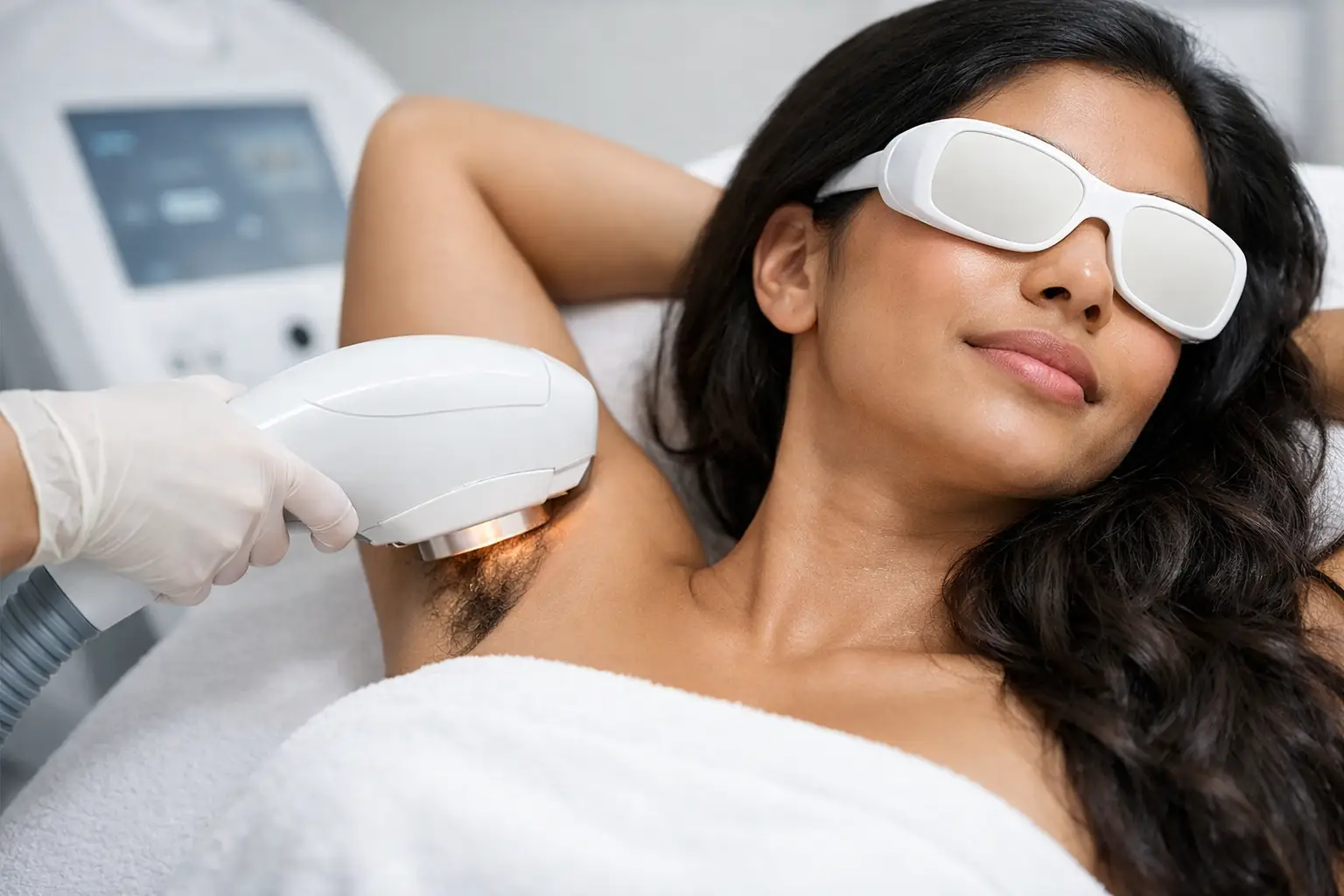
Because dark hair contains more melanin than fair, grey, white or red hair, it generally absorbs IPL energy more readily. This makes dark brown and black hairs well suited to IPL hair reduction when there is enough contrast between the hair and surrounding skin.
IPL is not designed to remove every hair permanently after one appointment. Hair grows in cycles, and IPL is most effective when hairs are in their active growth phase. A series of treatments, spaced to suit the treatment area and your growth cycle, is usually needed. Many clients then choose occasional maintenance appointments to help keep regrowth finer and less noticeable.
Dark Hair Is Helpful, but Skin Tone Matters Too
It is easy to assume that very dark hair will always mean better treatment outcomes. In practice, the contrast between your hair and skin is just as significant. IPL seeks pigment, so the device must distinguish the pigment in the hair from the melanin in the skin.
Dark hair against fair to medium skin often provides strong contrast. This can allow the practitioner to target the follicle effectively while keeping the skin protected. When skin is naturally deeper in tone, recently tanned, or has more surface pigmentation, it also absorbs light energy. That can increase the risk of unwanted heat in the skin and may mean IPL is not the most appropriate option, or that settings need to be adjusted carefully.
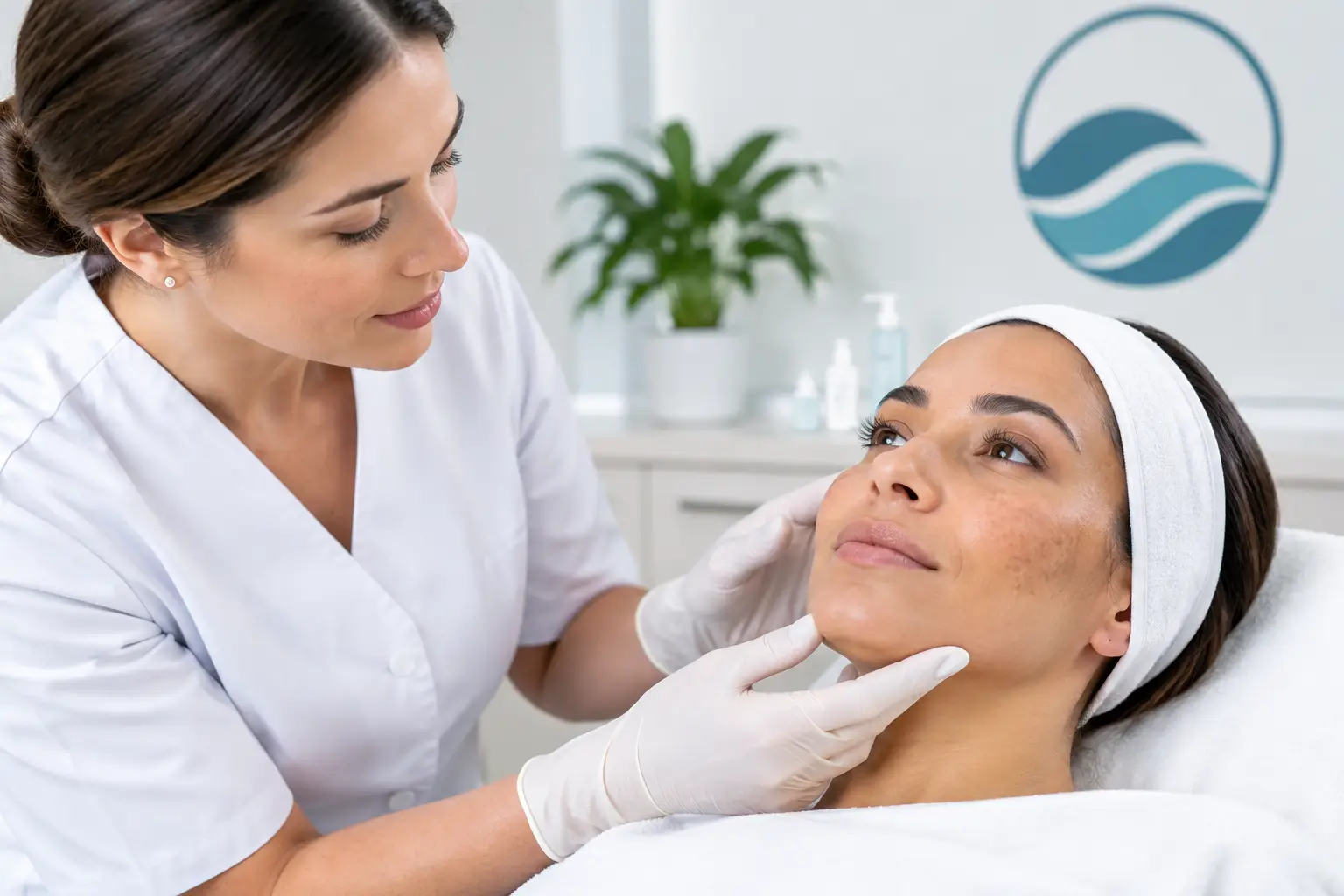
This does not mean people with deeper skin tones cannot discuss hair reduction. It means the assessment matters. A trained practitioner needs to look at your skin tone, your hair colour and density, the area you would like treated, any tanning, and your medical and skincare history before recommending a plan.
At Coastal Skin Clinic, treatment planning is personalised rather than based on a one-size-fits-all setting. That approach supports safer decisions and gives you a clearer understanding of what IPL may achieve for you.
Which Dark Hairs Tend to Respond Best?
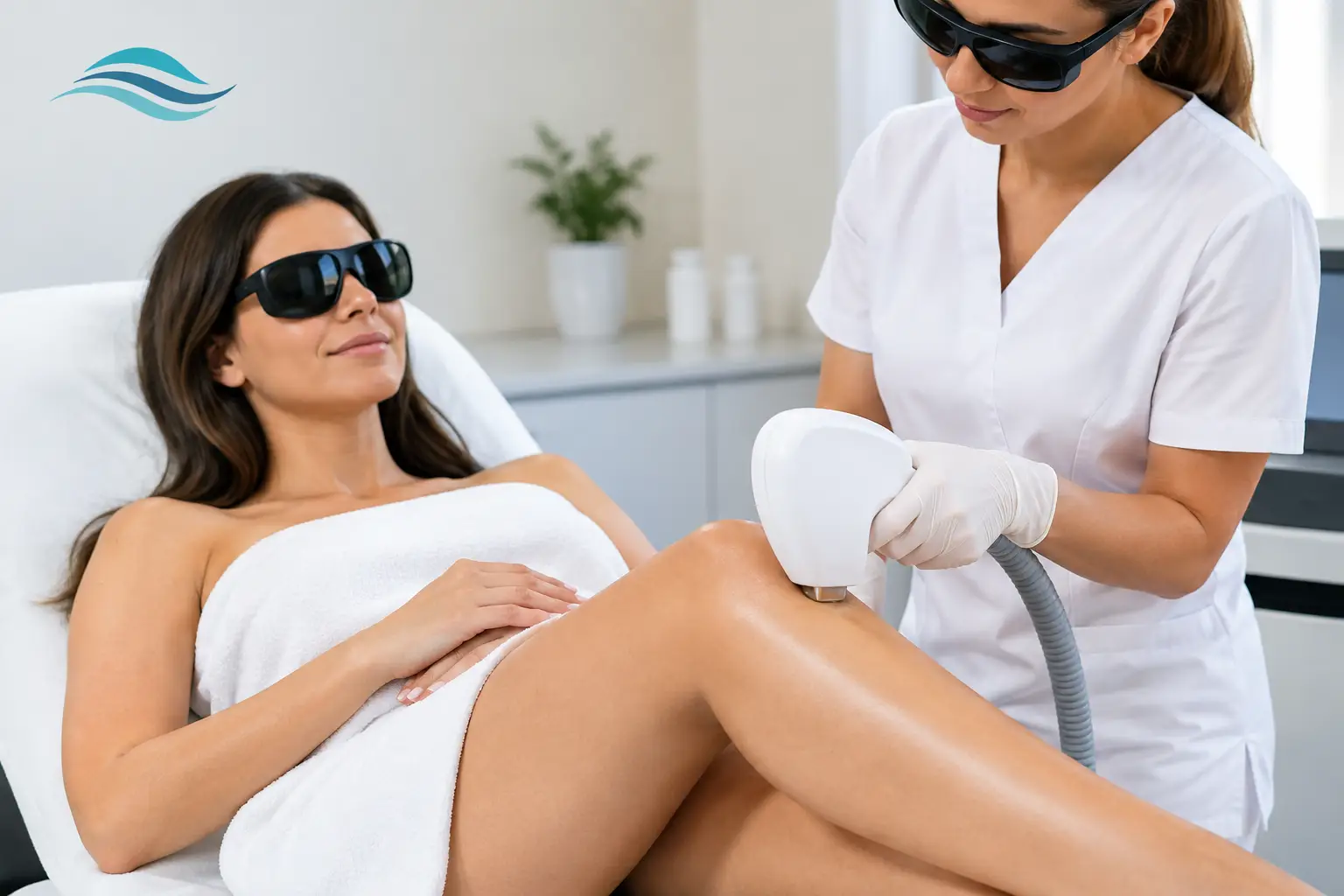
Coarse, dark terminal hairs are usually the easiest for IPL to detect. These are the more established hairs commonly found on the underarms, lower legs, bikini area, chest, back and some facial areas. They carry more pigment than soft, fine body hair.
Fine dark hair can still contain pigment, but it may not respond as strongly. The same is true of very light or fluffy hair on the face and body. Treating areas with fine hair requires careful clinical judgement, particularly on the face, where hormonal changes can influence growth patterns.
Hormonal hair growth can be more persistent. For example, some clients notice darker facial hair around the chin, jawline or upper lip during life stages involving hormonal change. IPL may help reduce the appearance and frequency of regrowth, but maintenance can be needed because the body may continue to stimulate new follicles over time.
What Results Can You Expect From IPL Hair Reduction?
A successful course of IPL usually means less hair, slower regrowth and a reduction in the need to shave, wax or pluck. Regrowth often becomes patchier, finer or lighter-looking over a series of sessions. For clients prone to shaving irritation or ingrown hairs, reduced hair density can also make day-to-day grooming more comfortable.
Results vary from person to person. Dark, coarse hair may respond very well, while hormonal areas or finer hairs may take longer and need more ongoing care. The aim is long-term hair reduction, not a promise that no hair will ever return.
You may notice some hairs shedding in the weeks following treatment. This is not always immediate, and it is not the same as new growth. Avoid plucking or waxing between appointments, as IPL needs the hair follicle present to work effectively. Shaving is generally preferred because it removes hair above the skin without pulling it from the root.
Why Multiple Treatments Are Necessary
Hair follicles are not all active at the same time. IPL is most effective when a hair is connected to the follicle during its active growth stage. At any appointment, other hairs may be resting or transitioning through a different stage of the cycle.
For this reason, appointments are scheduled over time rather than clustered together. The ideal interval depends on the area. Facial hair often follows a faster cycle than leg hair, for instance. Your practitioner can recommend a schedule based on your response and the area being treated.
Consistency makes a difference. Skipping long periods between treatments can make it harder to capture the next wave of active hairs, while attending too soon may not provide meaningful additional benefit. A tailored plan helps balance results, skin safety and practicality.
Preparing Dark Hair for IPL Safely
Avoid tanning before and during your IPL course. This includes sun exposure, tanning beds and self-tanning products, as increased pigment in the skin can affect suitability and treatment settings. Let your practitioner know if your skin has changed colour since your consultation, even if the tan seems mild.
You will usually be asked to shave the area before treatment, following your clinic’s specific instructions. Avoid waxing, epilating and plucking in the lead-up to your session. It is also wise to arrive with clean skin free from heavy lotions, deodorant or fragrance on the treatment area unless you have been advised otherwise.
Certain medications, active skincare products and health conditions can affect whether IPL is suitable on the day. Be open during your consultation and update your practitioner if anything changes. This is not a formality – it is part of keeping treatment safe and appropriate.
What Does IPL Feel Like on Coarse Dark Hair?
Dark, coarse hairs can absorb more energy, so the sensation may be more noticeable than it is with finer hair. Many people describe it as a quick elastic-band flick or a brief warmth with each pulse. The feeling is short-lived, and professional devices and treatment techniques are designed with client comfort in mind.
Mild redness around the follicles can occur afterwards and may look similar to small goosebumps. This is often a normal short-term response. Your practitioner will provide aftercare guidance, which commonly includes avoiding heat, exercise, direct sun and harsh products for a short period. If you have concerns after your appointment, contact the clinic rather than guessing.
When IPL May Not Be the Right Choice
IPL may be less effective for hair that is grey, white, blonde, strawberry blonde or red because there is limited pigment for the light to target. It can also be unsuitable when there is not enough contrast between hair and skin, when skin is tanned, or when a client has certain medical considerations.
A reputable clinic should be comfortable saying when a treatment is unlikely to give worthwhile results. That honesty protects your skin, your time and your investment. Sometimes the best next step is to wait until tanning has faded, adjust your skincare routine, consider another approach, or focus treatment on areas where the hair and skin combination is more suitable.
Dark hair gives IPL a useful target, but the safest results come from treating the person, not simply the hair colour. If you are tired of managing visible regrowth, a consultation can give you straightforward answers, a careful skin assessment and a plan that feels right for you.