Razor bumps can make a quick shave feel like a skin setback. The tiny, tender bumps that appear along the bikini line, underarms, face or legs are frustrating enough, but repeated irritation can also leave lingering discolouration and affect confidence. The top solutions for razor bumps are not about scrubbing harder or covering them up. They focus on calming inflammation, improving your shaving method and, when bumps keep returning, reducing the need to shave altogether.
What razor bumps are really telling you
Razor bumps, often called ingrown hairs, develop when a freshly cut hair grows back into the skin rather than out through the surface. This can trigger redness, small raised bumps, itching and tenderness. Curly, coarse or dense hair is more likely to curve back into the follicle, although razor bumps can affect anyone.
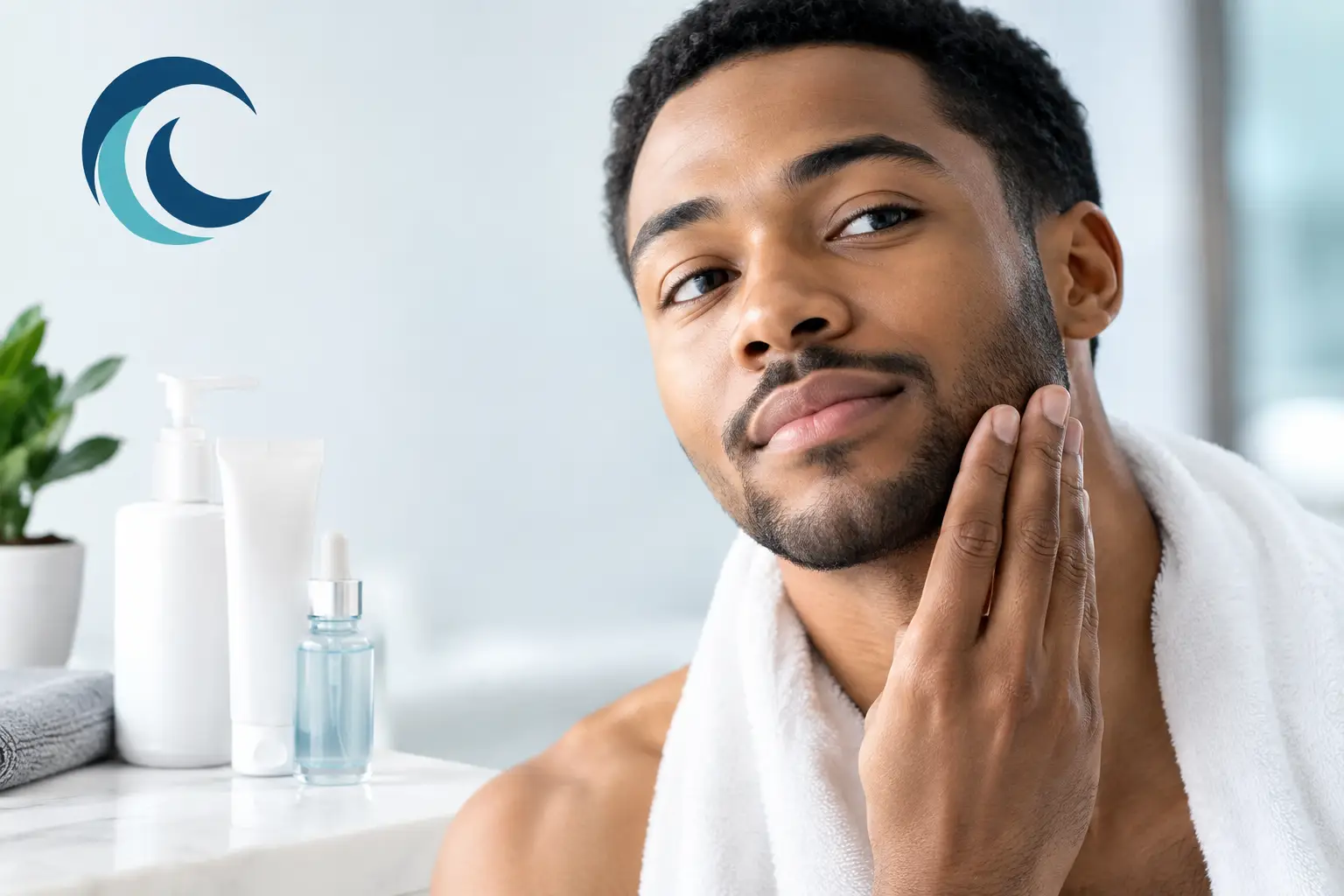
They are particularly common in areas exposed to friction, sweat or close shaving, including the jawline, neck, underarms and bikini area. A bump may look similar to acne, but treating it like a pimple by squeezing or picking can make inflammation worse and increase the chance of post-inflammatory pigmentation or scarring.
The good news is that recurring razor bumps are usually manageable. The right approach depends on your skin sensitivity, hair type, shaving routine and whether you want a short-term reset or a longer-lasting reduction in hair growth.
Top solutions for razor bumps: start by calming the skin
If your skin is currently bumpy, sore or inflamed, give it a break from shaving where possible. Continuing to shave over irritated follicles can prolong the cycle and make new ingrown hairs more likely.
Use a gentle, fragrance-free cleanser and lukewarm water rather than a harsh scrub, heavily perfumed body wash or very hot shower. Pat the area dry with a clean towel, then use a simple, non-irritating moisturiser suited to your skin. This supports the skin barrier while the area settles.
A cool compress can be comforting for tender or itchy bumps. Avoid picking, digging out hairs with tweezers or using rough exfoliating gloves on active inflammation. It may feel satisfying in the moment, but trauma to the skin can lead to marks that take much longer to fade than the bump itself.
If you have persistent discomfort, pus-filled bumps, spreading redness, significant pain or a fever, seek advice from a GP. These signs can indicate an infection or another skin concern that needs medical assessment rather than more shaving products.
Exfoliate gently, not aggressively
Once active irritation has calmed, regular gentle exfoliation can help prevent dead skin cells from trapping hairs at the surface. Chemical exfoliants containing ingredients such as salicylic acid, glycolic acid or lactic acid may be useful for some people, particularly on body areas prone to congestion.
The key is moderation. Start slowly, use only as directed and do not combine multiple exfoliating products in the same routine. Over-exfoliating weakens the skin barrier, causes stinging and can leave the skin more reactive after shaving. If your skin feels tight, flaky or sensitive, simplify your routine before adding another active product.
For facial shaving or sensitive bikini skin, a personalised recommendation can be worthwhile. What works well for resilient leg skin may be too strong for a delicate, friction-prone area.
Improve the shave itself
Many razor bumps begin with a shave that is simply too close, too dry or performed with a blunt blade. A few practical changes can make a genuine difference.
First, soften the hair with warm water before shaving and use a quality shaving gel or cream that allows the razor to glide. Dry shaving or relying on soap alone increases drag, which can create tiny surface injuries and irritation.
Use a clean, sharp razor. Dull blades tug at the hair instead of cutting cleanly, while old blades can hold bacteria and product residue. Rinse the blade regularly during shaving, and replace it as soon as it feels less smooth.
Shave in the direction the hair grows rather than against it, especially if you are prone to ingrown hairs. You may not get the closest possible result, but the trade-off is often far less irritation. Use light pressure and short strokes. There is no need to repeatedly pass over the same patch of skin in pursuit of perfectly smooth skin.
After shaving, rinse away product, pat the area dry and apply a gentle moisturiser. Avoid tight clothing immediately afterwards, particularly around the bikini line or underarms. Breathable fabrics and a little less friction give freshly shaved skin time to settle.
Consider trimming instead of shaving close
For some people, the most effective change is accepting a slightly less close finish. An electric trimmer can cut hair short without taking it below the skin’s surface, which reduces the likelihood of it curling inward as it regrows.
This option can be especially helpful for facial hair, where frequent close shaving is a common cause of persistent bumps. It is also a sensible reset if your skin is already irritated and you need to maintain grooming without adding more trauma.
Be cautious with waxing and hair-removal creams
Waxing removes hair from the root, so it may mean less frequent hair removal than shaving. However, it can still contribute to ingrown hairs, particularly if the hair breaks rather than comes out cleanly, or if aftercare is overlooked. Skin that is sensitive, recently exfoliated or using certain active skincare products may not be suitable for waxing at that time.
Hair-removal creams can be convenient, but they work by breaking down hair and may cause irritation or chemical burns if left on too long or used on unsuitable areas. Always patch test first, follow the instructions precisely and stop if you experience burning or persistent stinging.
Neither method is automatically better. Your ideal option comes down to how your skin responds, the area being treated and how often you want to manage regrowth.
IPL hair reduction for recurrent razor bumps
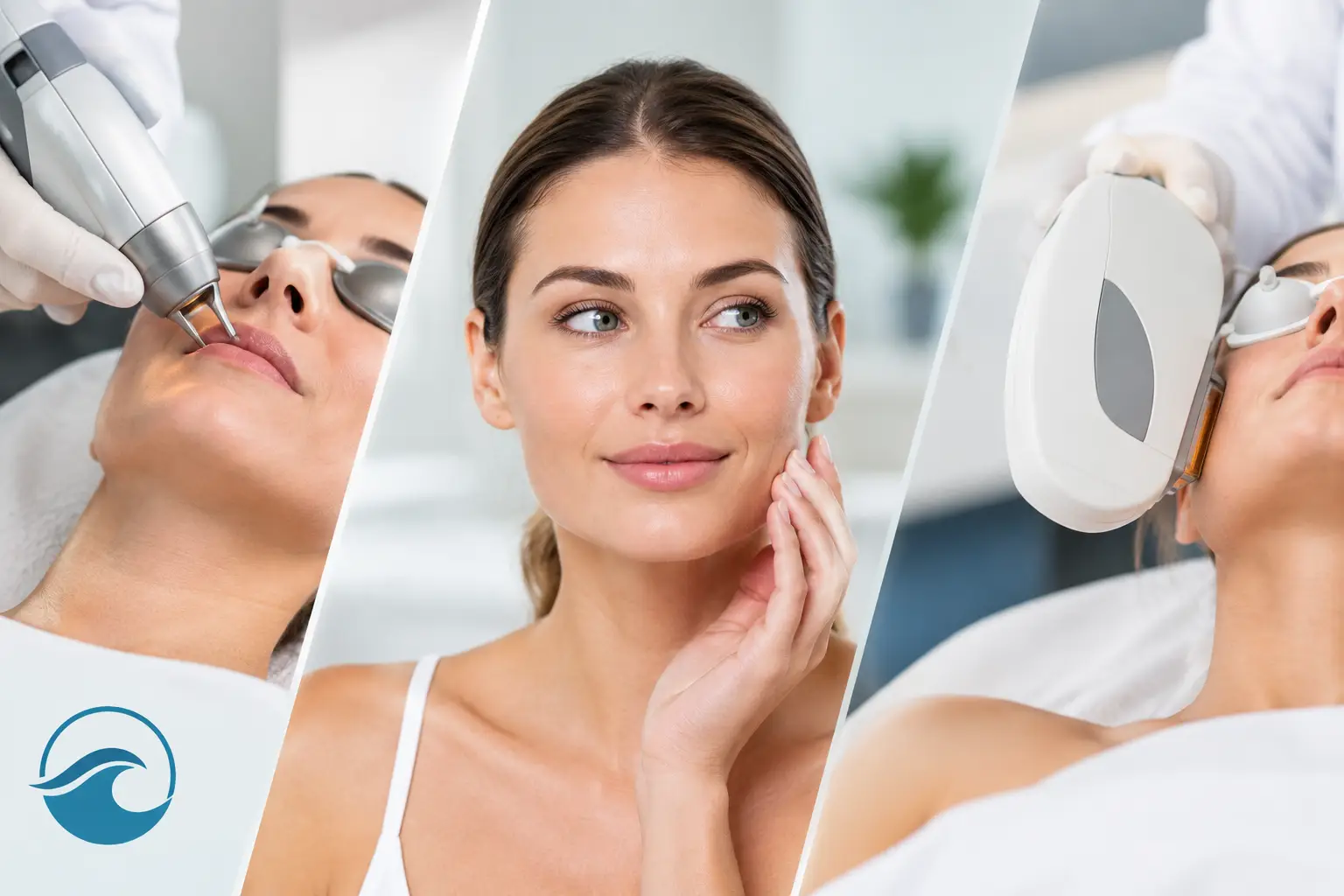
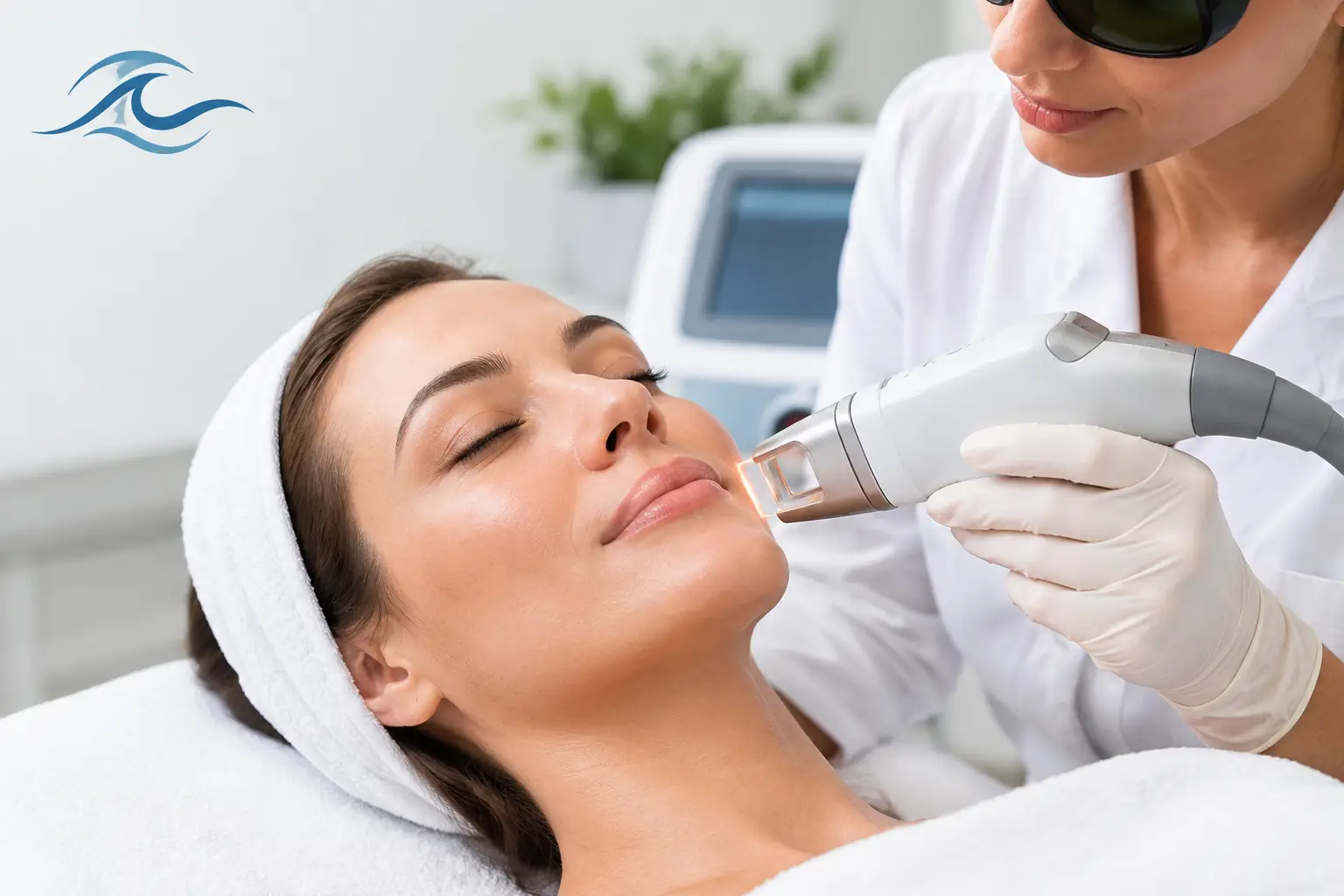
When shaving is a regular trigger, professional IPL hair reduction can be a valuable longer-term option. By targeting pigment in the hair, IPL treatments aim to reduce hair growth over a course of sessions. With less hair growing back, there is often less need for frequent shaving and fewer opportunities for hairs to become trapped beneath the skin.
This is not an overnight fix. Hair grows in cycles, which is why a treatment plan usually involves a series of appointments spaced over time. Results and suitability also vary according to hair colour, skin tone, treatment area and individual response. A proper consultation matters because settings must be selected carefully to support both safety and effectiveness.
IPL is often particularly appealing for people with recurring bumps on the underarms, bikini area, legs or face who are tired of managing irritation every few days. It can reduce the ongoing effort of shaving while helping clients work towards smoother-looking skin and a more comfortable routine.
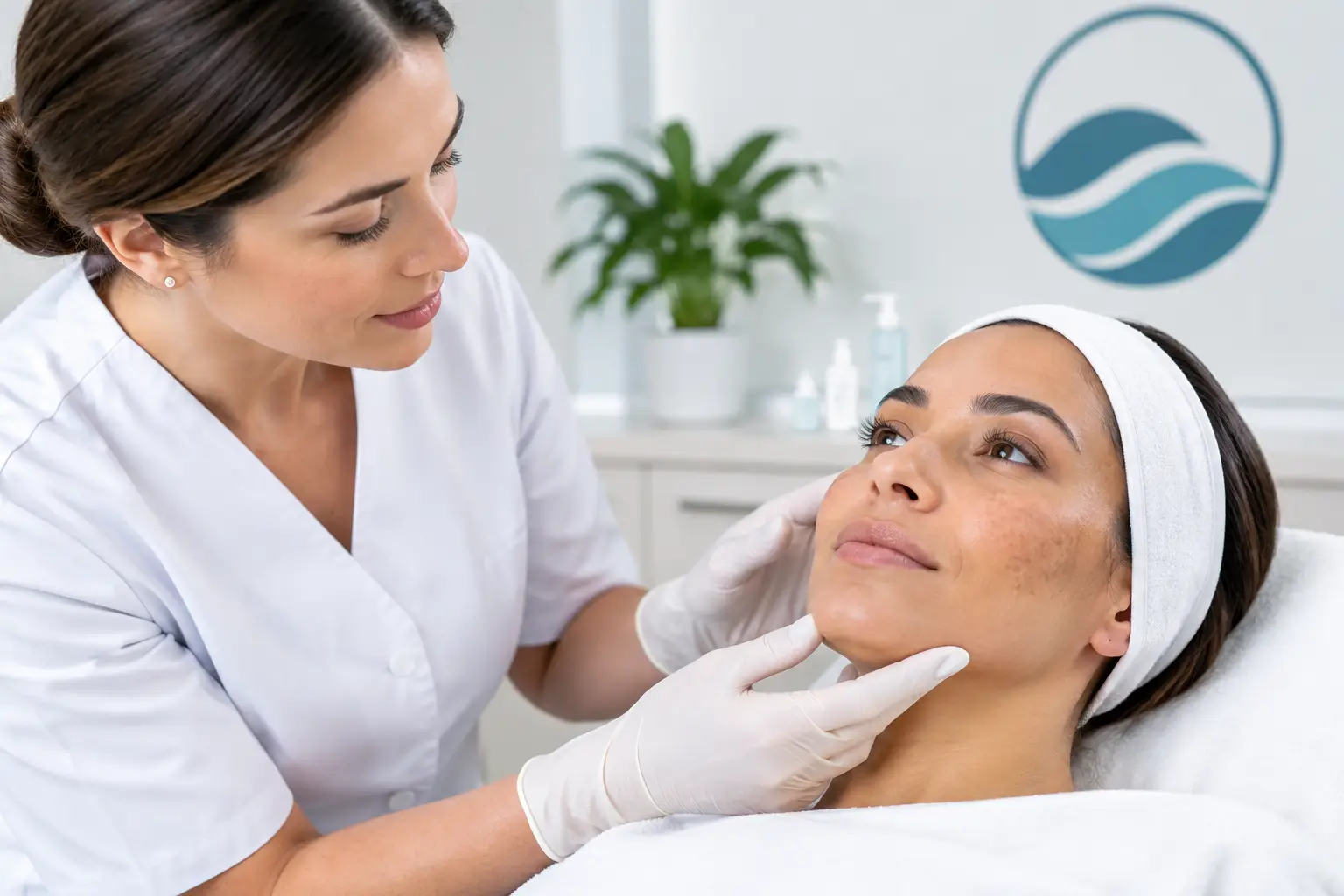
At Coastal Skin Clinic, IPL hair reduction is approached as a personalised treatment, not a one-size-fits-all appointment. A consultation allows your practitioner to assess your skin, hair and goals, explain realistic outcomes and ensure you understand appropriate pre- and post-treatment care.
Protect marks while your skin recovers
Even after the bumps are gone, darker marks can remain, especially on skin that is prone to pigmentation. Sun exposure can deepen these marks and make them slower to fade, so daily broad-spectrum sunscreen on exposed areas is a practical part of recovery. This is particularly relevant for the face, neck and legs on the Sunshine Coast.
Keep your routine calm and consistent rather than reaching for multiple strong products at once. Hydration, gentle exfoliation where tolerated and sun protection often provide a better foundation than constantly changing products. If pigmentation, texture changes or scarring are a concern, professional skin advice can help identify treatments that suit your skin rather than aggravating it.
When professional guidance makes sense
A consultation is worth considering when razor bumps are recurring, leaving visible marks, causing pain or changing the way you feel about hair removal. It is also helpful if you are unsure whether your bumps are ingrown hairs, folliculitis, acne or a reaction to a product.
The most effective plan may be simple: adjust how you shave, settle the irritation and choose a hair-removal method that suits your skin. For others, professional IPL hair reduction offers a more sustainable way to step out of the shave-irritate-repeat cycle. Your skin deserves care that feels both safe and effective, with advice tailored to the way it actually behaves.