Those tiny bumps across the forehead, nose or chin can be frustratingly persistent. If you have tried scrubs, masks and new skincare without much change, you may be wondering: can facials help clogged pores? For many people, the answer is yes – provided the facial is suited to their skin, performed carefully and supported by the right home routine.
Clogged pores are not a sign that your skin is dirty or that you have done anything wrong. They are a very common skin concern, and they can affect teenagers and adults alike. Professional facials can help reduce built-up congestion, improve skin texture and give you clearer guidance on what your skin actually needs. They are not an overnight cure or a replacement for medical acne care where that is needed, but they can be a valuable part of a tailored skin plan.
What clogged pores actually are
A pore becomes clogged when oil, dead skin cells and sometimes product residue collect inside it. This can form a closed comedone, which often looks like a small skin-coloured bump, or an open comedone, better known as a blackhead. Blackheads are not caused by trapped dirt. Their darker appearance occurs when the material in the pore is exposed to air and oxidises.
Congestion often appears in the T-zone, but it can also affect the cheeks, jawline, chest and back. Oil production, hormones, genetics, humid weather, heavy or unsuitable products, inconsistent cleansing and friction from helmets or masks can all play a part. Some people have dry or sensitive skin that is congested too, which is why simply using stronger products is rarely the best answer.
When pores are repeatedly blocked, they may become inflamed and develop into pimples. Addressing congestion early and gently can help reduce that cycle.
Can facials help clogged pores safely?
A professional facial can help by softening surface build-up, lifting excess oil and dead skin cells, and carefully clearing suitable congestion. The key word is carefully. Over-scrubbing, harsh extractions and picking at home can leave skin red, irritated and more likely to mark.
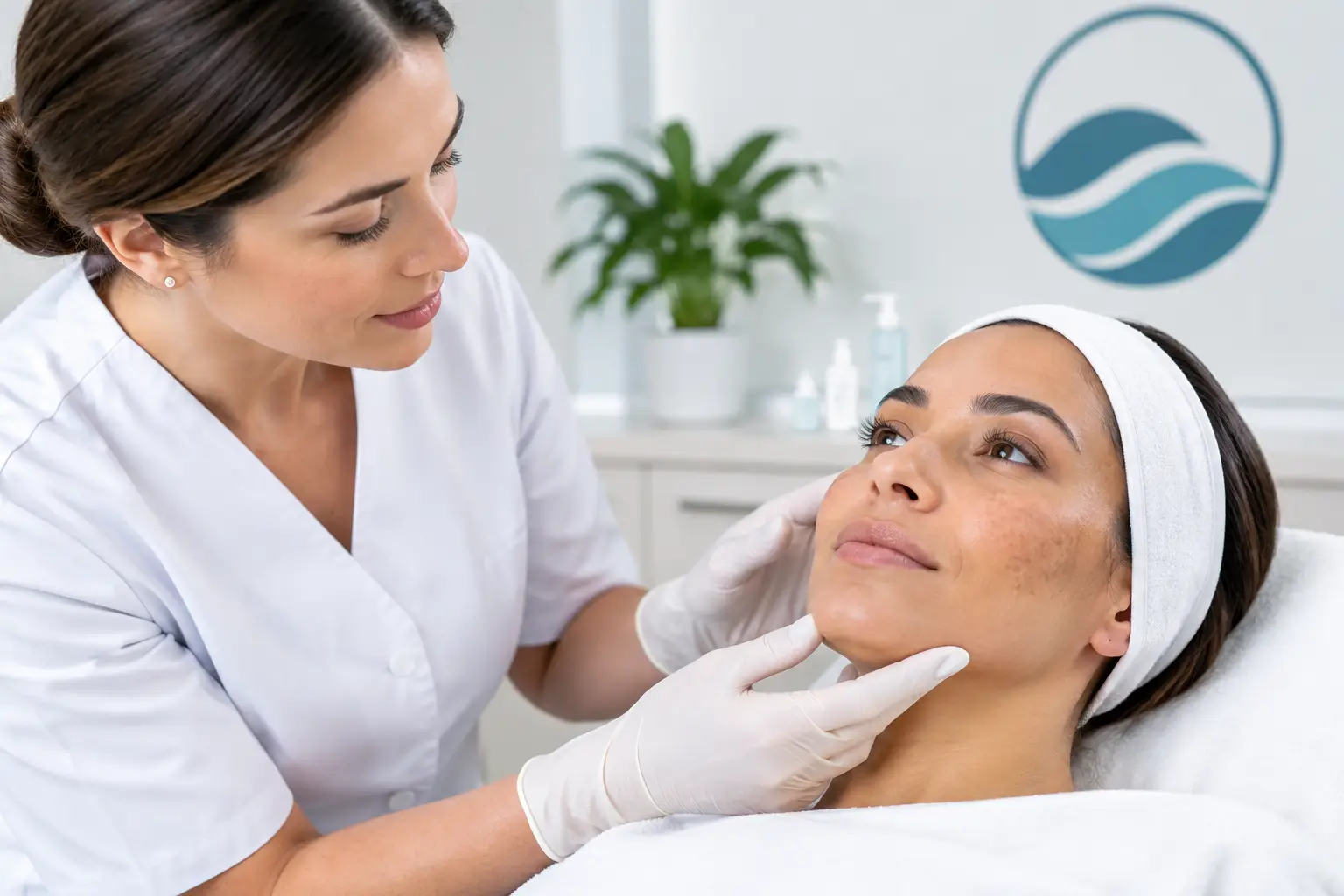
At Coastal Skin Clinic, facials are approached as more than a relaxing treatment. Your practitioner considers your skin type, current products, sensitivity, acne activity and treatment goals before selecting the appropriate approach. Someone with oily, resilient skin may tolerate a different treatment to someone whose skin feels tight, reactive or easily flushed.
A well-chosen facial may include a thorough cleanse, gentle exfoliation, steam or softening steps where appropriate, extractions and calming hydration. The aim is to improve congestion without compromising the skin barrier. A weakened barrier can feel dry, sting easily and become increasingly difficult to manage, even when pores are blocked.
How professional extractions can make a difference
Extractions are often the part of a facial people are most curious about. When performed by a trained professional, they can remove blackheads and certain non-inflamed blockages that are ready to be cleared. This can make the skin feel smoother and reduce the visible appearance of congestion in targeted areas.
However, not every bump should be extracted. Inflamed pimples, deep cystic breakouts and very stubborn congestion may need a different strategy. Trying to force an extraction can cause trauma, prolonged redness, broken capillaries, infection or post-inflammatory pigmentation. It may also spread inflammation to surrounding skin.
This is where professional judgement matters. An experienced practitioner knows when to extract, when to leave an area alone and when to recommend a series of treatments or a medical referral. Safe, effective care is always more valuable than an aggressive session that leaves your skin upset for days.
Why results vary from person to person
Some clients notice smoother skin and fewer blackheads after one facial. Others need several appointments, particularly when congestion has been present for months or is linked to hormonal changes. A facial clears what is present at the time, but pores continue producing oil and shedding skin cells afterwards.
Your results will also depend on the type of congestion, your skincare routine and whether there is active acne underneath the surface. If your makeup, sunscreen or moisturiser is too rich for your skin, or if you are using irritating actives too often, congestion can return quickly. The most useful facial appointment is one that gives you a realistic maintenance plan, not just a temporary glow.
Which facial approaches may suit congested skin?
There is no single best facial for every clogged pore concern. The right treatment depends on whether your skin is oily, dry, sensitive, acne-prone or showing signs of pigmentation and scarring as well.
A deep-cleansing facial can be helpful for mild blackheads and general texture concerns. It may focus on cleansing, gentle exfoliation and selective extractions. This is often a sensible starting point for clients who are new to professional treatments or unsure how their skin will react.
Medical-grade facial peels may be considered when dead skin cell build-up, uneven texture or recurring comedones are contributing to congestion. These treatments work differently from a physical scrub and need to be selected carefully. The strength, ingredients and timing should suit your skin, especially if you are using retinoids, have sensitivity or spend a lot of time outdoors on the Sunshine Coast.
Microdermabrasion may also suit some clients with surface texture and dullness, but it is not right for every skin condition. If you have active inflammatory acne, rosacea, eczema or a compromised barrier, a gentler, calming approach may be more appropriate. A consultation helps separate a treatment that sounds appealing from one that is genuinely right for your skin.
What to do between facial appointments
Facials work best when your home routine supports them. You do not need a crowded bathroom shelf or a harsh, complicated regimen. Consistency and product suitability matter more.
Cleanse gently each evening to remove sunscreen, makeup, oil and daily build-up. If you wear heavier makeup or water-resistant sunscreen, a thorough first cleanse followed by a gentle second cleanse may help. Avoid washing excessively or using very hot water, as both can irritate the skin.
A practitioner may recommend an exfoliating active for your skin, such as salicylic acid, which can help clear oil within the pore. This should be introduced gradually and used as directed. More is not better. Combining multiple exfoliants, scrubs and strong active products can cause irritation that makes your skin look and feel worse.
Use a lightweight moisturiser if your skin needs it, even if you are oily. Dehydrated skin can still produce oil, and skipping moisturiser altogether may not solve congestion. Daily broad-spectrum sunscreen is also essential, particularly after exfoliating treatments, as fresh skin can be more vulnerable to sun damage and pigmentation.
Most importantly, resist squeezing. It is tempting, especially before an event, but home extractions can push material deeper into the pore and increase the risk of marks that take far longer to fade than the original blackhead.
When a facial may not be enough
Facials can be a helpful support for clogged pores, but persistent or painful acne deserves a broader assessment. If you are experiencing deep sore breakouts, cysts, scarring, sudden adult acne, widespread inflammation or skin that is worsening despite careful treatment, it may be time to speak with your GP or dermatologist.
Professional skin treatments can still play a role alongside medical advice, particularly for managing texture, congestion and post-breakout marks once the skin is stable. The right timing matters. Treating active, inflamed skin too aggressively is not the same as treating established blackheads or residual texture.
A personalised plan is worth more than a quick fix
Clearer-looking skin is rarely about one dramatic treatment. It is usually the result of choosing the right level of exfoliation, treating congestion safely, protecting the skin barrier and making small, sustainable changes at home.
If clogged pores are affecting your confidence, a professional skin consultation can take the guesswork out of your next step. With thoughtful treatment selection and ongoing guidance, you can work towards skin that feels smoother, calmer and easier to care for.