You may have spent weeks thinking about a tattoo you would like removed, changes in your skin texture, unwanted hair, or simply wanting to look more refreshed. Booking is often the easy part. Walking into your first appointment can feel more personal. This guide to a first aesthetic appointment is here to make that first step feel clear, considered and reassuring.
A professional aesthetic consultation is not about being persuaded into a treatment. It is a conversation about your goals, your skin, your health history and the options that suit you. The right practitioner will be honest about what is achievable, what preparation is needed and whether now is the right time to proceed.
Your guide to a first aesthetic appointment
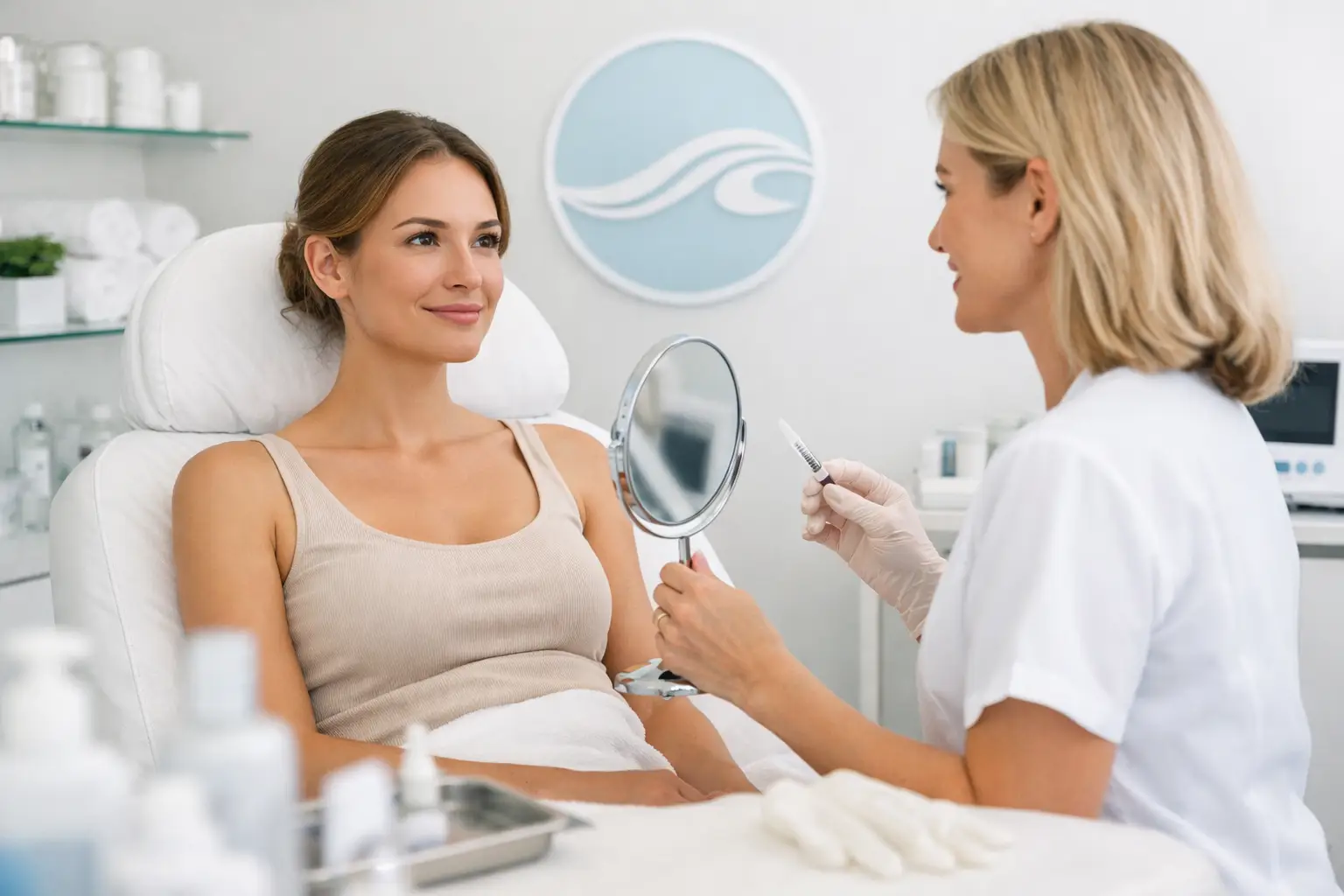
Your first visit should begin with listening. Before discussing a treatment, your practitioner needs to understand what has brought you in and what result would make a meaningful difference to you. For some clients, that means fading an unwanted tattoo over a series of sessions. For others, it may mean addressing pigmentation, acne scarring, sun damage, fine lines, unwanted hair or dull skin.
Try to describe your goal rather than arriving with a fixed treatment in mind. For example, you might say that your skin feels uneven and tired, or that you would like a tattoo to be less visible. There can be more than one way to approach a concern, and the most suitable option depends on your skin type, lifestyle, medical history, budget and tolerance for downtime.
At Coastal Skin Clinic, consultations are designed to be personal and practical. You should leave knowing what the recommended approach is, why it has been suggested and what your next step looks like.
Come prepared to talk about your skin and health
There is no need to arrive with perfect knowledge or a long list of beauty terms. Honest information is far more useful. Your practitioner may ask about allergies, current medications, skin conditions, recent procedures, pregnancy or breastfeeding, and any history of scarring, pigmentation or cold sores. These details help determine whether a treatment is appropriate and whether your plan needs to be adjusted.
Be ready to mention the skincare products you use at home, especially active ingredients such as retinoids, exfoliating acids or strong acne treatments. Some products need to be paused before certain procedures to reduce irritation and support proper healing. If you have had laser, peels, cosmetic treatments or tattooing before, share how your skin responded.
Sun exposure also matters on the Sunshine Coast. A recent tan, sunburn or planned beach holiday can affect the timing and suitability of laser and skin rejuvenation treatments. This does not always mean you cannot have treatment, but it may mean waiting until your skin has settled or choosing a different approach first.
Know what a good consultation should cover
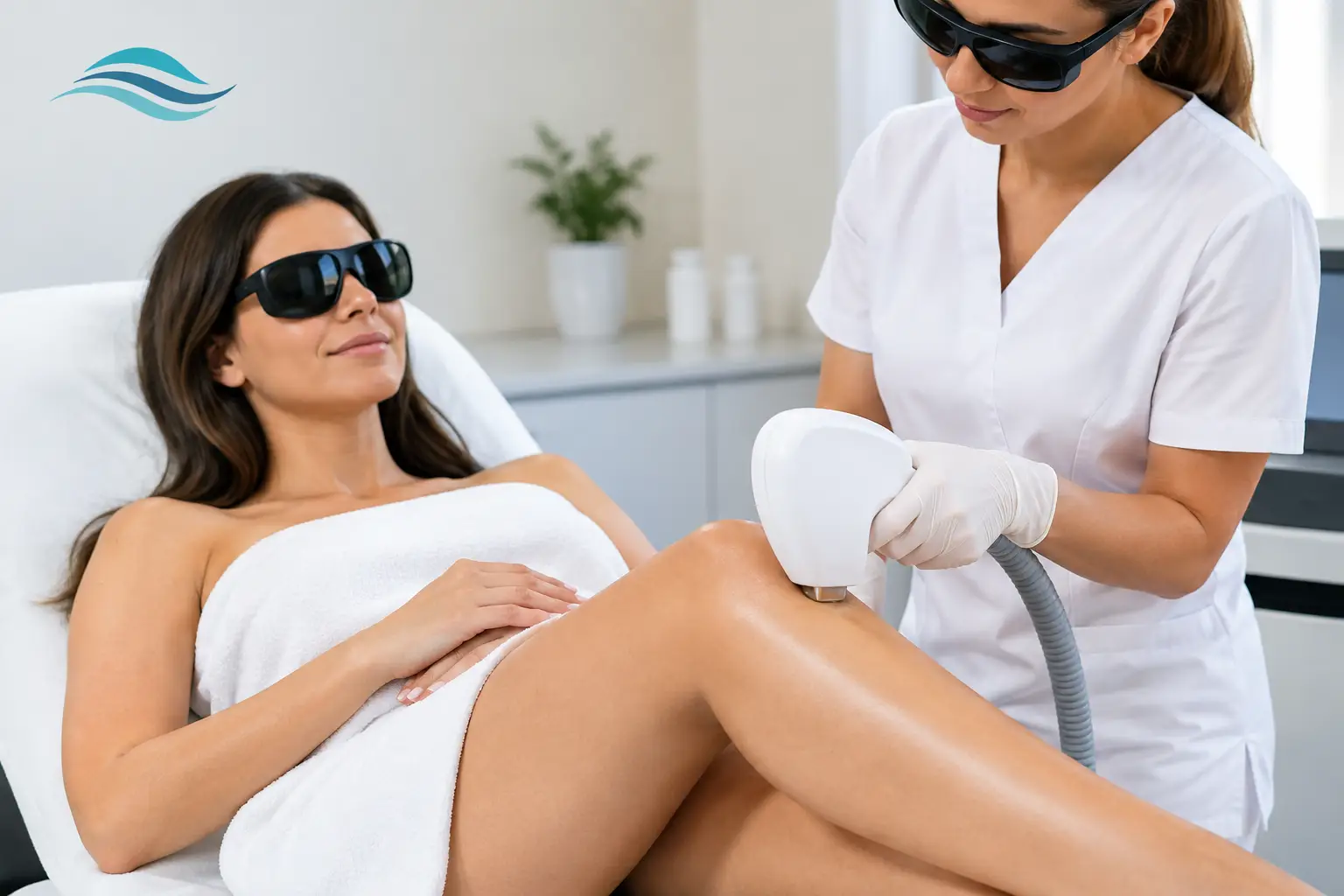
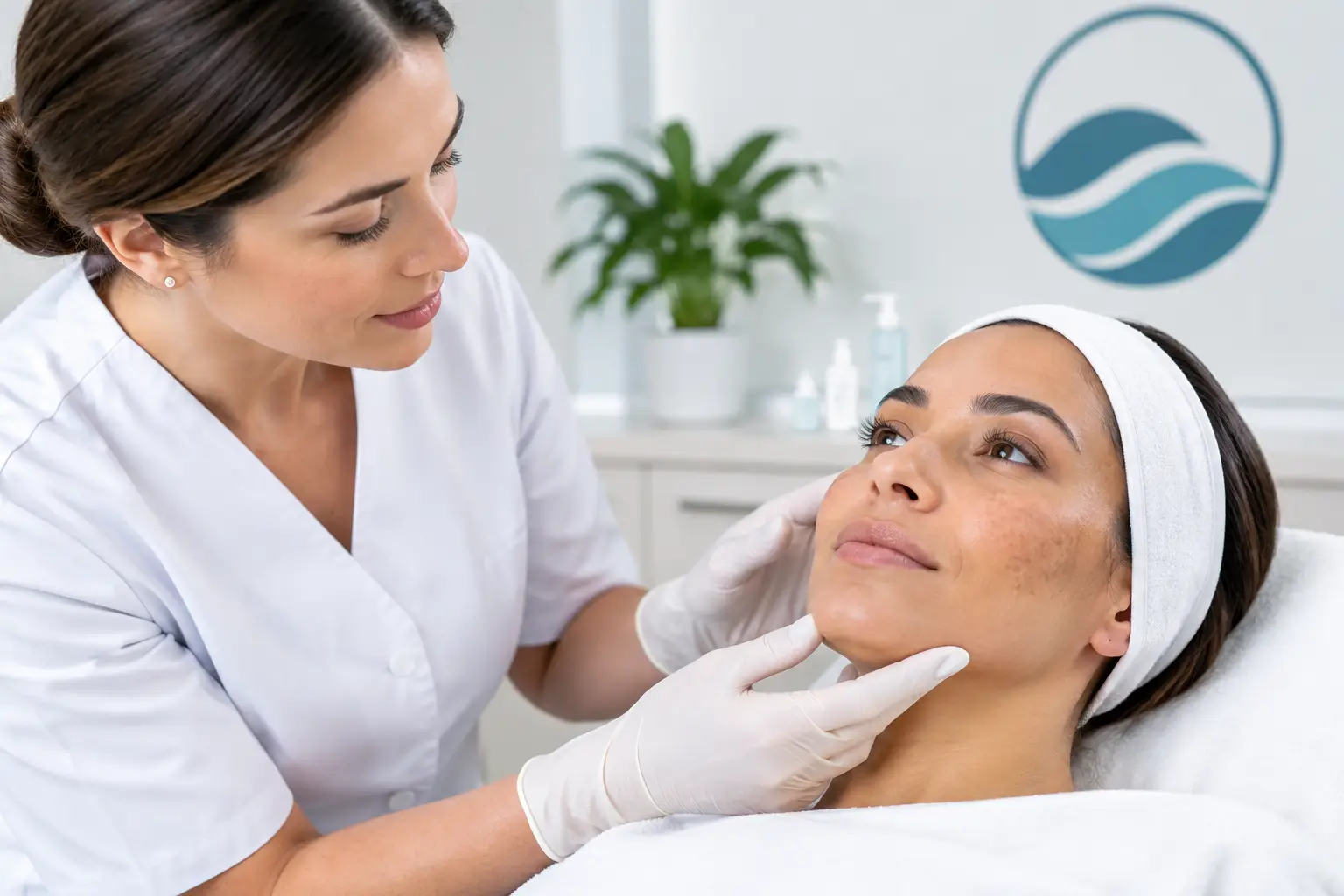
A thorough appointment should feel informative, not rushed. Your practitioner should assess the treatment area, discuss your goals and explain the expected process in plain language. For treatments such as laser tattoo removal, IPL hair reduction, laser rejuvenation or CO2 skin rejuvenation, this may include assessing skin tone, hair or tattoo characteristics, and discussing how many sessions may be needed.
Results are rarely identical from person to person. Tattoo inks respond differently to laser treatment, and factors such as colour, depth, age and location can influence the fading process. Likewise, skin rejuvenation results depend on the concern being treated, your skin’s natural healing response and how closely you follow aftercare advice.
You should also receive clear information about possible side effects, recovery time and aftercare. Redness, warmth, swelling, dryness or temporary sensitivity can be normal after some treatments. More intensive treatments may involve a longer recovery period. Understanding this upfront helps you plan around work, social events, exercise and sun exposure rather than feeling caught off guard afterwards.
Ask questions that help you decide
It is completely reasonable to take your time. Aesthetic treatment is personal, and confidence should come from understanding your options, not from pressure to decide on the spot.
Useful questions include how the treatment works, why it suits your concern, what alternatives are available and what results are realistic for your skin. You may also want to ask about the practitioner’s training, the technology used, whether a patch test is recommended and how aftercare support is handled.
If a treatment plan involves several appointments, ask how the sessions are spaced and what progress typically looks like between visits. A plan for tattoo removal or hair reduction, for instance, is usually a gradual process. For corrective skin treatments, your practitioner may recommend a combination of in-clinic care and suitable home skincare to support the outcome.
A good practitioner will welcome these questions. If something does not make sense, ask for it to be explained another way. You are not expected to know the clinical details before you arrive.
Be realistic about results and downtime
The best aesthetic results tend to come from a plan that respects your skin rather than rushing it. It can be tempting to want a dramatic change before a wedding, holiday or special event, but some treatments need recovery time and a series of sessions to produce the safest, most natural-looking improvement.
This is where individual advice matters. A gentle facial, microdermabrasion or selected peel may fit comfortably into a regular maintenance routine. Laser treatments or more intensive skin resurfacing may require more planning, particularly if you are prone to sensitivity or pigmentation changes. Your practitioner should explain the trade-off between treatment intensity, downtime and the result you are hoping to achieve.
Before-and-after images can be helpful when they show genuine, comparable results, but they are a reference point rather than a promise. Your own outcome will be shaped by your starting point, treatment consistency, healing and aftercare.
Small preparation steps can make a difference
Your clinic will give treatment-specific instructions, so always follow those first. In general, arrive with clean skin where possible and avoid applying makeup, fake tan, fragranced body products or heavy skincare to the treatment area unless you have been told otherwise.
Avoid waxing, plucking or epilating before IPL hair reduction when advised, as the hair follicle needs to be present for treatment to work effectively. For tattoo removal, keep the skin healthy and avoid picking, exfoliating or tanning the area. For facial treatments, let your practitioner know if your skin is irritated, peeling or reacting to a new product.
It can also help to schedule thoughtfully. If you have an important event, a long day outdoors or a demanding gym session planned, ask whether it is better to book before or after. Giving your skin a little breathing room is often the kindest choice.
Choose care, not quick promises
Aesthetic care should feel safe, effective and tailored to you. Look for a clinic that explains its processes, uses appropriate technology and places your wellbeing ahead of a quick sale. Professional standards, qualified practitioners and a warm, friendly atmosphere all matter, especially when you are trusting someone with your skin.
Your first appointment is not a test of whether you know enough. It is the beginning of an informed conversation. Bring your questions, be open about your concerns and give yourself permission to proceed only when the plan feels right. The most valuable result from that first visit may be the confidence of knowing exactly what your skin needs next.