If you are considering skin resurfacing, one of the first questions you will probably ask is how painful is CO2 laser. That is a fair question. CO2 laser can deliver impressive results for texture, acne scarring, fine lines and sun damage, but it is also a stronger treatment than a standard facial or light peel. Most clients do not describe it as unbearable. They usually describe it as intense, hot, and very manageable with the right preparation and aftercare.
The honest answer is that discomfort varies. The treatment area, the strength of the settings, your own pain tolerance, and whether you are having a light or more aggressive resurfacing session all make a difference. A well-planned treatment should never feel rushed or careless. The goal is always safe, effective results with as much comfort as possible.
How painful is CO2 laser during treatment?
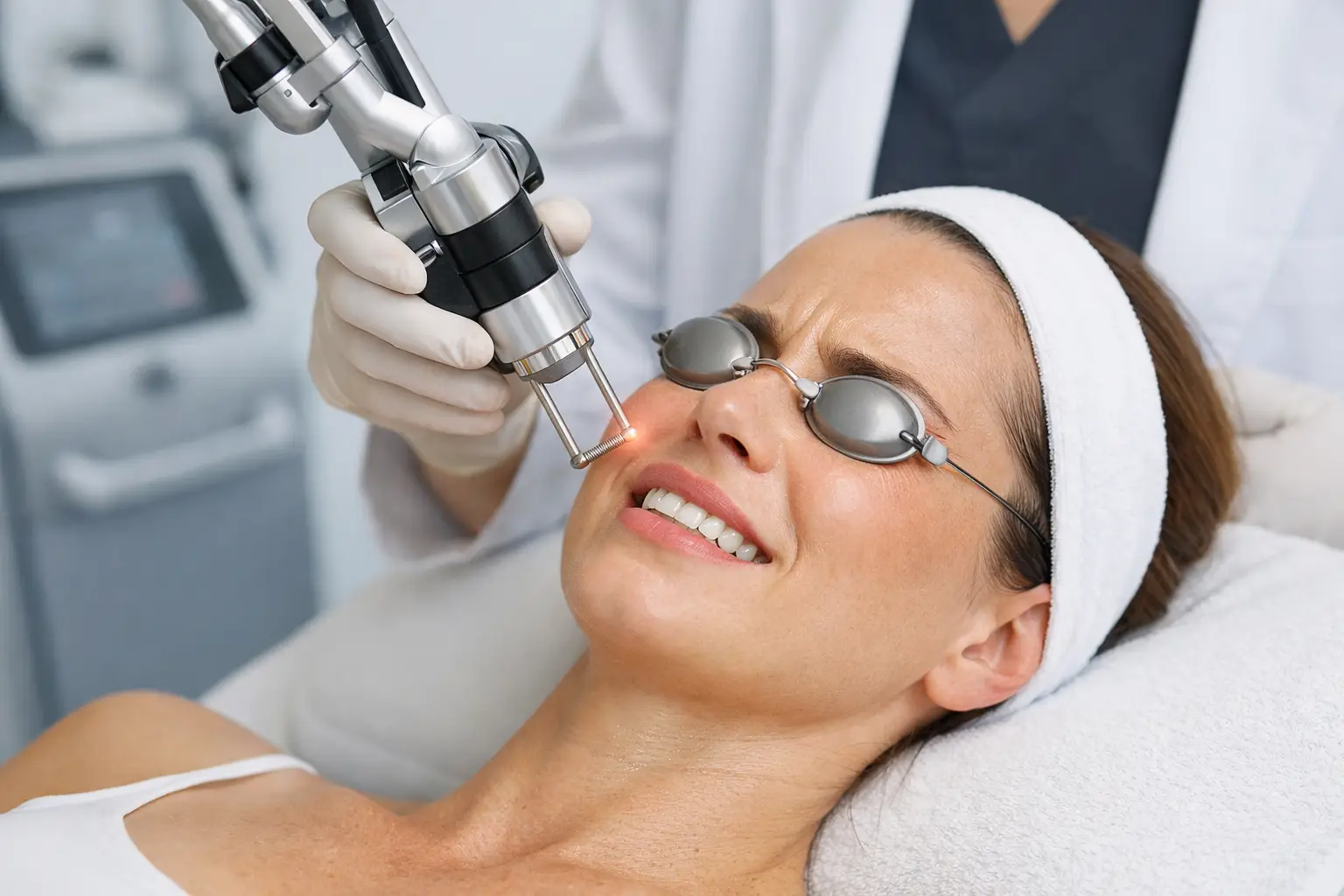
During treatment, CO2 laser is often described as a hot, prickling or stinging sensation. Some clients say it feels like repeated snaps combined with heat. Others compare it to a strong sunburn developing very quickly. Around thinner skin, such as near the eyes or mouth, it can feel sharper than it does on the cheeks or forehead.
Most clinics use numbing cream before treatment, and that changes the experience significantly. With proper topical anaesthetic and a careful approach, many clients tolerate the procedure well. You are still likely to feel heat and some discomfort, but the treatment is generally much more manageable than people expect when they first hear the word laser.
If you are having a lighter fractional CO2 treatment, discomfort is usually lower and the session is easier to get through. If you are having a more intensive resurfacing treatment, you should expect a higher level of discomfort both during and after the appointment. That does not mean it is the wrong treatment. It simply means the strength of the treatment needs to match your skin concerns, downtime tolerance and goals.
What affects how painful CO2 laser feels?
Not every CO2 laser treatment feels the same, and this is where personalised advice matters. The intensity depends heavily on the treatment settings and the condition being treated.
A shallow, fractional pass for general rejuvenation will usually feel less intense than a deeper treatment for acne scarring or more advanced texture concerns. Smaller areas can also feel easier to tolerate than a full-face session, simply because the treatment time is shorter.
Your skin sensitivity matters too. Clients with reactive skin, a lower pain threshold, or anxiety about treatment may experience the procedure more strongly. Even factors such as stress, poor sleep and where in the body you are being treated can influence how uncomfortable it feels on the day.
The practitioner also makes a real difference. Experienced providers do not just operate a machine. They assess your skin properly, choose settings carefully, explain what to expect, and support you through the appointment. That combination often makes the experience feel calmer and more controlled.
Is CO2 laser more painful than other skin treatments?
In most cases, yes. CO2 laser is generally more intense than microdermabrasion, standard facials, superficial peels and many gentler laser treatments. That is because it works more deeply in the skin and creates controlled injury to stimulate renewal.
That said, stronger does not automatically mean worse. It often means you are choosing a treatment with greater corrective potential. Many clients accept a more intense appointment and a longer recovery period because they want more visible improvement in acne scars, pigmentation, crepey texture or deeper lines.
This is where expectations matter. If you are looking for a treatment with very little downtime and minimal sensation, CO2 laser may not be your first option. If you are comfortable with a more serious treatment in exchange for stronger results, it can be a very worthwhile choice.
What does CO2 laser feel like afterwards?
For most people, the discomfort after treatment feels more like heat and tenderness than sharp pain. The skin is usually red, tight and warm, often with a sensation similar to a significant sunburn. Depending on the intensity of your treatment, this can last for several hours to a few days.
Swelling is also common, especially around the eyes. As the skin begins to heal, you may notice dryness, roughness and peeling. That stage can feel annoying rather than painful, but it still requires care. Picking, rubbing or using the wrong products can make recovery more uncomfortable and may affect healing.
A more intensive treatment usually comes with more downtime. For some clients, the first 24 to 72 hours are the most uncomfortable. After that, the focus tends to shift from heat and swelling to skin tightness and flaking. Good aftercare makes a big difference here.
How clinics help manage discomfort
Comfort should be part of the treatment plan, not an afterthought. Before a CO2 laser session, clinics commonly apply a prescription-strength or medical-grade numbing cream and allow enough time for it to work properly. Cooling measures during and after treatment can also help reduce the sensation of heat.
Clear communication matters just as much. When you know what is happening, what the laser will feel like, and how long each stage will take, the treatment often feels less stressful. Anxiety can heighten pain, so reassurance and a calm clinical approach are genuinely helpful.
After treatment, you may be advised to use specific soothing products, cold compresses and strict sun protection. Following those instructions carefully can reduce discomfort and support a smoother recovery. Safe. Effective. treatment is not only about what happens in the room. It is also about how well your skin is supported afterwards.
How painful is CO2 laser compared with the results?
This is the question that usually matters most. For many clients, the discomfort is acceptable because the treatment can produce meaningful improvement that lighter options may not achieve. Acne scarring can soften. Skin texture can become smoother. Fine lines and signs of sun damage can improve noticeably.
Still, CO2 laser is not a treatment to choose casually. The stronger the treatment, the more important it is to weigh the benefits against the downtime, aftercare and temporary discomfort. Some clients are happy to take a gradual path with gentler treatments over time. Others prefer one more intensive treatment with a longer recovery. Neither approach is automatically better. It depends on your skin, your goals and your lifestyle.
If you have an event coming up, limited downtime, or very sensitive skin, a different treatment may suit you better. A proper consultation should help you decide that before anything is booked.
Who may find CO2 laser harder to tolerate?
Clients with very sensitive skin, active inflammation, or high levels of treatment anxiety may find CO2 laser more difficult. People treating delicate areas, such as around the mouth or eyes, may also notice more discomfort because the skin is thinner there.
It is also worth being realistic if you do not cope well with heat-based treatments or if you are expecting a completely pain-free experience. CO2 laser is not usually described that way. It is more accurate to think of it as a manageable medical-aesthetic treatment with a temporary recovery period.
That is why consultation is so important. A good provider will not push you into the strongest option if it is not right for you. They will assess your concerns, explain the likely sensation and healing process, and recommend a plan that matches your comfort level as well as your results.
When should you be concerned about pain?
Some discomfort is normal. Severe or worsening pain during recovery is not something to ignore. If the treated skin becomes increasingly painful, shows unusual discharge, develops significant swelling beyond what you were advised to expect, or you are worried about infection or delayed healing, you should contact your clinic promptly.
The right clinic will give you clear aftercare instructions and tell you exactly what is normal versus what needs review. That support is part of safe treatment. It is also one of the reasons many clients prefer an experienced, treatment-led clinic over a quick discount option.
The real answer
So, how painful is CO2 laser really? For most people, it is uncomfortable but manageable. It is usually more intense than lighter skin treatments, especially during a stronger resurfacing session, and the first few days of recovery can feel hot, tight and tender. But with proper numbing, careful settings, and personalised aftercare, it is rarely described as unbearable.
If you are interested in CO2 laser, the best next step is not guessing from online horror stories or hoping for a one-size-fits-all answer. It is having your skin assessed properly, asking direct questions, and choosing a clinic that takes both results and your comfort seriously. When the treatment is matched well to the person, confidence tends to replace fear very quickly.