You are not usually asking this question out of curiosity. You are asking because you are thinking about removing a tattoo and you want to know what could happen to your skin, your health, and your appearance. That is the right place to start, because is laser tattoo removal safe is not just a yes or no question. It depends on the equipment used, the skill of the practitioner, your skin, your tattoo, and how well you follow aftercare.
The reassuring answer is that laser tattoo removal is generally considered safe when it is performed by trained professionals using suitable medical-grade technology and proper treatment protocols. It has been used for many years and is one of the most established methods for reducing unwanted tattoo ink. But safe does not mean risk-free, and understanding the difference matters.
Is laser tattoo removal safe for most people?
For most healthy adults, laser tattoo removal is a safe treatment when it is approached carefully. The laser targets pigment in the tattoo while aiming to leave the surrounding skin as unaffected as possible. Your body then gradually clears the fragmented ink particles over time.
That said, every person is different. Skin tone, medical history, medication use, sun exposure, the age of the tattoo, and even the colour of the ink can affect how treatment should be planned. A proper consultation is not a formality. It is where safety starts.
A good provider will assess whether laser tattoo removal is suitable for you, explain likely outcomes, and talk honestly about any factors that may increase risk. In some cases, treatment may need to be delayed or adjusted. For example, recently tanned skin, active skin irritation, some medications, or certain health conditions may mean it is safer to wait.
How laser tattoo removal works
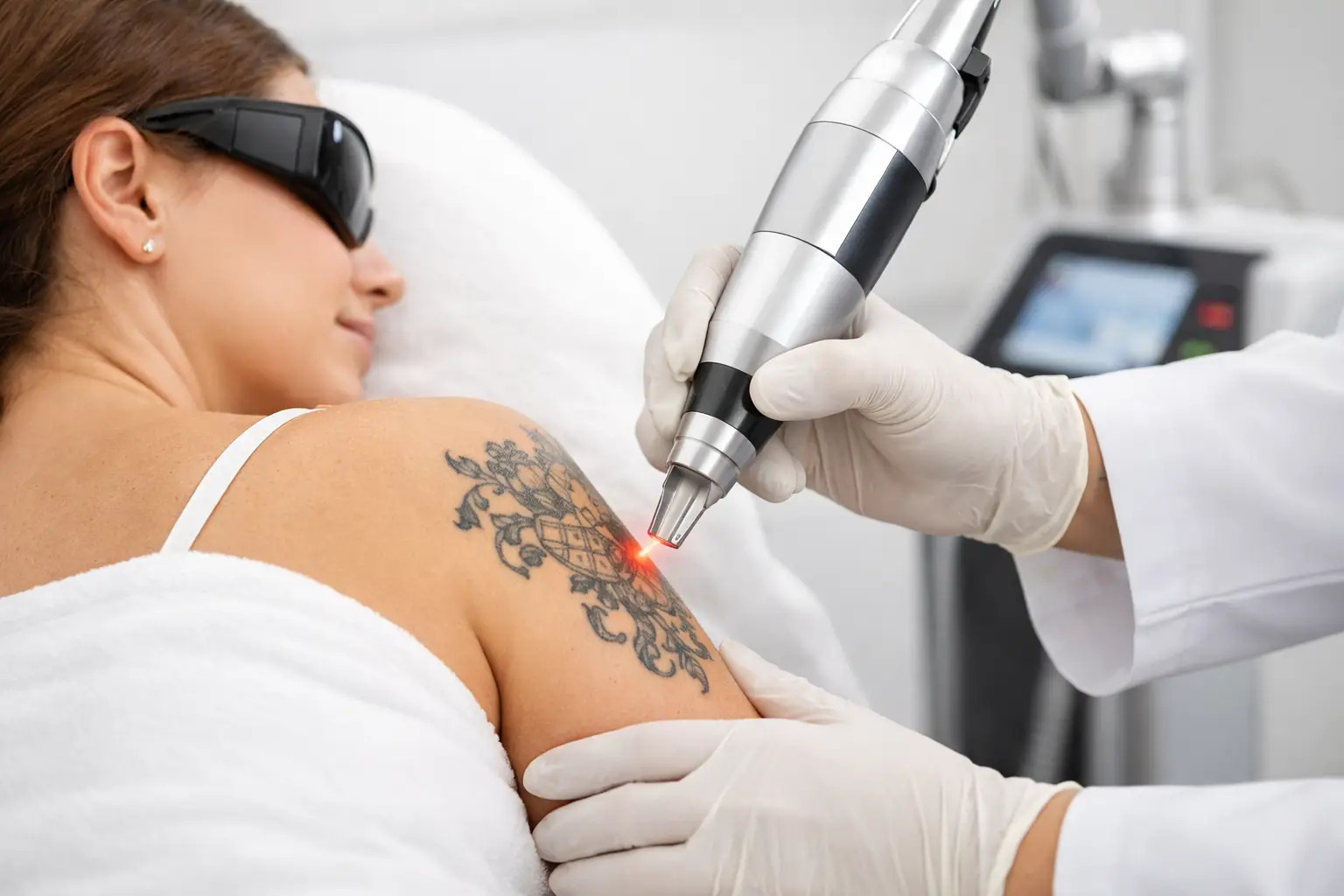
Laser tattoo removal works by delivering short bursts of energy into the tattoo ink. Different wavelengths are used to target different colours, and the ink particles break into smaller fragments. Over the following weeks, your immune system helps carry those fragments away.
This is why tattoo removal happens over a series of sessions rather than all at once. Your skin needs time to recover, and your body needs time to process the shattered ink. Trying to rush the process is not safer and usually does not produce better results.
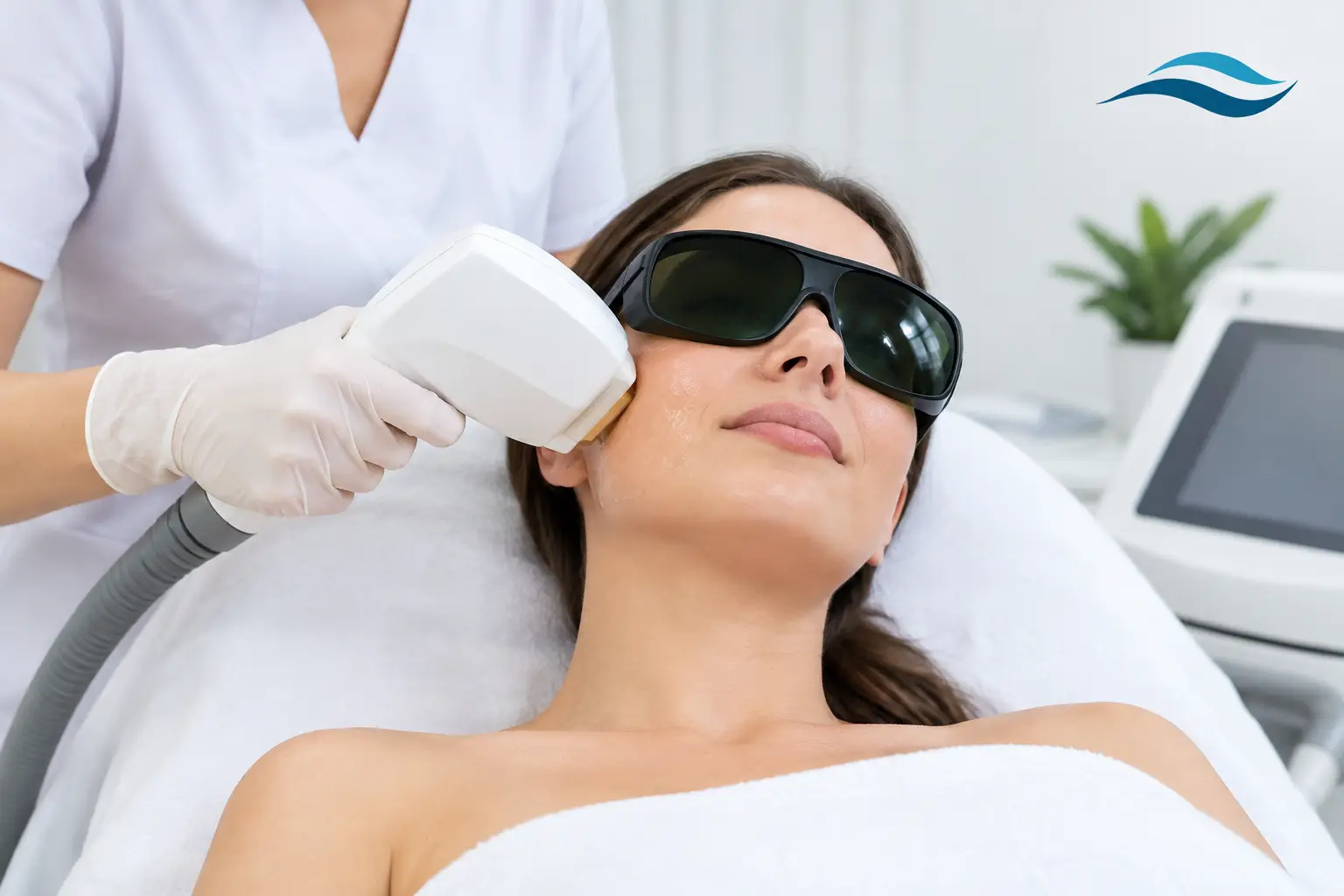
The treatment itself often feels like quick snaps against the skin. Some clients describe it as similar to an elastic band flicking repeatedly. It is uncomfortable, but generally manageable, and cooling methods can help make the session more tolerable.
What makes laser tattoo removal safe or unsafe?
The biggest safety factors are the practitioner, the technology, and the treatment plan.
An experienced practitioner understands how to match the laser settings to your skin type and tattoo characteristics. Using settings that are too aggressive can increase the chance of burns, blistering, pigment changes, or scarring. Using settings that are too conservative may not produce effective clearance, leading to unnecessary sessions without meaningful progress.
Technology matters as well. Modern, well-maintained laser systems are designed to target ink more precisely. That does not remove all risk, but it improves the ability to treat tattoos effectively while protecting the surrounding skin.
The treatment plan also needs to be personalised. A small black tattoo on fair skin is very different from a layered multicolour tattoo on darker skin, or a cosmetic tattoo in a sensitive area. Safe treatment means adjusting to the individual rather than applying the same approach to everyone.
Common side effects and what is normal
Most side effects from laser tattoo removal are temporary and part of the normal healing response. Redness, swelling, mild blistering, pinpoint bleeding, tenderness, frosting on the skin during treatment, and temporary darkening or lightening of the area can all occur.
These reactions can sound alarming if you are not expecting them, but they are often manageable when the treatment is performed correctly and aftercare instructions are followed. The treated area may feel similar to sunburn for a short time, and some people notice itching as the skin heals.
Blisters are one of the side effects people worry about most. While they are not guaranteed, they can happen and are not automatically a sign that something has gone wrong. What matters is how they are managed. Picking, rubbing, or exposing the area to friction can increase the risk of complications.
The risks clients should know about
Although laser tattoo removal is generally safe, there are genuine risks, and they should be discussed clearly.
The main concerns are changes in skin pigment, infection, textural changes, and scarring. Pigment changes can show up as hypopigmentation, where the skin becomes lighter, or hyperpigmentation, where it becomes darker. These changes are often temporary, but in some cases they can take a long time to settle.
Scarring is uncommon when treatment is done properly, but it is possible. Sometimes what clients think is scarring from removal is actually pre-existing scar tissue from when the tattoo was first applied. A thorough assessment helps set realistic expectations around this.
Infection is usually linked more to poor aftercare than the laser itself. If the skin is not kept clean, if blisters are interfered with, or if the area is exposed too soon to pools, gyms, or other irritants, the risk can rise.
There is also the issue of incomplete removal. Safe treatment is not only about avoiding harm. It is also about being realistic. Some tattoos lighten beautifully. Others leave ghosting, resistant pigment, or colour remnants, especially if they have been reworked or contain difficult inks.
Is laser tattoo removal safe for all skin tones?
Laser tattoo removal can be safe across a range of skin tones, but the approach needs to be more cautious in some cases. Darker skin contains more melanin, and because lasers can also respond to melanin, there is a greater chance of pigment disruption if treatment is not properly tailored.
This does not mean people with darker skin cannot have laser tattoo removal. It means treatment settings, laser selection, spacing between sessions, and aftercare become even more important. The safest approach is one that respects the skin rather than pushing for fast results.
This is one reason why choosing a qualified clinic matters so much. Skin type should never be treated as a minor detail.
Why a consultation matters more than people think
A consultation is where you can ask the questions that actually affect your decision. Is your tattoo likely to respond well? How many sessions might be needed? Are there reasons treatment should be postponed? What side effects are most likely for your skin and tattoo type?
It is also where a practitioner can look for red flags. These may include active skin conditions, recent sun exposure, medications that increase light sensitivity, a history of keloid scarring, or expectations that are not medically realistic.
At a clinic such as Coastal Skin Clinic, this part of the process is not about pressure. It is about making sure treatment is appropriate, safe, and tailored. That kind of guidance can make the experience feel far less overwhelming.
How to make laser tattoo removal safer
Safety is not only the clinic’s responsibility. Clients play a real part as well.
Following pre- and post-treatment instructions helps protect your skin and supports better healing. That usually means avoiding sun exposure, keeping the area clean, not picking at blisters or scabs, and giving the skin enough recovery time between sessions. It also means being honest during consultation about your health, medications, and previous skin reactions.
Trying to remove a tattoo cheaply or quickly can end up being the less safe option. If a provider downplays risks, skips assessment, or promises complete removal without seeing your tattoo respond over time, that is worth questioning.
So, is laser tattoo removal safe?
Yes, for most people, laser tattoo removal is safe when it is performed by a trained professional with appropriate technology and a personalised treatment plan. The strongest word in that sentence is when. Safety depends on who is treating you, how your skin is assessed, how your sessions are managed, and whether you are given honest advice rather than a sales pitch.
If you are considering treatment, look for a clinic that values safety as much as results. You want clear communication, proper licensing, realistic expectations, and a team that takes the time to understand your skin and your goals. When that foundation is in place, laser tattoo removal can be a very safe and effective step forward.