When someone is unhappy with cosmetic tattooing or an old tattoo, the first question is usually simple: what will actually work? In the laser removal vs saline fading conversation, the right answer depends on the pigment, the area treated, your skin, and how much clearance you are hoping to achieve.
This is where good advice matters. These treatments are often spoken about as if they do the same job, but they work very differently and can suit very different concerns.
Laser removal vs saline fading: what is the difference?
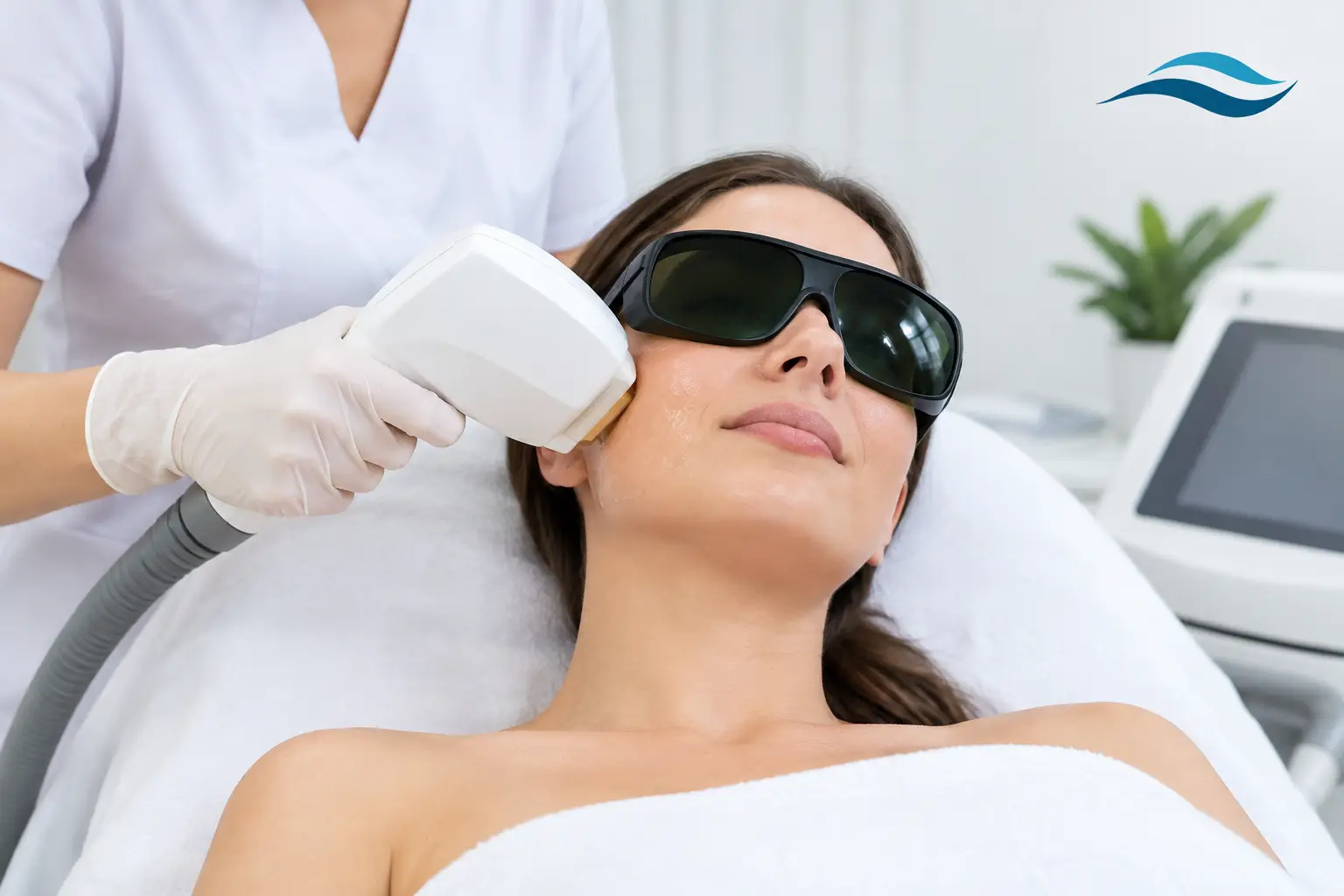
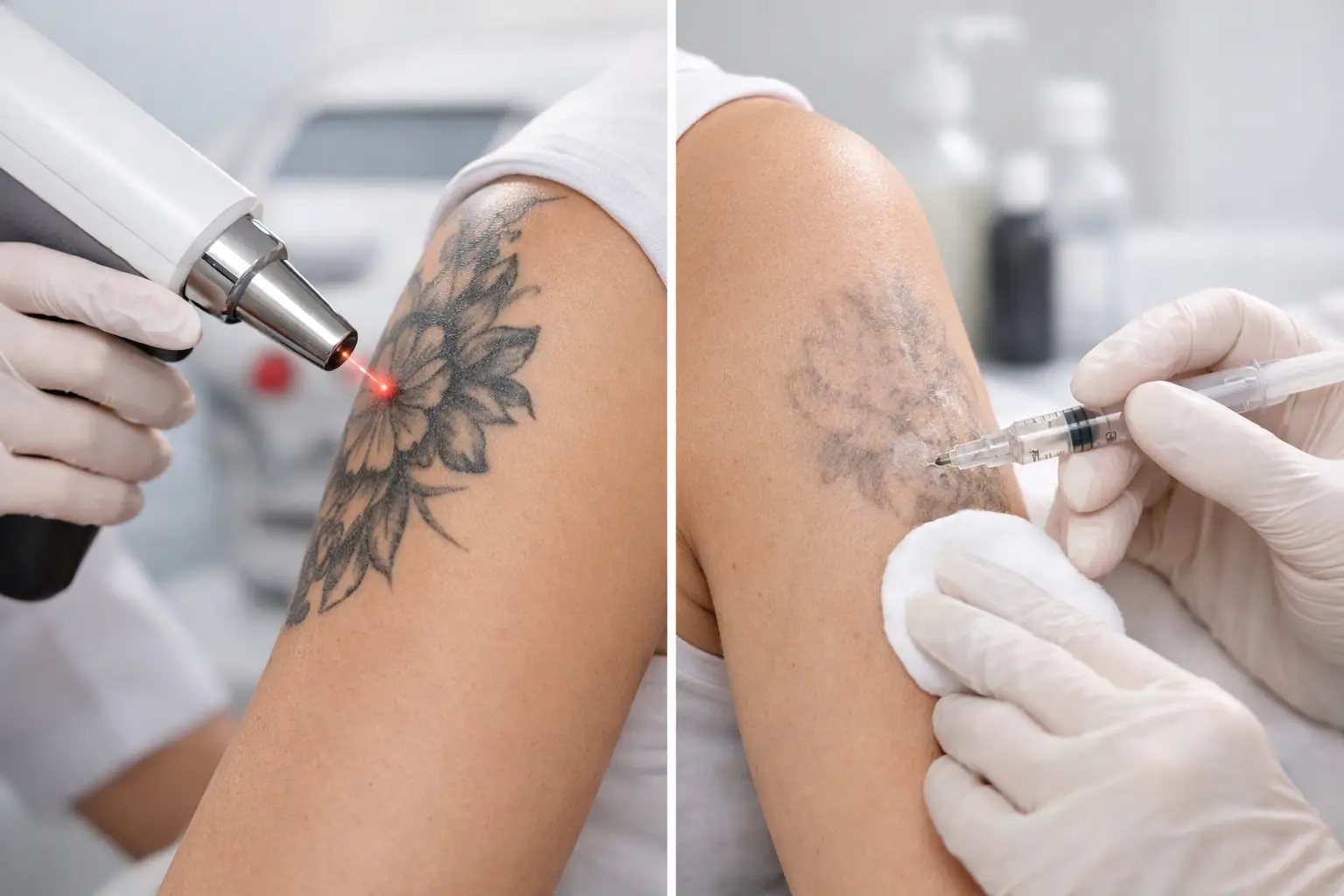
Laser tattoo removal uses light energy to target pigment in the skin. The ink particles absorb that energy, break into smaller fragments, and are then gradually cleared by the body over time. It is a treatment method used for many unwanted tattoos, including body tattoos and some cosmetic tattooing, depending on the pigment used.
Saline fading is a different process. Instead of using light energy, a saline-based solution is implanted into the skin through a tattooing-style technique. As the area heals, some pigment is lifted closer to the surface and may fade as scabbing naturally sheds. It is generally discussed more often in relation to cosmetic tattoos such as brows, lip blush, or small areas of pigment correction.
So when people compare laser removal vs saline fading, they are not really choosing between two identical options. They are comparing two very different treatment approaches, each with strengths, limits, and risks.
Which treatment is usually more effective?
For many unwanted tattoos, laser is often the more effective option. It is designed specifically to target pigment under the skin, and modern laser technology can achieve significant fading over a series of sessions. This is especially relevant when the goal is substantial removal rather than a slight softening of colour.
Saline fading can be useful in selected cases, particularly when a cosmetic tattoo has been placed too deeply, has migrated slightly, or needs some softening before correction. That said, its results can be less predictable. Some clients see improvement, while others experience only modest fading after multiple treatments.
Effectiveness also depends on what kind of pigment is present. Cosmetic tattoo inks can be more complex than standard body tattoo inks, and certain colours may respond unpredictably. In those cases, a proper consultation becomes essential rather than optional.
Why tattoo type matters
A body tattoo on the arm and an old eyebrow tattoo should not be treated as the same problem. The location, the ink, the depth, and the cosmetic expectations are all different.
With body tattoos, laser removal is generally the standard approach because it can target a broad range of tattoo pigments over time. Clearance is rarely instant, and multiple sessions are normal, but it is a treatment pathway built around progressive results.
With cosmetic tattoos, the decision can be more nuanced. Some pigments respond well to laser. Others may shift in colour before they fade, especially if they contain titanium dioxide or certain iron oxides. This is one of the reasons professional assessment matters so much with eyebrow tattoo removal. What sounds like a simple fading treatment can become more complicated if the pigment reacts unexpectedly.
Saline fading is sometimes chosen for cosmetic tattoo correction because practitioners may want to avoid potential colour changes from laser in specific pigments. Even then, that does not automatically make saline the better option. It simply means the safest and most effective choice depends on the pigment ingredients, the treatment history, and the result you are aiming for.
Comfort, healing, and downtime
Clients often ask which treatment feels easier to go through. The honest answer is that both involve some discomfort, but the experience is different.
Laser treatments are usually very quick, especially on small areas. Many people describe the sensation as a hot snapping feeling. There may be redness, swelling, frosting, or tenderness after treatment, but downtime is often manageable, depending on the area.
Saline fading tends to involve more surface disruption because the skin is being opened in a tattooing-style process. The area then needs to heal through a scabbing phase. That healing period can feel more obvious day to day, especially on visible facial areas such as the brows.
For some clients, the deciding factor is not the treatment sensation itself but the aftercare. If you need to return to work, attend events, or simply want less visible healing, that may shape your decision as much as the expected result.
Safety is not just about the treatment itself
In the laser removal vs saline fading discussion, safety is often oversimplified. People tend to ask which method is safer in general, but the better question is which is safer for your specific skin and pigment.
Laser treatments should always be performed with appropriate training, quality equipment, and a clear understanding of skin response. Different skin types can react differently, and settings must be chosen carefully. A proper clinic will assess your skin, your tattoo history, and any risk factors before recommending treatment.
Saline fading also requires skill, particularly because it creates a controlled wound in the skin. Poor technique can increase the risk of scarring, uneven healing, or patchy results. This is especially important on the face, where even minor textural changes can be distressing.
Safety also includes knowing when not to treat. If the skin barrier is compromised, the area is inflamed, or the treatment plan is unlikely to achieve a good result, a responsible practitioner should say so.
What about scarring and pigment changes?
This is one of the most common concerns, and rightly so. Any treatment that aims to remove or fade pigment carries some degree of risk if not performed correctly.
Laser can sometimes lead to temporary lightening or darkening in the treated skin, particularly in more reactive skin types or after sun exposure. This is why aftercare and timing matter. Protecting the area and following clinical advice can make a real difference to healing.
Saline fading can also carry risks, especially because it relies on wound healing to lift pigment. If the skin is overworked, if aftercare is poor, or if the area is repeatedly treated without enough recovery time, texture changes can occur.
Neither option should be sold as risk-free. A caring clinic will explain possible side effects clearly and help you weigh those risks against the result you want.
How many sessions will you need?
This is where expectations need to stay realistic. Very few tattoos, cosmetic or otherwise, are removed in one session.
Laser removal usually requires a series of treatments spaced over time. The exact number depends on ink density, colour, age of the tattoo, depth, and how your body clears pigment. Some tattoos fade quickly, while others take patience.
Saline fading may also require multiple sessions, and the progress can be slower than people expect. Because each treatment depends on healing and natural shedding, results are not always consistent from one session to the next.
If someone promises a fast, guaranteed result with either method, that should raise questions.
Laser removal vs saline fading for brows
Brows are often where this comparison becomes most relevant. Cosmetic brow tattoos sit in a highly visible area, and clients usually want not only fading but a clean, natural-looking outcome.
Laser may be the stronger choice when the pigment is suitable and the goal is significant removal. It can be efficient and precise, but only if the practitioner understands cosmetic tattoo pigments and how they may react.
Saline fading may be considered when a brow tattoo needs partial softening, when previous work has left uneven saturation, or when the pigment type makes laser a less suitable first option. Even then, results are case by case.
For many clients, the best next step is not choosing a treatment from online advice. It is having the pigment assessed properly, with a treatment plan based on what is actually in the skin.
So which option is right for you?
If your priority is effective removal of an unwanted tattoo, laser is often the leading option. If your concern is a cosmetic tattoo that needs selective softening or has unique pigment considerations, saline fading may sometimes have a role.
The deciding factors are usually the ones you cannot judge from a mirror alone: ink composition, depth, skin type, treatment history, and risk of colour change. That is why personalised guidance matters far more than trend-based advice.
At Coastal Skin Clinic, this is exactly how treatment decisions should be made – carefully, professionally, and around the individual rather than a one-size-fits-all method.
The most helpful place to start is not with the cheapest option or the fastest promise. It is with an honest assessment of what is in your skin now, what result you want next, and which treatment gives you the safest path there.