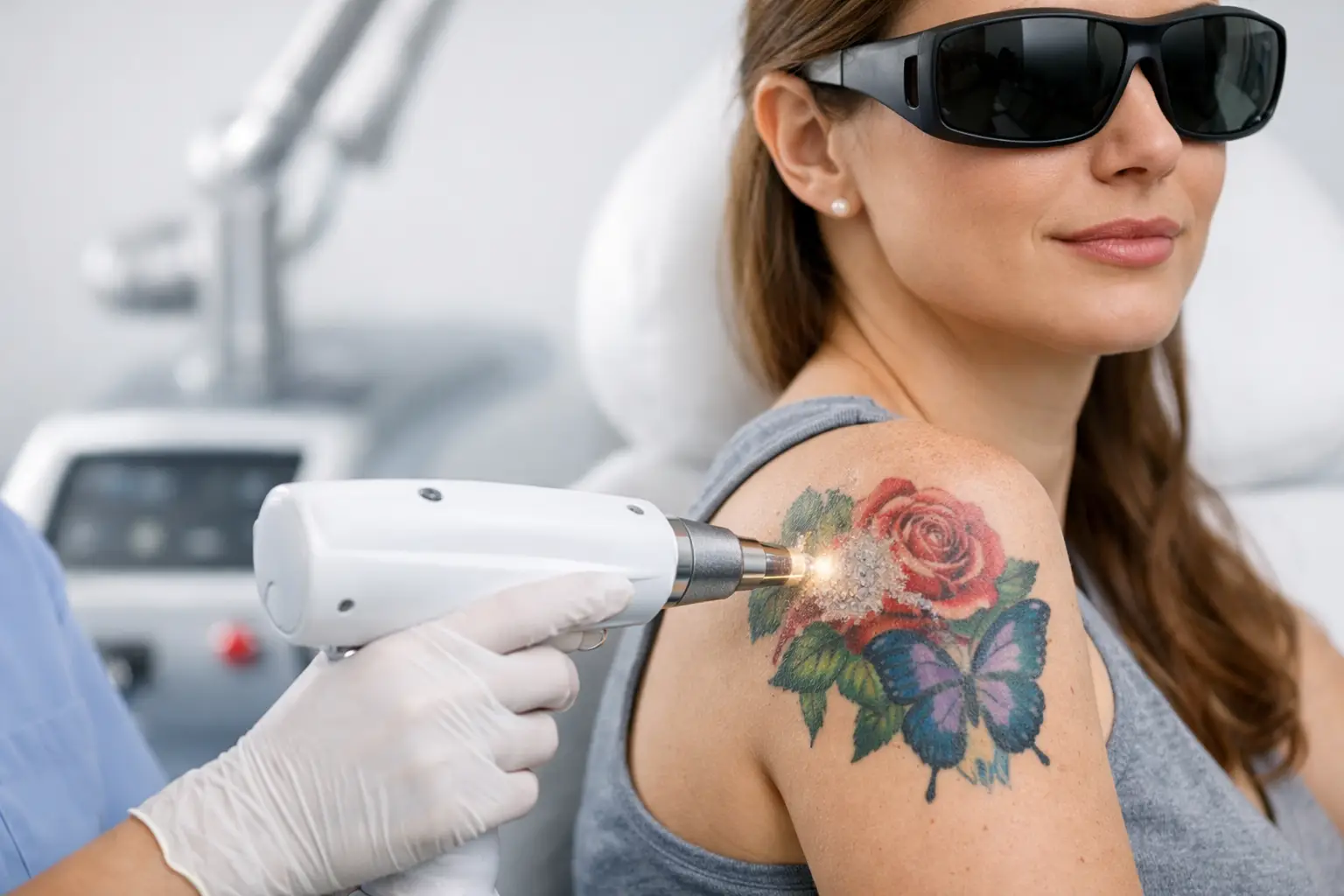
Bright inks often look great when a tattoo is fresh. Years later, they can be the hardest part to remove. Tattoo removal for coloured ink is usually more complex than removing black ink, not because it cannot be treated, but because different colours respond differently to laser energy.
If you are thinking about removal, the most helpful place to start is with realistic expectations. Some coloured tattoos fade very well. Others take more sessions, more planning and a more tailored approach. The goal is not to promise a one-size-fits-all result. It is to assess your tattoo properly, explain what is likely, and treat it safely.
Why tattoo removal for coloured ink is more complicated
Black ink is generally the most responsive to laser treatment because it absorbs a broad range of light wavelengths. Coloured pigments are different. Each colour reflects and absorbs light in its own way, which means the laser settings used for one tattoo may not be right for another.
This is why two tattoos of similar size can behave very differently in treatment. A small tattoo with bright greens, blues and yellows may be more stubborn than a larger black design. It is not just about the tattoo itself either. Your skin tone, the depth of the ink, the age of the tattoo and whether it was done professionally or amateurly all play a part.
For clients, this matters because removal is rarely just about booking a session and waiting for the ink to disappear. Good treatment starts with choosing the right wavelength, the right spacing between sessions and the right clinical approach for your skin.
Which colours are easiest and hardest to remove?
There is no perfect rule, but some patterns are common. Black and dark blue often respond well. Red can also respond well with the right technology. Lighter colours such as green, teal, yellow and some pastel shades are often more challenging.
White ink can be particularly unpredictable. In some cases, it may oxidise after laser exposure, meaning it darkens rather than fades at first. Flesh-toned pigments can behave similarly because they may contain titanium dioxide or iron oxide. This is one reason a proper consultation matters. It helps identify where extra caution is needed before treatment begins.
Mixed-colour tattoos also need a more considered plan. A single design may contain pigments that respond at different rates, so it is normal for one part of the tattoo to fade faster than another. That does not always mean the treatment is not working. It may simply mean the colours are responding on their own timeline.
How laser technology treats coloured ink
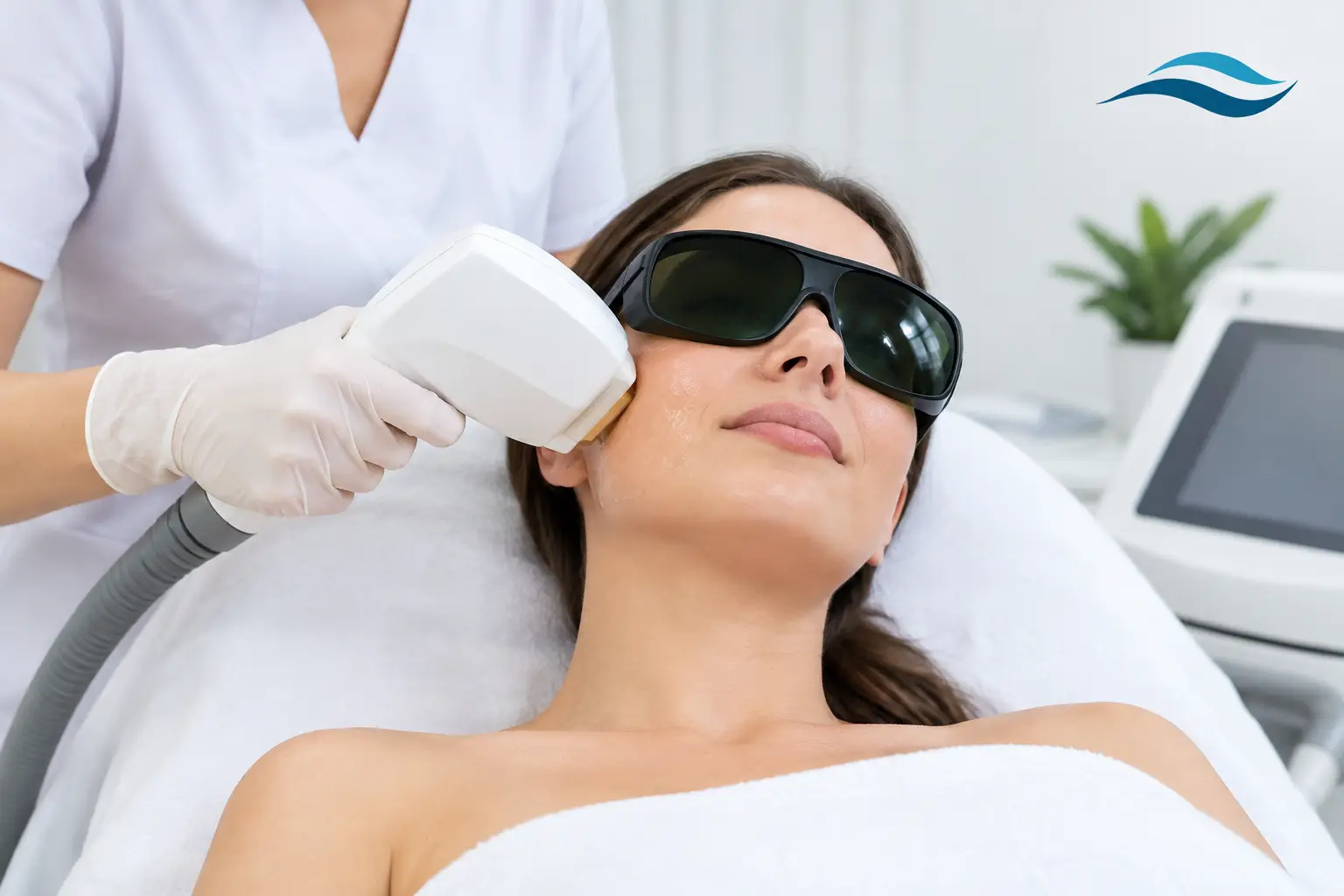
Laser tattoo removal works by delivering short bursts of energy into the pigment, breaking it into smaller particles that the body gradually clears away. The challenge with coloured ink is that not all pigments absorb the same wavelength.
That is why modern clinics use advanced laser systems designed to target a wider range of colours. The right technology gives practitioners more flexibility, but the machine alone is not the whole story. Safe, effective treatment also depends on the person using it – their training, judgement and ability to adjust settings to suit the tattoo and the skin in front of them.
When clients ask whether coloured tattoos can be removed, the honest answer is often yes, but it depends on the colours involved and how the tattoo was done. Some can be cleared significantly. Others may be reduced enough to make a cover-up easier or to leave the skin looking much less busy. Both outcomes can be worthwhile, but they are not the same thing.
What affects your results?
A consultation should look beyond the ink colour alone. Age of tattoo matters because older tattoos have often already faded slightly over time, which can make them easier to treat. Professional tattoos tend to sit deeper and contain denser pigment than amateur tattoos, so they may require more sessions.
Your immune system also contributes more than many people realise. The laser breaks the pigment apart, but your body does the clearing. This is one reason sessions are spaced out. The fading continues between treatments, not just on the day.
Skin tone matters too. With laser treatment, safety is always the priority. Darker skin tones may require a more conservative approach to reduce the risk of pigment change in the surrounding skin. That does not rule out treatment, but it may influence settings, session timing and the overall plan.
Scarring, layering and cover-up work can make coloured tattoo removal more involved. If one tattoo has been placed over another, there may be several pigment types at different depths. That can slow the process and make the fading look uneven for a period of time.
Tattoo removal for coloured ink and realistic timelines
One of the biggest misconceptions about removal is that it should happen quickly. Coloured tattoos usually need patience. Even when a tattoo is responding well, visible clearing takes time because the body removes fragmented pigment gradually.
Most clients need a course of treatments rather than a quick fix. The exact number varies, and reputable clinics should be cautious about making absolute promises too early. A tattoo may lighten quickly in the first few sessions and then slow down. In other cases, the early progress looks subtle and then becomes more noticeable later.
This can feel frustrating if you are eager to move on from a tattoo, especially if it carries emotional weight. That is why supportive guidance matters. Knowing what is normal, what is worth monitoring and when a treatment plan needs adjusting can make the process feel much more manageable.
What treatment feels like and what to expect after
Clients often ask whether coloured ink removal hurts more than black ink removal. The sensation is usually described in similar ways regardless of colour – quick snaps against the skin, heat and a stinging feeling during treatment. Tolerance varies from person to person, and some body areas are more sensitive than others.
After treatment, it is normal to have redness, swelling and a sunburn-like feeling. Some whitening or frosting may appear straight away. Depending on the tattoo and settings used, there may also be pinpoint bleeding, blistering or scabbing. These responses can be part of the normal healing process, but aftercare is important.
Keeping the area clean, protected and out of the sun supports healing and helps reduce the risk of complications. Picking at scabs or blisters can interfere with recovery and increase the chance of scarring. This is another reason professional treatment matters – not just during the appointment, but in the advice and follow-up care that comes with it.
Why consultation matters more with coloured tattoos
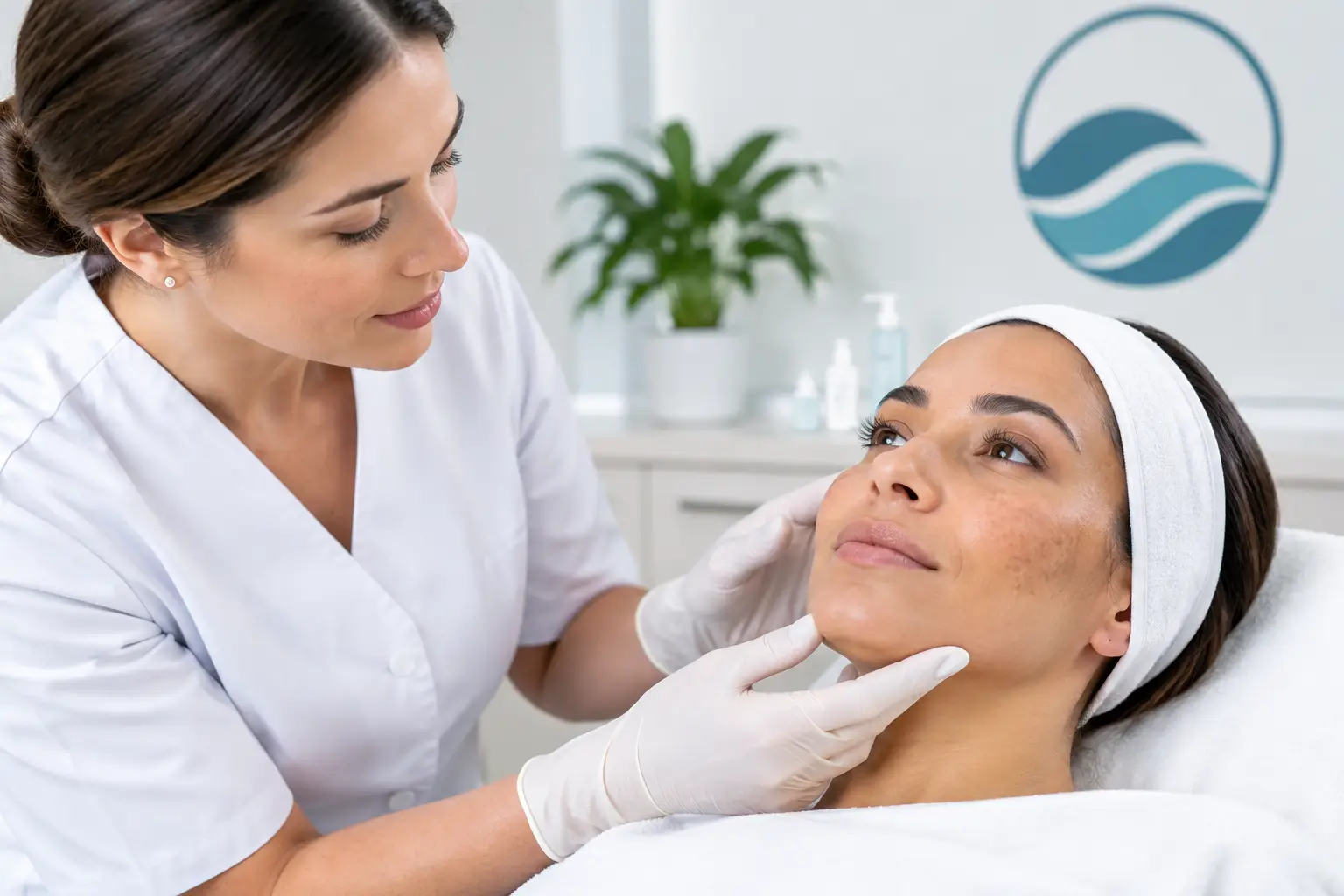
With coloured tattoos, a proper assessment is not a formality. It is where safer, smarter treatment starts. A practitioner should look at the colours, the location, your skin, your medical history and what outcome you actually want.
Some clients want complete removal. Others want enough fading to prepare for a cover-up. Those goals can lead to very different treatment recommendations. If your end goal is a cover-up, for example, full clearance may not be necessary. Strategic fading may get you there sooner.
At a professional clinic, the consultation should also include a straightforward discussion about limitations. That is not a negative. It is part of responsible care. If a tattoo contains stubborn pigments or carries a higher risk of oxidation, you deserve to know that before treatment starts.
For clients across the Sunshine Coast, choosing a licensed clinic with experience in laser tattoo removal can make a real difference to both safety and confidence. You want a team that explains the process clearly, tailors the plan to your tattoo and supports you from first appointment through to healing.
Choosing care over guesswork
Coloured tattoo removal is rarely as simple as removing black linework, but it is also not something to rule out too quickly. With the right technology, skilled treatment and realistic planning, many coloured tattoos can be faded very effectively.
The best next step is not guessing based on someone else’s tattoo or a photo online. It is having your own tattoo assessed properly, with honest advice about what is possible for your skin, your ink and your goals. A thoughtful plan usually gets better results than rushing into treatment, and it gives you something just as valuable – peace of mind.