If you have noticed flat brown patches becoming more obvious after years of sun exposure, you are not imagining it. A very common question we hear is, can laser improve sun spots? In many cases, yes – laser treatments can noticeably reduce sun spots and create a clearer, more even-looking complexion. The key is choosing the right treatment for the type of pigmentation you have, your skin tone, and how your skin responds.
Sun spots can be frustrating because they often sit in the background for years, then suddenly seem harder to cover with makeup or ignore in the mirror. They commonly appear on the face, chest, shoulders and hands, especially in areas that have had repeated UV exposure. While skincare can help support the skin, established pigmentation usually needs a more targeted treatment approach.
Can laser improve sun spots on all skin types?
Laser can improve sun spots, but not every laser suits every skin type. This is where a proper consultation matters. What looks like a sun spot may actually be a different type of pigmentation, and treating the wrong concern with the wrong device can lead to poor results or unnecessary irritation.
In general, lighter skin tones often have more laser options because there is lower risk of the device also targeting surrounding pigment in the skin. Medium and deeper skin tones can still be treated, but extra care is needed when selecting settings and treatment methods. A cautious, personalised plan is always safer than a one-size-fits-all approach.
This is also why realistic expectations are important. Some clients see a strong improvement after one session, while others need a series of treatments spaced over time. The goal is healthy-looking, more even skin, not rushing the skin into a result it is not ready for.
What are sun spots, exactly?
Sun spots are areas of excess pigment caused by accumulated UV exposure. You may also hear them called age spots or solar lentigines. They are usually flat, tan to dark brown, and tend to show up more as we get older simply because the skin has had more time in the sun.
They are different from melasma, which is often linked to hormones and heat as well as sun exposure. This distinction matters because melasma can become worse if treated too aggressively. Freckles are different again, and post-inflammatory pigmentation from acne or skin trauma also needs its own treatment strategy.
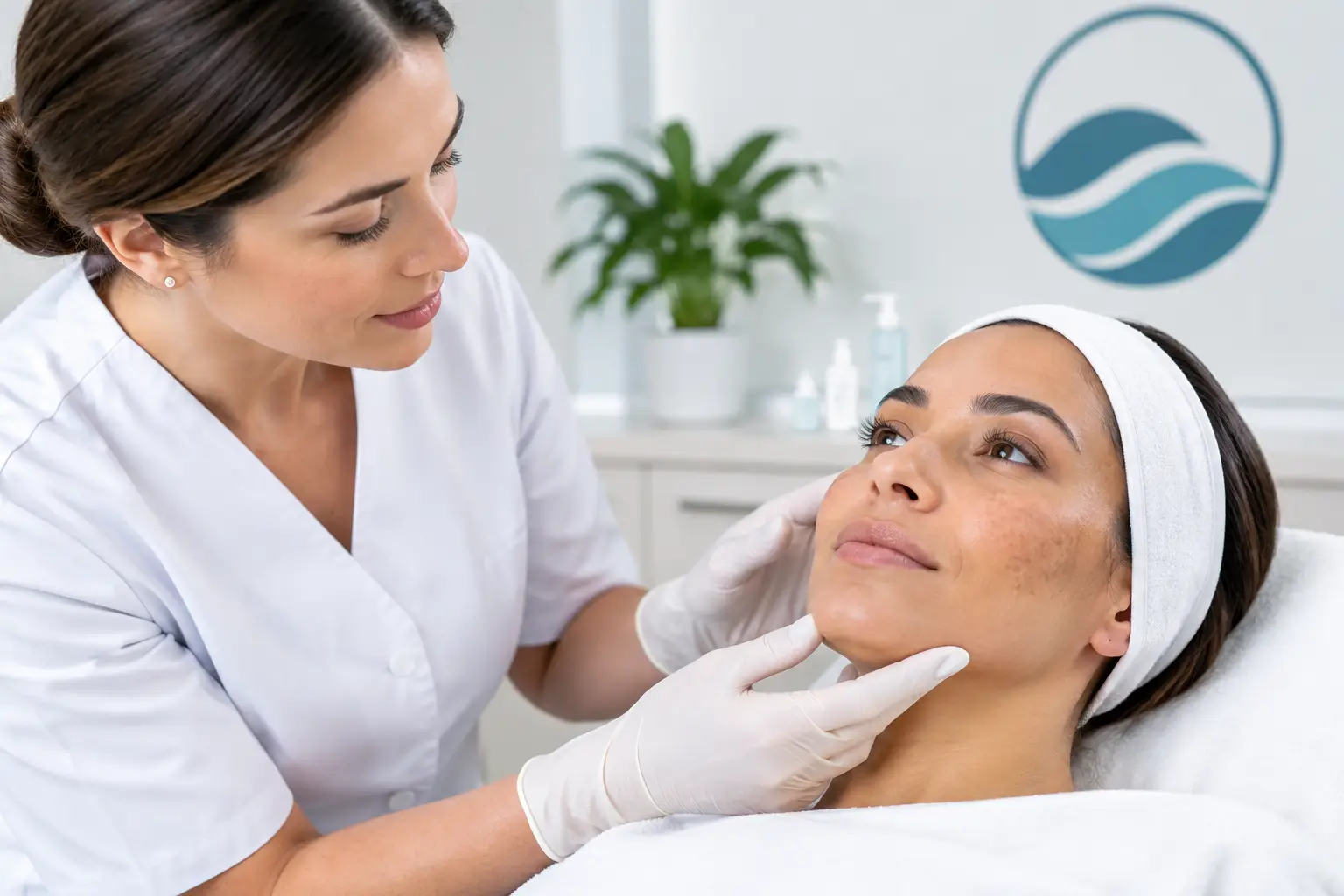
A trained practitioner will look at the colour, depth, pattern and location of the pigmentation before recommending treatment. That step may sound simple, but it has a big impact on both safety and outcome.
How laser treatments target pigmentation
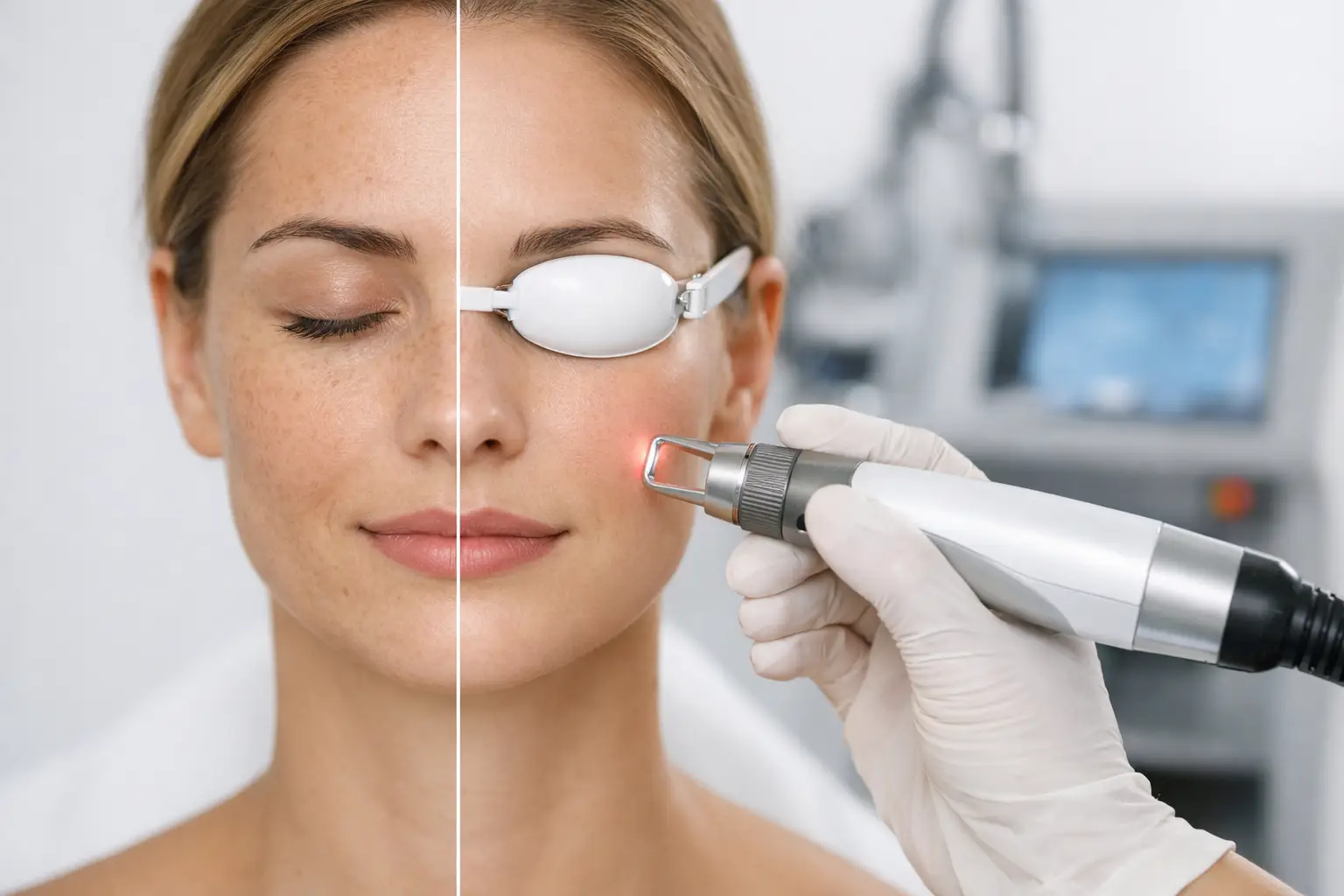
Laser and light-based treatments work by targeting pigment in the skin. The energy is absorbed by the darker areas, which helps break down the excess melanin. Over the days and weeks after treatment, the skin gradually clears that pigment away.
Depending on the device used, the treated spots may darken temporarily before they flake or fade. This can worry people if they are not expecting it, but it is often part of the normal process. Not every spot lifts at the same rate, and some may respond more quickly than others.
The best treatment choice depends on the depth of the pigmentation, your skin type and the overall condition of your skin. In some cases, a laser approach is ideal. In others, IPL or a combination plan with peels and medical-grade skincare may be more appropriate.
Laser versus IPL for sun spots
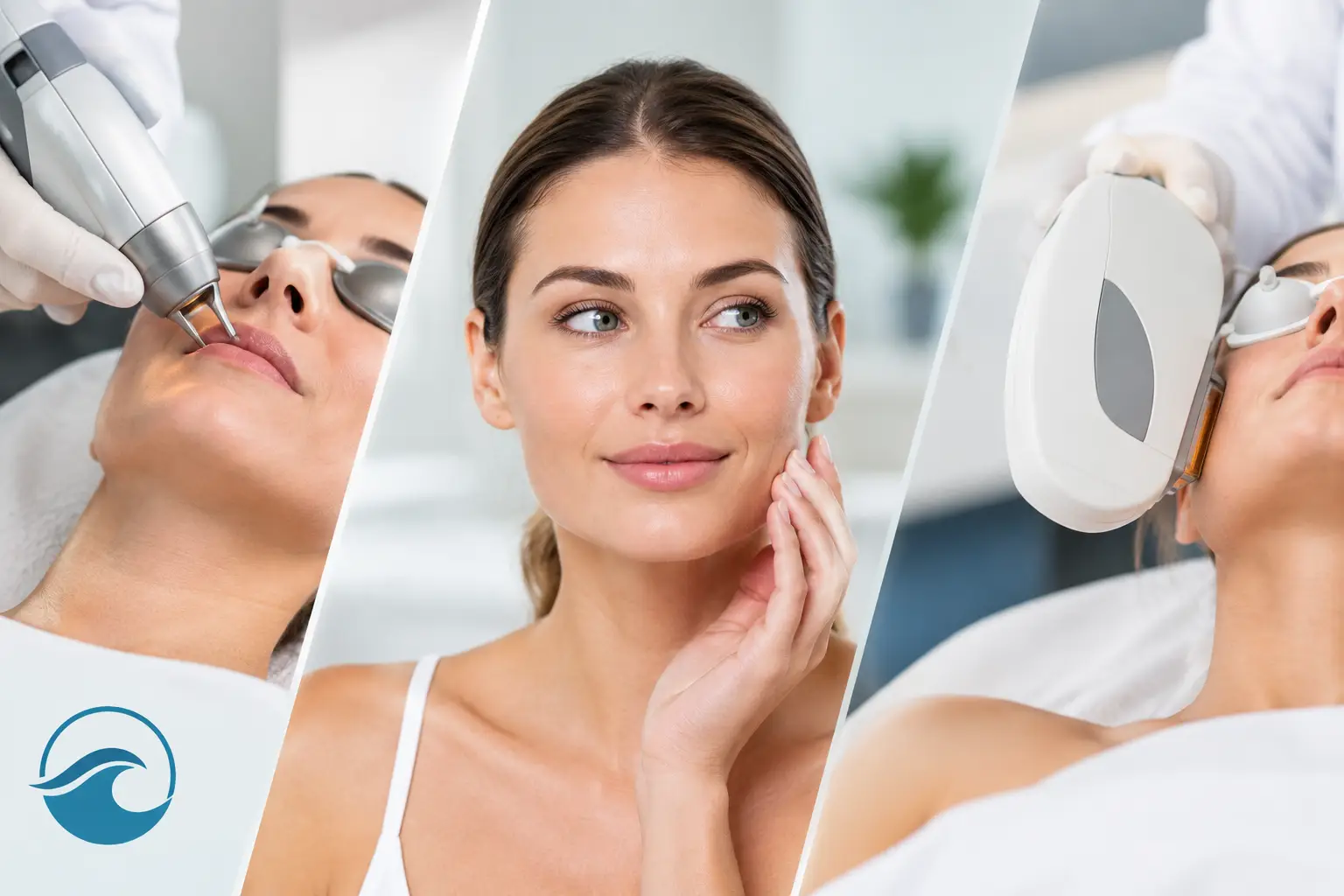
People often group laser and IPL together, but they are not identical. IPL uses broad-spectrum light rather than a single laser wavelength. It can be very effective for superficial pigmentation and general sun damage, especially when there is also redness or uneven skin tone.
Laser treatments can be more targeted and may be preferred when the pigmentation is more defined or when a different level of precision is needed. Neither option is automatically better. The right choice comes down to your skin assessment and treatment goals.
What kind of results can you expect?
Most people want a simple answer here, but results are rarely identical from one client to the next. Some sun spots respond very well and fade significantly. Others lighten but do not disappear completely. If the skin has extensive sun damage, treatment may improve the overall clarity of the skin rather than erase every mark.
Your aftercare and future sun habits also make a real difference. If you continue to get frequent UV exposure, new pigmentation can develop even after successful treatment. That does not mean the treatment failed. It means pigment-prone skin still needs ongoing protection.
A good outcome is not only about removing visible spots. It is also about improving the skin in a way that looks natural and healthy. That often involves a broader plan that supports pigment control over time.
How many sessions are usually needed?
This depends on the severity of the pigmentation, the treatment type and how your skin responds. Mild, superficial sun spots may improve quickly, while more stubborn or widespread pigmentation often needs a series. It is common to treat in stages rather than trying to do too much at once.
Spacing treatments properly gives the skin time to recover and lets your practitioner assess progress clearly. Slow and steady usually produces better long-term results than pushing the skin too hard.
Who is a good candidate?
If your pigmentation is caused mainly by sun exposure and your skin is otherwise suitable, you may be a good candidate for laser treatment. People who are committed to sun protection and willing to follow aftercare instructions generally do best.
You may need a modified plan if you have very reactive skin, a deeper skin tone, active melasma, recent tanning, certain medications or a history of post-inflammatory pigmentation. These factors do not always rule treatment out, but they do change how cautiously it should be approached.
This is one reason many clients prefer a clinic setting where assessment comes before treatment. A personalised recommendation is far more valuable than guessing based on online photos.
What does treatment feel like?
Most clients describe laser or IPL treatment for pigmentation as quick and manageable. It is often compared to a warm snapping feeling on the skin. Sensation varies depending on the device, the area being treated and individual tolerance.
After treatment, the skin may feel warm and look mildly red. Pigmented spots can temporarily darken, giving a speckled appearance before they shed or fade. There may be a few days where the skin looks more noticeable before it looks better, so timing matters if you have an event coming up.
Your practitioner should explain what is normal, what products to avoid, and how to care for the skin while it heals. That guidance helps reduce anxiety and supports a smoother result.
Why aftercare matters as much as the treatment
Sun protection is not the boring part of treatment – it is a central part of success. Freshly treated skin is more vulnerable to UV, and unprotected exposure can trigger new pigmentation or interfere with healing. Daily broad-spectrum sunscreen, hats and simple sun-smart habits matter more than many people realise.
Skincare also plays a supporting role. Depending on your skin, pigment-regulating products or gentle resurfacing products may help maintain results. Not everyone needs the same routine, which is why tailored advice tends to work better than copying what someone else uses.
When laser may not be the first choice
There are times when laser is not the best starting point. If the pigmentation is actually melasma, if the skin barrier is compromised, or if there has been recent sun exposure, a more conservative plan may be safer. Sometimes preparing the skin first leads to a better result later.
This can feel disappointing if you are hoping for a quick fix, but it is often the more responsible recommendation. Good treatment is not about doing the most aggressive procedure. It is about choosing what gives your skin the best chance of improving safely.
For clients across the Sunshine Coast who want clearer guidance, that is often the real value of a professional consultation. You get an honest answer about whether laser is likely to help, what kind of improvement is realistic, and whether another option may suit you better.
If you are asking can laser improve sun spots, the answer is often yes – but the better question is whether laser is right for your skin, your pigmentation and your goals. The safest path is a personalised assessment, because good skin results usually start with getting the diagnosis right.