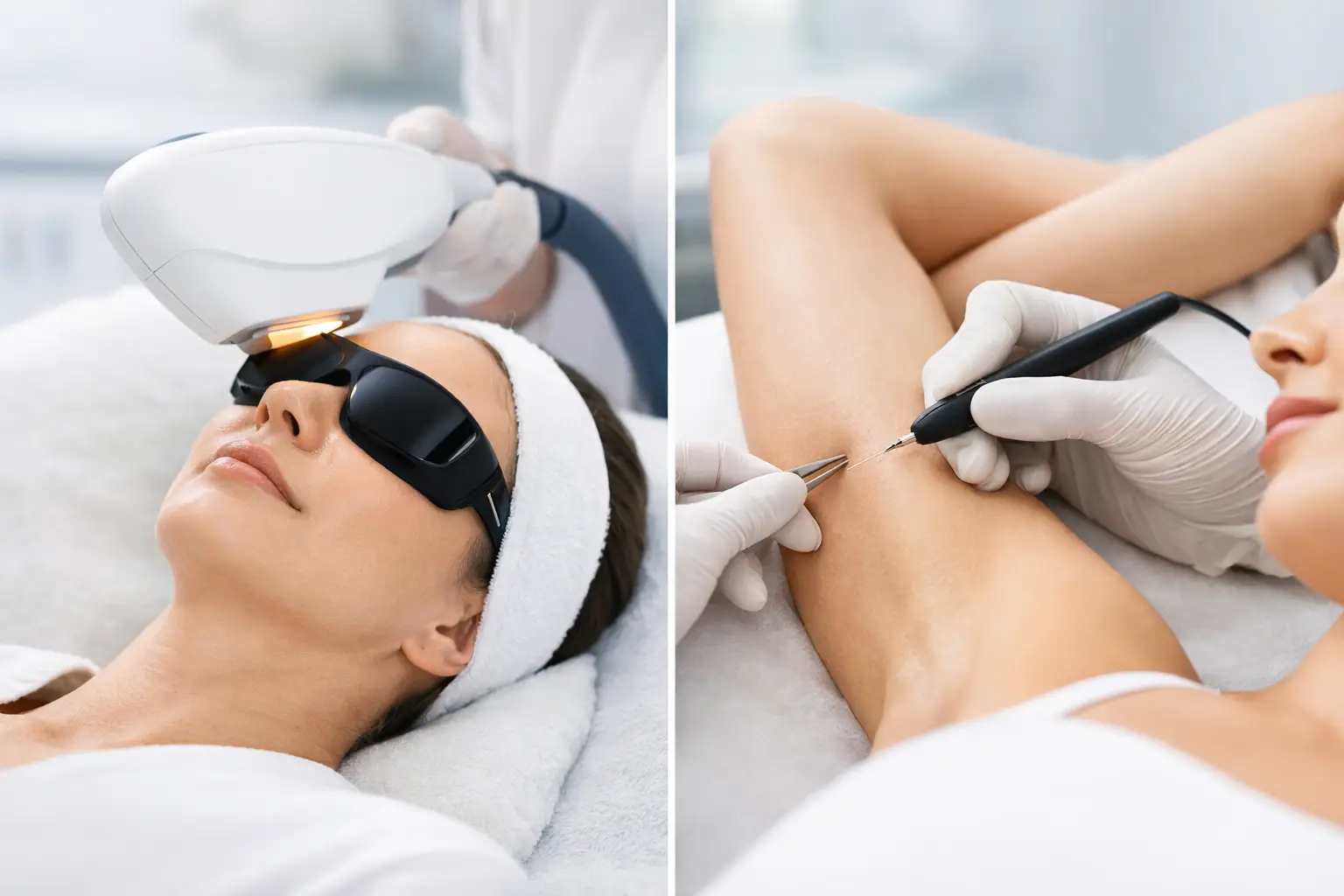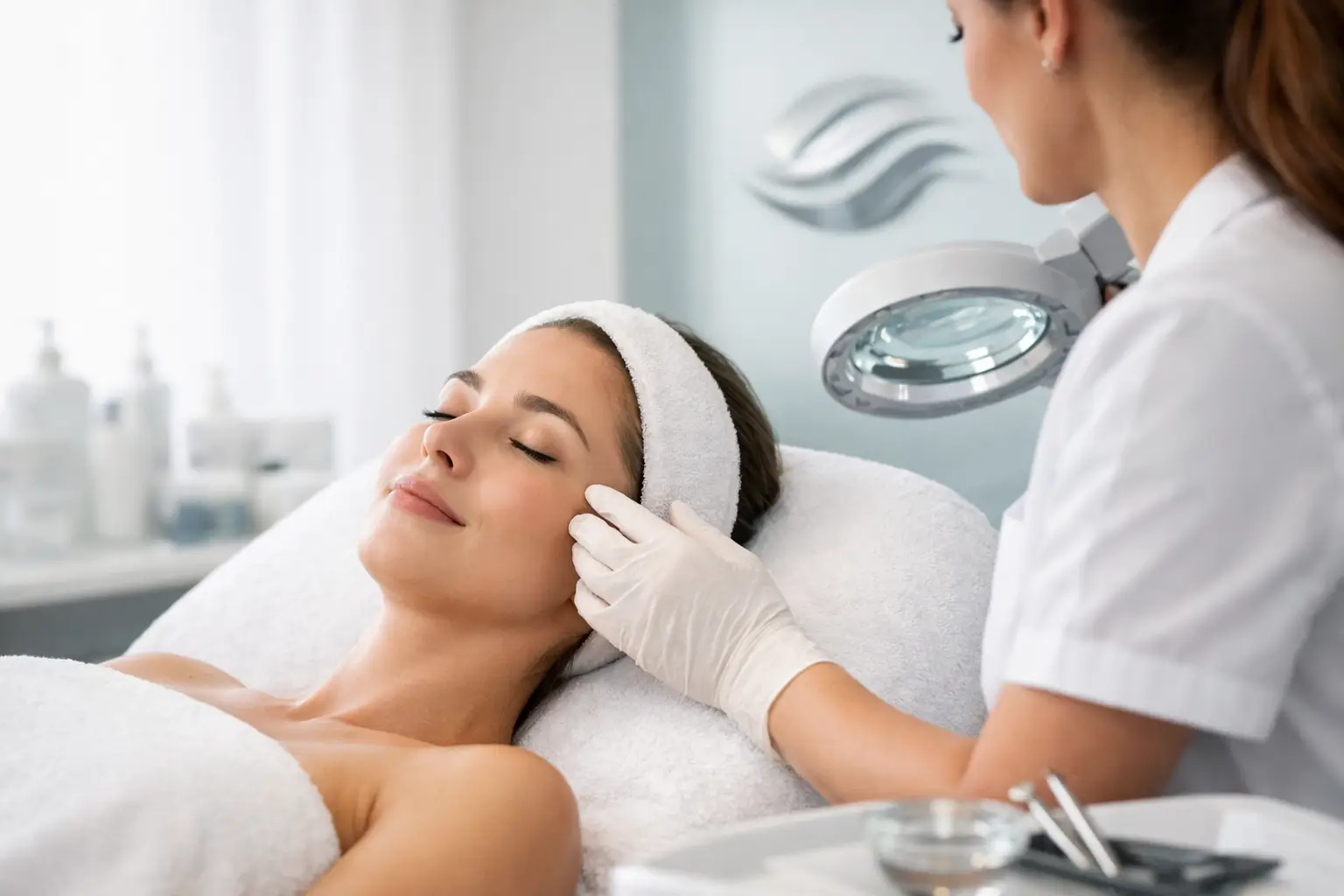
A laser treatment can look simple from the treatment bed. A handpiece, a few flashes, a short appointment. What clients do not always see is that safe laser clinic standards are built long before the machine is switched on. They show up in the consultation, the patch test, the questions asked, the way your skin is assessed, and the care taken after treatment.
If you are considering tattoo removal, IPL hair reduction, skin rejuvenation or CO2 resurfacing, safety should never be treated as a bonus feature. It is part of the treatment itself. Good results and safe treatment go hand in hand, and one rarely happens without the other.
What safe laser clinic standards actually look like
A professional clinic should be able to explain how it protects your skin, your comfort and your long-term results. That usually starts with proper licensing, trained practitioners and equipment that is suitable for the treatment being performed.
In Queensland, laser use is not something to take lightly. A reputable clinic should operate within the required regulatory framework and be clear about who is performing your treatment and what qualifications or training support that service. That matters because different devices work in different ways, and the wrong settings can lead to burns, pigment changes or poor results.
Safe standards also include clear treatment protocols. This means the clinic is not guessing. It has a process for consultation, skin assessment, test patching where needed, consent, protective eyewear, hygiene and aftercare. These steps may feel routine, but they are often what separates a professional clinical experience from a rushed cosmetic service.
Why the consultation matters more than many people think
A proper consultation is one of the strongest signs that a clinic takes safety seriously. If someone is ready to treat you within minutes of meeting you, that should raise questions.
Laser and light-based treatments are not one-size-fits-all. Your skin type, medical history, recent sun exposure, active skincare, medications and treatment goals all affect what can be done safely. Even details that seem minor, such as fake tan, acne medication or a history of pigmentation, can change the plan.
This is also where honest advice matters. Sometimes the safest answer is to delay treatment, change the approach or recommend a series rather than an aggressive first session. A caring clinic will not push ahead just because a booking is available. It will explain what is appropriate for your skin now, and why.
Patch testing and skin assessment
For many laser and IPL treatments, patch testing is a sensible part of safe laser clinic standards. It gives the practitioner useful information about how your skin responds before a full treatment is performed.
Not every treatment requires the same preparation, and this is where nuance matters. A patch test may be essential in one case and less relevant in another, depending on the device, the area and your skin history. What matters is that the clinic has a clear reason for its recommendation rather than skipping steps for convenience.
A thorough skin assessment should also include discussion about melanin levels, skin sensitivity and recent exposure to heat or UV. These factors directly affect treatment settings and recovery.
Practitioner training is not a small detail
Clients often focus on the machine, but the person using it matters just as much. Advanced technology can support excellent outcomes, but only in skilled hands.
A well-trained practitioner understands more than how to operate a device. They understand skin behaviour, wound healing, contraindications, treatment intervals and how to adjust settings conservatively when needed. They also know when not to treat.
That judgement is especially important with services such as laser tattoo removal and skin resurfacing. These treatments can be highly effective, but they require careful planning. An experienced practitioner will explain likely progress, possible side effects and realistic timelines. They will not promise instant clearance or pretend every skin concern responds in the same way.
Hygiene, eye protection and treatment room protocols
Some of the most important safety standards are the least glamorous. Clean treatment rooms, proper disinfection, single-use items where appropriate and correct handling of equipment all matter.
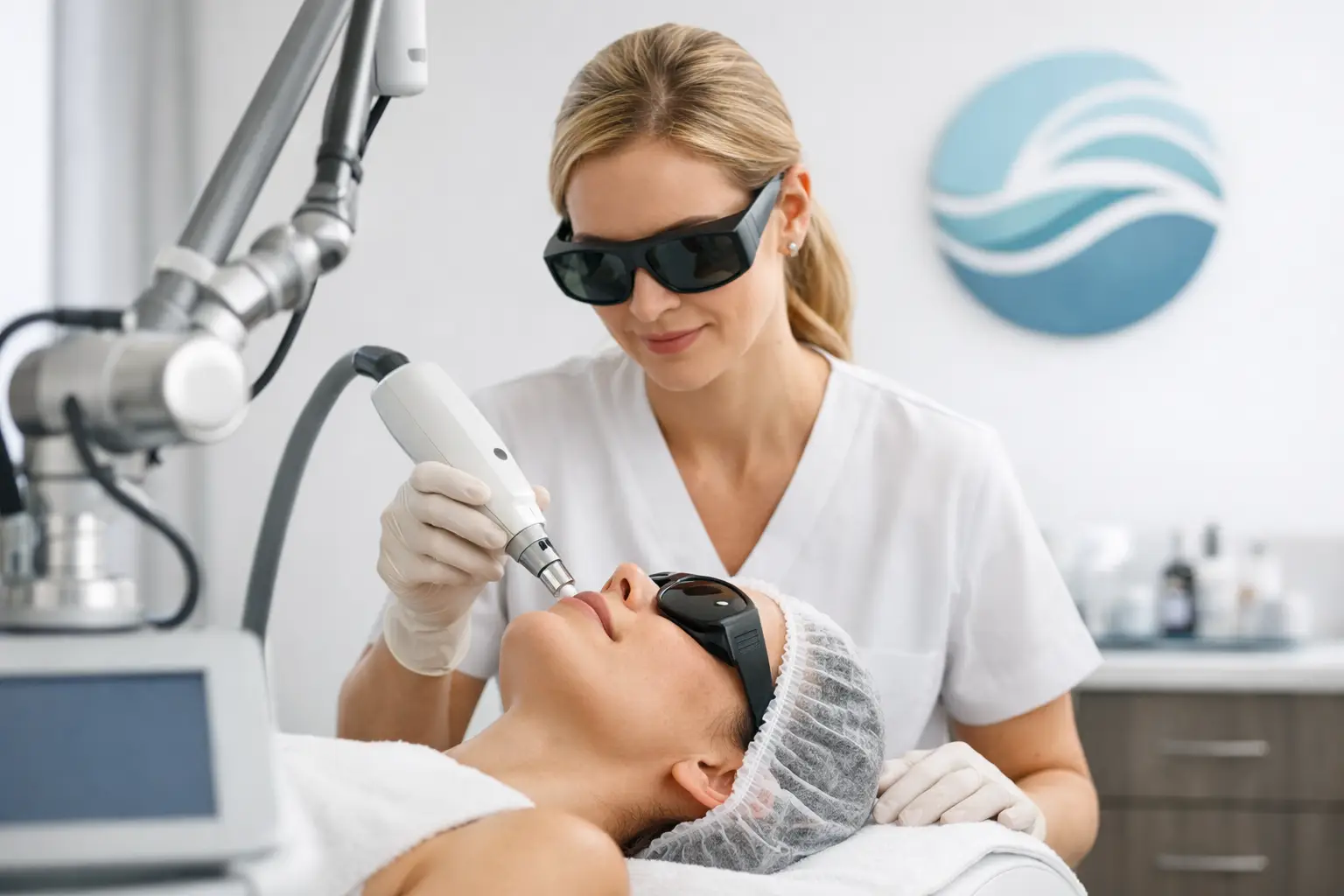
Eye protection is another non-negotiable. Different laser and IPL devices require specific protective eyewear for both the client and the practitioner. This is not optional, and it is not something that should be handled casually.
You should also expect the clinic to prepare the skin properly, document relevant details and monitor your response during treatment. If your skin is reacting more strongly than expected, the session should be adjusted rather than pushed through.
Good clinics explain risks without scaring you
There is a difference between reassuring a client and glossing over risk. A trustworthy clinic will talk about both benefits and possible side effects in a calm, clear way.
Depending on the treatment, common short-term effects can include redness, heat, swelling or temporary sensitivity. More significant risks may include blistering, pigment changes or prolonged irritation, especially if aftercare is not followed or if treatment is unsuitable for your skin at that time.
The right clinic will not use this information to alarm you. It will use it to help you make an informed choice. This usually feels quite different to a sales-driven conversation. You should feel guided, not pressured.
Safe laser clinic standards include realistic treatment planning
Safety is not only about what happens on the day. It is also about how the full treatment journey is planned.
For example, stronger settings are not always better. In some cases, a slower course of treatment protects the skin and delivers a better overall result. That can apply to tattoo removal, pigmentation work, rejuvenation and hair reduction. Chasing fast change too aggressively can increase downtime and raise the chance of complications.
A personalised plan should take into account your event schedule, work, lifestyle and willingness to follow aftercare. Someone spending every weekend outdoors may need a different timeline to someone who can strictly avoid sun exposure. That does not mean one person is a better client than the other. It simply means treatment should fit real life.
Aftercare is part of the safety standard
Once you leave the clinic, the treatment is not really over. Aftercare plays a major role in healing and final outcome.
You should be told exactly how to care for the area, what to avoid and what is normal during recovery. That might include avoiding heat, exercise, active skincare, picking, sun exposure or certain products for a period of time. The instructions should be specific to the treatment you have had, not vague general advice.
Follow-up support matters too. If you have questions after the appointment, a good clinic should be contactable and willing to guide you. That ongoing care is part of what makes the experience feel both professional and personal.
Red flags clients should not ignore
Most clients are not expected to know technical laser settings, but there are still some practical signs worth noticing. Be cautious if a clinic skips consultation questions, avoids discussing risks, offers treatment despite recent sun exposure, or cannot clearly explain why a particular device suits your concern.
Another red flag is being sold a treatment plan without proper assessment. Good clinics recommend treatments for a reason. They do not treat every concern with the same machine, and they do not assume that what worked for one person will be right for the next.
Atmosphere matters as well. Warmth and friendliness should never come at the expense of clinical discipline. The best clinics manage both. They make you feel comfortable while still maintaining high standards.
Choosing a clinic with confidence
If you are comparing providers in areas like Maroochydore or across the Sunshine Coast, it helps to ask a few straightforward questions. Is the clinic properly licensed where required? Who will perform the treatment? How is suitability assessed? What happens if your skin needs a more cautious approach? What support is available after your appointment?
The answers should feel clear and unforced. You should not need to chase basic information or feel awkward for asking. A reputable clinic welcomes informed clients because safe treatment works best when both sides understand the plan.
For many people, especially first-time clients, reassurance comes from knowing they are being looked after rather than processed through a booking system. That is where personalised care really shows its value. Safe treatment is not only about compliance. It is about being seen, listened to and treated according to your skin, your goals and your comfort level.
If you are ever unsure, trust the clinic that takes a little more time, asks a few more questions and gives you a treatment plan that feels considered. In aesthetic care, that extra care is often where the best decisions begin.