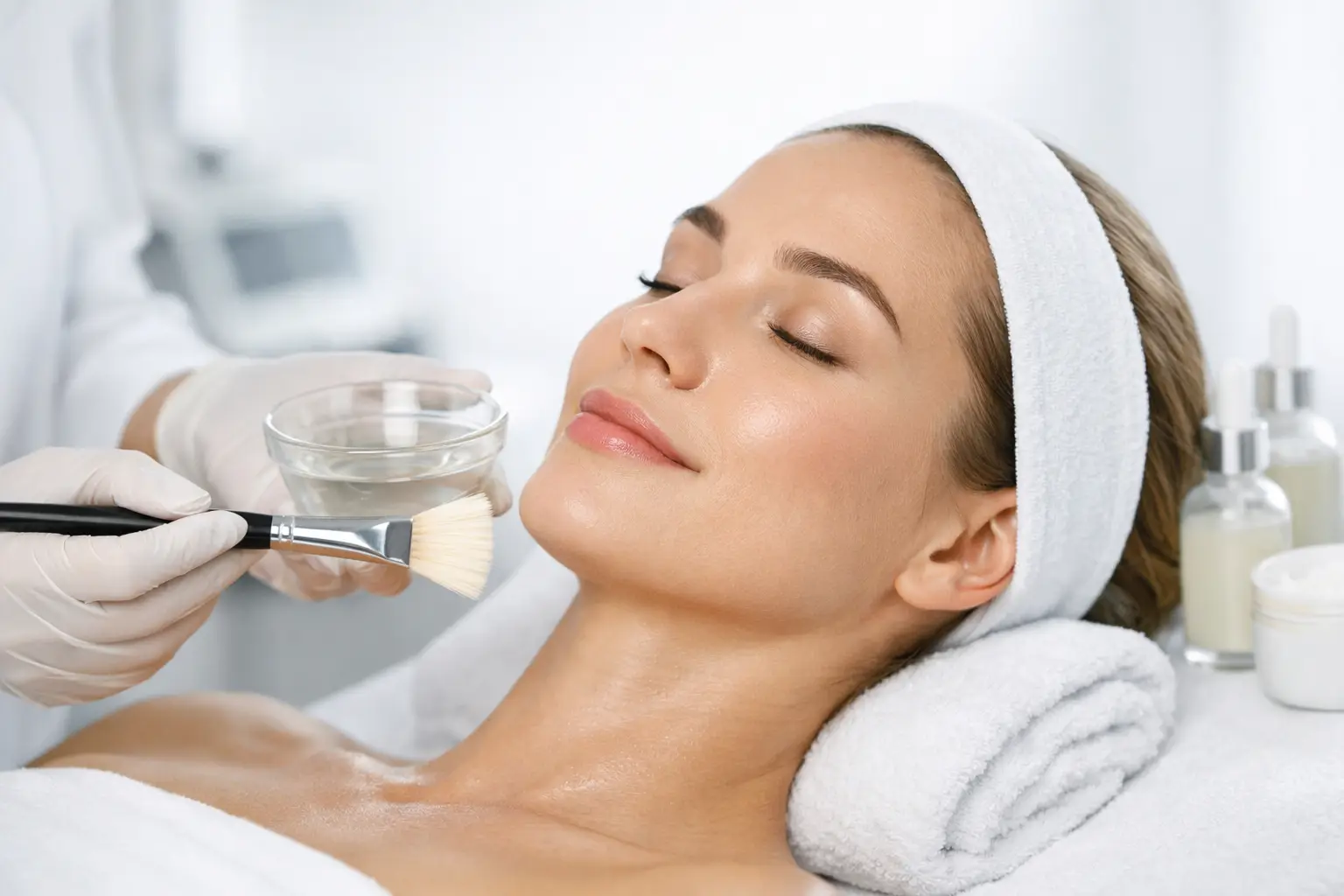
A medical peel is not simply a facial with a stronger tingle. It is a professionally selected skin treatment designed to create controlled renewal, which is why the question of who suits medical facial peels should begin with your skin, your goals and your lifestyle – not what worked for a friend.
For some people, a peel can be an effective way to improve dullness, congestion, uneven tone or early signs of ageing. For others, the right answer may be to prepare the skin first, choose a gentler treatment, or wait until a particular concern has settled. Safe. Effective. Personalised care starts with knowing the difference.
Who suits medical facial peels?
Medical facial peels may suit adults who want a targeted approach to common skin concerns and are prepared to follow professional pre- and post-treatment advice. They can be particularly useful when skin needs more than a relaxing facial but does not necessarily require a more intensive laser treatment.
The best candidates are usually people with realistic expectations. A peel can support healthier-looking, clearer and smoother skin, but it is not a one-size-fits-all solution or an overnight transformation. Results depend on the type of peel, the condition being treated, your home care, sun exposure and whether a course of treatments is recommended.
People concerned about breakouts and congestion
If you experience persistent congestion, blackheads, excess oil or occasional breakouts, a professionally chosen peel may help encourage the shedding of built-up surface cells and support clearer-looking skin. Some peel formulations are selected specifically for oily or acne-prone skin, while others focus more on hydration and barrier support.
Active, inflamed acne requires careful assessment. In some cases, a peel may be suitable as part of a wider skin plan. In others, the skin may need calming care before any exfoliating treatment is considered. Picking at breakouts or using harsh products at home can make irritation and post-inflammatory pigmentation more likely, so professional guidance matters.
People noticing pigmentation or an uneven complexion
Sun exposure, past breakouts, hormonal changes and natural ageing can all leave skin looking uneven. Medical facial peels can be considered for superficial pigmentation, post-acne marks and a generally dull complexion. They are often combined with an appropriate home-care routine and consistent daily sun protection for the best chance of maintaining results.
Pigmentation is not always straightforward. Melasma, for example, can be sensitive to heat, inflammation and UV exposure. An overly aggressive treatment may cause more harm than good. A practitioner should assess the pattern and depth of pigmentation before recommending a peel and may suggest a gradual programme rather than a stronger single treatment.
People seeking smoother texture and fresher-looking skin
Fine lines, rough texture, enlarged-looking pores and a tired appearance are common reasons clients explore medical peels. By supporting skin renewal at the appropriate level, a peel can leave the complexion looking brighter and feeling smoother.
This may appeal to someone preparing for an event, but timing is important. Depending on the peel, there can be temporary redness, dryness, flaking or visible peeling. It is sensible to allow time before a wedding, holiday, professional photos or any occasion where you would prefer not to be managing recovery.
People who want professional maintenance care
Not every peel is corrective or intense. Some people suit light, regular treatments as part of a maintenance plan, particularly when their goal is to maintain a clearer, more polished complexion. These treatments can sit alongside facials, microdermabrasion or other skin rejuvenation services where appropriate.
The right schedule is individual. More frequent does not always mean better. Skin needs enough time to respond and recover, especially if you are using active skincare at home.
When a medical facial peel may need to wait
A consultation is just as valuable for identifying when not to proceed. Peels may need to be postponed or modified if your skin barrier is compromised, you have a current skin infection, a flare of eczema, dermatitis, cold sores in the treatment area, sunburn, open skin or significant irritation.
Recent tanning or planned time in strong sunshine also deserves a conversation. On the Sunshine Coast, regular UV exposure is a genuine consideration, not a minor afterthought. Skin that has been recently exposed to the sun may be more reactive, and protecting treated skin from UV is essential for reducing the risk of unwanted pigmentation.
Certain medications, prescriptions, recent cosmetic procedures and skin conditions can affect suitability as well. Be open about everything you are using, including retinol products, exfoliating acids and supplements. Your practitioner can then make a safer recommendation, whether that means adjusting your preparation, selecting a milder option or delaying treatment.
Pregnancy and breastfeeding can also influence the ingredients and treatments that are appropriate. Rather than guessing, it is best to discuss your circumstances during a consultation and receive advice tailored to you.
Skin tone, sensitivity and the right peel strength
One of the most common misconceptions is that peeling more means getting better results. In reality, visible shedding is not a measure of success. The goal is to choose a peel type and strength that gives your skin a controlled, appropriate response.
All skin tones can experience pigmentation changes following inflammation or irritation. However, people with deeper skin tones or a personal history of pigmentation need especially careful treatment selection and preparation. This does not automatically rule out medical peels. It simply means a thoughtful, tailored approach is essential.
Sensitive skin can also be suitable, but the treatment plan may look different. A practitioner may focus first on hydration, barrier repair and gentle skin conditioning before introducing any active peel. If your skin often stings, flushes easily or reacts to new products, mention it early. That information helps guide a more comfortable and effective plan.
What a professional peel consultation should cover
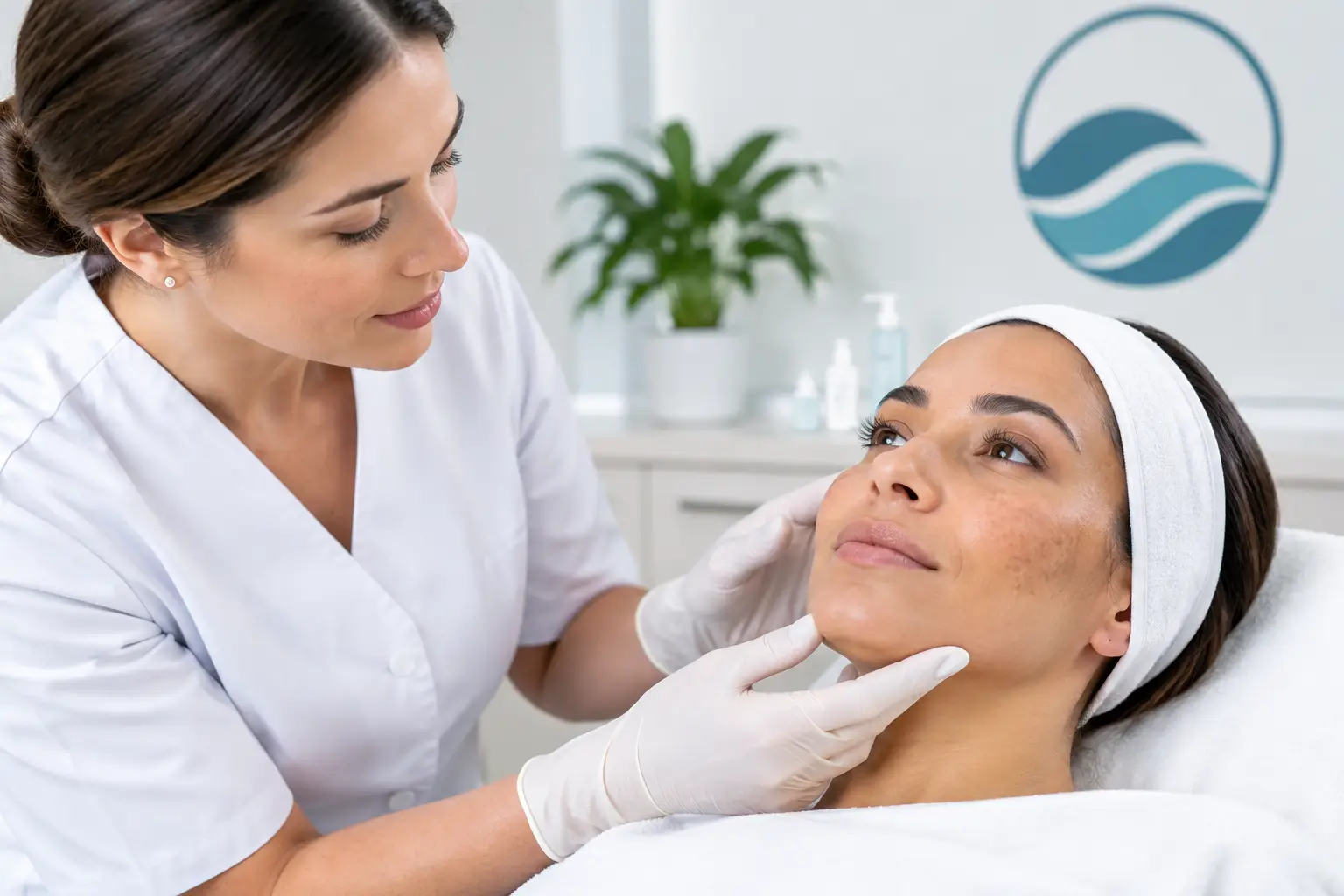
A quality consultation is not a formality. It is how a practitioner works out whether a medical facial peel is right for you and, if so, which approach makes sense.
Your appointment should consider your main concerns, skin history, current skincare, lifestyle, previous treatments and the amount of downtime you can manage. Your practitioner should also look at the skin itself, explain realistic outcomes and talk honestly about possible side effects, including temporary redness, tightness, dryness and peeling.
At Coastal Skin Clinic, treatment recommendations are based on what your skin needs now, not on a standard menu choice. For a first-time client, that can provide welcome reassurance. For someone who has had treatments before, it offers the confidence of a plan that accounts for their current skin condition rather than relying on past routines.
Preparing for treatment and caring for your skin afterwards
Preparation can influence both comfort and outcome. You may be asked to pause certain active skincare products before your appointment, avoid waxing or other exfoliating treatments in the area, and arrive without a tan. Do not make changes to prescribed products without professional advice.
After a peel, keep your routine gentle. Use the products recommended for your skin, avoid scrubs and picking at flaking skin, and take sun protection seriously. Broad-spectrum SPF should be part of everyday care, particularly after a treatment intended to improve pigmentation or texture.
Your skin may feel dry or look temporarily brighter, pinker or more flaky as it settles. This can be normal, but significant discomfort, swelling or an unexpected reaction should be reported promptly to your treating clinic. Clear aftercare advice and access to professional support are part of safe treatment, not an optional extra.
Is a peel the best treatment for your concern?
Medical facial peels can be an excellent option for the right person, but they are one part of a broader skin treatment toolkit. Deep textural concerns, significant scarring, vascular redness or more advanced sun damage may respond better to a different treatment or a combined plan. Sometimes the most effective recommendation is not the treatment you initially expected.
The helpful next step is a professional assessment that gives you a clear answer, a realistic timeline and care that respects your skin. When a peel is chosen for the right reason and delivered with proper guidance, it can be a confident step towards skin that looks fresher, clearer and more like you.