A laser treatment should never feel like a leap of faith. Whether you are looking to fade an unwanted tattoo, improve uneven tone, soften signs of ageing or reduce unwanted hair, the advanced laser treatments trend is giving clients more options than ever. The part that matters most is not choosing the newest-sounding treatment. It is choosing a clinically appropriate treatment plan, delivered by a trained professional who understands your skin, your goals and the technology being used.
For many Sunshine Coast clients, that reassurance is what turns interest into confidence. Good laser care is safe, effective and personal. It begins with a proper consultation, not a quick promise.
Why advanced laser treatments are gaining attention
Laser technology has become more precise, more versatile and more targeted. Rather than treating every concern in the same way, practitioners can often select settings, wavelengths and treatment approaches based on the concern being addressed. This can make laser treatments a valuable option for corrective skin concerns as well as ongoing skin maintenance.
People are also increasingly looking for treatments that support natural-looking improvement. They may want clearer skin without heavy downtime, gradual tattoo fading rather than a cover-up, or smoother-looking texture without surgical intervention. Advanced treatments can be helpful in these situations, but results are rarely instant and no two treatment journeys look exactly alike.
The trend is also being shaped by better client education. People want to know what is happening to their skin, what recovery may involve and why a series of sessions is often recommended. That is a positive shift. When expectations are realistic, clients are better placed to make choices they feel comfortable with.
Advanced laser treatments: matching technology to the concern
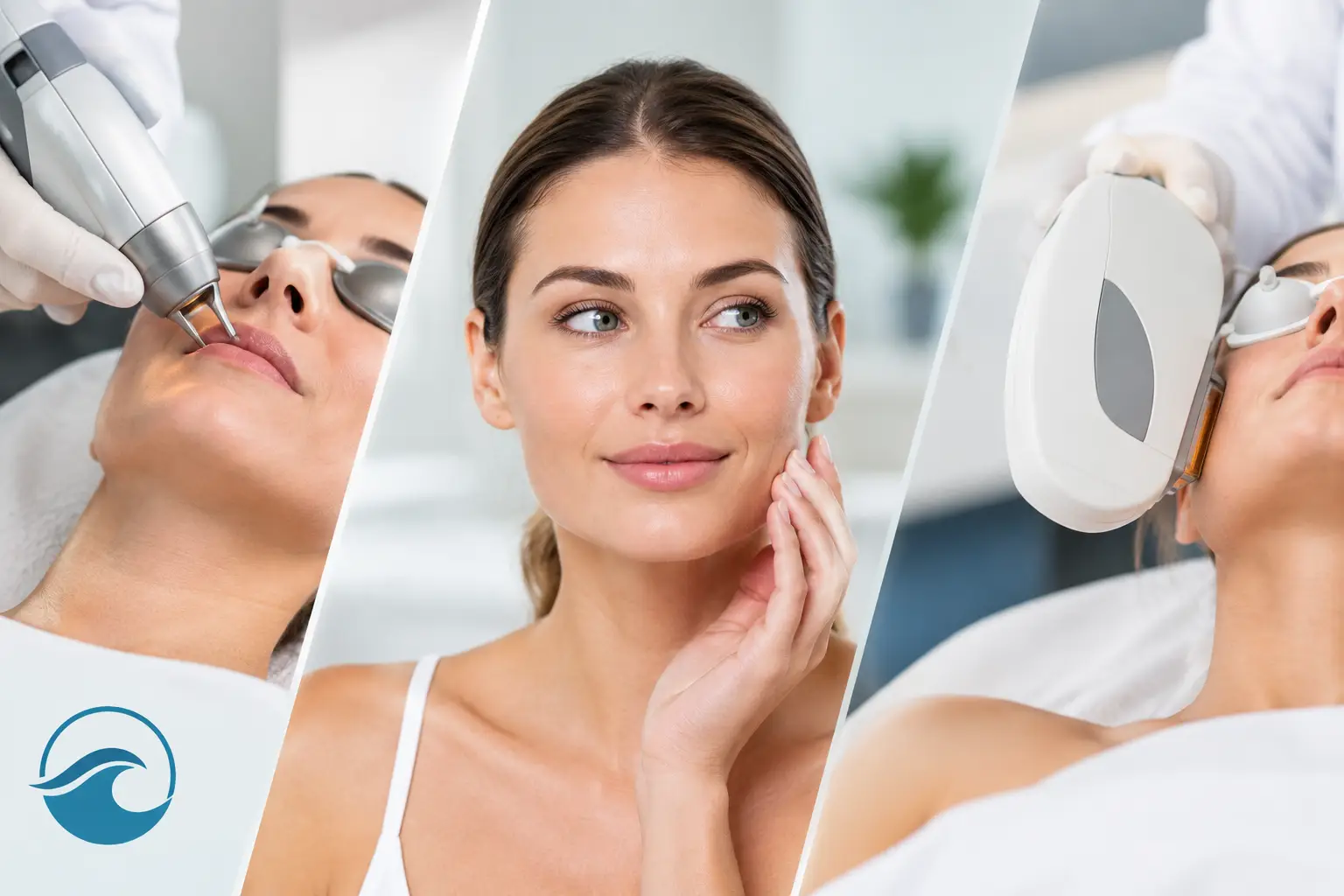
The word “laser” can describe very different treatments. A device designed for tattoo removal is not automatically the right choice for pigmentation, resurfacing or hair reduction. Each concern has its own variables, including skin type, skin tone, the area being treated, the depth of the concern and your medical history.
Tattoo removal needs patience and precision
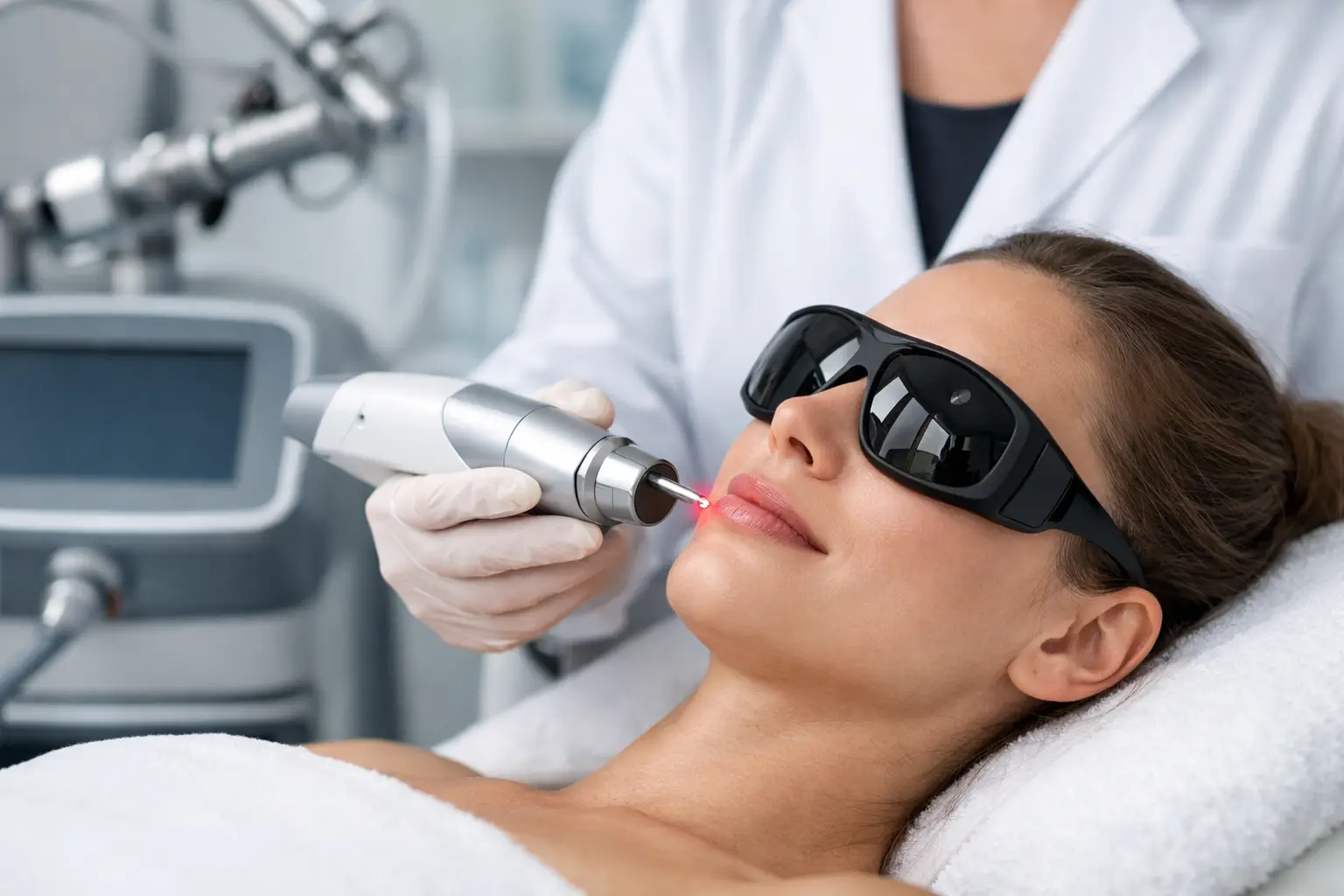
Laser tattoo removal works by targeting tattoo ink so the body can gradually process the fragmented particles over time. The age of the tattoo, ink colours, density, location and whether it was professionally applied can all affect the response. A black tattoo may react differently to a colourful design, while layered cover-up tattoos can require a more considered approach.
Sessions are usually spaced apart to allow the skin to recover and the body to do its work. Faster is not always better. Appropriate spacing, careful settings and clear aftercare all play a role in reducing unnecessary stress on the skin.
Skin rejuvenation is not one-size-fits-all
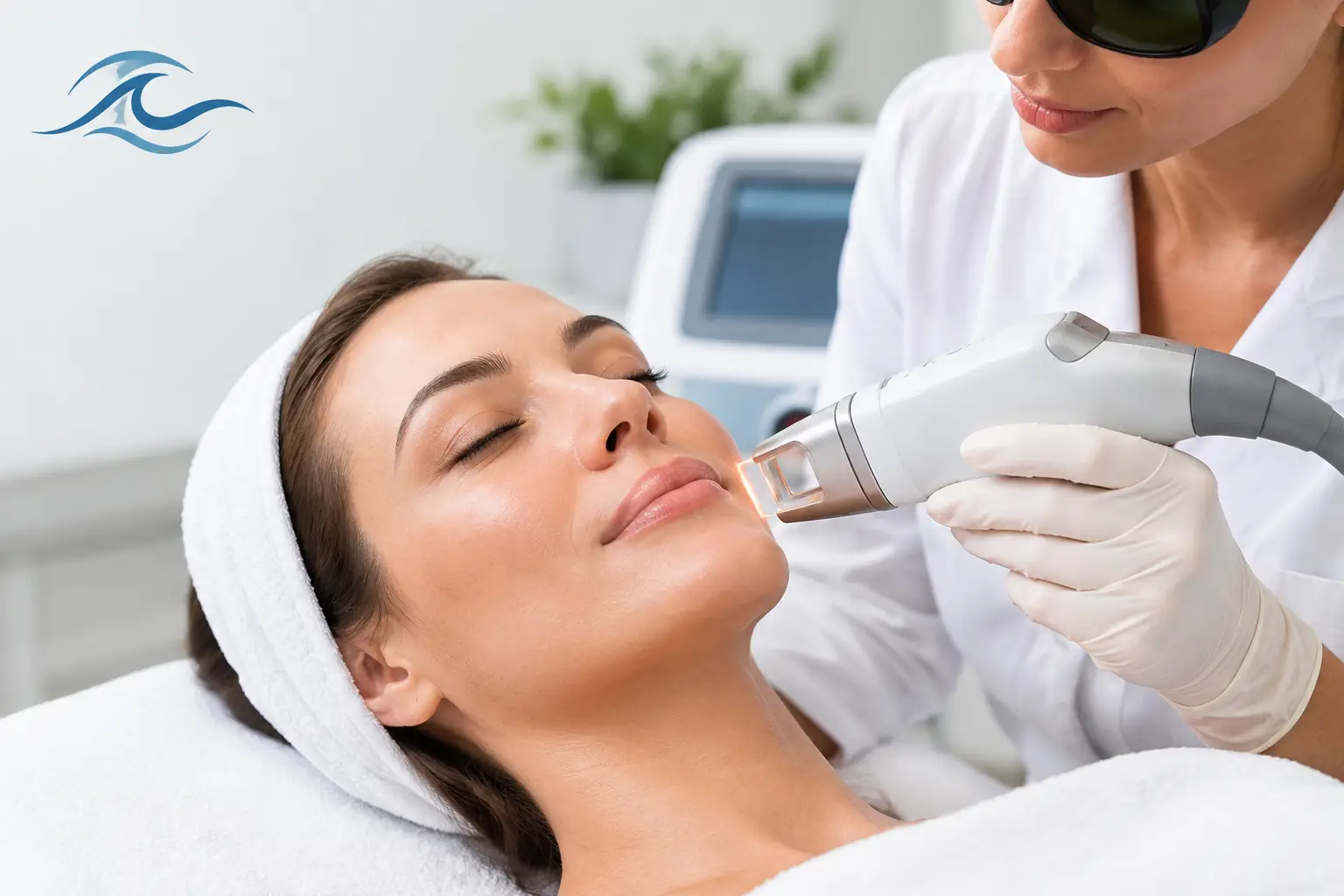
Laser and CO2 rejuvenation treatments may be considered for concerns such as uneven texture, visible signs of sun damage, fine lines, enlarged-looking pores and certain scarring concerns. Some treatments focus more on surface renewal, while others are designed to support collagen stimulation deeper within the skin.
The right approach depends on how much correction you are seeking and what downtime you can realistically accommodate. More intensive resurfacing can offer a stronger treatment response, but it may also involve more redness, peeling and recovery time. A gentler plan may suit someone who prefers gradual improvement with less interruption to daily life.
IPL hair reduction is a different conversation
IPL hair reduction uses light technology and is commonly chosen for areas such as the legs, underarms, bikini line, face or back. Hair colour, hair thickness and skin tone all influence suitability and expected results. It is best viewed as a reduction journey rather than a once-off solution, with treatment timing planned around the hair growth cycle.
A consultation is particularly useful here because it helps set a realistic expectation of what can be achieved. Some people may see a strong reduction in regrowth, while others may require maintenance sessions over time.
What a safe treatment plan should include
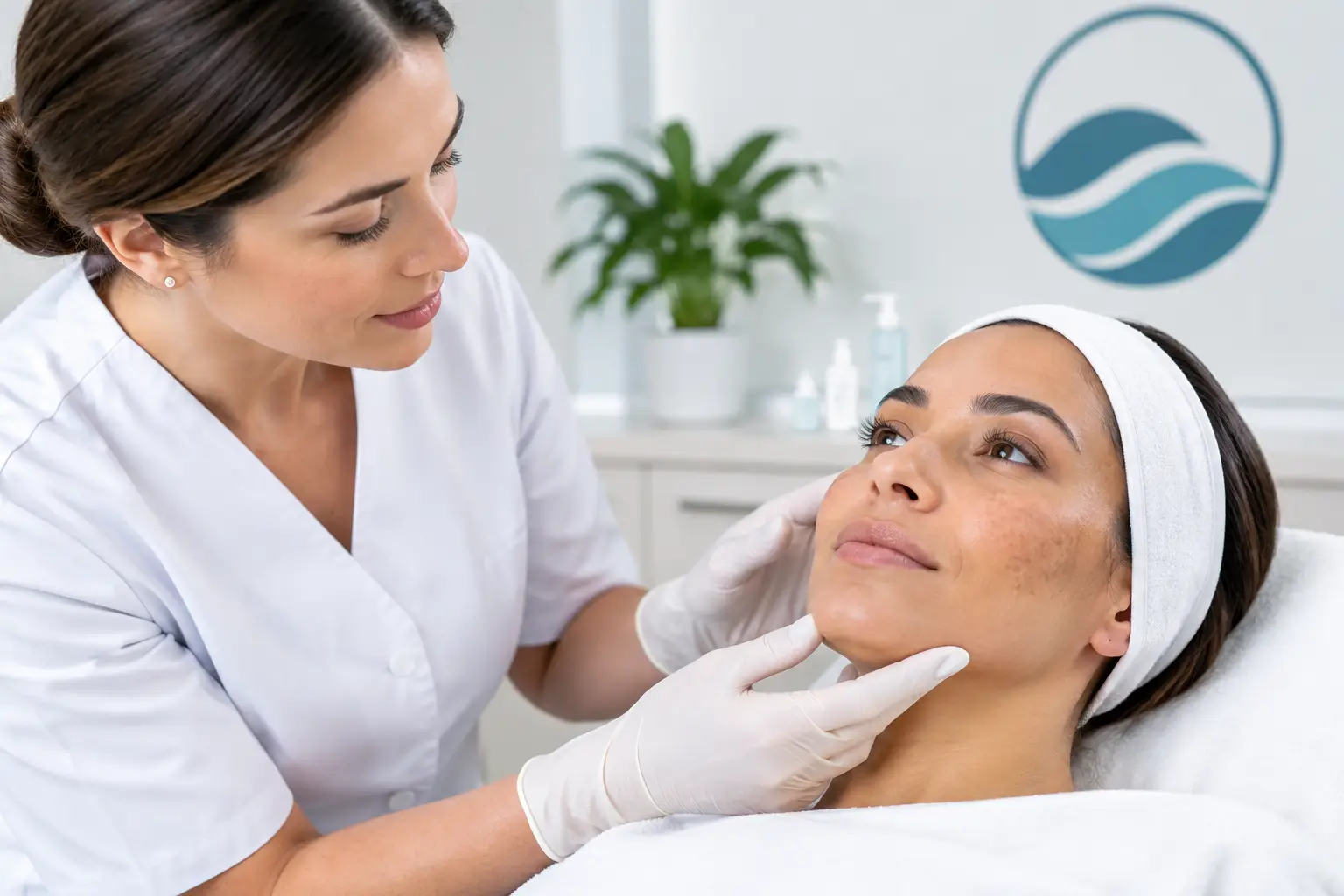
The most valuable part of an advanced treatment is often the assessment before it begins. A professional should take the time to ask about your skin history, previous treatments, medications, healing tendencies, sun exposure and desired outcome. These details help determine whether treatment is suitable now, whether it should be delayed or whether another option may be more appropriate.
At Coastal Skin Clinic, personalised care means looking beyond the treatment menu. A client seeking rejuvenation may benefit from a combination of professional treatments and a supportive skincare routine. Someone beginning tattoo removal may need guidance on session spacing, sun protection and what normal healing looks like. The plan should make sense for your lifestyle as well as your skin.
For laser-based services, ask who will perform the treatment, what training they have and whether the clinic meets relevant licensing and safety requirements. In Queensland, the appropriate regulatory standards and clinic processes matter. Protective eyewear, thorough consultation, documented aftercare and properly maintained equipment are practical signs of a professional environment.
The trade-off behind faster, stronger results
Social media can make advanced treatments look quick and effortless. In reality, meaningful skin change often involves a balance between treatment intensity, recovery and comfort. A stronger treatment may be suitable for one person but unnecessary or unsuitable for another.
It also depends on timing. If you have a holiday, outdoor work, a special event or a period of high sun exposure coming up, your practitioner may recommend waiting or choosing a gentler option. Sun protection is particularly important before and after many laser and light-based treatments, as treated skin can be more vulnerable to irritation and pigmentation changes.
There is no benefit in pushing through a treatment plan that does not feel right for your skin or schedule. The best outcomes tend to come from careful preparation, consistent aftercare and appointments planned at sensible intervals.
How to approach your consultation with confidence
Come to your consultation ready to talk openly about what concerns you. A photograph you have seen online can be useful for communicating a general preference, but it should not be treated as a promise of the same result. Your skin condition, health history and treatment starting point are unique.
It can help to ask what the treatment is designed to improve, how many sessions may be required, what downtime is likely and what aftercare you will need. You should also understand possible side effects, including temporary redness, swelling, sensitivity, flaking or changes in pigment risk. A caring practitioner will answer clearly, explain when treatment may not be suitable and give you space to decide.
If you are new to aesthetic treatments, start with the goal rather than the device. Saying “I want my skin to look fresher but still like me” or “I want this tattoo to fade safely” gives your practitioner a better foundation than requesting a treatment simply because it is trending.
Results that feel considered, not rushed
The real value of advanced laser technology is not that it replaces professional judgement. It gives trained practitioners more ways to tailor treatment to the person in front of them. That may mean selecting a specific laser approach, combining treatments over time or recommending that you wait until your skin is ready.
Choose care that feels informed and supportive from the first conversation. When the technology, practitioner and treatment plan are aligned, you can move forward knowing your skin journey has been considered with the attention it deserves.