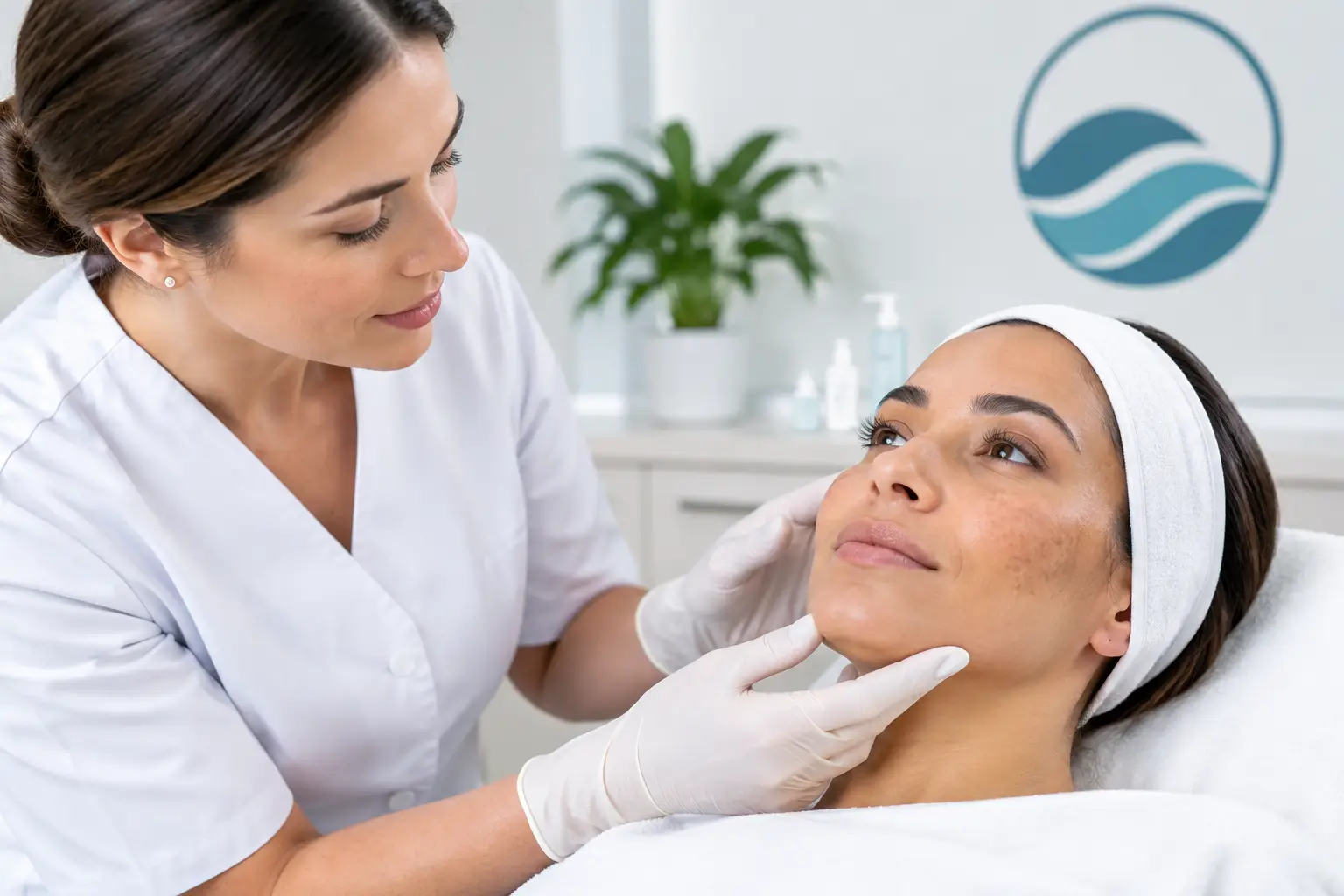

Your skin does not follow a calendar perfectly. One person may benefit from a monthly professional facial to manage congestion, while another may need more recovery time after a corrective peel or laser treatment. The right facial treatment frequency is not about booking as often as possible. It is about giving your skin the care it needs, at a pace that supports healthy, visible progress.
At Coastal Skin Clinic, treatment plans are built around your skin, your concerns and how your skin responds over time. Whether your focus is dryness, breakouts, pigmentation, texture or maintaining a healthy glow, the safest approach is always a personalised one.
How often should you have a facial treatment?
For many people, a professional facial every four to six weeks is a sensible starting point. This broadly follows the skin’s natural renewal cycle and gives your practitioner the opportunity to assess changes, clear congestion where appropriate and adjust your treatment plan before concerns become more difficult to manage.
That said, the ideal timing changes according to the treatment itself. A relaxing, hydrating facial may be suitable more regularly than an active treatment designed to resurface the skin. Medical-grade peels, microdermabrasion and laser-based skin rejuvenation all place more demand on the skin, so they require carefully planned spacing and appropriate aftercare.
Your home routine matters too. Consistent use of suitable cleanser, moisturiser and sun protection can help you maintain results between appointments. A facial is not a replacement for daily skin care, but it can make that routine more effective by addressing concerns that are difficult to manage at home.
Facial treatment frequency by skin goal
A treatment schedule should have a purpose. Booking frequent appointments without a clear goal can lead to unnecessary irritation, especially when exfoliation or active ingredients are involved. A thoughtful plan balances corrective treatments with maintenance and recovery.
For congestion, breakouts and oily skin
Congested or blemish-prone skin may initially benefit from treatments every two to four weeks, depending on the severity of the concern and the treatment selected. Professional facials can focus on cleansing, exfoliation and extractions where suitable, while helping to support the skin barrier rather than stripping it.
It is tempting to treat active breakouts aggressively, but too much exfoliation can leave skin sensitised and inflamed. If your skin is sore, peeling or reactive, the next appointment may need to focus on calming and hydration rather than further corrective work. A practitioner can help distinguish between a short-term adjustment period and a treatment plan that needs changing.
For dryness, sensitivity or a compromised barrier
Dry or sensitive skin often responds best to gentler, less frequent professional treatments. A hydrating or soothing facial every four to six weeks may support comfort and improve the skin’s appearance without overloading it.
When the barrier is compromised, more is rarely better. Stinging, persistent tightness, flaking and redness are signs to pause active treatments and simplify your routine. Your practitioner may recommend a period of barrier support before considering peels, microdermabrasion or more intensive rejuvenation options.
For pigmentation, uneven tone and sun damage
Pigmentation treatment requires patience, consistency and diligent sun protection. Depending on your skin type and treatment plan, professional peels or laser rejuvenation may be spaced several weeks apart to allow for healing and to assess your response.
Results usually build gradually. Trying to accelerate the process with treatments that are too close together can increase irritation and may work against your goals. In the Sunshine Coast climate, daily broad-spectrum sun protection and sensible sun avoidance are especially important between appointments.
For fine lines, texture and general rejuvenation
For clients wanting smoother texture, brighter tone or support for early signs of ageing, a series of treatments may be recommended before moving to maintenance. This can involve appointments every four to eight weeks, depending on whether your plan includes facials, microdermabrasion, peels or laser treatments.
After an initial course, many people choose maintenance treatments every two to three months. The best schedule depends on your skin’s condition, lifestyle, budget and the result you would like to maintain. Your plan should feel achievable, not like a commitment you cannot realistically sustain.
Why recovery time matters
Skin treatments work by supporting particular processes in the skin, whether that is hydration, exfoliation, cell turnover or collagen stimulation. Recovery time gives the skin an opportunity to respond. It also gives your practitioner a clearer picture of what is helping and what may be too much.
After treatments that create visible redness, warmth, dryness or peeling, allow the recommended recovery period before introducing strong at-home products or booking another active procedure. Avoid picking, scrubbing or using exfoliating acids unless your practitioner has advised they are appropriate.
The timing becomes even more important when combining treatments. For example, a facial, peel or microdermabrasion may need to be scheduled around laser rejuvenation rather than performed in the same period. Your practitioner can map this out so treatments complement each other and your skin is not unnecessarily stressed.
Signs your facial schedule may need adjusting
Healthy progress is not always dramatic after one appointment. However, your treatment timing should be reviewed if your skin is regularly irritated, excessively dry, breaking out more than usual or taking longer than expected to settle after treatment.
It may also be time to reassess if you have stopped seeing results, your lifestyle has changed, or you have introduced new skin care products. Seasonal shifts can make a difference as well. Skin that copes well with active treatments in cooler months may need a gentler approach during periods of increased heat, humidity and sun exposure.
Tell your practitioner about changes in your health, any medications, recent tanning, cosmetic procedures or previous skin reactions. These details help guide safe treatment selection and appointment spacing. Honest communication is part of effective care, particularly if you are new to professional skin treatments.
A plan is better than a fixed rule
Online advice often offers a single answer, such as having a facial every month. That can be useful as a broad guide, but it is not a prescription. The right frequency depends on your skin type, your current skin condition, the treatment intensity and your capacity to follow the recommended aftercare.
A professional consultation is the best place to begin. Your practitioner can assess your skin, discuss your priorities and create a treatment plan that includes both in-clinic appointments and practical home care. You should understand what each treatment is intended to achieve, how long recovery may take and when your next appointment should be booked.
Good skin care is not about chasing the most appointments. It is about choosing safe, effective treatments at the right time, then giving your skin the consistency and care it needs to respond well.