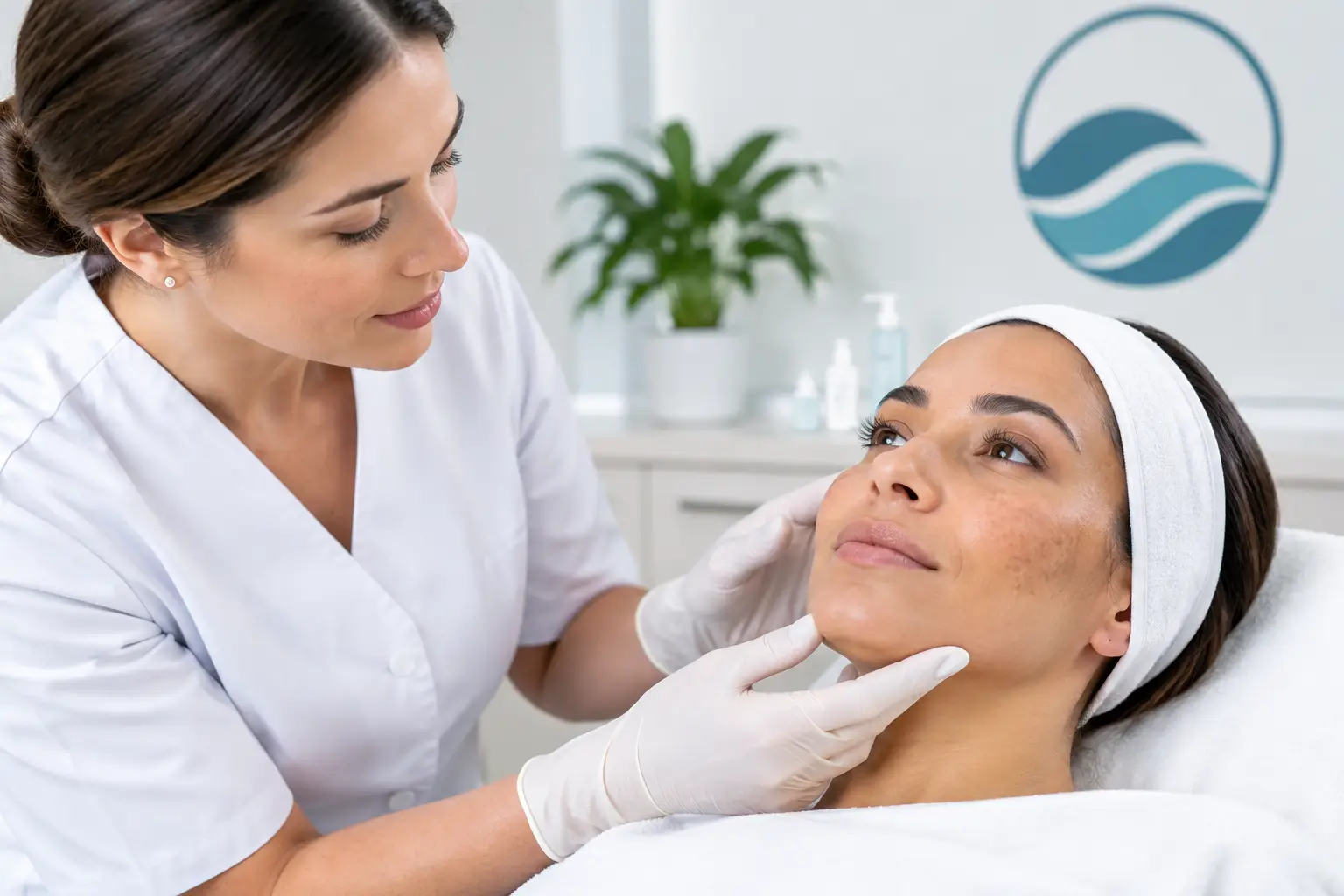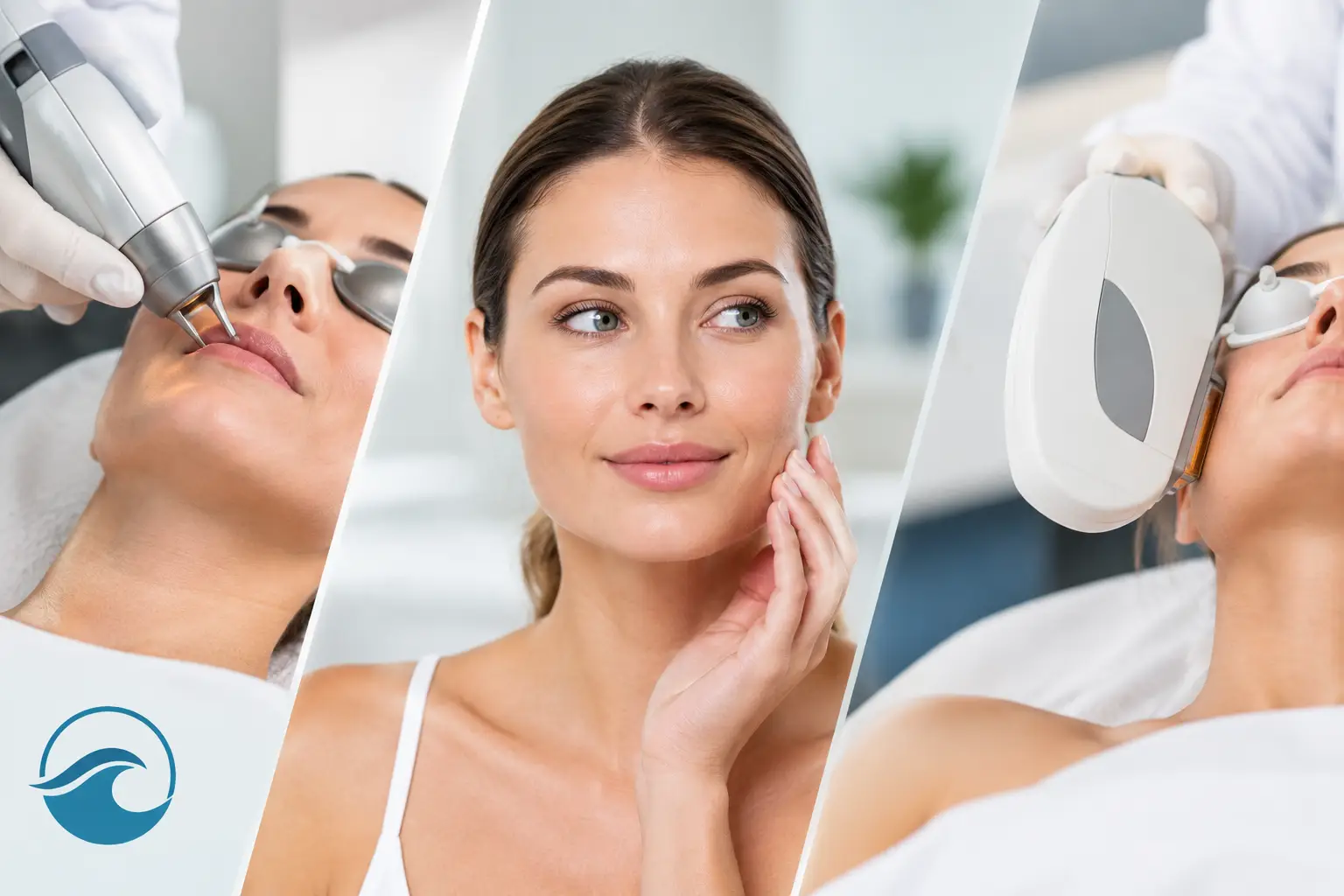
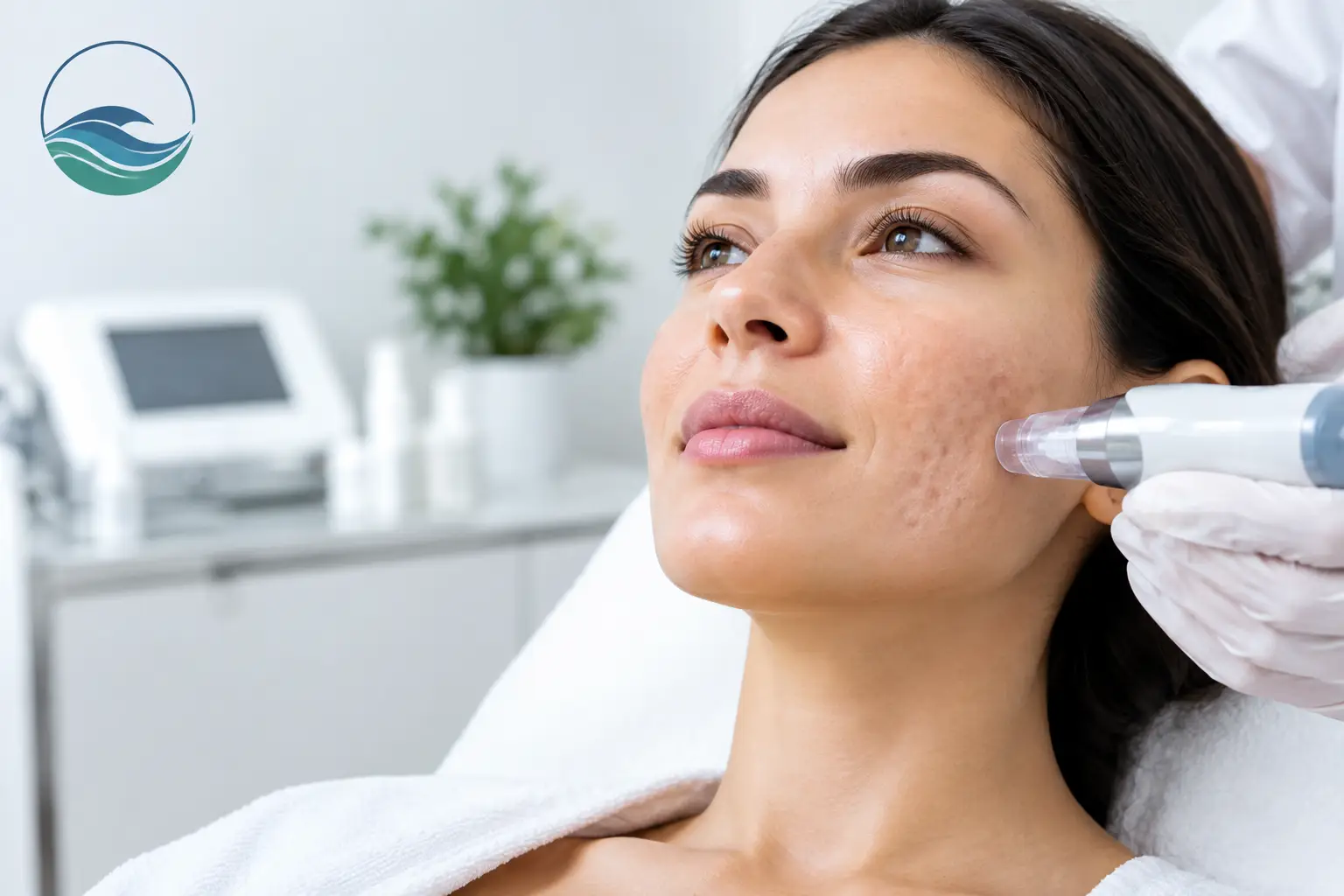
Acne may have settled, but the marks it leaves behind can still affect how you feel when you look in the mirror or go without makeup. This guide to acne scar resurfacing explains what professional treatment can realistically improve, why no two scars respond in quite the same way, and how a considered treatment plan can help you move towards smoother, more even-looking skin.
What acne scar resurfacing is designed to do
Acne scar resurfacing refers to professional treatments that encourage the skin to renew and rebuild. The aim is not to erase every mark or create perfectly poreless skin. It is to soften textural irregularities, improve the way light reflects from the skin, and support healthier collagen production over time.
When acne causes inflammation deep within the skin, it can damage collagen and leave depressions behind once the blemish heals. These indentations can be more noticeable in certain lighting, under makeup, or when the skin is dry or congested. Resurfacing treatments work by creating controlled change in the skin, prompting a repair response that gradually improves texture.
Results take patience. Collagen remodelling happens over weeks and months, not overnight, and the right approach usually involves a course of treatments rather than a single appointment. Safe. Effective. Personalised care is far more valuable than chasing a quick fix.
First, identify the type of scar
The phrase “acne scarring” covers several different concerns. Understanding the pattern of scarring helps determine whether resurfacing is likely to be the right choice and which treatment intensity is appropriate.
Rolling scars create a wave-like or uneven texture across the cheeks or jawline. They are often linked to fibrous bands beneath the skin and may respond well to collagen-stimulating treatments, although deeper tethering can need a different or combined clinical approach.
Boxcar scars are broader depressions with more defined edges. They vary in depth, so a professional assessment is especially helpful before choosing a treatment. Ice-pick scars are narrow and deep. While resurfacing may improve the surrounding skin, these scars do not always respond as strongly to surface-focused treatments alone.
It is also important to separate true scarring from post-acne marks. Red, pink or brown marks can remain after a blemish without changing the skin’s surface. They may need a different strategy focused on calming inflammation, pigment management and daily sun protection rather than intensive resurfacing.
A guide to acne scar resurfacing treatments
There is no single best treatment for every person. Your skin type, scar type, history of pigmentation, active breakouts, lifestyle and tolerance for downtime all matter. A thorough consultation should look at the whole picture before a treatment recommendation is made.
CO2 laser resurfacing
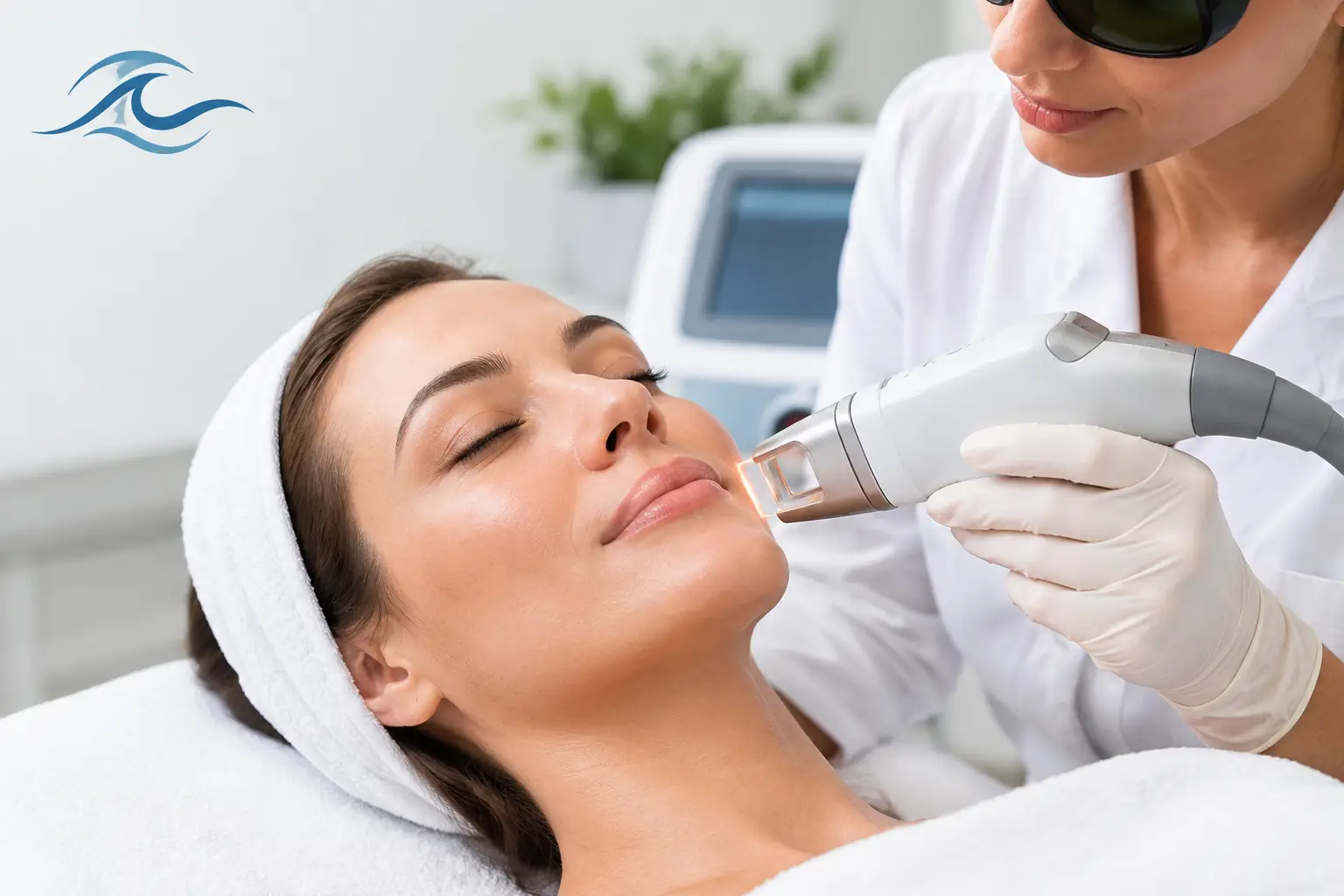
CO2 laser resurfacing is a more intensive skin rejuvenation treatment that can be considered for textural concerns, including certain acne scars. It uses targeted laser energy to create controlled micro-injuries in the skin, stimulating the natural repair process and collagen renewal.
For suitable clients, CO2 laser can improve overall texture, soften the edges of some depressed scars and give the skin a smoother, fresher appearance as it heals. It is not a casual lunchtime treatment. Expect visible redness, sensitivity and a period of social downtime while the skin recovers. The amount of downtime depends on the treatment settings, area treated and your individual healing response.
A clinician should assess factors such as your skin tone, melasma or pigmentation history, previous treatments and any active acne before recommending CO2 resurfacing. For some complexions, an overly aggressive approach can increase the risk of post-inflammatory pigmentation. Careful settings, pre-treatment preparation and diligent aftercare matter.
Medical-grade facial peels
Professional facial peels can support acne-prone and uneven skin by using selected active ingredients to accelerate exfoliation and renewal. Depending on the peel and your skin needs, this may help brighten post-acne marks, refine the surface and support clearer-looking skin.
Peels are generally less intensive than CO2 laser resurfacing, with less downtime and a more gradual approach to improvement. They can be a sensible starting point for mild texture concerns or persistent discolouration after acne. They may also be used as part of a longer plan between more intensive treatments, where appropriate.
A peel will not lift deep scars in the same way a more advanced collagen-stimulating treatment may. That trade-off is worth understanding. Lower downtime often means subtler, cumulative changes, while stronger resurfacing may offer more noticeable textural improvement but requires greater commitment to recovery.
Supporting treatments and skin preparation
Skin preparation is not an optional extra. When the skin barrier is irritated, dehydrated or still experiencing active breakouts, pushing ahead with resurfacing can compromise recovery and results. A tailored professional facial, careful home care and a treatment plan that settles active concerns first may be the better next step.
Microdermabrasion may also be appropriate for some clients seeking gentle surface refinement. It can improve the feel and appearance of dull, superficial unevenness, but it should not be presented as a solution for significant pitted scarring. Honest expectations protect both your skin and your investment.
Timing matters more than most people realise
Active acne should be managed before intensive acne scar resurfacing begins. Treating inflamed breakouts too aggressively can worsen irritation and make it harder to assess the true level of scarring. Once acne is better controlled, treatment can focus on the marks and texture left behind.
Sun exposure is another major consideration, particularly on the Sunshine Coast where daily UV exposure can be high even outside summer. Freshly treated skin is more vulnerable to sun damage and pigmentation changes. Avoid tanning before treatment, follow your clinician’s instructions, and use broad-spectrum SPF every day as advised.
If you have an upcoming holiday, wedding or major event, allow more time than you think you need. Redness may settle quickly for some people, while others need longer for their skin tone and texture to fully calm. Booking a strong resurfacing treatment immediately before an important occasion is rarely ideal.
What recovery can look like
Your aftercare will depend on the treatment performed, but the principles are consistent: keep the skin clean, support the barrier, avoid heat and friction, and protect it from the sun. You may be asked to pause active skincare ingredients, strenuous exercise, swimming, saunas and makeup for a period of time.
After CO2 laser treatment, redness, warmth, swelling and peeling are expected parts of recovery. Skin can feel tight or tender at first. Resist the temptation to pick flakes or speed up exfoliation. Let the healing process happen on its own schedule, using only the products and guidance recommended for you.
After a facial peel, you may experience light flaking, dryness or a temporary increase in sensitivity. Not everyone peels visibly, and visible peeling is not a measure of whether a treatment has worked. Your practitioner can explain what is normal for the specific peel used and when to get in touch if something does not feel right.
Realistic results are still meaningful results
The most satisfying outcomes tend to come from people who understand the goal: improvement, not perfection. Acne scars are often layered, with a mix of surface texture, depth, redness and pigmentation. A treatment plan may need to address these concerns gradually rather than trying to correct everything at once.
Many clients notice that their skin looks smoother, makeup sits more evenly and scars are less obvious in side lighting as collagen develops. The degree of change depends on the original scar type, the treatment selected, healing, aftercare and the number of sessions required. Photographs taken under consistent lighting can be far more useful than judging progress day to day.
A reputable clinic will be clear about what a treatment can and cannot achieve. Be cautious of promises of scar removal, unusually cheap intensive treatments, or anyone recommending the same procedure for every skin concern. Your skin deserves an assessment that is based on its needs, not a one-size-fits-all package.
Choosing professional care
For acne scar resurfacing, experience and safety should sit alongside results. Ask who will perform your treatment, what technology or peel is being used, how your skin type affects the plan, what downtime to expect and how aftercare will be supported. You should feel comfortable asking questions and never pressured to proceed.
At Coastal Skin Clinic, consultations are designed to give you clear, individual guidance in a warm and supportive setting. Whether you are considering CO2 laser rejuvenation or a more gradual corrective plan, the right place to start is with an honest conversation about your skin, your goals and the time you can allow for recovery.
Smoother skin rarely comes from one dramatic decision. It comes from choosing the right treatment at the right time, then giving your skin the consistency and care it needs to respond well.