If your breakouts have settled but the marks are still hanging around, you are not imagining it – post-acne marks can last far longer than the pimple itself. When people ask how to treat post acne marks, the first thing to understand is that not all marks are the same, and that matters because the right treatment depends on what you are actually seeing in the mirror.
Some marks are simply changes in skin colour after inflammation. Others are true scars, where the skin texture has changed. Red marks, brown marks and indented scars can all follow acne, but they do not respond to the same products or treatments. That is where personalised advice makes a real difference.
How to treat post acne marks starts with knowing the type
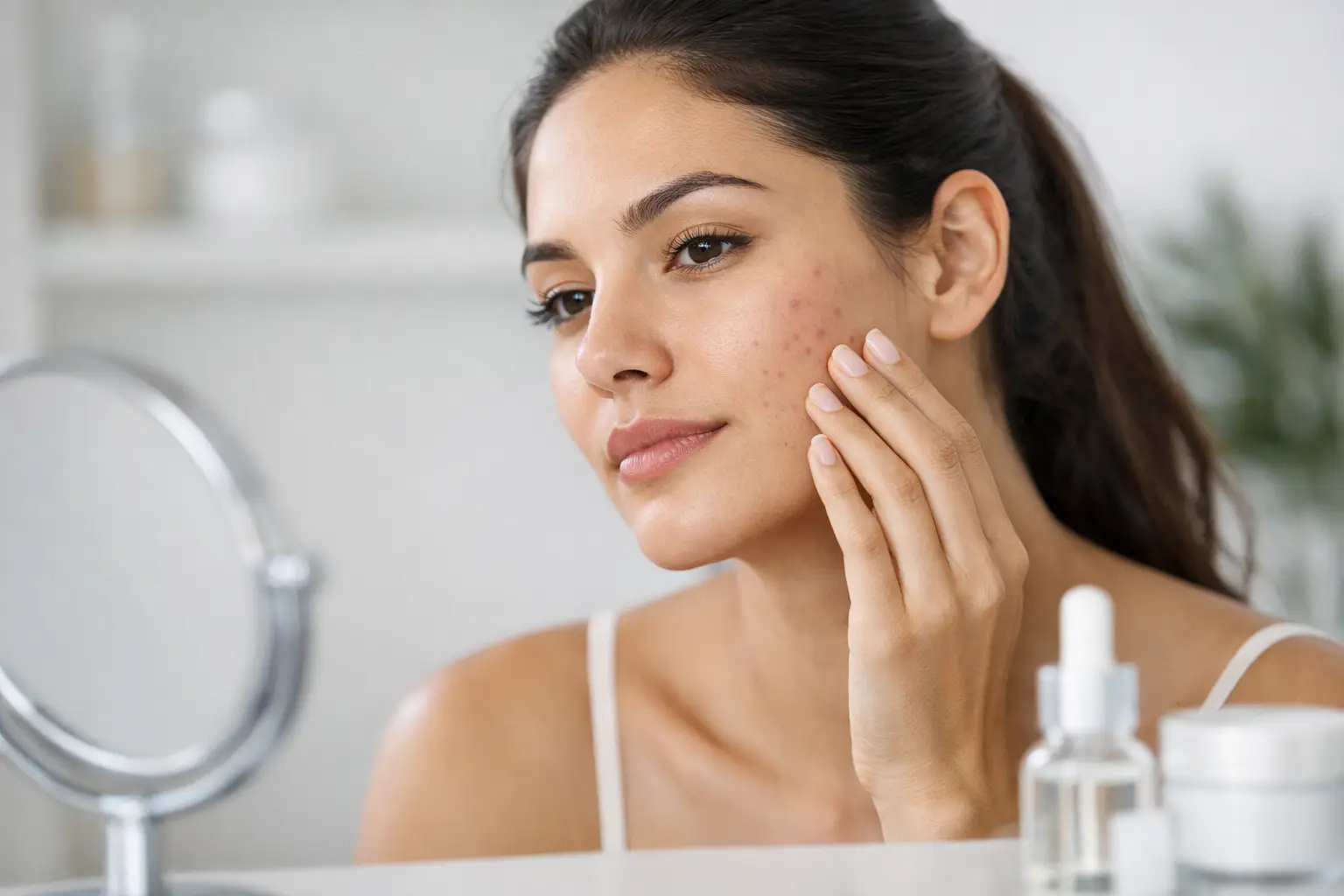
Post-acne marks usually fall into two broad groups: pigment changes and scarring. Pigment changes are flat marks left behind after a breakout. They may look red, pink, brown or grey depending on your skin tone and how much inflammation was involved. These are often easier to improve, but they still take time.
Scarring is different. If the skin looks pitted, uneven or depressed, there has been some structural change in the skin. Ice pick, boxcar and rolling scars are common examples. These generally need clinic-based treatment rather than just skincare.
There is also a common middle ground where someone has both. That is why a one-size-fits-all routine often disappoints. A serum that helps brown marks fade may do very little for redness, and neither will rebuild deeper textural scarring on its own.
Why post-acne marks can be so stubborn
After inflammation, the skin can overproduce pigment or leave behind visible changes in tiny blood vessels, which creates lingering colour. If the breakout was deeper, the healing process may also affect collagen, leading to uneven texture.
Sun exposure can make pigmented marks darker and longer-lasting. Picking at blemishes can increase both pigmentation and the risk of scarring. Even using too many active products at once can keep the skin irritated, which slows visible improvement.
This is where patience matters. Skin can improve beautifully, but usually not overnight. Good treatment is less about doing everything at once and more about doing the right things consistently.
What helps fade flat red or brown marks
If the skin is smooth and the main issue is discolouration, treatment usually focuses on calming inflammation, supporting cell turnover and protecting the skin barrier. Daily SPF is one of the most important steps. Without it, pigment can persist for much longer, especially in the Australian climate.
Ingredients such as niacinamide, vitamin C, azelaic acid and retinoids may all play a role, depending on your skin. Gentle exfoliating acids can also help, but more is not always better. Over-exfoliating can trigger irritation and make marks more noticeable.
For some people, a simple routine works best. Think gentle cleanser, targeted treatment, moisturiser and broad-spectrum SPF. If your skin is reactive, adding too many actives at once can backfire. If your skin is more resilient, a guided treatment plan may help you progress faster.
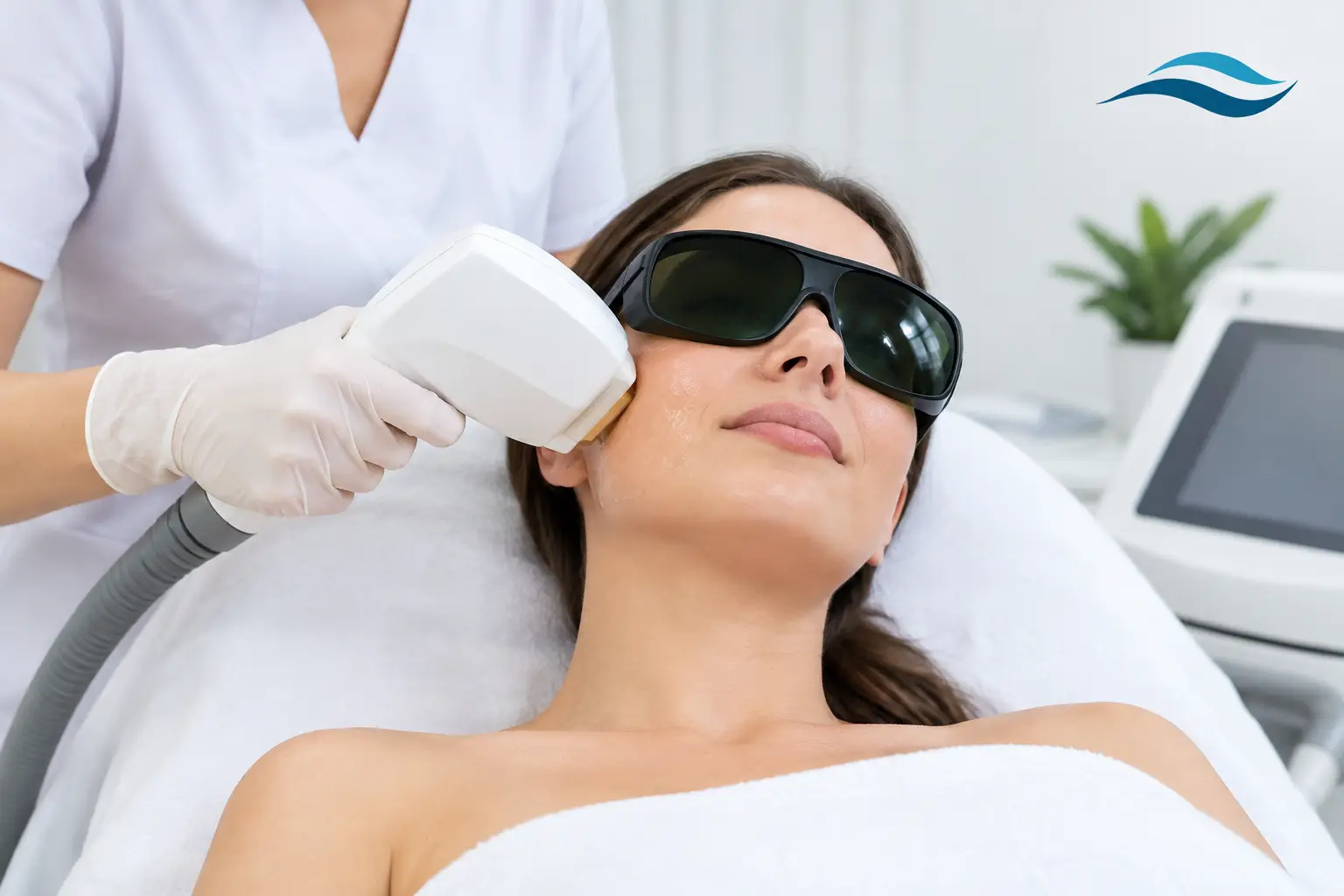
Professional treatments can step in when home care is not enough. Medical-grade peels, selected laser treatments and skin rejuvenation options may help improve uneven tone more efficiently than skincare alone. The right option depends on your skin type, the age of the marks and whether acne is still active.
How to treat post acne marks when texture is involved
When marks are indented or the skin feels uneven, skincare has limits. Topical products can support skin health, but they cannot significantly remodel deeper acne scarring on their own.
This is where advanced treatments become more relevant. Depending on the skin, options may include laser resurfacing, skin rejuvenation treatments and collagen-stimulating approaches designed to improve texture over time. Treatments that encourage controlled renewal in the skin can soften the appearance of scars and improve overall smoothness, but they usually require a series and a realistic timeline.
There is a trade-off here. Stronger treatments may offer more visible change, but they can also involve more downtime, more aftercare and a greater need for careful practitioner assessment. Not every client wants that, and not every scar needs an aggressive approach. A tailored plan should balance results, recovery and skin safety.
Active acne needs attention too
One of the biggest mistakes people make when deciding how to treat post acne marks is focusing only on the marks while new breakouts are still appearing. If acne is ongoing, it can keep creating fresh inflammation and undoing progress.
In that situation, treatment usually needs two goals at once: reduce active breakouts and improve leftover marks gradually. That may mean adjusting skincare, reviewing triggers and choosing professional treatments that are appropriate for acne-prone skin rather than jumping straight into resurfacing.
Trying to treat marks aggressively on skin that is still inflamed can lead to more irritation. It is often smarter to calm the cycle first, then move into more corrective work once the skin is in a better place.
Home care versus clinic treatment
At-home care is valuable, especially for milder post-acne pigmentation and for maintaining results. But there is a point where professional guidance saves time, money and frustration.
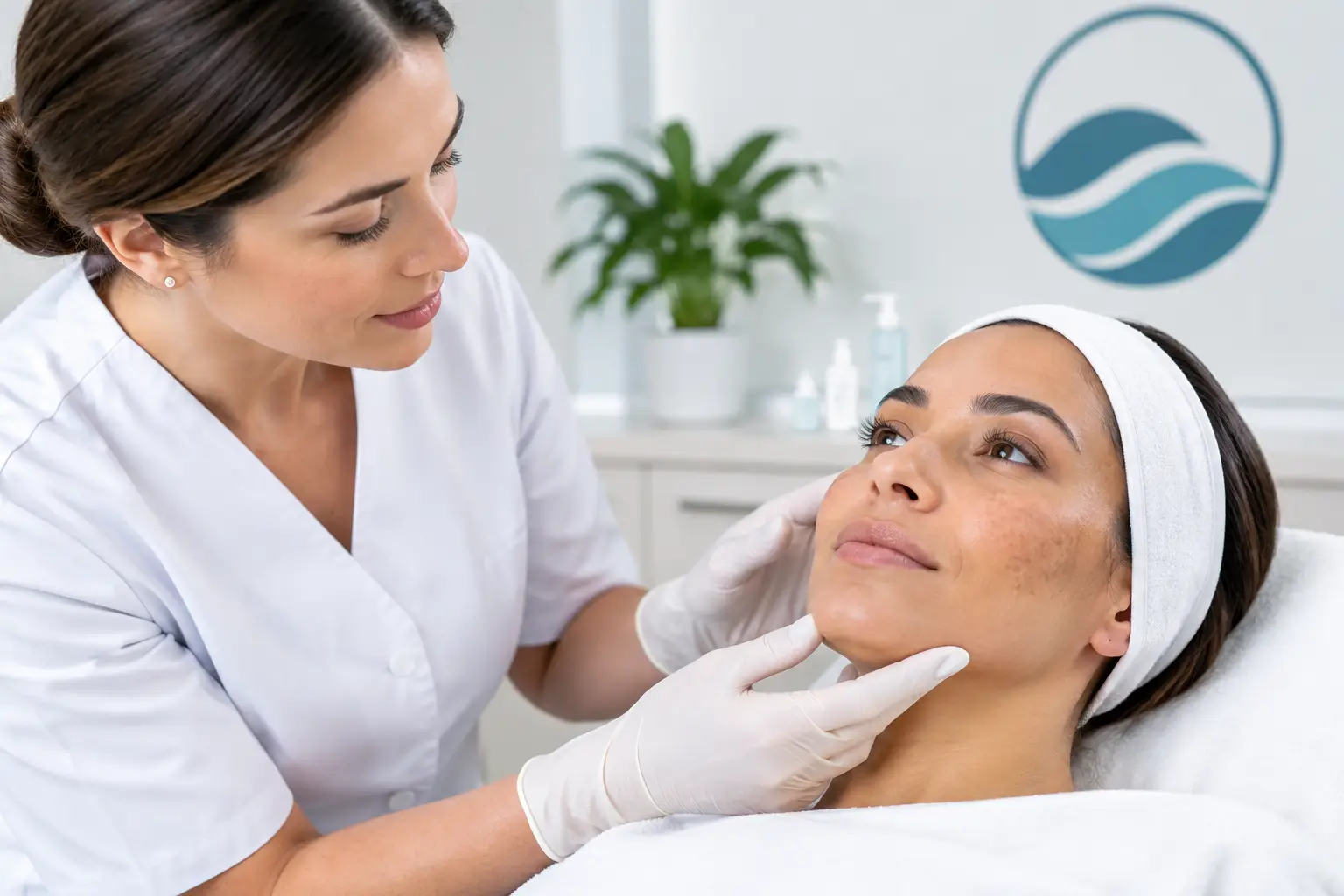
If you have been using good skincare for several months without much change, if the marks are affecting your confidence, or if you are seeing obvious textural scarring, a consultation is usually worth it. A trained clinician can assess whether you are dealing with pigmentation, redness, scarring or a mix of all three, then recommend a treatment pathway that fits your skin and lifestyle.
For clients around Maroochydore and the Sunshine Coast, that often provides peace of mind as much as a plan. You are not left guessing which treatment is suitable or whether your skin is likely to respond.
What to expect from professional treatment
The best results tend to come from a staged approach rather than a single miracle session. Your skin may need preparation first, especially if the barrier is compromised or the skin is easily irritated. In some cases, gentler corrective treatments are started before moving to more intensive options.
You may also be advised to pause certain products before treatment and commit to diligent sun protection afterwards. That is not just routine advice – it directly affects healing and results.
Visible improvement often happens gradually. Pigment may lift over weeks to months. Redness may settle slowly. Textural change usually takes longer because collagen remodelling is a process, not an instant fix. Honest expectations matter here. Better skin is achievable, but rushed treatment can create setbacks.
Common mistakes that keep marks around longer
People understandably want results fast, but some habits make post-acne marks harder to clear. Picking is a major one. So is chasing every trending product and layering strong actives without a plan.
Skipping SPF is another. Even a good treatment plan can be undermined if the skin is exposed to regular UV without protection. And while it is tempting to compare your skin to someone else’s online, response time varies with skin tone, acne history, sensitivity and treatment consistency.
Another common issue is misdiagnosis. What looks like a scar may be lingering redness. What seems like pigmentation may actually be a combination of pigment and textural change. Getting that wrong leads to wasted effort.
When to seek expert advice
If your marks have lasted for months, if they are getting darker, if your skin feels uneven, or if active acne keeps returning, it is a good time to get a professional opinion. This is especially true if you have deeper skin tones, sensitive skin, or a history of strong reactions, because treatment selection needs extra care.
At Coastal Skin Clinic, consultations are designed to take the guesswork out of the process. Safe, effective treatment starts with understanding your skin properly, not just recommending the most popular option.
Clearer skin after acne is rarely about one product or one appointment. It is usually the result of the right diagnosis, the right treatment pace and a plan that respects your skin rather than pushing it too hard. If you have been wondering how to treat post acne marks, start there – with a clear assessment and a realistic path forward.