A client may come in wanting to soften sun spots, fine lines and uneven texture, then discover that the best treatment is not always the one they have heard most about. When comparing laser resurfacing vs IPL, the right choice depends on what is happening in your skin, how much downtime you can allow, and the level of change you are hoping to see.
Both treatments can support clearer, fresher-looking skin, but they work in different ways. One is generally chosen for deeper texture and signs of ageing; the other is often ideal for visible pigment and redness with a lighter recovery period. A professional consultation makes the difference between simply booking a popular treatment and following a plan that suits your skin.
Laser Resurfacing vs IPL: The Main Difference
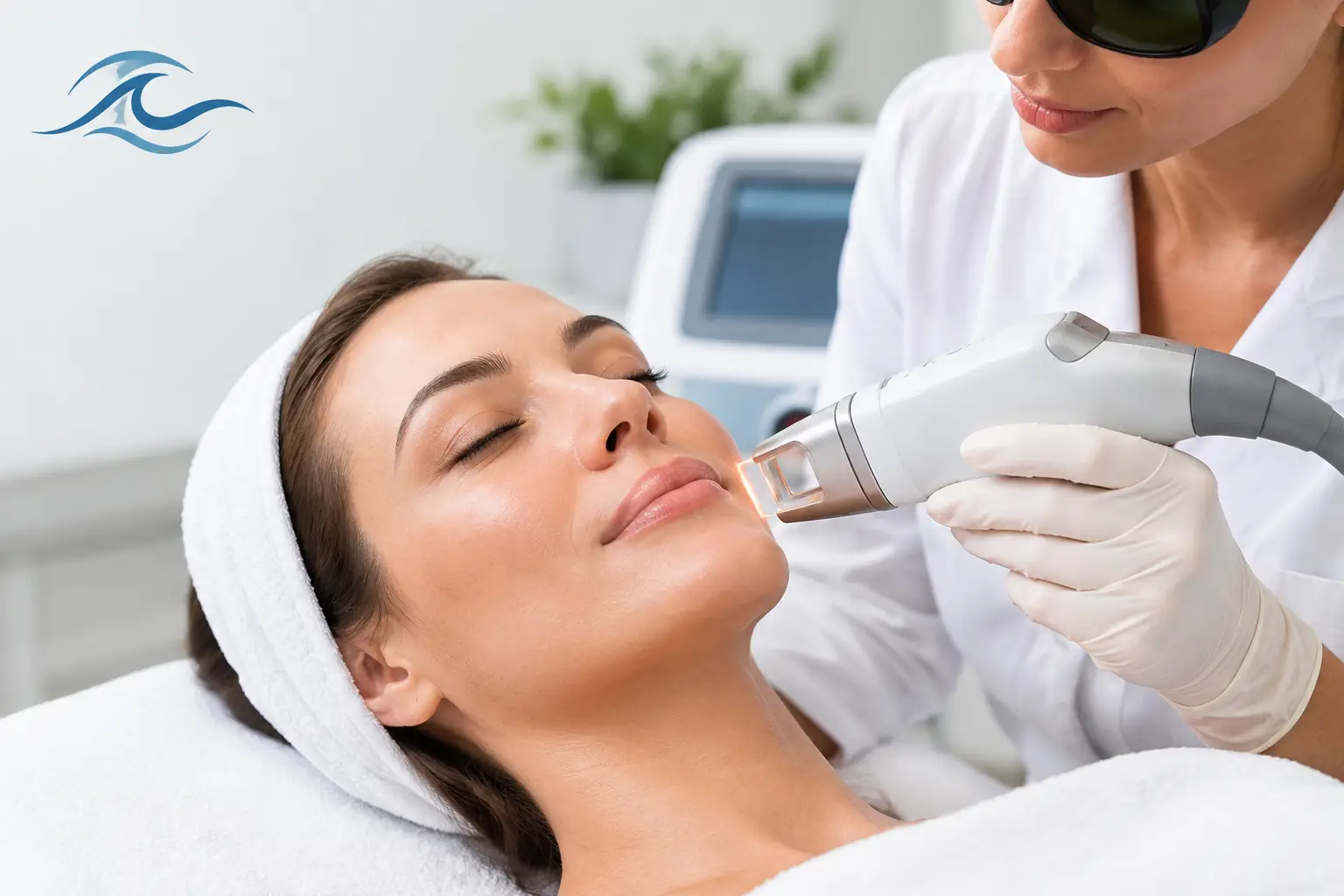
Laser resurfacing uses concentrated laser energy to create controlled treatment zones in the skin. This process encourages the skin’s natural repair response and collagen renewal. Depending on the technology and settings used, it can treat the surface of the skin more intensively and reach deeper concerns.
IPL, short for intense pulsed light, is not technically a laser. It uses broad-spectrum light that targets pigment and blood vessels near the skin’s surface. IPL is often used to improve the appearance of sun damage, freckles, brown spots, facial redness and uneven skin tone.
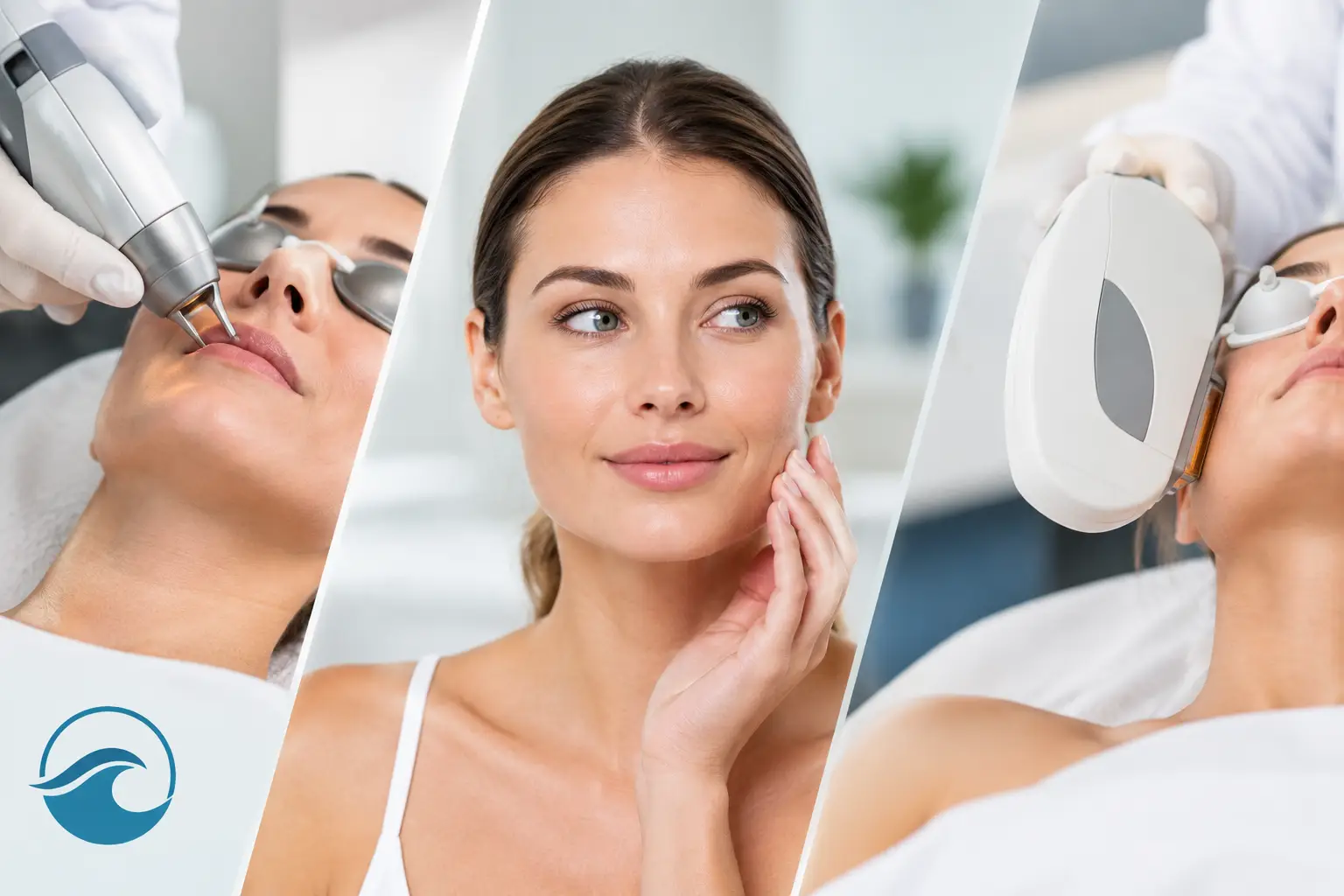
Put simply, laser resurfacing is usually the stronger option for texture-focused concerns, while IPL is commonly selected for colour-focused concerns. There is overlap, of course. Many clients have both pigmentation and texture changes, which is why a tailored approach matters.
What laser resurfacing is best for
Laser resurfacing can be a valuable option when skin needs more than a brightening treatment. It may be recommended for concerns such as fine lines, crepey texture, enlarged pores, acne scarring, surgical scars, uneven texture and more established sun damage.
CO2 laser resurfacing is known for its ability to support significant skin renewal. It works by carefully resurfacing portions of the skin while leaving surrounding tissue to assist the healing process. Results develop gradually as the skin repairs and new collagen forms, with ongoing improvements often seen over the months following treatment.
Because laser resurfacing is more intensive, it also requires more preparation and recovery. Skin may feel warm, tight and sensitive immediately afterward, followed by redness, swelling and peeling as healing progresses. Downtime varies significantly with the treatment depth, settings and individual healing response. For some people, a lighter treatment may fit their schedule; for others, a more intensive approach may be worthwhile for a more noticeable improvement.
What IPL is best for
IPL is often a popular choice for clients who want to address visible signs of sun exposure without the recovery associated with deeper resurfacing. It can help improve the appearance of brown pigment, freckles, age spots, diffuse redness, broken capillaries and an overall uneven complexion.
After an IPL treatment, pigment can temporarily darken before it lifts or fades. Mild redness or warmth is also common. Most people can return to usual daily activities quickly, although protecting the skin from heat and sun exposure remains essential.
IPL is usually performed as a course of treatments, rather than a single session, because concerns such as pigmentation and redness often respond progressively. Maintenance sessions may also be beneficial, particularly in the Sunshine Coast where regular sun exposure can continue to affect the skin.
Results, Downtime and Comfort
The most practical way to compare laser resurfacing vs IPL is to consider the result you want alongside the recovery you can realistically manage.
If your priority is smoother texture, scar softening or improvement in deeper lines, laser resurfacing may offer a more appropriate pathway. It tends to involve greater downtime, more aftercare and a longer healing phase, but it can create meaningful change for concerns that sit beyond the surface.
If your focus is brown spots, redness or a dull-looking complexion, IPL may be the more suitable starting point. It generally involves less downtime and can fit more easily around work, social plans and family commitments. However, it will not produce the same resurfacing effect as a CO2 laser treatment for acne scarring or pronounced texture.
Comfort also differs. Both treatments can involve heat and a prickling sensation, but the experience varies with the treatment area, technology and settings. A quality clinic will explain what to expect, use suitable comfort measures and give you clear aftercare instructions before you leave.
Skin Type, Pigmentation and Safety
Not every treatment is appropriate for every skin type at every time. This is especially relevant if you have a deeper skin tone, a history of pigmentation after inflammation, melasma, active acne, rosacea, cold sores, or recent sun exposure.
IPL and laser energy need to be selected carefully because pigment in the skin absorbs light and heat. Treating tanned skin, for example, can increase the chance of an unwanted reaction or uneven pigmentation. For this reason, avoiding sun exposure and self-tanning products before treatment is not a minor detail – it is part of safe treatment planning.
Melasma also needs a considered approach. While some forms of pigmentation respond well to light-based treatments, melasma can be triggered or aggravated by heat, inflammation and sun exposure. In some cases, a skin preparation plan, medical-grade skincare or another treatment option may be more appropriate before introducing laser or IPL.
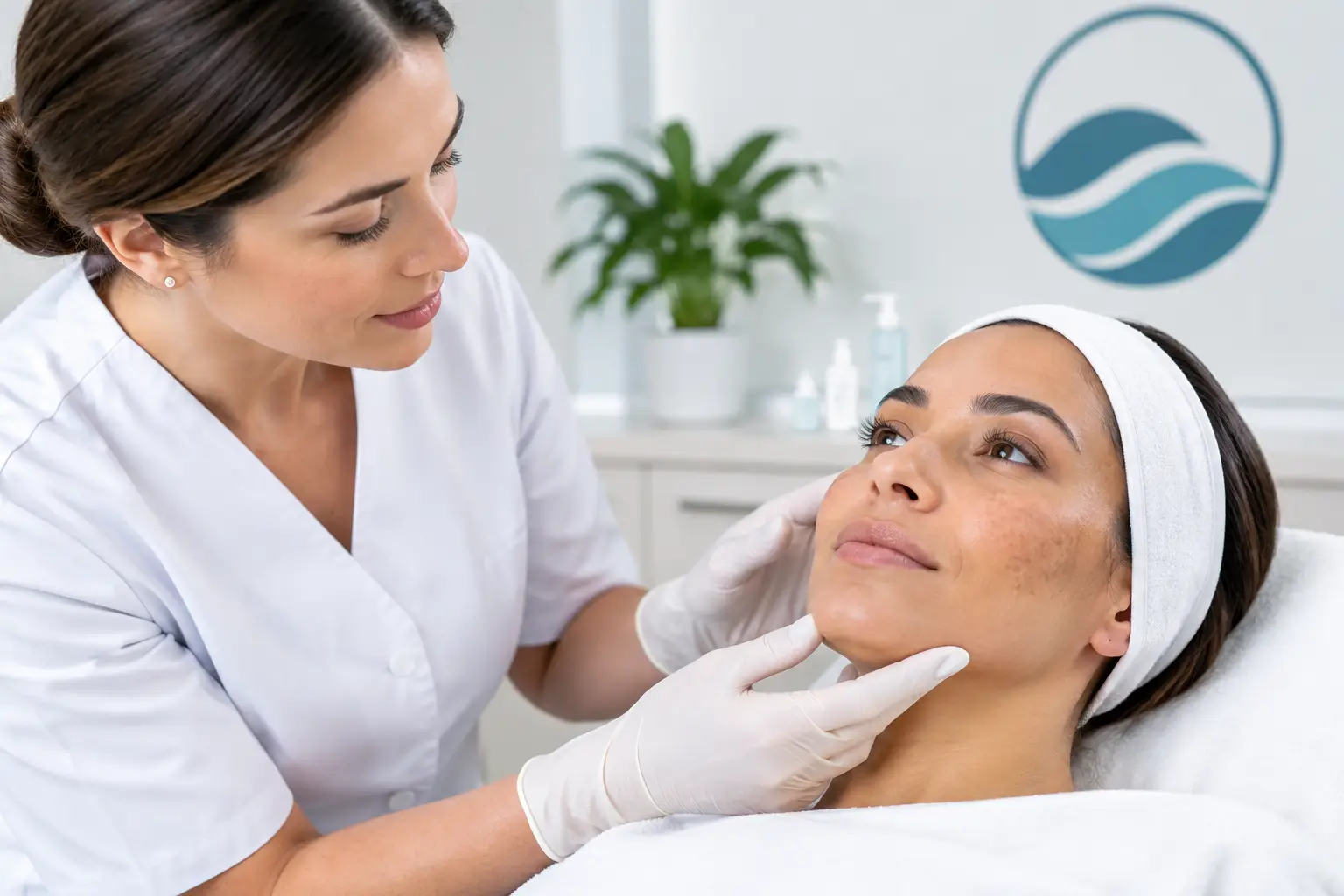
A thorough consultation should cover your skin goals, skin history, medications, previous treatments and lifestyle. Your practitioner can then recommend whether treatment is suitable now, whether your skin needs preparation first, or whether a different option would serve you better.
Can You Combine IPL and Laser Resurfacing?
For the right client, yes. IPL and laser resurfacing can be used at different stages of a broader skin plan because they address different concerns. IPL may be used to target superficial pigmentation and redness, while resurfacing can focus on texture and collagen renewal.
They should not be treated as a one-size-fits-all package. Timing matters, particularly when the skin is healing or has been exposed to the sun. Your practitioner may recommend spacing treatments apart, completing a course of one treatment first, or preparing the skin with a personalised home-care routine.
This measured approach helps protect the skin barrier and gives you a clearer view of how your skin is responding. It also means your treatment plan can be adjusted as your skin changes.
Choosing the Treatment That Makes Sense for You
There is no universal winner between IPL and laser resurfacing. IPL can be an excellent choice for a clearer, more even-looking complexion with minimal disruption to your week. Laser resurfacing can be a stronger option when texture, scarring and deeper lines are the main concern and you can allow time for recovery.
The treatment that suits a friend, influencer or family member may not suit your skin. Your age, skin tone, level of sun damage, sensitivity, goals and downtime all matter. A good consultation should leave you feeling informed rather than pressured, with realistic expectations about the treatment process and results.
At Coastal Skin Clinic, treatment planning begins with listening to what you would like to change and assessing what your skin actually needs. Safe, effective results are built on the right technology, trained guidance and careful aftercare – not a rushed decision.
If you are weighing up laser resurfacing or IPL, bring your questions to a consultation. The most helpful next step is choosing a plan that respects both your skin and your life, so you can feel confident in the care you receive.